
Top 10 Reefer Container Manufacturers in China?

Time:2026-11-04 Author:Sienna
0%

Reefer Container manufacturers do more than build insulated steel boxes. They engineer a moving cold room, with refrigeration units, sensors, and insulation that must work together across long journeys. A small temperature swing can matter. So can a delayed repair.

The market sits within a larger cold-chain challenge. FAO’s The State of Food and Agriculture 2023 estimates that 13.2% of food was lost after harvest and before retail in 2021. UNCTAD’s Review of Maritime Transport 2024 reports that global maritime trade grew by 2.4% in 2023. These figures describe different parts of the supply chain; neither measures reefer-container demand directly. They do show why dependable transport equipment deserves close scrutiny. Not just capacity.

Maritime transport scholar Professor Jean-Paul Rodrigue studies container shipping and logistics. His work points to a useful principle: a container’s performance depends on the wider transport system, not the box alone. This is a paraphrase of his research, not a verbatim quotation. That distinction matters.

This Top 10 guide compares Chinese Reefer Container manufacturers through practical criteria: product range, temperature-control features, manufacturing capability, customization, and service support. Look beyond glossy specifications. Ask how the unit handles a hot loading dock, a long power interruption, or a repair far from the factory. The comparison is a starting point, not a guarantee. Manufacturer claims should be checked against project requirements and independently verified documentation.
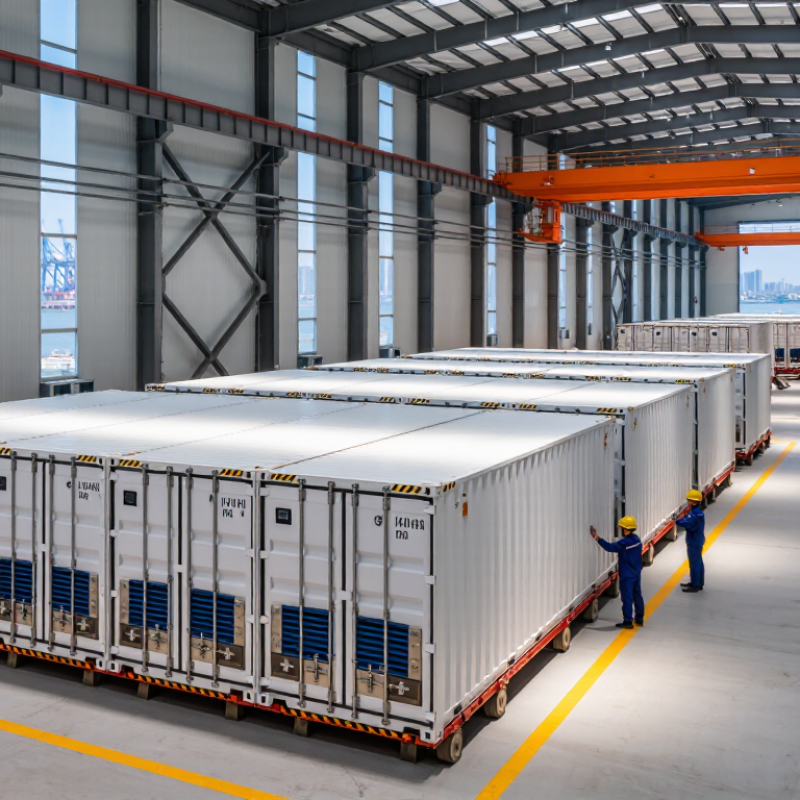
Top 10 Reefer Container Manufacturers in China?

Understanding Reefer Containers and Their Main Applications

A reefer container is an insulated shipping box with a refrigeration unit that controls the cargo’s temperature during transport. It needs a reliable power supply, often from a vessel, terminal, truck generator, or warehouse connection. The unit moves cooled air through floor channels and around the load.

Airflow matters. Tightly packed cartons can block circulation and create warm spots, even when the display shows the target temperature. No setting fixes poor loading.

Reefers commonly carry fresh produce, dairy products, frozen foods, flowers, and temperature-sensitive medicines. Different cargoes need different temperature ranges, ventilation, and humidity conditions; one setting does not suit every shipment. Before loading, operators should check the unit, confirm its operating range, and record the cargo’s condition.

During transit, temperature records can help identify interruptions, but they cannot prove every item stayed uniform. That limitation deserves attention.

Reefer containers also support short-term storage at ports and distribution centers, where dependable power and clear inspection routines are essential. A careful loading plan often matters as much as the cooling equipment itself.

How to Evaluate Reefer Container Manufacturers in China

When evaluating reefer container manufacturers in China, look beyond price and advertised capacity. UNCTAD’s Review of Maritime Transport 2024 estimated global container port throughput at 858.9 million TEUs in 2023, up 2.4% year on year. This reflects the scale of container operations, not reefer demand. A manufacturer should support its claims with test records, not just a polished brochure. Ask for insulation measurements, temperature-uniformity results, and pull-down test data from comparable units.

Inspect a finished container and follow the production process: check door seals, floor channels, welds, and wiring protection. Request the test method, sample size, and results under stated ambient conditions. A single successful test is not enough. Verify spare-parts availability, technician training, and response times in your destination market. These details can matter more than a small purchase-price difference. I would also treat unusually broad performance claims cautiously; real cargo loads and operating conditions vary.

Tips: Ask for a recent factory audit and a live test using your target temperature range. Compare the same test conditions across suppliers. Keep the results in writing. Don’t skip the service plan.

Top 10 Reefer Container Manufacturers in China

Top 10 Reefer Container Manufacturers in China

China’s reefer container sector serves a market shaped by demanding cargo and long journeys. A useful comparison of manufacturers should look beyond output volume. Check insulation thickness, door-seal fit, floor strength, and the stability of temperature-control systems. Ask for test records, warranty terms, and spare-parts availability. Small details matter. A poorly seated door gasket can undermine careful temperature settings during a humid port transfer.

Demand figures offer context, but they do not rank factories. Drewry’s Reefer Shipping Annual Review and Forecast 2024 estimated that seaborne reefer trade grew 1.6% in 2023 and projected 3.7% growth for 2024. UNCTAD’s Review of Maritime Transport 2024 reported overall maritime trade growth of 2.4% in 2023. That broader figure is not a reefer-specific measure, but it signals the scale of pressure on shipping equipment.

For buyers comparing China-based manufacturers, inspect sample units and review maintenance histories from comparable routes. Ask how insulation and refrigeration performance are checked after assembly, not just how quickly units leave the factory. A top-ten list can be a helpful starting point, but published capacity figures may not reveal service quality. Not a perfect proxy. I would also verify specifications independently; supplier documents alone leave room for doubt.

Comparing Manufacturers by Technology, Capacity, and Product Range

A useful comparison of China’s reefer container manufacturers starts with verified performance, not brochure claims. Check cooling stability across ambient conditions, insulation design, alarm functions, and energy use under a defined test load. UNEP and FAO’s 2022 report, Sustainable Food Cold Chains, estimates that food cold chains account for about 4% of global greenhouse gas emissions. That makes power consumption a practical comparison point, not a minor specification. Small details matter. Ask for test protocols and service records, not just a stated temperature range.

Capacity needs equal care. Compare annual production with documented deliveries, factory testing facilities, and the ability to supply spare parts. I would treat announced output cautiously: installed capacity does not always mean consistent production. FAO’s The State of Food and Agriculture 2019 reports that 14% of food was lost between post-harvest and retail in 2016, underscoring the value of reliable cold transport. Product range also matters: review standard 20-foot and 40-foot units, high-cube options, and configurations for different cargo needs. ISO 1496-2 provides a technical reference for thermal containers, but compliance alone cannot prove dependable performance. Look for independent test evidence. A gap remains: published factory data is rarely comparable across suppliers.

Key Factors for Selecting a Chinese Reefer Container Supplier

Top 10 Reefer Container Manufacturers in China?
Key Factors for Selecting a Chinese Reefer Container Supplier

Choosing a reefer supplier is about more than comparing prices. Temperature stability, insulation quality, energy consumption, and after-sales support affect cargo condition over long journeys. FAO’s 2023 food-loss reporting estimated that 13.2% of food was lost between harvest and retail in 2021. This underlines why dependable cold-chain equipment matters, though a container alone cannot prevent every loss.

Ask suppliers for test records covering temperature uniformity, pull-down performance, power use, and operation in specified ambient conditions. Check whether the design meets ISO 1496-2 requirements for thermal containers, and confirm what each test actually measures. Inspect door seals, floor channels, wiring, and control-panel access. Small defects there can create frustrating problems later. Also verify spare-parts availability, technician response times, warranty exclusions, and remote-monitoring options. A polished brochure is not proof; request traceable reports and references for similar routes or cargo.

Tips: Compare like with like. Request the same capacity, operating conditions, and test methods from each supplier. Ask for a factory inspection or independent verification before shipment. One caveat: supplier claims may not reflect real-world loading, maintenance, or climate. Build those variables into your evaluation.

Top 10 Reefer Container Manufacturers in China? Key Factors for Selecting a Chinese Reefer Container Supplier

Typical internal volume by reefer container size

Typical nominal internal volumes are approximately 28 m³ for a 20-foot reefer, 67 m³ for a 40-foot reefer, and 76 m³ for a 40-foot high-cube reefer. Actual usable volume varies by model. When comparing suppliers, confirm the container’s detailed specifications, temperature performance, insulation, refrigeration system, certifications, warranty, and after-sales support.

FAQS

What does a reefer container do?

It insulates cargo and controls its temperature during transport. A refrigeration unit needs a dependable power connection.

How does cooled air reach the cargo?

Air moves through channels in the floor and around the load. Airflow matters. Tightly packed cartons can block it and create warm spots.

Which goods can reefer containers carry?

Common cargo includes produce, dairy, frozen food, flowers, and temperature-sensitive medicines. Each type may need different temperature, ventilation, and humidity settings.

Is the displayed temperature enough to confirm cargo stayed cool?

No. Temperature records can help show interruptions, but they cannot prove every item stayed at a uniform temperature. That limitation is easy to overlook.

What should operators check before loading?

Check the unit’s operating range and record the cargo’s condition. A careful loading plan matters too; cooling equipment cannot fix poor airflow.

What test records should a manufacturer provide?

Ask for insulation measurements, temperature-uniformity results, and pull-down test data from comparable units. Check the test method, sample size, and ambient conditions.

What should buyers inspect on a finished container?

Look closely at door seals, floor channels, welds, and protected wiring. Small details can matter more than a polished brochure.

How can buyers assess after-sales support?

Check spare-parts availability, technician training, and response times in the destination market. Keep service details in writing. I may still underestimate how much this matters.

Why compare tests under the same conditions?

Different test conditions can make results hard to compare. Request a live test at your target temperature range, then review the written results. A single successful test proves little.

Conclusion

This article introduces the Reefer Container and explains how its temperature-controlled environment supports the storage and transportation of perishable goods across industries. It outlines the main applications of refrigerated containers, then presents practical criteria for evaluating manufacturers in China, including production experience, quality control, technical capabilities, customization options, and after-sales support.

The article also compares ten Chinese manufacturers by technology, production capacity, and product range, helping readers understand how suppliers may differ in insulation, cooling systems, container sizes, and available configurations. It concludes with key considerations for selecting a suitable supplier, such as matching product specifications to operational needs, verifying manufacturing standards, assessing delivery and service capabilities, and comparing overall value. These guidelines provide a clear starting point for buyers seeking a reliable reefer container solution.

Sienna

Sienna

Sienna is a skilled marketing professional with a deep expertise in our company’s core products and services. With a passion for innovation and detail, she plays a pivotal role in crafting insightful blog posts that not only highlight the unique features of our offerings but also provide valuable......