Industrial Catalog (Top Batch)
Featured ISO Standard & Cold-Chain Solutions
Engineered for extreme transoceanic environments, structural fatigue resilience, and optimal thermal equilibrium according to Bureau Veritas (BV) standards.
Industry Whitepaper
The Global Commercial & Industrial Status of ISO Standard Containers
An authoritative technical analysis of standard container asset dynamics, maritime intermodal logistics, and critical engineering standards across cross-border freight corridors.
Intermodal Interoperability
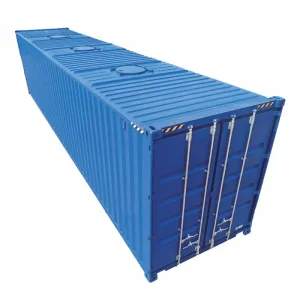
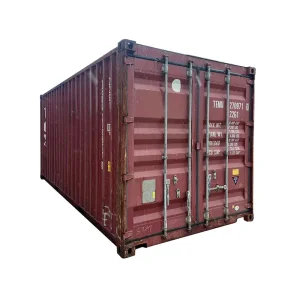
ISO Standard Containers (governed by ISO 668, ISO 1496, and ISO 1161) represent the backbone of global commerce, handling over 90% of international non-bulk cargo. Dimensional standardization ensures flawless transitions across container vessels, railway skeletal flatcars, and highway semi-trailers without load destabilization.
Corten-A Metallurgy & Structural Integrity
Fabrication depends on SPA-H atmospheric corrosion-resistant Corten steel. This metallurgical base forms an autogenous oxidized protective film under cyclic saline exposure, mitigating subsurface rust penetration. Combined with zinc-rich priming and polyurethane elastomeric finishes, units easily exceed 15-20 years of maritime operation.
Cold Chain Integrity (ISO 1496-2)
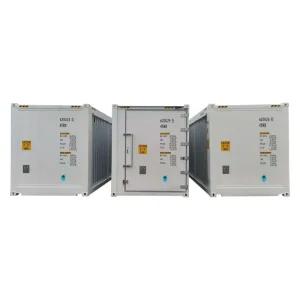
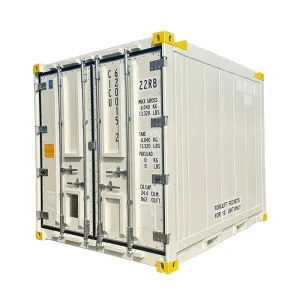
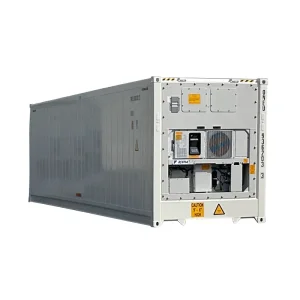
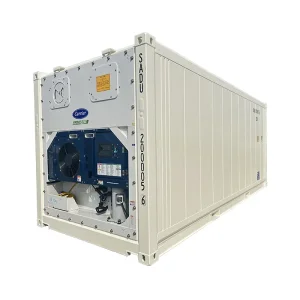
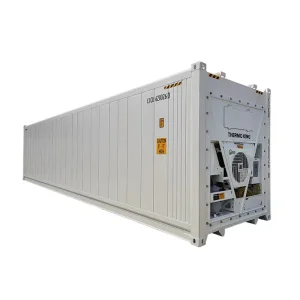
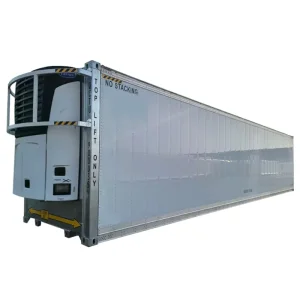
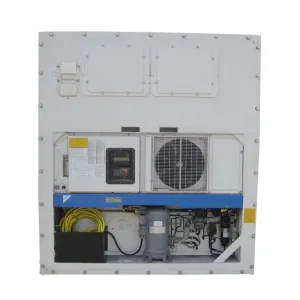
Refrigerated and thermal containers have evolved into digital thermal assets. Employing cyclically foamed high-density Polyurethane (PU) cores with heat leakage coefficients (K-values) below 0.38 W/(m²·K), modern reefers maintain critical setpoints from -35°C to +30°C under Carrier Transicold, Thermo King, and Daikin control units.
1983
Foundation Milestone
100 KM
Direct Port Radius (Tianjin)
34,000 KG
Max Rating (ISO 40RH)
100%
BV & ISO Classification Traceability
Supply Chain Dominance
China Factory Efficiency & The Tianjin Hub Advantage
How localized steel synthesis, fully automated roll-forming lines, and strategic deep-water maritime clusters empower international buyers with uncompromised delivery schedules.
Vertical Metallurgy Integration
China's container manufacturing ecosystem benefits from proximal raw coil supply chains. Heavy plate cutting, automatic corrugation forming, and structural tube extrusion occur within tight regional radii, eliminating transcontinental supply lag and reducing per-TEU manufacturing overhead.
Robotic Welding & Environmental Coating
Our production facilities in Tianjin and Suzhou utilize 6-axis articulated robotic welding arrays to ensure 100% penetration on top/bottom side rails and corner castings. Surface preparation follows Swedish Standard Sa 2.5 shot-blasting, coated immediately with low-VOC waterborne zinc paints.
Geographic Port Proximity (100km)
Operating approximately 100 kilometers from the massive port infrastructure of Tianjin grants unmatched inland logistics agility. Freshly fabricated units move directly to berth side, minimizing domestic transport tolling and eliminating bottlenecks before ocean vessel loading.
Operational Scenarios
Specialized Applications & Field Adaptation Scenarios
Engineered beyond vanilla dry freight: modular living architectures, heavy industrial gas handling, and offshore harsh-environment deployments.
Offshore Logistics (DNV 2.7-1)
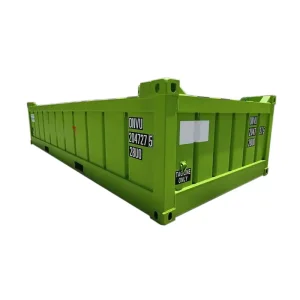
Specially engineered half-height and dry open-top frames equipped with certified lifting pad-eyes and slings, built to endure harsh dynamic accelerations and heavy marine impacts in North Sea and Gulf rig operations.
Hazardous Gas & Liquid (T75 Cryogenic)
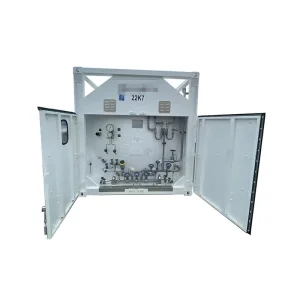
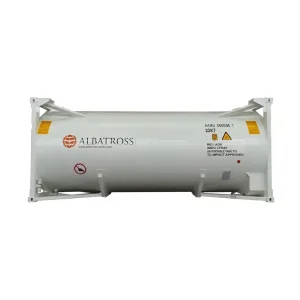
T75 & 25,000L ISO Tank units built with 316L stainless steel shells and multi-layer vacuum super-insulation for safe global multimodal transport of liquid nitrogen, LNG, argon, and high-purity industrial chemical loads.
Static Multi-Zone Cold Warehousing
Three-in-one and 40ft High Cube refrigerated modules integrated with independent sub-rooms, remote telemetry, and internal safety panic handles, operating as stationary distributed cold hubs in agricultural centers.
Modular Industrial Enclosures
Heavy-duty structural platforms converted for utility-scale BESS (Battery Energy Storage Systems), mobile hydrogen fuel-cell containers, and automated water-purification stations requiring high static floor ratings.
Engineering Blueprint
Engineering Specifications: ISO Dimensional Matrix
Direct structural metrics verified against ISO 668 classifications, stacking weight limits (9-high laden testing up to 86,400 kg), and corner casting loads.
| ISO Configuration | External Dimension (L×W×H mm) | Internal Volume (m³) | Tare Weight (kg) | Max Gross Mass (kg) | Structural Sub-Floor / Core |
|---|---|---|---|---|---|
| 20' General Purpose (20GP) | 6,058 × 2,438 × 2,591 | 33.2 m³ | 2,200 kg | 30,480 kg | 28mm Marine Grade Apitong Plywood |
| 40' High Cube Dry (40HC) | 12,192 × 2,438 × 2,896 | 76.3 m³ | 3,900 kg | 30,480 kg | High-Strength Corten Corrugated Paneling |
| 40' High Cube Reefer (40RH) | 12,192 × 2,438 × 2,896 | 67.6 m³ | 4,680 kg | 34,000 kg | MGSS Outer / 304SS Inner, Extruded T-Floor |
| 20' Cryogenic ISO Tank (T75) | 6,058 × 2,438 × 2,591 | 22.5 m³ | 7,850 kg | 36,000 kg | Austenitic SS Shell + High Vacuum Insulation |
| Offshore Half-Height Open Top | 6,058 × 2,438 × 1,280 | 14.8 m³ | 2,800 kg | 15,000 kg | DNV 2.7-1 Heavy-Section Tubular Carbon Steel |
Future Trajectory
Market Megatrends & Global Procurement Requirements
How digitalization, decarbonization mandates, and multi-modal fleet expansions are redesigning commercial container procurement specifications.
IoT-Enabled Smart Fleets
Modern enterprise logistics demands live tracking. Containers are increasingly specified with factory-installed telematics systems, GPS beacons, door-opening optic sensors, and real-time cargo temperature monitoring integrated with satellite uplinks for continuous supply chain audit trails.
Decarbonization & Bamboo Flooring
Strict ESG guidelines among shipping lines and institutional leasing companies have spurred the transition from traditional hardwood plywood to sustainably grown laminated bamboo flooring plates, paired with low-emission waterborne epoxy barrier coatings.
Hybrid OEM/ODM Structural Variants
Global logistics operators require specialized door kinematics: full side-opening bifold doors, electrical motorized roller shutters, and reinforced drop-down ramps for vehicle cargo to reduce loading turnaround times at urban transshipment yards.
Procurement Clarifications
Frequently Asked Technical Questions
Precise engineering, manufacturing lifecycle, and compliance answers compiled by our senior structural logistics engineering desk.
What structural certifications and class approvals accompany your factory's ISO containers?
All units fabricated at our facilities are built strictly compliant with the International Convention for Safe Containers (CSC 1972) and ISO 1496/668 specifications. We collaborate directly with premier global classification societies, including Bureau Veritas (BV), ABS, and CCS. Units receive an authentic CSC safety approval plate certifying design type testing for 9-high stacking under 86,400 kg gross weights and racking tests up to 15,240 kg.
What metallurgical formulations are implemented to ensure maritime corrosion prevention?
We exclusively utilize SPA-H Corten atmospheric corrosion-resistant steel across all corrugated side panels, roof sheets, corner posts, and bottom side rails. The base metal undergoes automatic mechanical shot-blasting to achieve ISO 8501-1 Sa 2.5 cleanliness, removing all mill scale, followed immediately by an advanced three-coat waterborne paint stack: zinc-rich epoxy primer (30μm), epoxy intermediate barrier coat (40μm), and top-tier acrylic/polyurethane topcoat (40μm), delivering a total dry film thickness (DFT) exceeding 110μm.
Which cooling machinery options can be specified on 20ft and 40ft Reefer containers?
We maintain OEM partnerships with the world's three preeminent refrigeration manufacturers: Carrier (PrimeLINE & ThinLINE series), Thermo King (Magnum Plus), and Daikin (Zestia series). Depending on cargo thermal requirements, units deliver precise environmental stability from deep freeze at -35°C up to +30°C ambient, complete with digital data logging, dehumidification controls, and optional remote telematics integration.
What is your lead time for high-volume custom OEM orders from the Tianjin manufacturing hub?
Standard dry shipping containers maintain continuous rolling assembly with lead times from 2 to 4 weeks depending on batch volume. Tailored OEM/ODM engineering builds (special access configurations, side-open layouts, heavy-payload reinforced floor frames, and BESS conversions) require an initial 7-10 day technical drawing signoff cycle, followed by prototype fabrication within 15-20 days, and full batch assembly shortly after. Our proximity to the Port of Tianjin ensures sea transfer within 24 hours of final inspection.
Do you supply verified secondhand or decommissioned ISO containers?
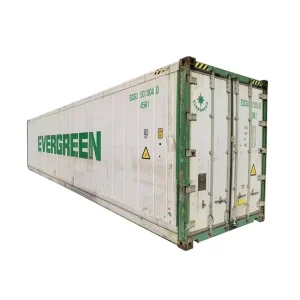
Yes. We stock extensive reserves of pre-owned 20ft GP, 40ft GP, and 40ft HC dry and reefer units across major Chinese port depots (Tianjin, Qingdao, Shanghai, Ningbo, and Shenzhen). All used inventory undergoes structural integrity surveys: wind and water tight (WWT) certification, door gasket replacement, solid T-floor assessment, and machinery performance checks to guarantee immediate operational viability.
Specialized Fleet Modules
Specialty, Heavy-Haul & Multimodal Inventory
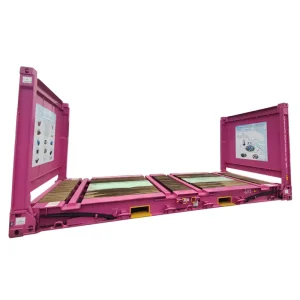
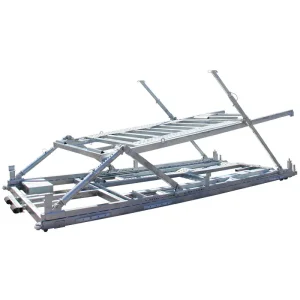
Industrial bulk vessels, flat racks, automotive transport units, and offshore certified modular assemblies engineered for complex logistics operations.