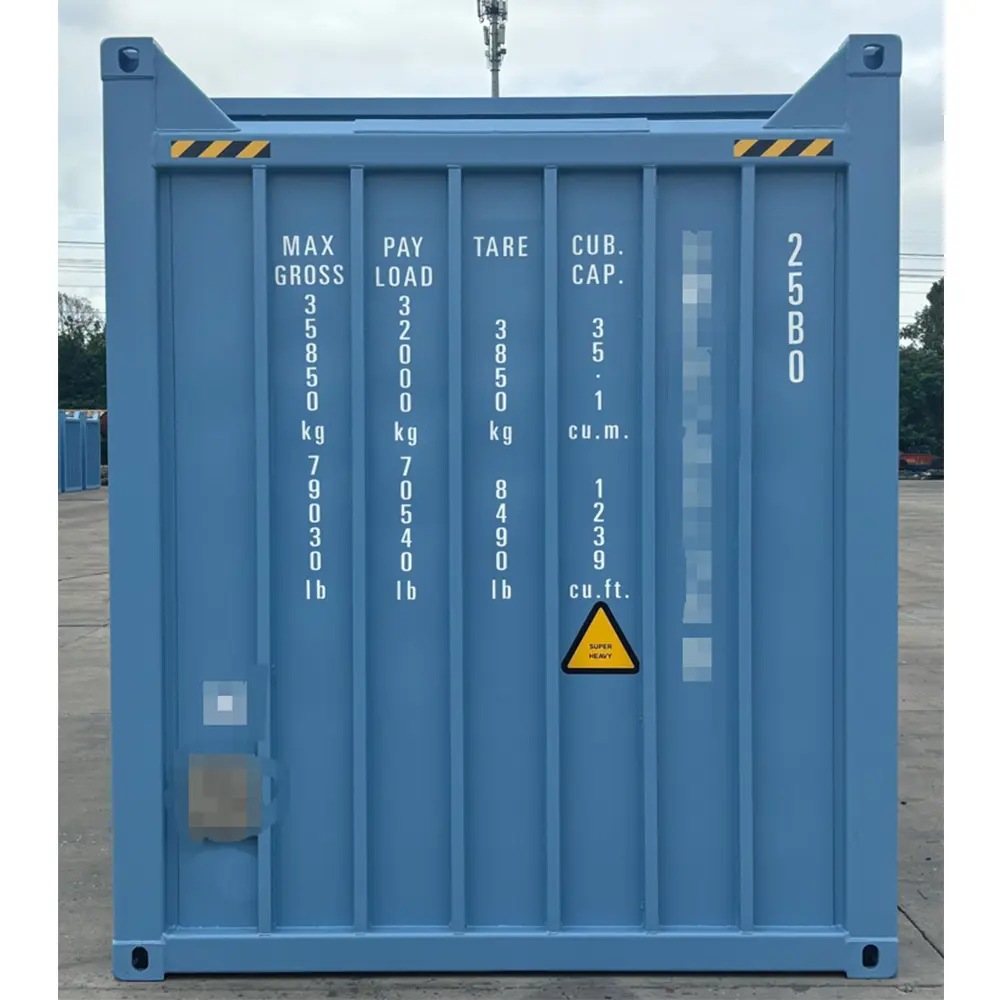
Buy 20 Feet Shipping Bulk Container Manufacturer, Exporters
Product Description
Product Introduction
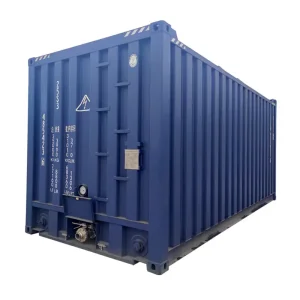
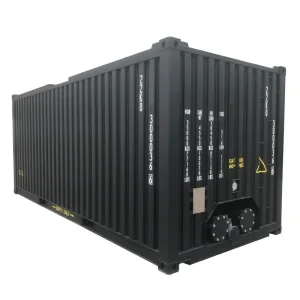
Bulk containers streamline freight operations by replacing inefficient traditional methods with a standardized, mechanized, and enclosed transport mode. Engineered for high cost efficiency, product safety, and green sustainability, they are standard equipment across efficiency-sensitive bulk cargo sectors.
Key Structural Features
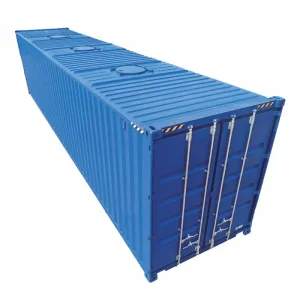
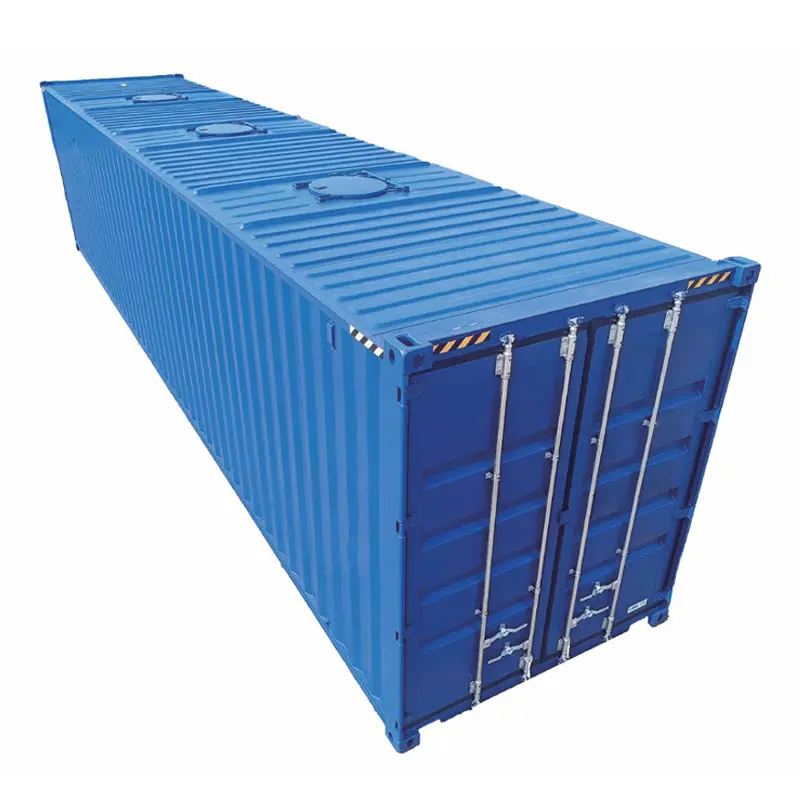
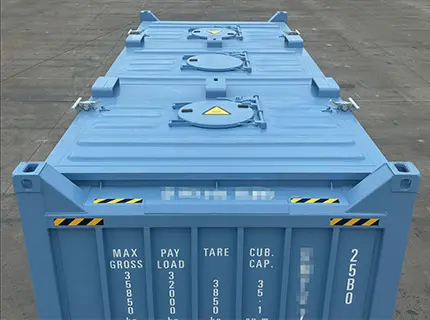
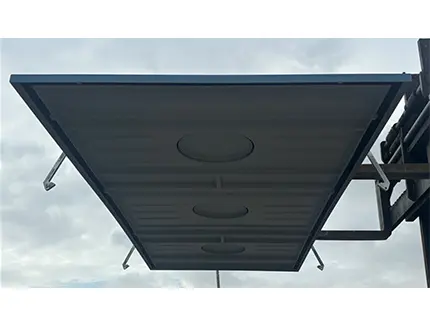
Equipped with 2-3 top loading ports (diameter: 500mm) for simple gravity filling. Once loaded, ports lock fully to prevent product leakage.
Features an internal canvas funnel along the rear door frame or direct top-opening discharge for fast, controlled product evacuation.
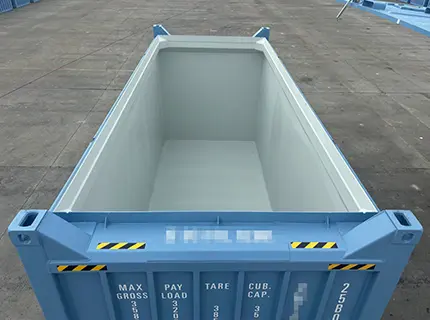
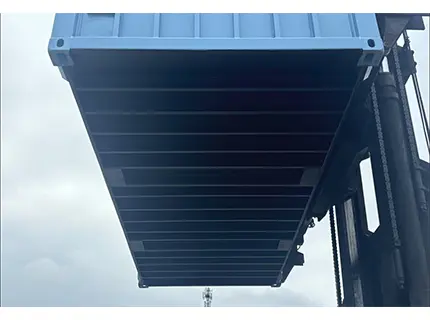
A reinforced rectangular design defends contents against rain, dust, and contamination while boosting carrying performance and security.
The interior is fitted with seamless waterproof plywood coated with fiberglass, shielding dry goods from humidity and simplifying post-use washing.
Primary Cargo Applications
Ideal for bulk transport of rice, wheat, corn, soybeans, and malt, eliminating bag packaging and cutting logistics costs.
Accommodates bulk loads including hay blocks and raw oatmeal for swift loading, transit, and distribution.
Provides clean, moisture-proof transit for sensitive cargo such as resins, borax, plastic granules, and chemical fertilizers.
Facilitates large-volume transfers of cement, sand, and gravel with minimal physical handling.
Product Specifications
| Parameter | Standard Specification |
|---|---|
| External Dimensions (L × W × H) | 6058 mm × 2500 mm × 2591 mm |
| Internal Dimensions (L × W × H) | 5899 mm × 2418 mm × 2389.5 mm |
| Internal Cubic Capacity | 35.1 m³ |
| Max Gross Weight | 35,850 kg (79,030 lb) |
| Payload Capacity | 32,000 kg (70,540 lb) |
| Tare Weight | 3,850 kg (8,490 lb) |
| Loading and Unloading Access | Top Port Configuration |
Key Advantages
Frequently Asked Questions
Bulk containers are engineered for loose, unpackaged granular or powder products, including agricultural grains (rice, wheat, corn, soybeans), animal feed (hay blocks, raw oatmeal), industrial chemicals (resins, borax, plastic pellets, fertilizers), and building materials (cement, sand, gravel).
Loading is carried out from the top via 2 to 3 dedicated loading ports measuring 500mm in diameter. Discharging is managed using an integrated rear-door canvas funnel or by opening the top cover for direct, clean evacuation.
The units feature a fully enclosed rectangular steel perimeter coupled with a continuous inner lining of waterproof plywood coated with fiberglass. This prevents water penetration, condensation, and atmospheric dust contamination during long-distance transit.
A standard unit offers a maximum gross weight of 35,850 kg (79,030 lb), an internal cubic capacity of 35.1 m³, a tare weight of 3,850 kg (8,490 lb), and a net payload allowance of up to 32,000 kg (70,540 lb).
By eliminating secondary packaging materials (such as woven bags or pallets) and enabling automated gravity filling and unloading, bulk containers cut labor costs, maximize container cubic utilization, and minimize cargo loss or contamination.