China New 20ft Car Carrier Container Special Container Exporter, Quotes

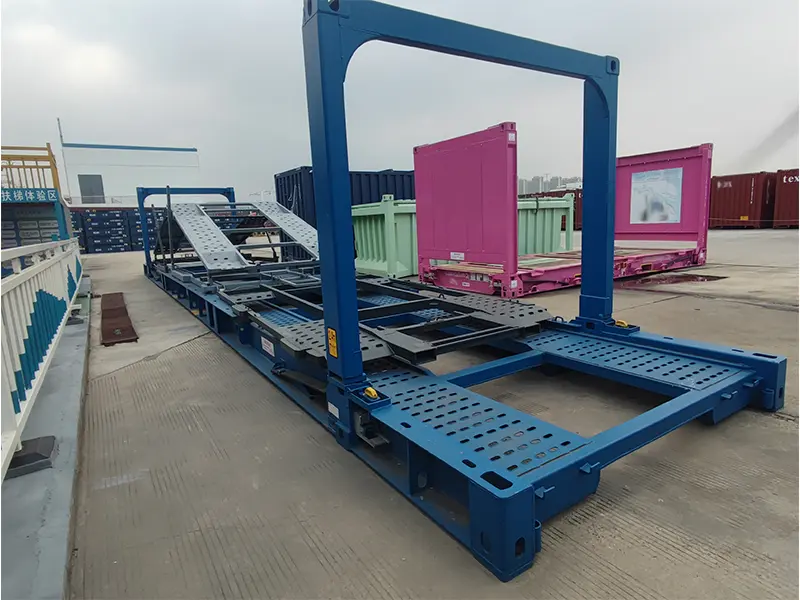
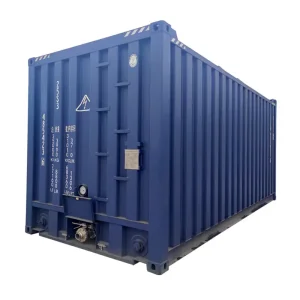
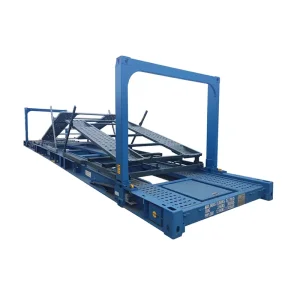
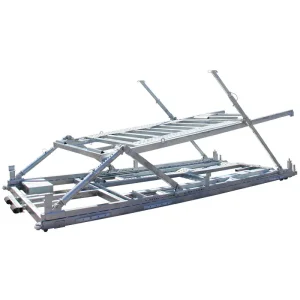
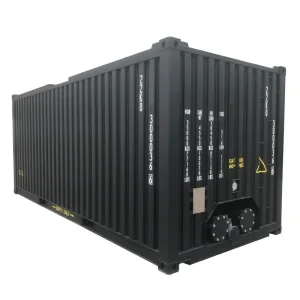
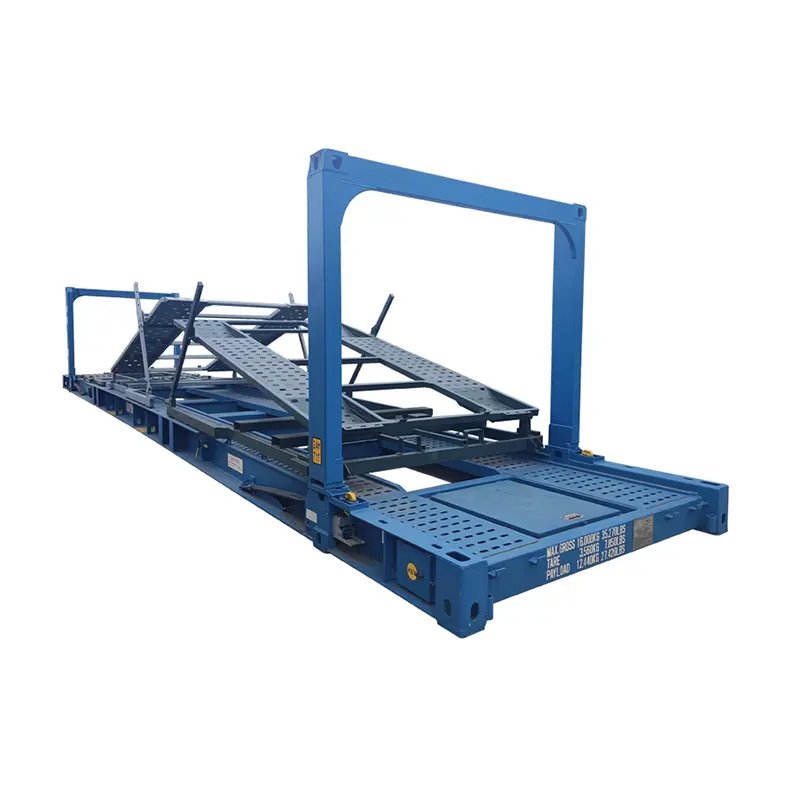
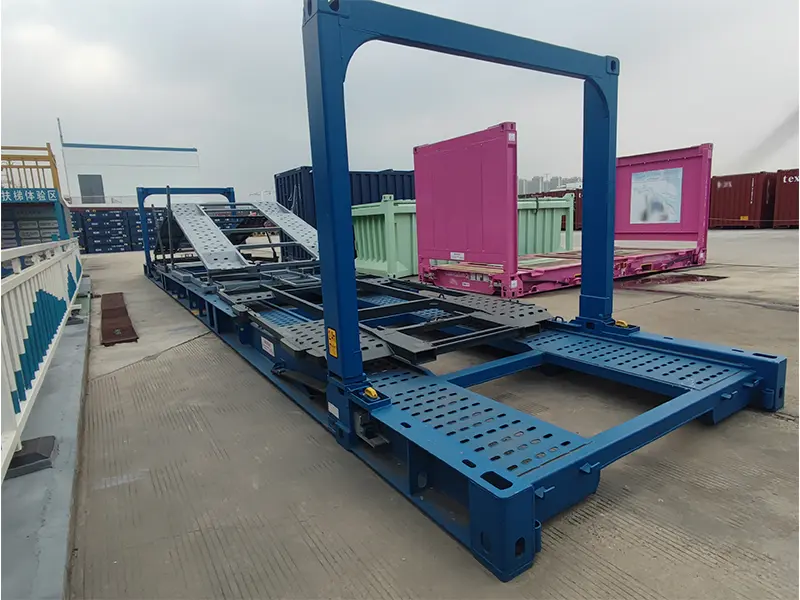
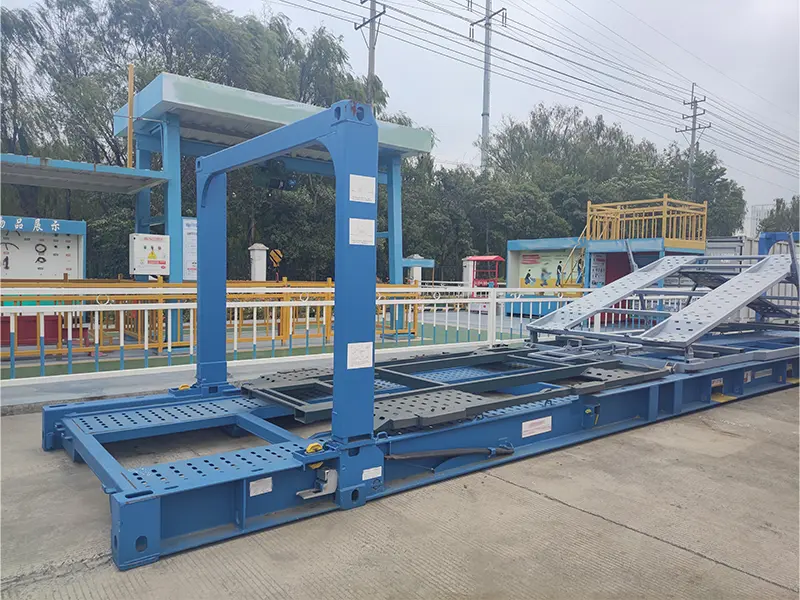
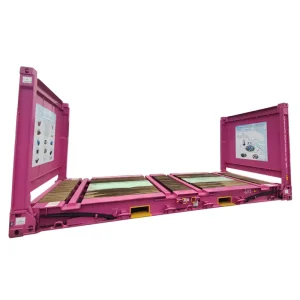
A car carrier container is a container specially used for transporting cars, also known as a car container. It can transport cars from one place to another by road, rail, water and other means of transportation while ensuring the safety of the car. Its frame is generally welded from high-strength steel to withstand the weight of the car and various external forces that may be encountered during transportation.

Product Description

Product Introduction
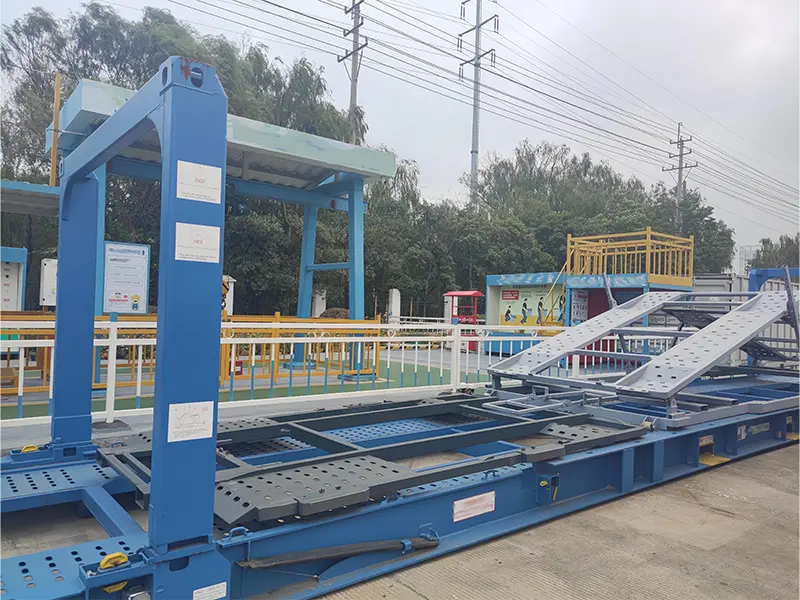
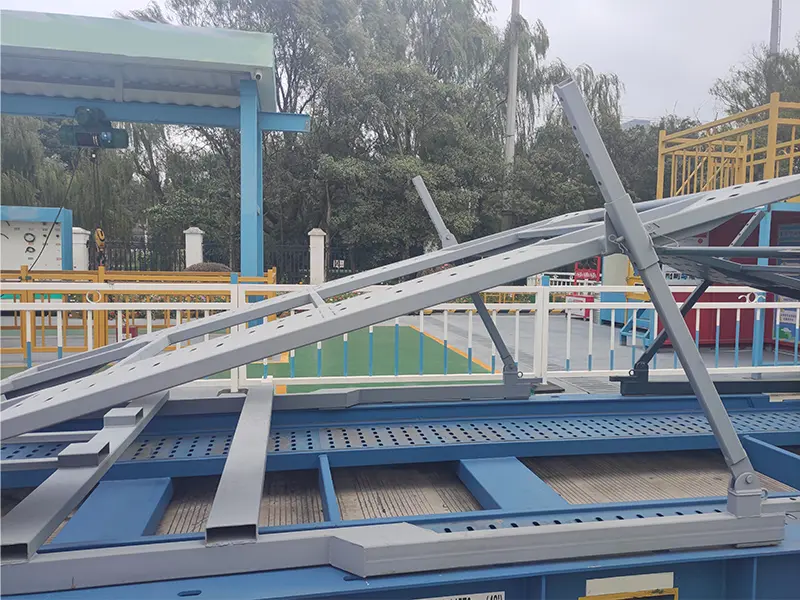
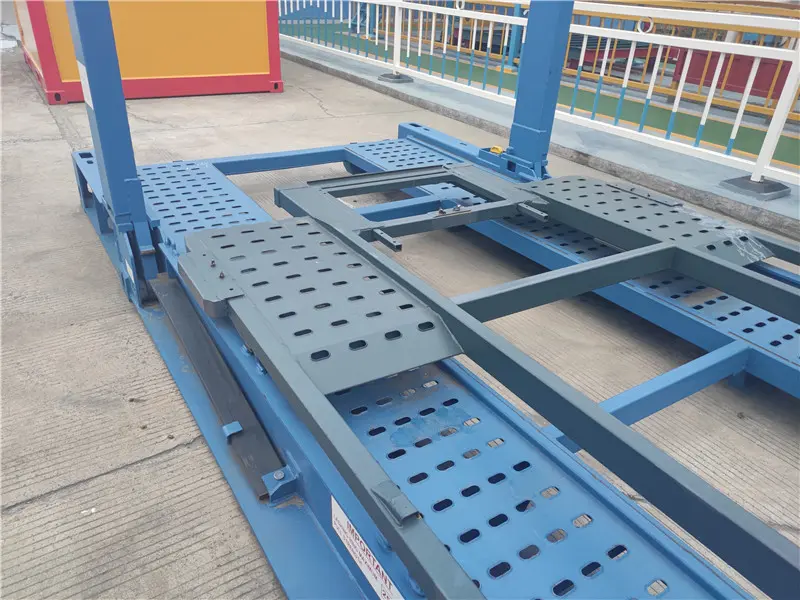
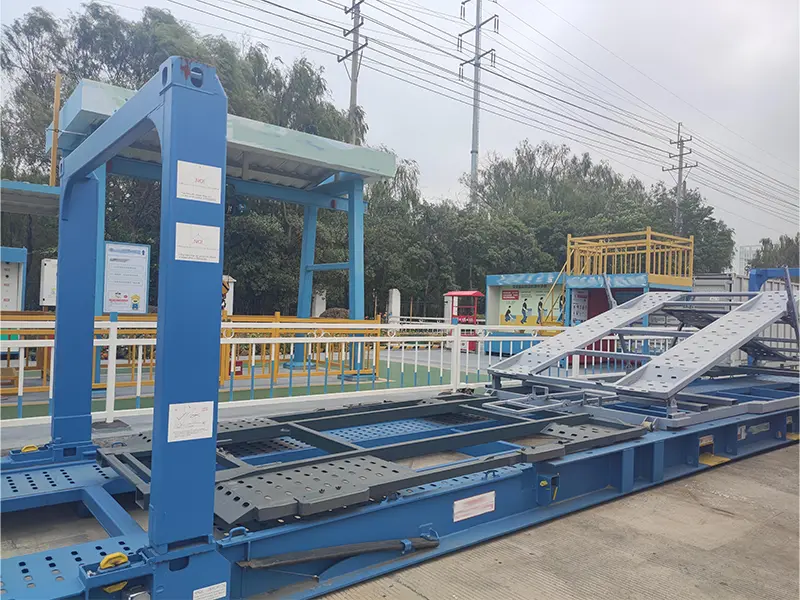
The interior of the car transport container is equipped with a special car fixing device, which is a key part of the car transport container. Common fixing devices include wheel fixers and body tie straps. The wheel fixer is usually a metal clamp that can firmly clamp the tire of the car to prevent the car from sliding forward, backward, left and right in the container. The body tie strap is generally a high-strength nylon belt or steel belt, which is connected to the inner wall of the container by hooks or bolts, and can tightly fix the car body to reduce the shaking of the car during transportation. Some floors will use anti-slip materials, such as steel plates with anti-slip textures or special anti-slip rubber mats. This can increase the friction between the car tires and the floor, and further ensure the stability of the car in the container. Some car transport containers will also have drainage grooves on the floor to drain rainwater that may enter the container or sewage generated after washing the car. In addition, like other containers, it can be transported by road, rail, and sea.

Key Advantages

Protect the Safety of Cars

Car transport containers provide a relatively closed transportation environment for cars, which can effectively prevent cars from being damaged by the external environment during transportation. At the same time, the internal fixings can ensure the stability of cars during transportation, reduce collisions and frictions between cars, and reduce the risk of car damage.

Convenient Multimodal Transport

Due to its standard container size, car transport containers can be easily converted between different modes of transportation. For example, cars can be transported from the production plant to the port by road, then transported to the destination port by water, and finally delivered to the sales point by road, realizing seamless multimodal transport and improving transportation efficiency.

Easy to Manage and Count

Compared with other modes of transportation (such as transporting cars by roll-on/roll-off ships), car transport containers can more conveniently count and manage the number of cars transported. The number of cars transported in each container is relatively fixed, making it easier to track and monitor the status of cars during loading and unloading and transportation.

Frequently Asked Questions

Q1 What are the dimensions of a car shipping container?
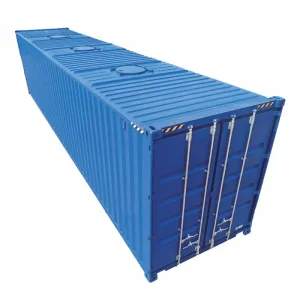
Common car shipping containers come in two standard lengths: 20 feet and 40 feet. These dimensions are designed to accommodate the transport of different types and sizes of cars, while also meeting the dimensions of international standard containers to facilitate transfer between various modes of transport.
Q2 What precautions should be taken when using a car transport container?
  • When loading a car, make sure that the wheels of the car are firmly clamped by the wheel holders and the car body is fixed with tie-down straps.
  • Strictly comply with the maximum load weight limit of the car transport container.
  • Before each use, check the car transport container, including whether the frame is deformed, whether the internal fixtures are intact, and whether the floor is non-slip. Regularly maintain the container, such as anti-corrosion treatment of the frame, replacement of damaged fixtures, etc., to ensure its good performance.
Q3 What internal fixing devices are installed to secure vehicles?
The interior is equipped with specialized wheel fixers and body tie straps. Wheel fixers use metal clamps to firmly grip the tires, preventing movements in all directions. Body tie straps, made from high-strength nylon or steel belts, attach securely to the container walls via hooks or bolts to suppress vehicle vibration during transit.
Q4 What safety features are integrated into the container floor?
Floors are fitted with anti-slip materials such as textured steel plates or specialized anti-slip rubber mats to maximize tire friction and overall vehicle stability. Additionally, some containers feature built-in drainage grooves to effectively remove trapped rainwater or vehicle wash water.
Q5 Which transportation modes are compatible with car transport containers?
Just like standard intermodal containers, car transport containers are fully compatible with road, rail, and sea freight, facilitating smooth cargo transfer directly from production facilities across ports to terminal dealerships.
Q6 How do container carriers improve cargo management compared to Ro-Ro vessels?
Unlike roll-on/roll-off shipping methods, car transport containers hold a standardized, fixed number of vehicles per unit. This structure simplifies counting, monitoring, and tracking vehicle status during every stage of loading, unloading, and transit.

Related Products