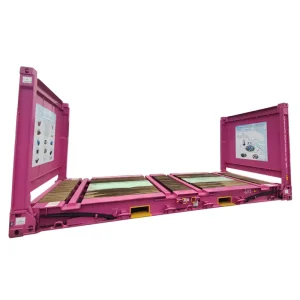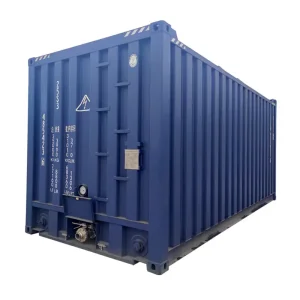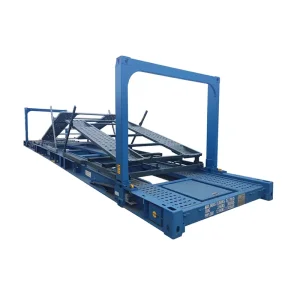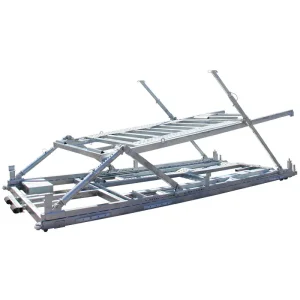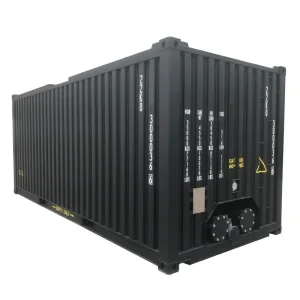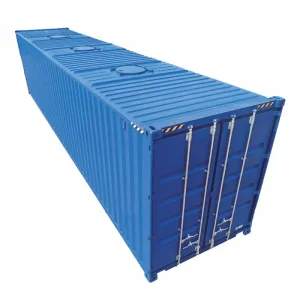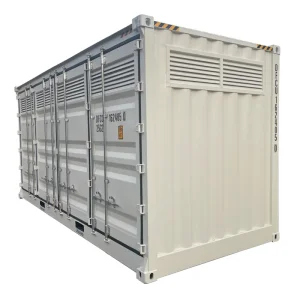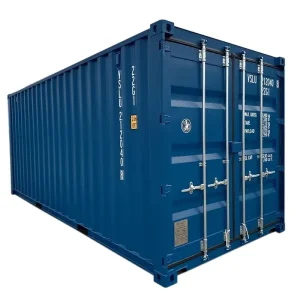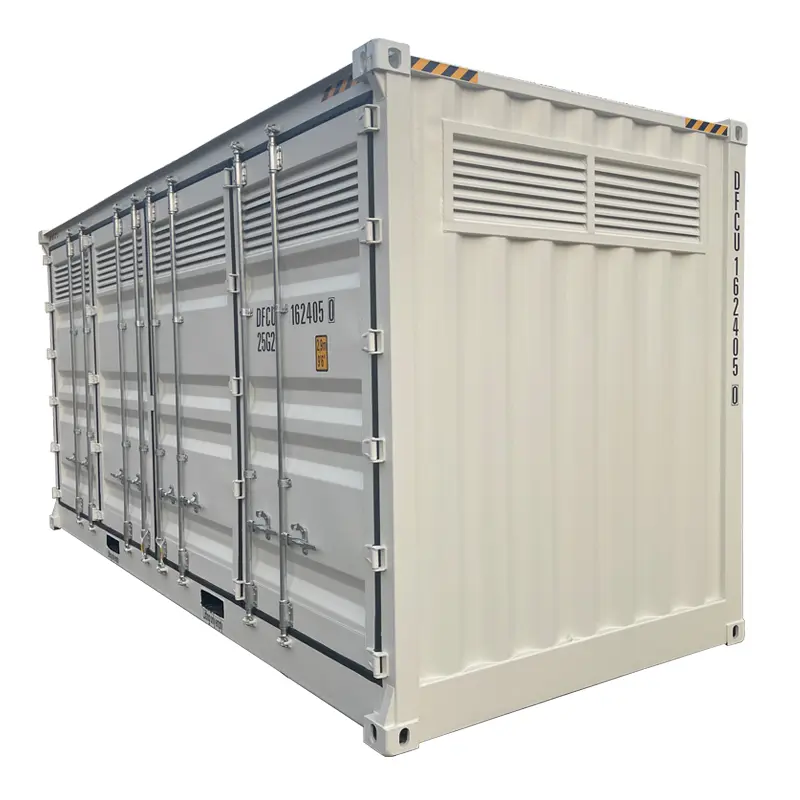
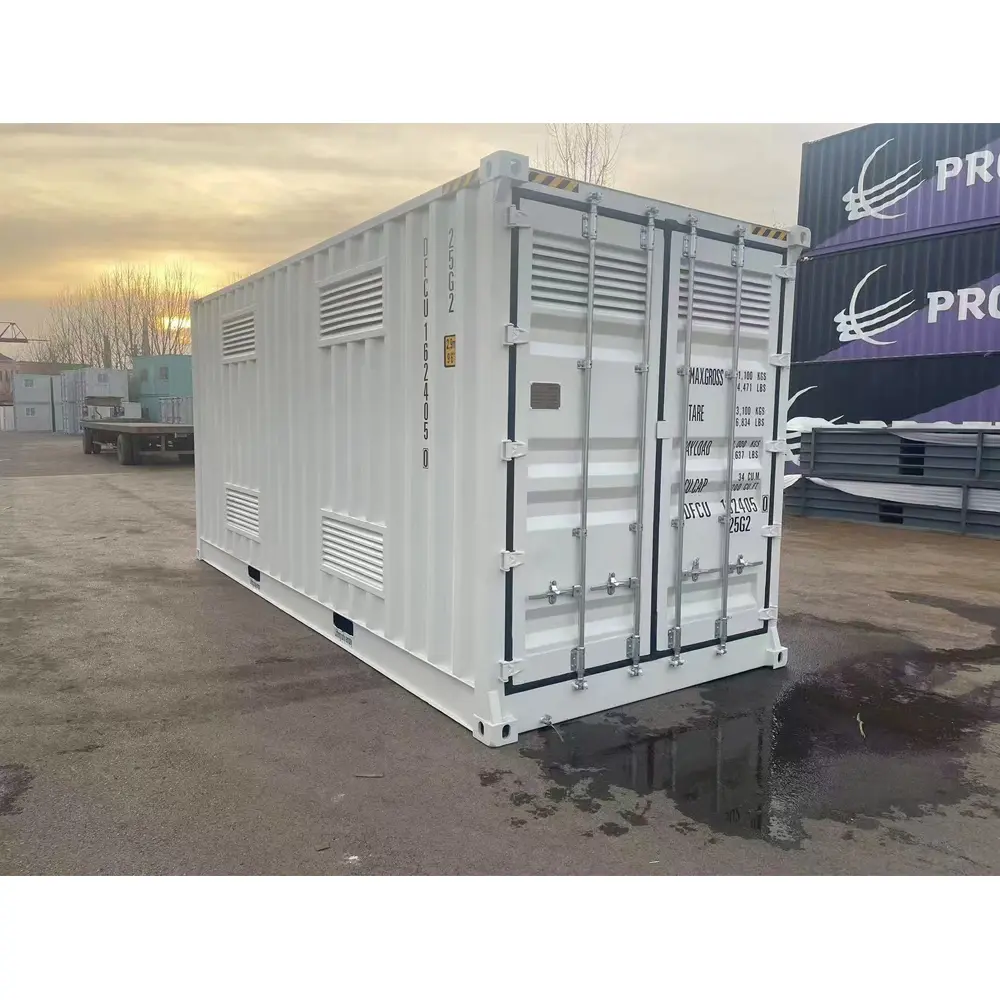
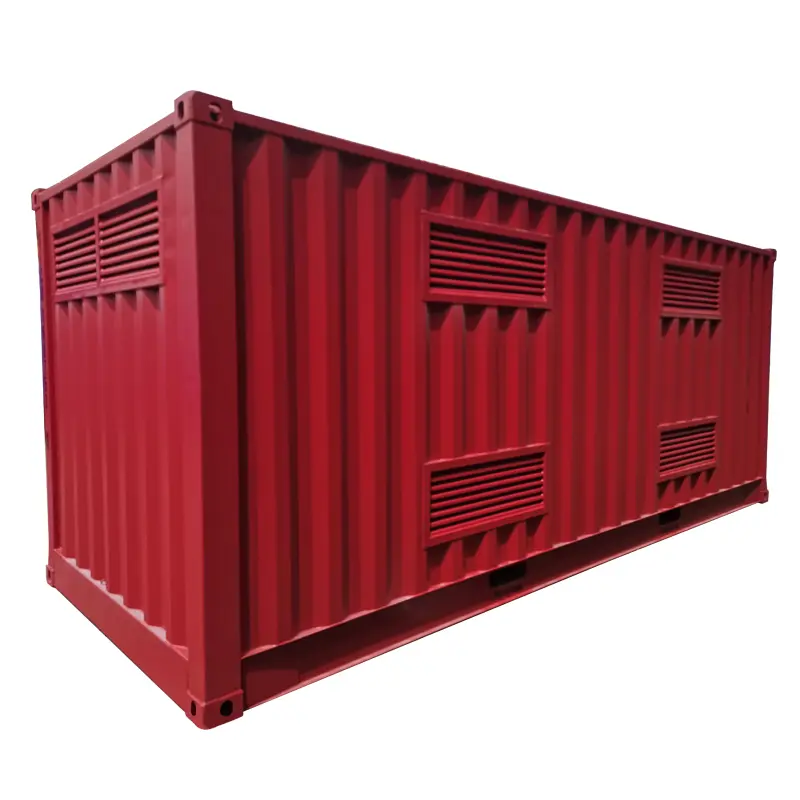
Famous 20FT High-cube Dangerous Goods Container Side Open Door with Ventilation Opening Manufacturer, Exporter
Product Description
Product Introduction
Dangerous goods containers are engineered primarily from high-strength structural steel or aluminum alloy to provide robust integrity capable of withstanding heavy external stresses throughout transport. For specific hazardous consignments, advanced corrosion-resistant and high-temperature-treated materials are specifically chosen.
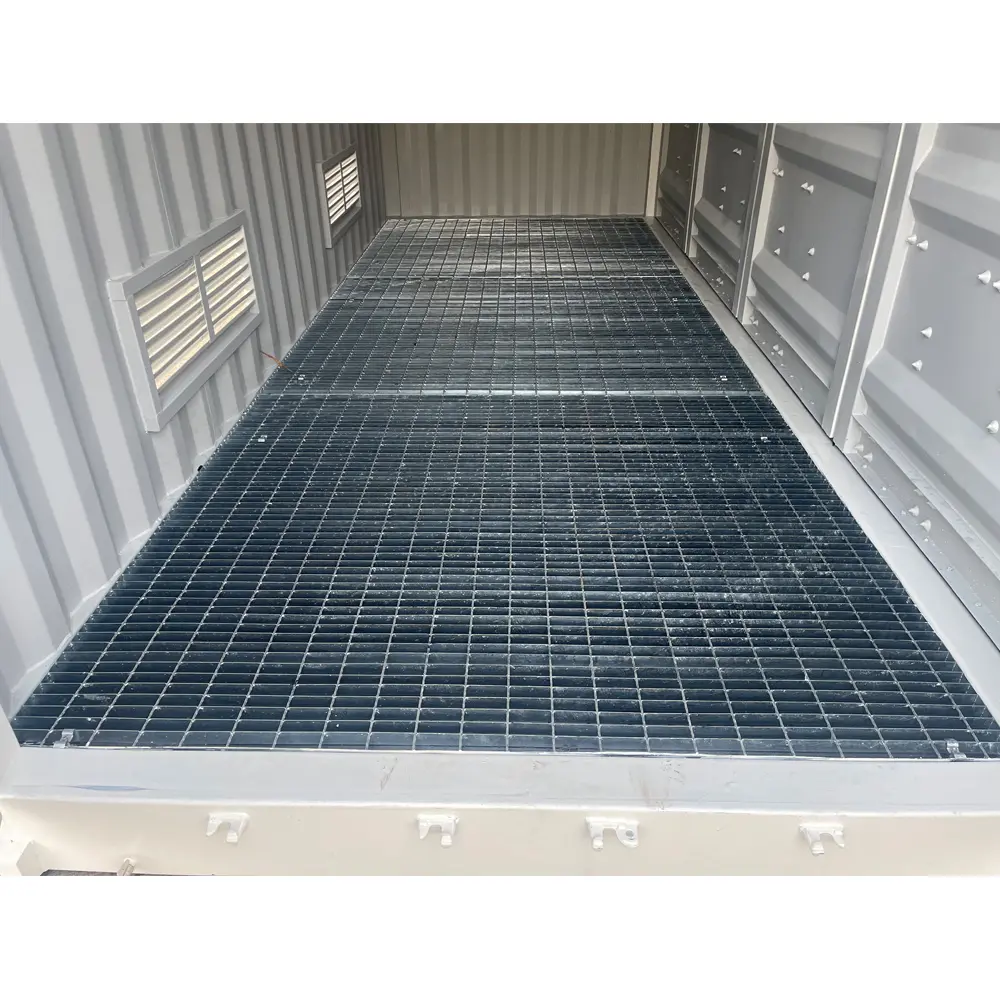
Featuring an advanced structural sealing system, these containers effectively prevent leakages of volatile or hazardous compounds. Liquid chemical variants feature reinforced bottom and side seam seals, complemented by specially treated containment grid floors. Standard equipment includes explosion-proof access doors, ventilation nets, safety relief valves, built-in fire extinguishing devices, and gas-leak alarm systems designed to mitigate risks instantaneously. High-visibility regulatory hazard warning labels are prominently marked on exterior walls to ensure rapid identification, strict handling adherence, and optimized safety management.
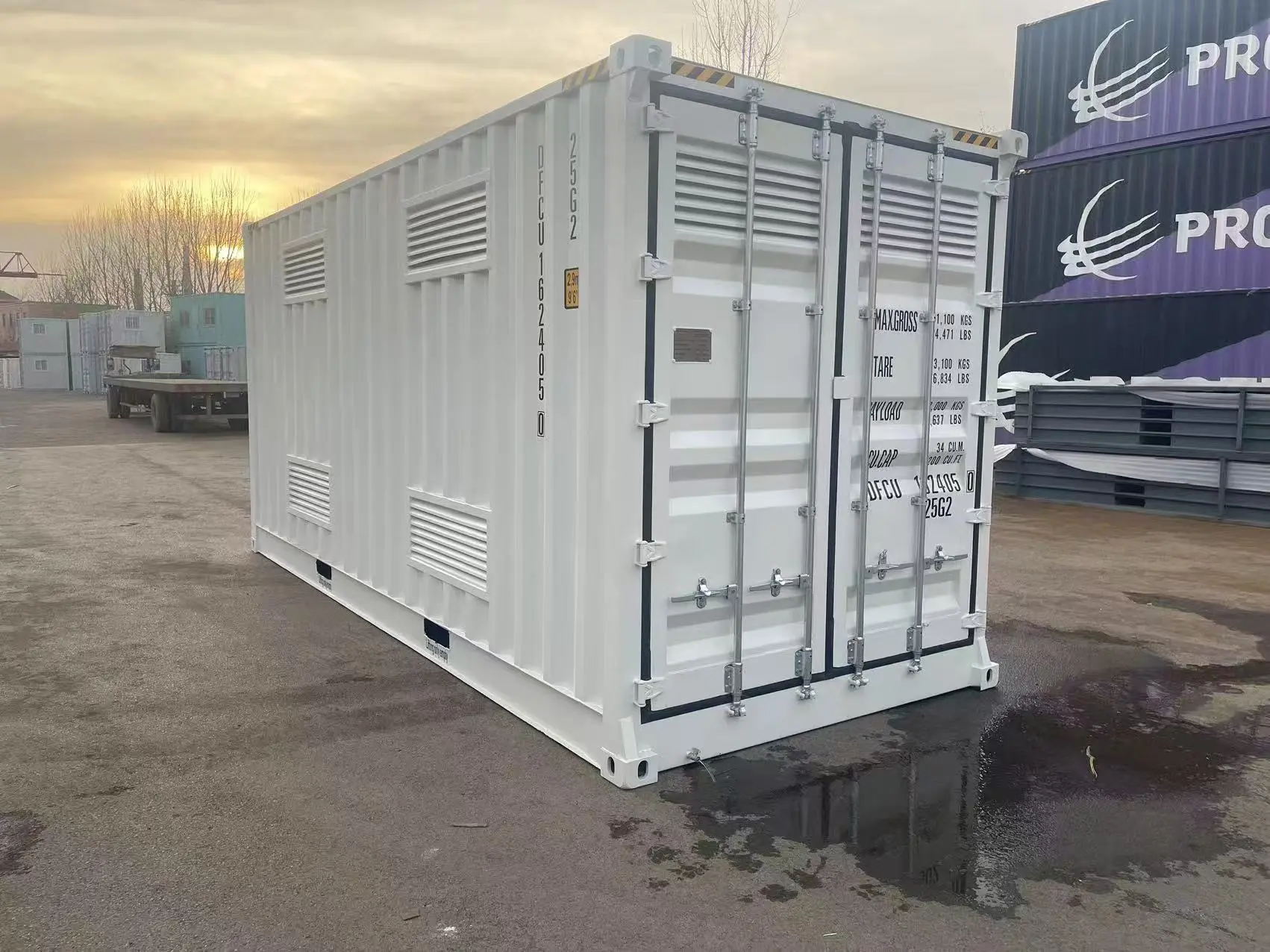

Product Specification
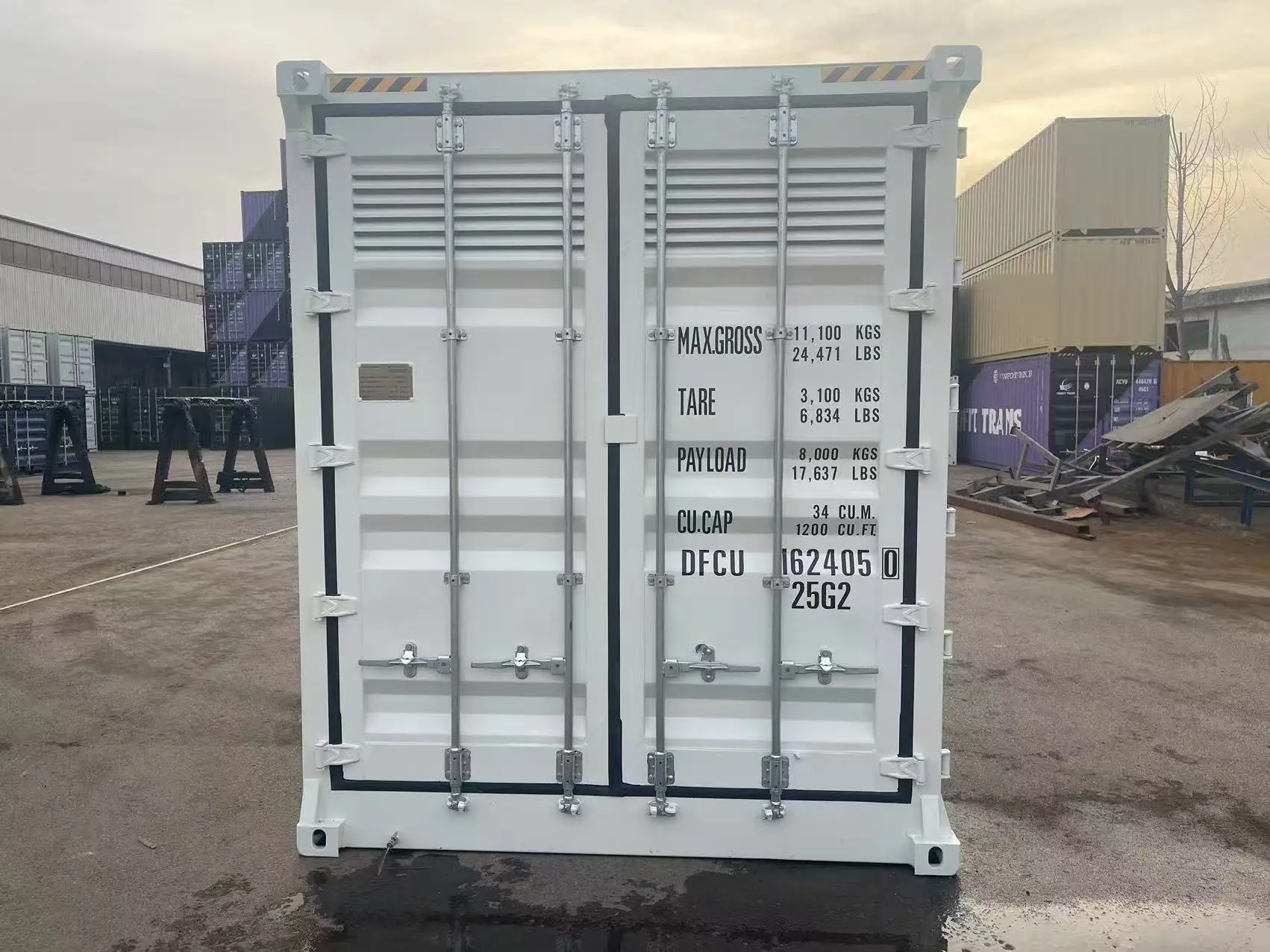
| External Dimension (MM) | 6058 × 2438 × 2896 |
| Internal Dimension (MM) | 5800 × 2350 × 2686 |
| Tare Weight | 3,200 kg |
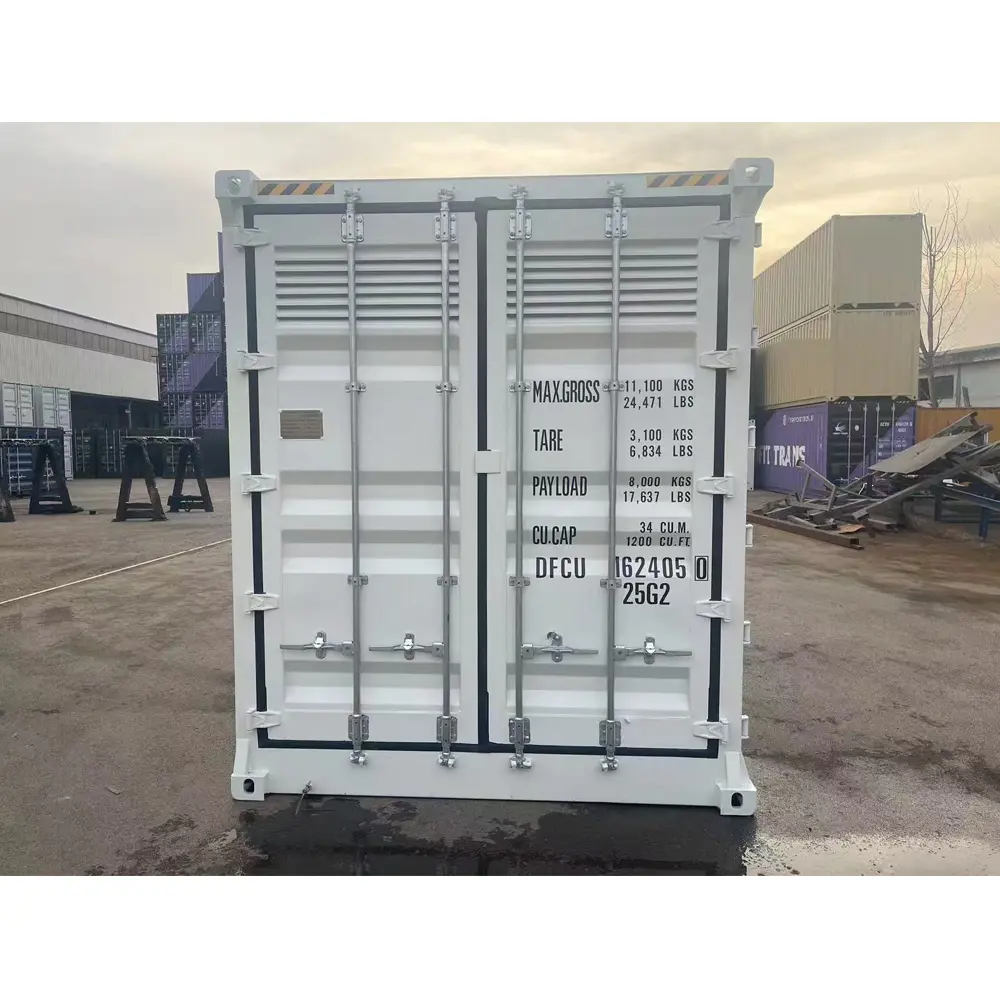
| Max Gross Weight | 11,100 kg |
| Max Payload | 8,000 kg |
| Cubic Capacity (Cu.Cap) | 34 cu.m |
| Structural Material | SPA-H Weathering Steel |
Key Advantages
Frequently Asked Questions (FAQ)
The containers are manufactured using high-strength SPA-H atmospheric corrosion-resistant steel. This provides exceptional structural rigidity, superior shock resistance, and longevity under harsh transport environments.
Containers engineered for liquid chemicals include specialized sealing on all bottom and side wall joints, alongside integrated containment reservoirs beneath durable grid flooring to safely capture and contain incidental spills.
Standard configurations feature blast-resistant explosion-proof hardware, natural ventilation louvers, automated safety pressure valves, gas leak detectors, and built-in fire suppression equipment to mitigate emergencies immediately.
This unit provides a maximum payload capacity of 8,000 kg with a maximum gross operational weight of 11,100 kg, offering 34 cubic meters of usable interior storage volume.
The exterior panels are clearly marked with mandatory international standardized hazard placards, handling warning symbols, and identification labels to ensure fast cargo classification and compliant multimodal transfer.