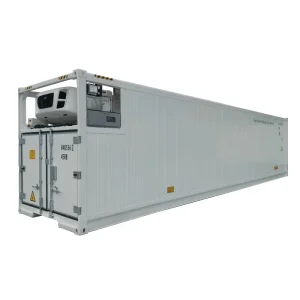
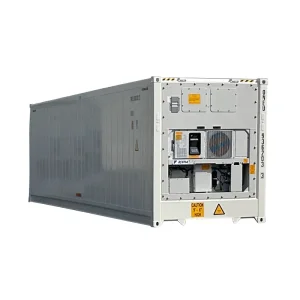
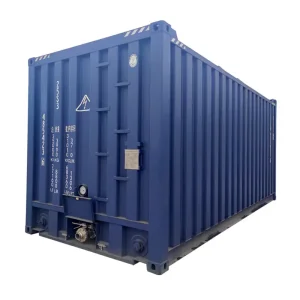
Featured Thermal & Intermodal Cargo Units
Direct-from-factory ISO certified industrial shipping containers, high-cube thermal containment systems, and custom modular solutions.
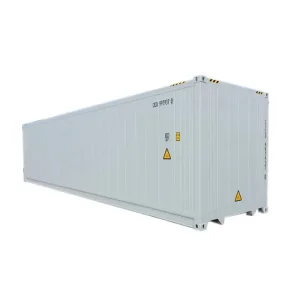
Global Thermal Logistics & Industrial Manufacturing Landscape
Evaluating macroeconomic supply chains, cold chain infrastructure expansion, and structural engineering integrity across global shipping corridors.
Global Transcontinental Corridors
Cross-border freight across the Belt and Road intermodal routes demands resilient passive and active thermal containment. Temperature fluctuations along rail networks reaching extreme sub-zero Eurasian winters necessitate advanced high-density Polyurethane (PU) insulation cores to prevent crystallization and cargo degradation.
Intermodal ResilienceThermodynamic Envelope Engineering
Factory-level thermal barrier construction integrates dual-panel Corten steel framing with non-conductive thermal break gasket profiles. Specialized foaming pressure controls eliminate interior micro-cavities, ensuring maximum thermal inertia across long-haul ocean voyages and harsh container terminal storage environments.
High Structural InertiaSupply Chain De-risking & TCO
Procuring direct from qualified manufacturers eliminates intermediary compounding costs. Total Cost of Ownership (TCO) is fundamentally driven by insulation durability, reduced energy pull for active units (Carrier, Thermo King, Daikin), and long structural lifecycle compliance under CSC conventions.
Optimized CAPEX/OPEXComparative Technical Architecture & Performance Standards
Engineering matrix detailing core physical properties, thermal insulation densities, structural payload tolerances, and targeted deployment profiles.
| Container Classification | Wall Core Insulation | U-Factor Rating | Standard Dimensions (L × W × H) | Max Gross Mass | Certified Use Case |
|---|---|---|---|---|---|
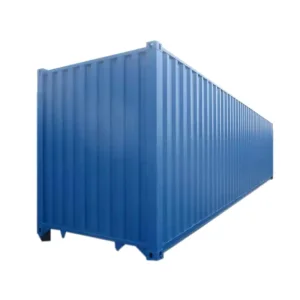
| 40ft HC Thickened Foam Insulated | Cyclopentane-blown High-Density PU (75mm) | ≤ 0.32 W/m²·K | 12.192 × 2.438 × 2.896 m | 34,000 kg | Global Transoceanic Temp-Sensitive Logistics |
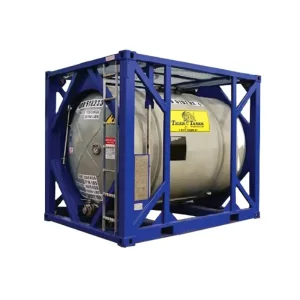
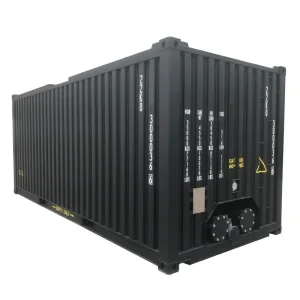
| 20ft Heated Liquid/Asphalt Tank | Rockwool + Ceramic Fiber Blanket Layering | High Heat Retention (≤ 220°C) | 6.058 × 2.438 × 2.591 m | 30,480 kg | Bitumen, Heavy Industrial Pitch & Petrochemicals |
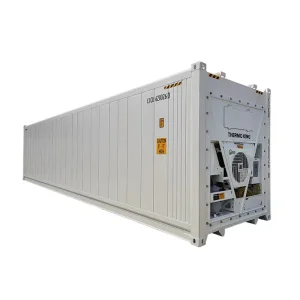
| 40ft HC Reefer (Carrier/Daikin) | Vacuum Insulated Panels (VIP) + Polyurethane | ≤ 0.28 W/m²·K | 12.192 × 2.438 × 2.896 m | 34,000 kg | Deep-Frozen Seafood, Pharmaceuticals, Perishables |
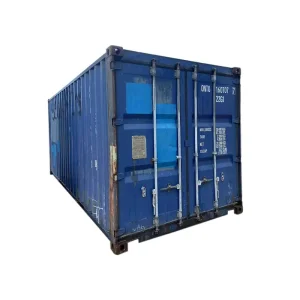
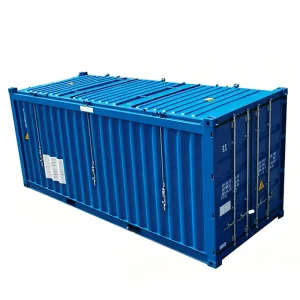
| 20ft Industrial Dry Cargo (Double Door) | Optional Thermal Liner / Standard Corrugated Corten | N/A (Standard Barrier) | 6.058 × 2.438 × 2.591 m | 30,480 kg | Dense Industrial Machinery, Raw Freight, Minerals |
| 10ft Offshore Lifting Container | Integrated Impact Core / DNV 2.7-1 Structural | Custom Composite Wall | 2.991 × 2.438 × 2.591 m | 10,000 kg | Harsh Offshore Marine Energy & Drill Rigs |
Strict Regulatory Assurance & Factory Verification
International maritime certifications, environmental manufacturing controls, and end-to-end documentation handling for frictionless global entry.
BV & ISO Certification
Full Bureau Veritas classification compliance guaranteeing rigorous hydrostatic, load-bearing, wall deflection, and airtightness validation on all serial production runs.
CSC Safety Approval
Every newly fabricated container is fitted with a valid International Convention for Safe Containers (CSC) plate, allowing immediate intermodal interchange across rail and shipping lines.
DNV 2.7-1 Offshore Standard
Special offshore tank and dry units are built to DNV GL standards, designed for harsh dynamic lifting operations and corrosive open-sea platform operations.
Port Logistics Optimization
Strategically situated in Tianjin and Suzhou, factories are located within 100 km of deep-water terminals, expediting pre-shipment surveyor inspections and reducing inland haulage costs.
Diverse Sector Deployment Matrix
From perishable agricultural export to remote modular housing and heavy infrastructure logistics, engineered containers perform under demanding localized conditions.
Fresh Meat & Cold Logistics
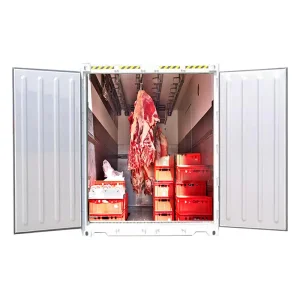
Equipped with stainless-steel interior walls, heavy-duty overhead meat hanging rails, and T-bar air distribution flooring. Designed for continuous sanitary washdowns and compliant with international food hygiene transport protocols.
Hygienic Internal FitmentsModular Prefab & Apple Cabins
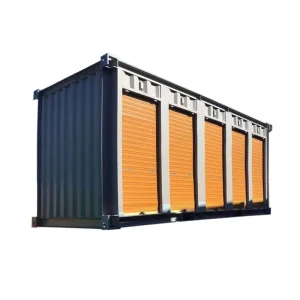
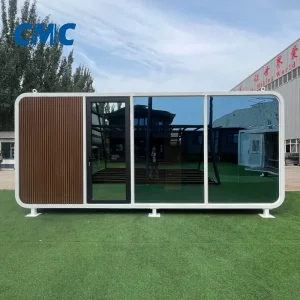
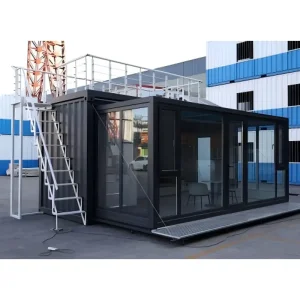
High-performance insulated wall core structures re-engineered for office pods, modular accommodation cabins, and pop-up retail. Fully insulated framing delivers energy efficiency in both arid deserts and arctic zones.
Structural AdaptabilityHeated Asphalt & Specialty Bitumen
Internal heating tubes coupled with high-efficiency thermal insulation blankets allow asphalt, bitumen, and viscous oils to remain fluid or be reheated smoothly at destination unloading facilities without product degradation.
Direct Heat PreservationEngineering Roadmap: Smart Cold Chain & Eco Materials
Continuous technical breakthroughs driving thermal efficiency, real-time IoT monitoring, and net-zero container fabrication standards.
Aerogel & VIP Integration
Integrating next-generation vacuum insulation panels into container wall envelopes, cutting wall thickness by 30% while retaining equivalent thermal barrier metrics.
Satellite IoT Telematics
Autonomous solar-powered sensors integrated directly into the container subframe providing continuous temperature, humidity, door-opening, and shock tracking worldwide.
Bio-Polyurethane Cores
Transitioning to zero-ODP, ultra-low GWP bio-derived blowing agents and plant-based polyols to meet emerging European carbon footprint import standards.
Automated Robotic Welding
Fully automated plasma cut and robotic seam welding lines ensuring precision dimensional tolerances, zero cold-bridging, and structural weld consistency.
Frequently Asked Technical & Procurement Questions
Clarifying factory capacities, minimum order quantities (MOQs), quoting mechanisms, and engineering customization parameters.
Q: What factors most significantly influence custom insulated container quotes?
Quotes are determined by steel grade (typically Corten-A / SPA-H), insulation foam thickness and blowing agent type, inclusion of active cooling systems (e.g., Daikin, Carrier, Thermo King), internal stainless steel floor/wall finishes, and total batch volume.
Q: What is the standard production lead time for OEM/ODM container orders?
Standard customized orders typically take 3 to 5 weeks from technical drawing sign-off to factory gate dispatch. Pre-stocked components and established assembly lines at our Tianjin and Suzhou plants ensure high turnaround reliability.
Q: How do you verify thermal barrier integrity prior to international export?
Every insulated unit undergoes factory thermal leakage testing, infrared thermography inspection for cold bridge detection, and pressure decay air-tightness verification under BV-approved quality procedures.
Q: Can containers be shipped as 'One-Way' (Shipper Owned Container - SOC)?
Yes. Every container is delivered with an active CSC plate and CSC safety certificate, enabling overseas buyers to load their own export cargo for one-way transport directly from Chinese ports without demurrage or rental penalties.
Engineered Containers & Specialty Logistics Fleet
Explore our full line of refrigerated reefers, offshore tank units, railway containers, and modular platforms available for global delivery.