Buy New 40ft High Cube Thickened Foam Insulation Container Factory, Exporters

Insulated containers keep the temperature of items stable during transportation or storage and have strong thermal insulation properties.

Product Description

Product Introduction
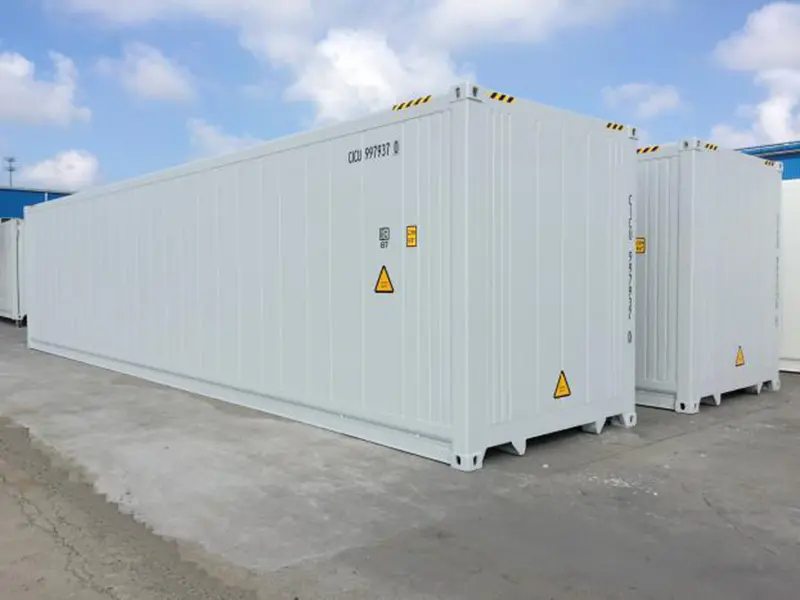
The outer shell of the insulated box is generally made of high-strength, impact-resistant materials such as plastic and metal to provide good protection and support. Common plastic shells have the advantages of light weight and corrosion resistance, while metal shells are more sturdy and durable. The insulation layer is the core part of the insulated box and is usually filled with insulation materials. Common insulation materials include polystyrene foam (EPS), polyurethane foam (PU), perlite, etc. These materials have low thermal conductivity and can effectively reduce heat transfer, thereby achieving the effect of insulation. The inner liner of the insulated container is generally made of food-grade plastic or stainless steel, which has good hygiene and corrosion resistance and can directly contact food or other items that need to be insulated.
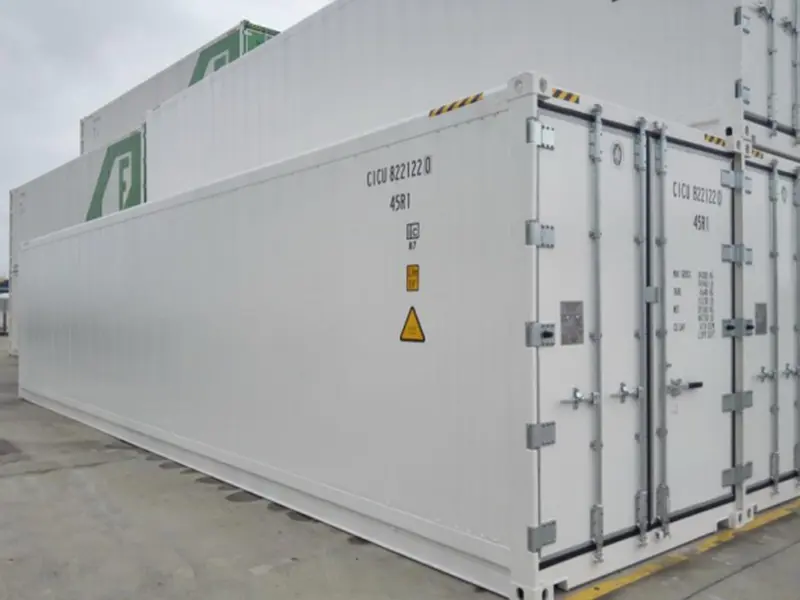
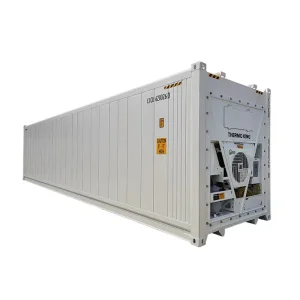
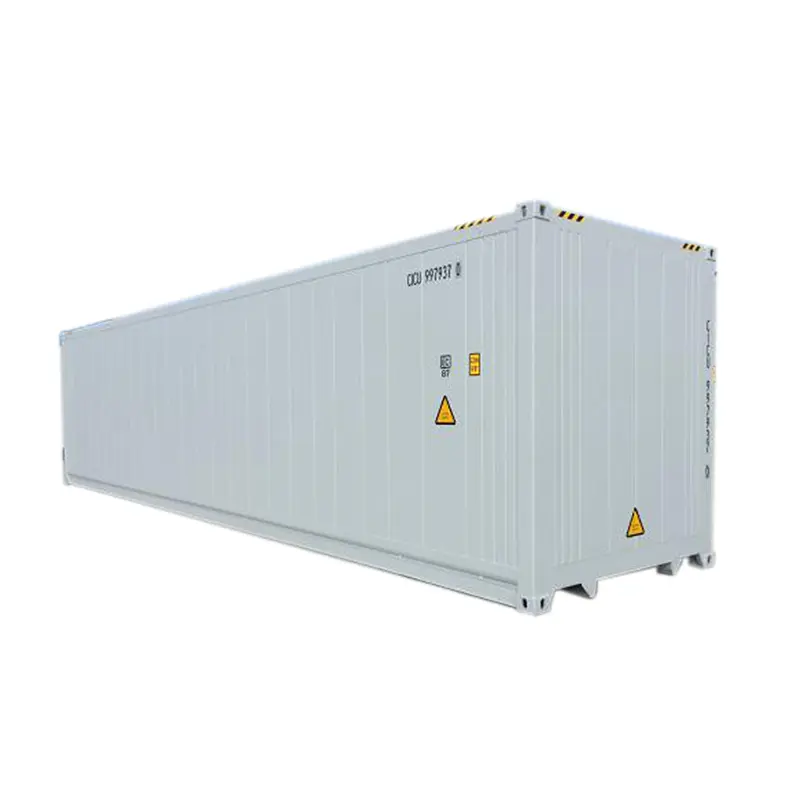
Insulation container side view
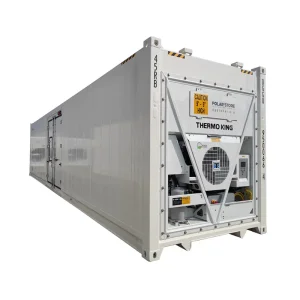
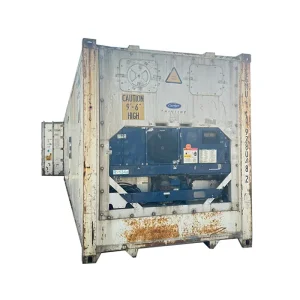
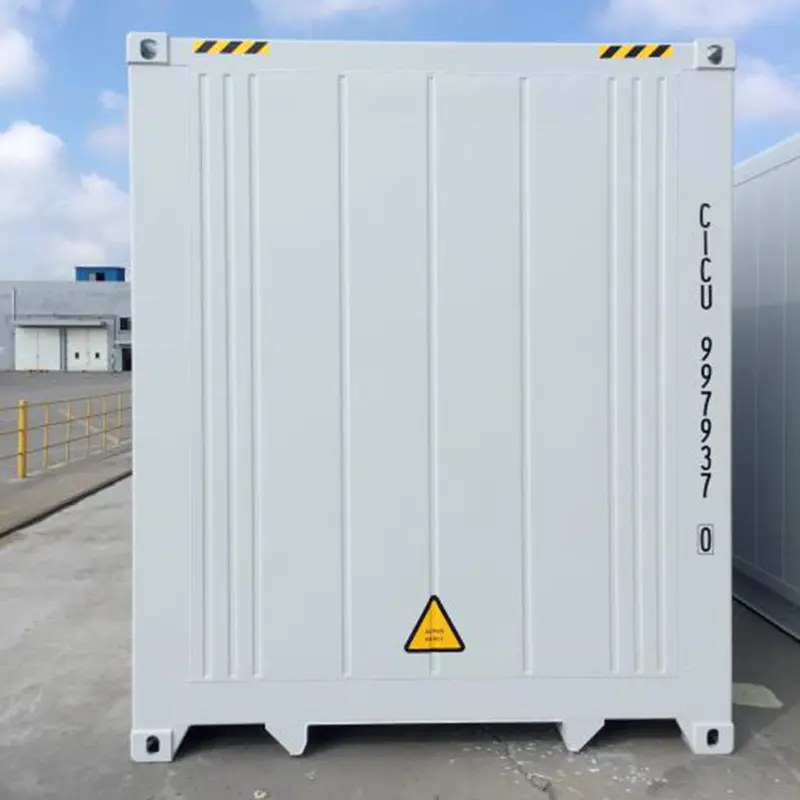
Insulated container external structure
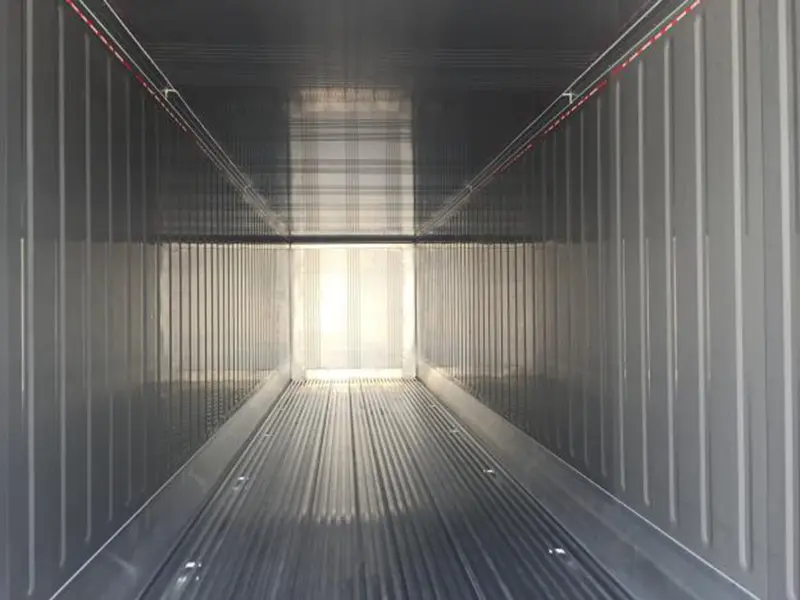
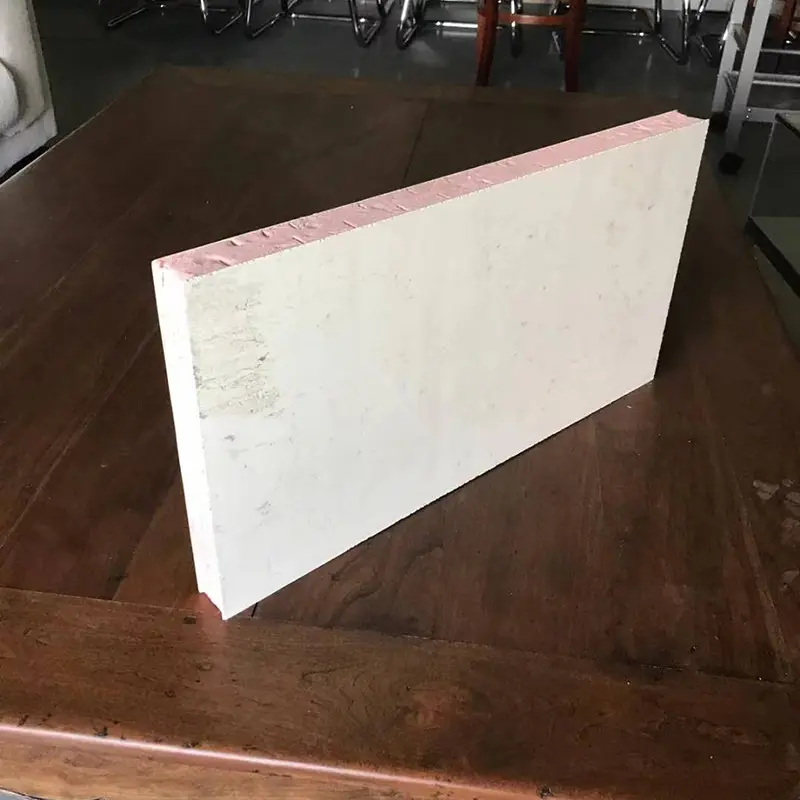
Insulated container interior liner

Product Specification

External Dimension (MM) 12192 * 2438 * 2591
Internal Dimension (MM) 12032 * 2352 * 2385
Door Opening (Width) 2340 mm
Door Opening (Height) 2280 mm
Maximum Gross Weight 30480 kg
Maximum Payload 28280 kg
Tare Weight (±2%) 3800 kg

Advantages

Stable Constant Temperature

Through stable temperature and good thermal insulation performance, the insulated container minimizes the impact of external temperature changes on cargo. It effectively prevents goods from deteriorating, rotting, or suffering damage from fluctuations during transit, safeguarding cargo quality and reducing loss rates.

Cost-Effective Solution

When cargo requires uniform temperature retention without active mechanical cooling, an insulated container offers higher cost efficiency. It delivers a lower capital and operating expenditure compared to refrigerated containers while maximizing usable cargo space.

High-Integrity Sealing

To maintain internal thermal conditions and eliminate thermal exchange, precise engineering is applied to the door sealing mechanism, ensuring tight insulation retention and safeguarding product integrity.
Frequently Asked Questions (FAQ)

Q: What is the difference between an insulated container and a refrigerated container?
Refrigerated containers actively adjust and control temperature using mechanical cooling equipment, whereas insulated containers provide passive thermal protection—maintaining existing temperatures by keeping warm items warm and cold items cold.
Q: What is the insulation principle of the insulated container?
The container functions via a specialized thermal envelope structure. The walls, ceiling, and floor are filled with low-thermal-conductivity materials, such as polyurethane foam, to minimize heat transfer.
Q: Which goods are suitable for transport in insulated containers?
It is designed for items requiring constant-temperature transport without mechanical reefer units, including fresh produce like vegetables, fruits, flowers, and temperature-sensitive goods.
Q: What materials are used for the shell and inner lining?
The external shell is built using high-strength plastic or sturdy metal for impact protection. The interior liner is made from food-grade plastic or stainless steel to ensure hygiene and direct food contact safety.
Q: Which insulation materials are commonly filled inside the walls?
Common insulation layer materials include polystyrene foam (EPS), polyurethane foam (PU), and perlite, which feature low thermal conductivity to substantially impede external thermal transfer.
Q: What are the payload and tare weight capacities of this container?
The container has a Maximum Gross Weight of 30,480 kg, a Maximum Payload capacity of 28,280 kg, and a Tare Weight of approximately 3,800 kg (±2%).

Related Products