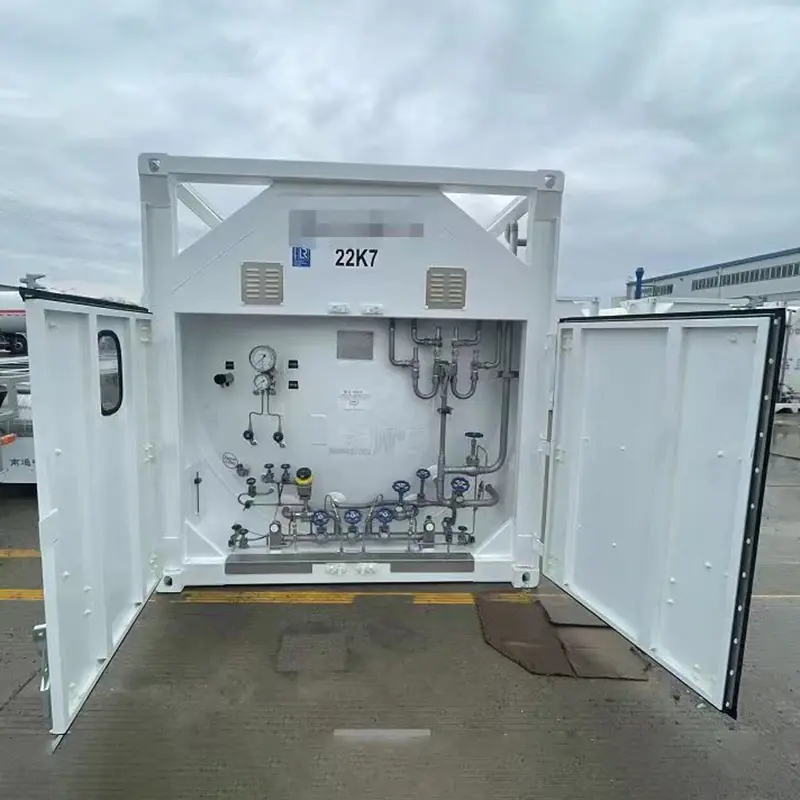
Famous T75 20ft Cryogenic Liquid Tank Container Products, Exporters
Product Description
Product Introduction
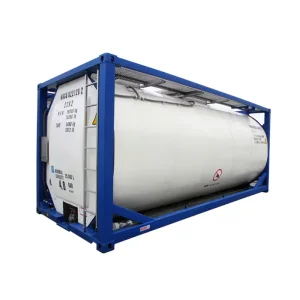
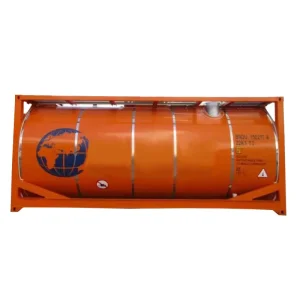
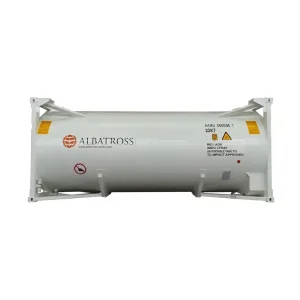
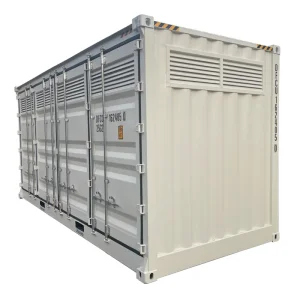
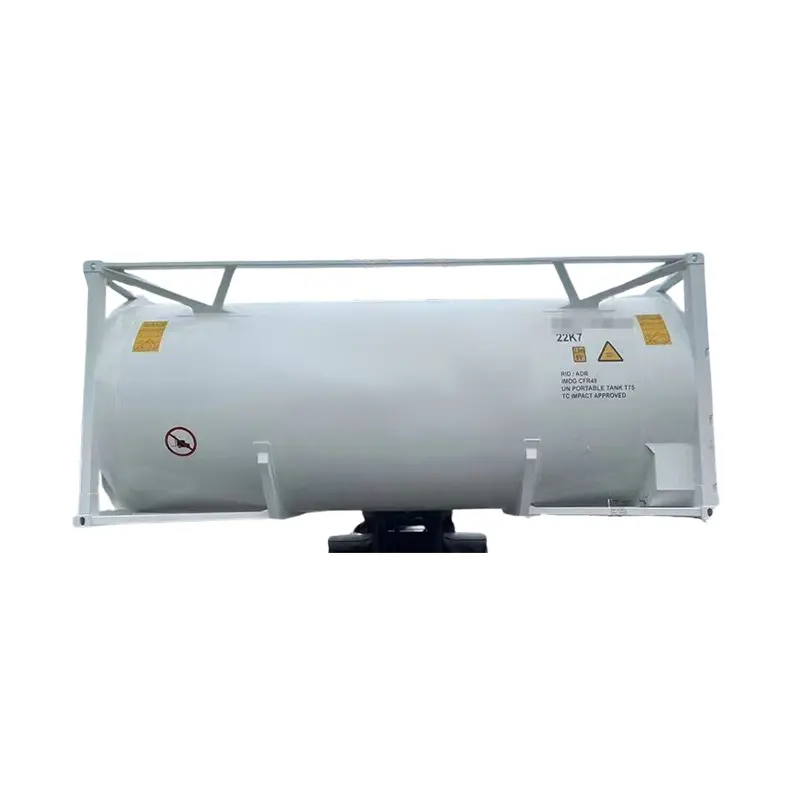
The T75 tank container is a professional equipment engineered to transport specialized media such as cryogenic liquefied gases. Built for endurance and high integrity, the inner tank is typically fabricated from premium stainless steel (such as 304 stainless steel), delivering high corrosion resistance suited for diverse cryogenic payloads. The outer shell is predominantly built from structural carbon steel, optimizing tensile durability while managing overall operational weight and cost.
High-vacuum multi-layer insulation technology creates a narrow-gap vacuum insulation space between the inner vessel and the outer jacket. This structure is wrapped with a multi-layer insulation reflective screen and incorporates both low-temperature and ambient-temperature adsorbents to significantly restrict heat ingress, ensure stable liquid temperatures, and minimize boil-off/gasification rates. Transportable liquefied gases include: liquid oxygen (LOX), liquid nitrogen (LIN), liquid argon (LAR), liquefied natural gas (LNG), ethylene, liquid helium, and related cryogenic media.
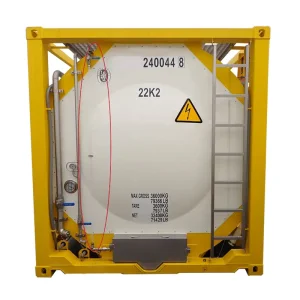
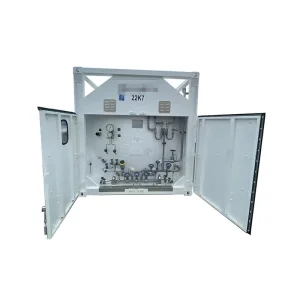
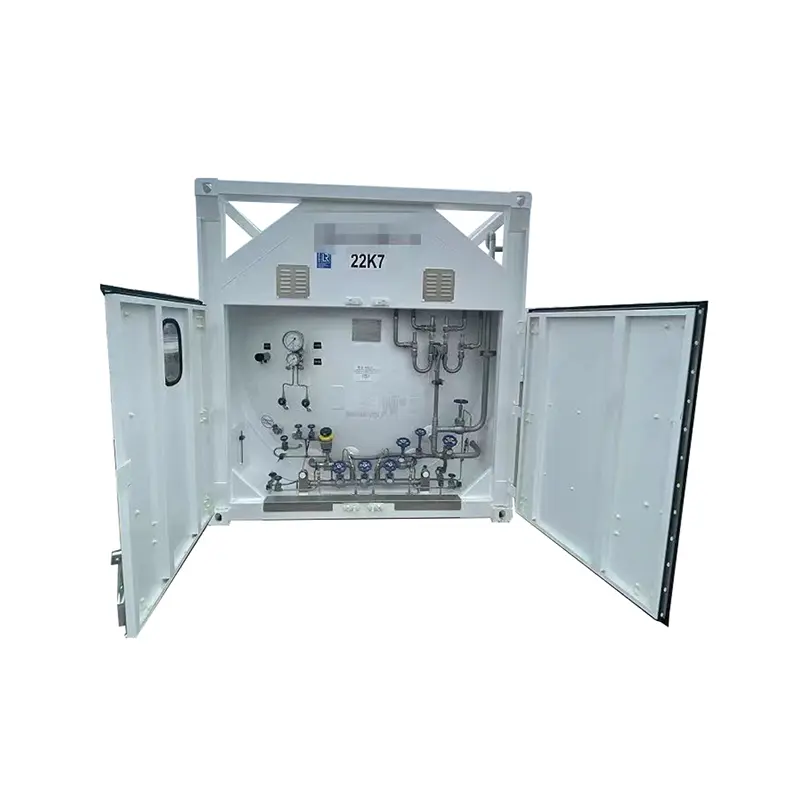
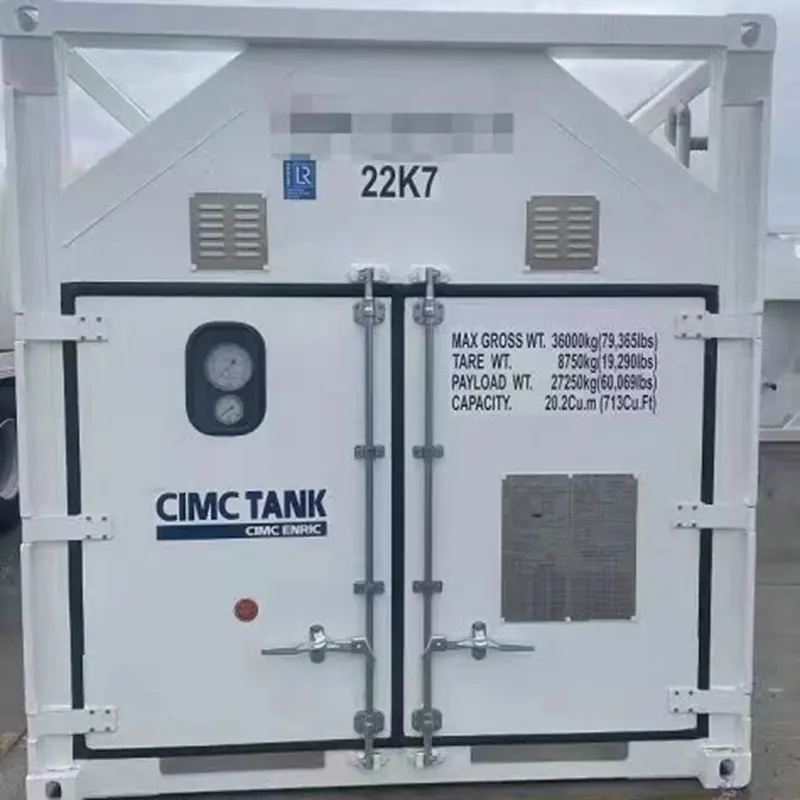
Safety is critical: each T75 unit incorporates safety relief valves, high-precision pressure gauges, inner tank bursting discs, liquid level indicators, and emergency shut-off mechanisms. Production complies fully with international ISO standards and holds certifications from major classification societies, providing validated safety and structural stability for marine intermodal freight and overland transit.
Product Specification
| External Dimension (mm) | 6058 × 2438 × 2591 |
| Maximum Allowable Working Pressure (MAWP) | 2.4 MPa |
| Tare Mass | 8,450 kg |
| Maximum Permissible Gross Mass (MPGM) | 36,000 kg |
Key Advantages
Engineered with a stainless steel inner vessel, a high-vacuum multi-layer thermal shield, and an outer protective shell. This arrangement curbs ambient thermal bridging, preserves cryogenic temperatures over prolonged transit, and minimizes boil-off loss for sensitive liquefied cargo such as liquid oxygen and nitrogen.
Precision hermetic sealing, smooth internal vessel finishes, and inert material compatibility prevent external contamination or ingress. This ensures high chemical purity from origin to discharge, catering to stringent industrial manufacturing and scientific analytical requirements.
The integration of the inner pressure vessel with the structural framework utilizes robust end arc plates and heavy-duty bottom longitudinal beams. This design withstands severe dynamic loads, corner stress, and vibration during multimodal sea, rail, and road operations.
Frequently Asked Questions (FAQ)
They are primarily utilized for cryogenic liquefied gases, including liquid oxygen (LOX), liquid nitrogen (LIN), liquid argon (LAR), liquefied carbon dioxide (LCO2), liquefied natural gas (LNG), ethylene, and liquid helium.
The container is outfitted with multi-redundant safety devices including primary safety relief valves, dual pressure gauges, inner tank bursting discs, liquid level indicators, emergency shut-off valves, cryogenic control valves, and sampling/analytical ports.
The operational design temperature rating typically covers an extreme cryogenic spectrum from -196°C up to +50°C ambient exposure.
The cryogenic inner vessel is built with high-grade stainless steel (such as 304 grade) for high corrosion resistance and low-temperature toughness, while the outer structural shell is fabricated from carbon steel to deliver mechanical strength and operational value.
It utilizes a high-vacuum annular space wrapped with multiple reflective radiation barriers, combined with low-temperature and normal-temperature adsorbents to maintain long-term vacuum levels and minimize product boil-off.
The containers are manufactured in conformity with ISO standards and are fully certified by established marine classification societies for international intermodal transportation via road, rail, and sea.