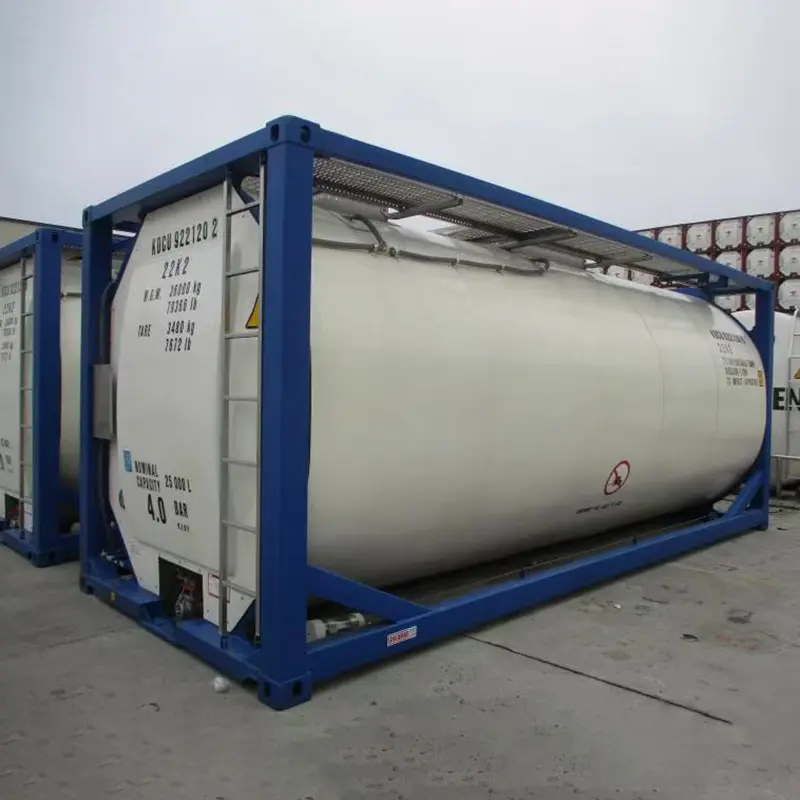
Buy ISO Standard 20ft Versatile Tank Container for Transport Chemicals Exporter, Product
Product Description
Product Introduction
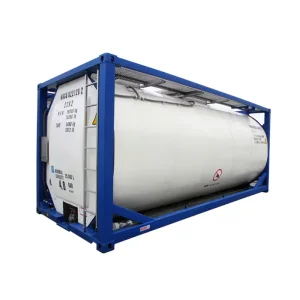
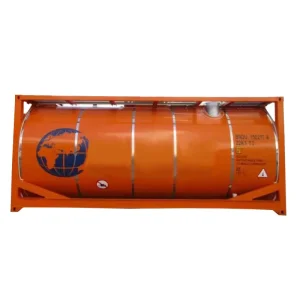
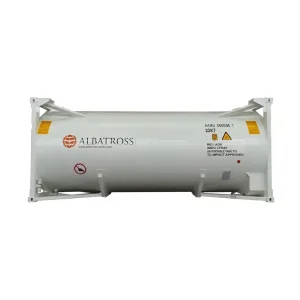
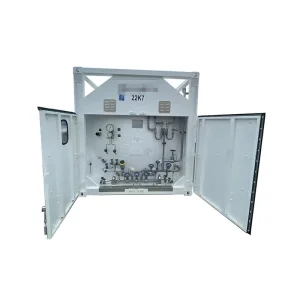
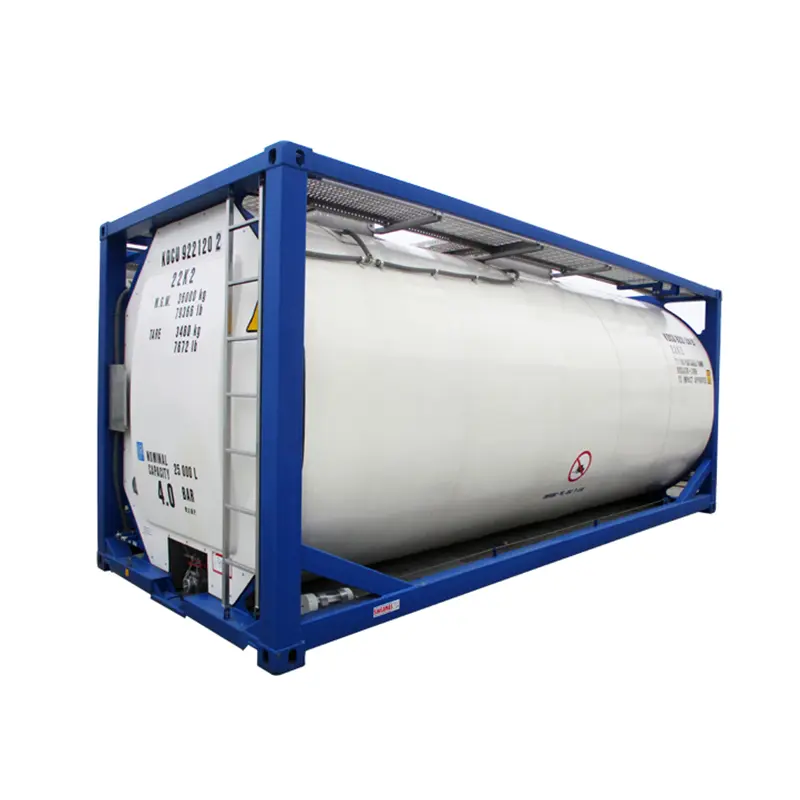
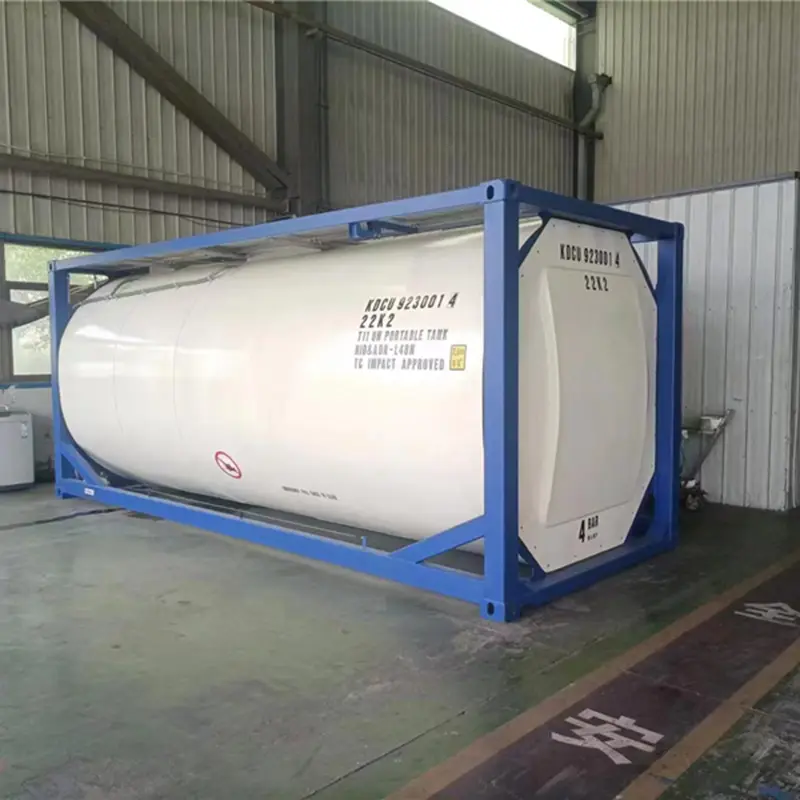
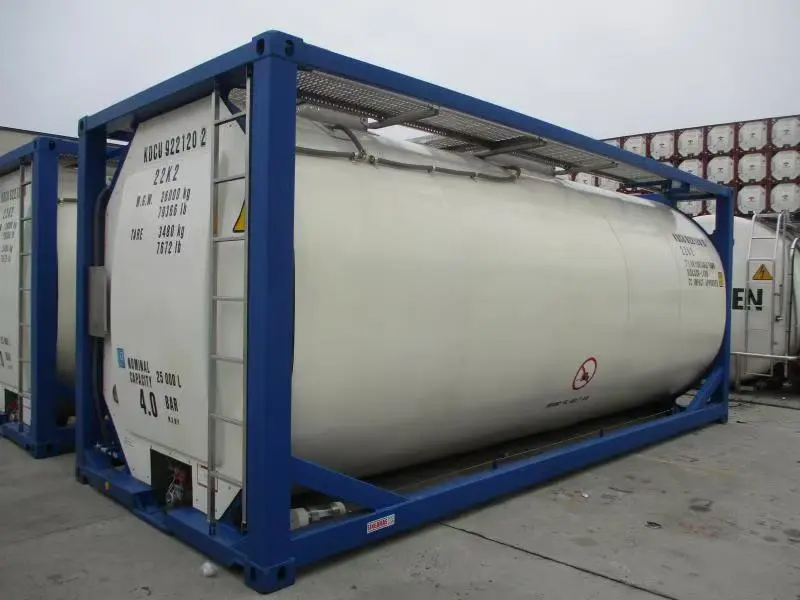
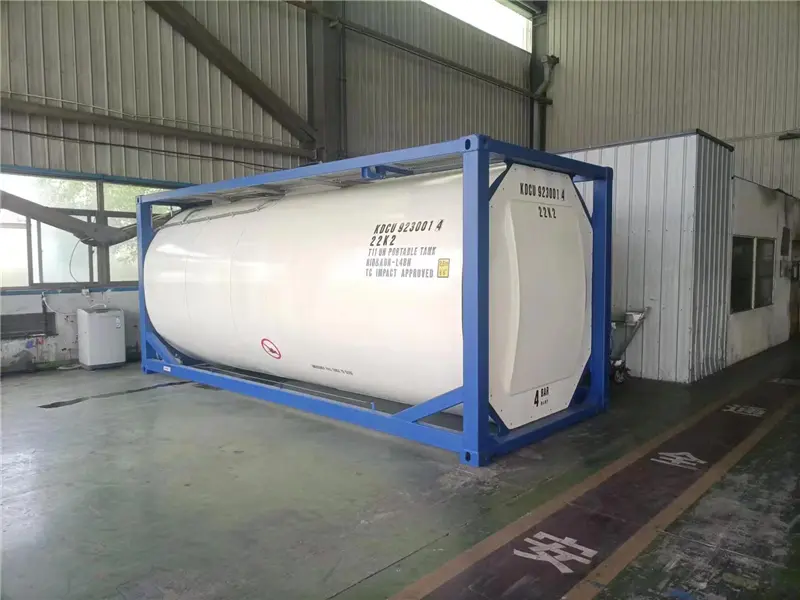
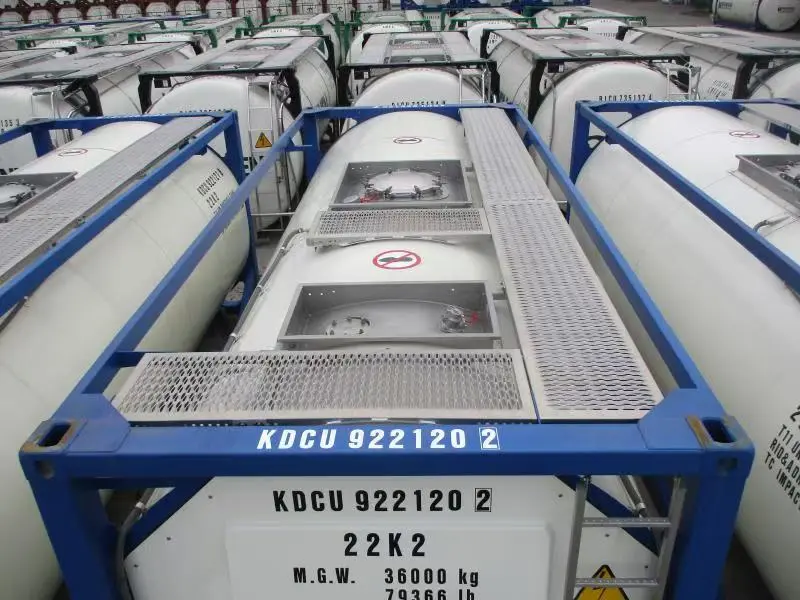
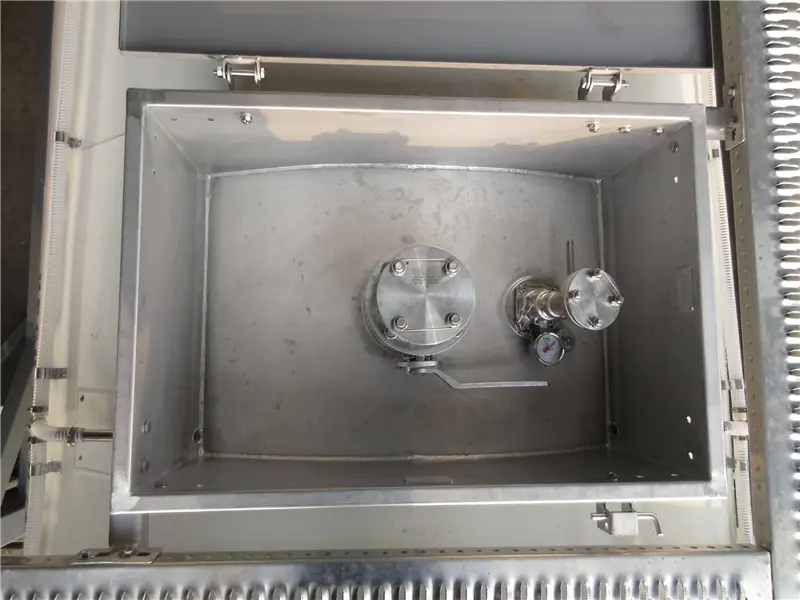
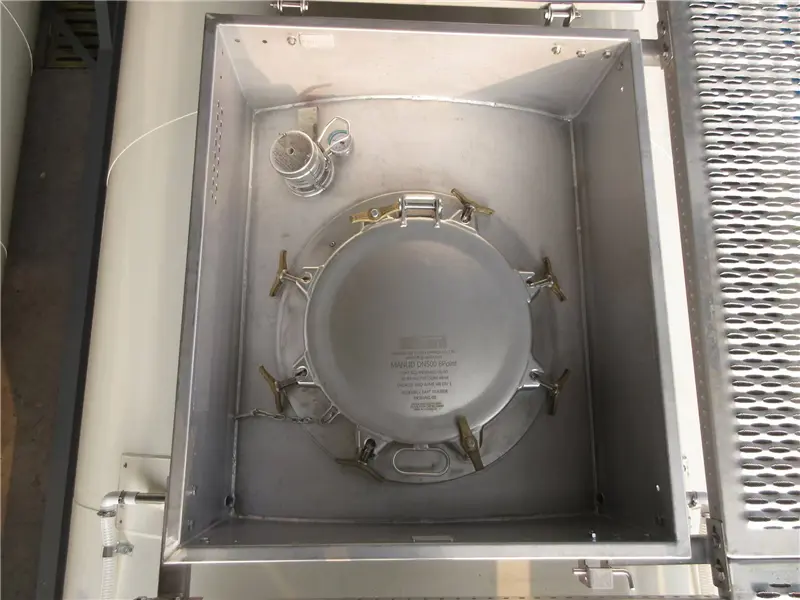
The tank body of a tank container is the core component, and its shape is usually cylindrical, which can better withstand internal pressure. The wall thickness of the tank body is determined by the pressure requirements of the transported goods and the strength characteristics of the tank material. For example, the wall thickness of a tank container transporting high-pressure gas is thicker than that of a tank container transporting low-pressure liquid.
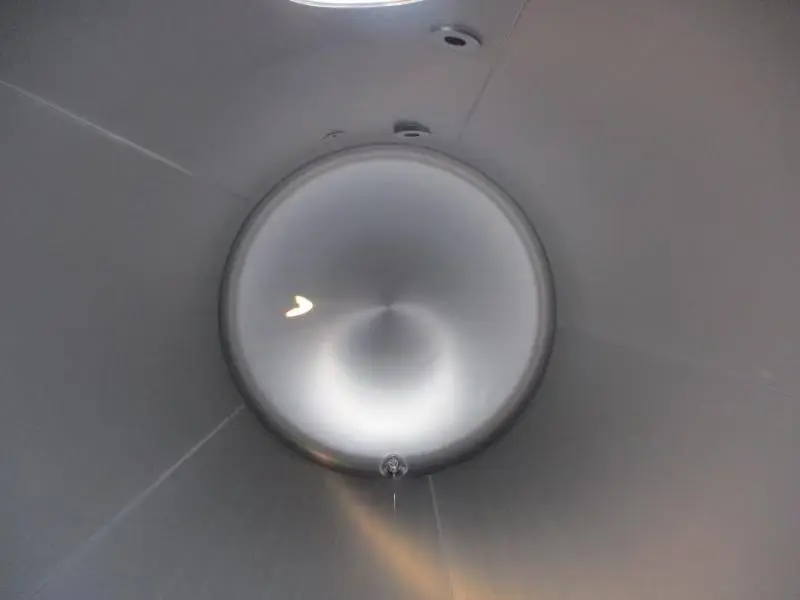
The inside of the tank body is generally coated with an anti-corrosion coating to prevent the cargo from corroding the tank body. For tank containers transporting food-grade liquids, the anti-corrosion coating must also meet food safety standards.
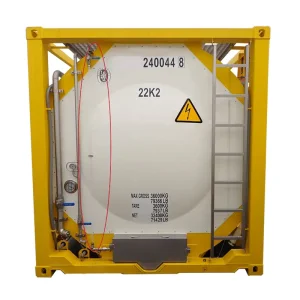
The frame structure is used to support and protect the tank body and is generally made of high-strength steel. The corner fittings of the frame have the same specifications as those of ordinary containers, so that container handling equipment can be used for loading, unloading, and stacking operations.
Various fixing devices are provided on the frame to fix the tank body during transportation to prevent the tank body from shaking. At the same time, the frame also takes into account the lashing requirements during sea transportation to ensure the stability of the container on the ship.
Product Specification
| External Dimension (MM) | 6058*2438*2591 |
| Effective Volume (M³) | 18-24m³ |
| Maximum Gross Weight | 34000kg / 74960lbs |
Advantages
Good sealing: The tank container uses professional sealing design and materials between the tank body and the frame to ensure that liquid or gas will not leak during transportation, reducing the risk of cargo leakage causing harm to the environment and personnel. For example, when transporting hazardous chemicals, it can effectively prevent their leakage and spread.
Good intermodal compatibility: Its external frame size is similar to that of ordinary dry cargo containers, and it can be easily converted between different modes of transportation such as roads, railways, and ships, realizing seamless intermodal transportation, greatly improving transportation efficiency, and reducing the time and cost of loading and unloading and transshipping of goods between different means of transportation.