China 20 Foot ISO Liquid Tank Container for Water Manufacturer, Product
Product Description
Product Introduction
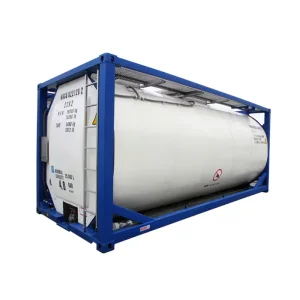
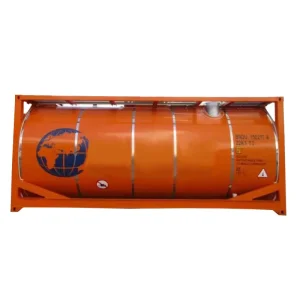
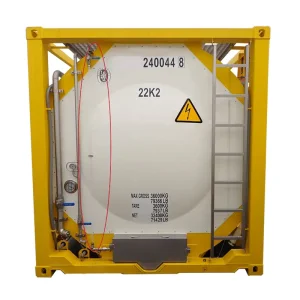
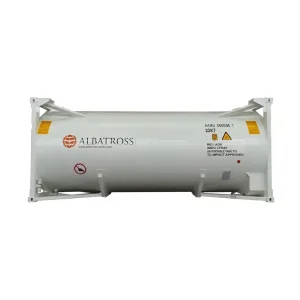
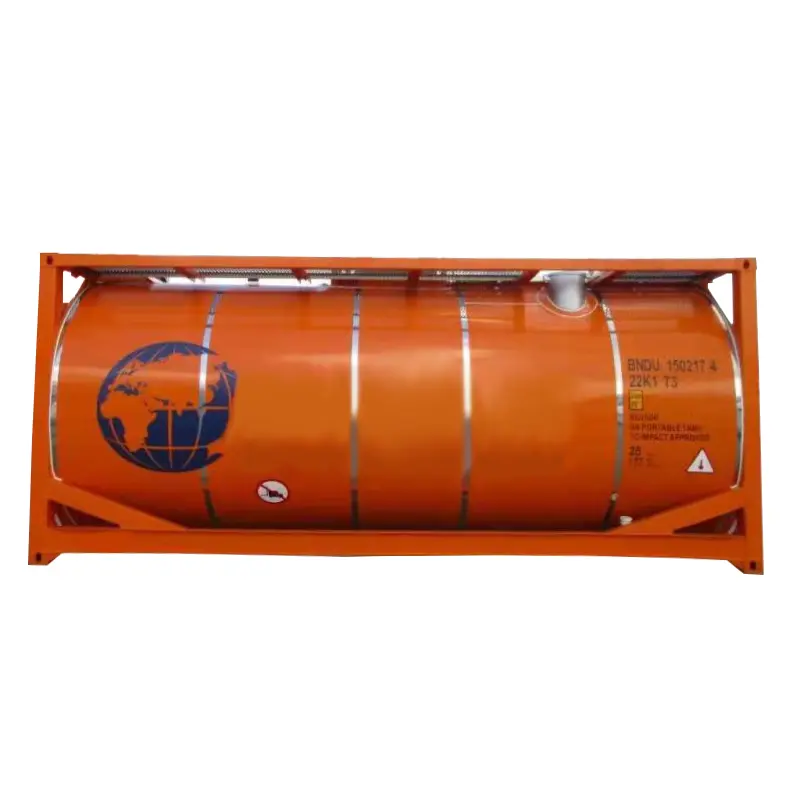
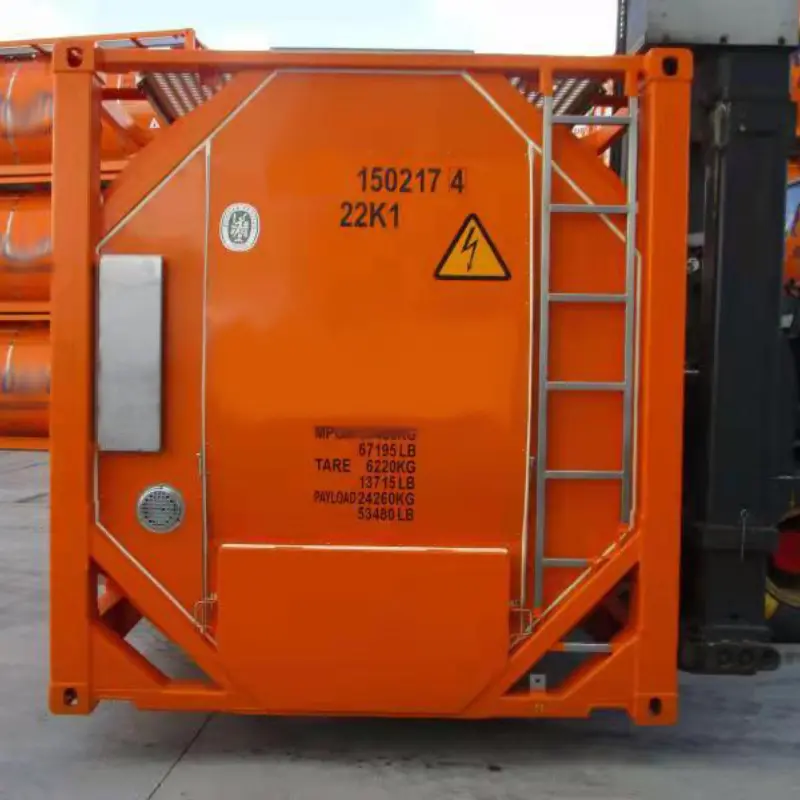
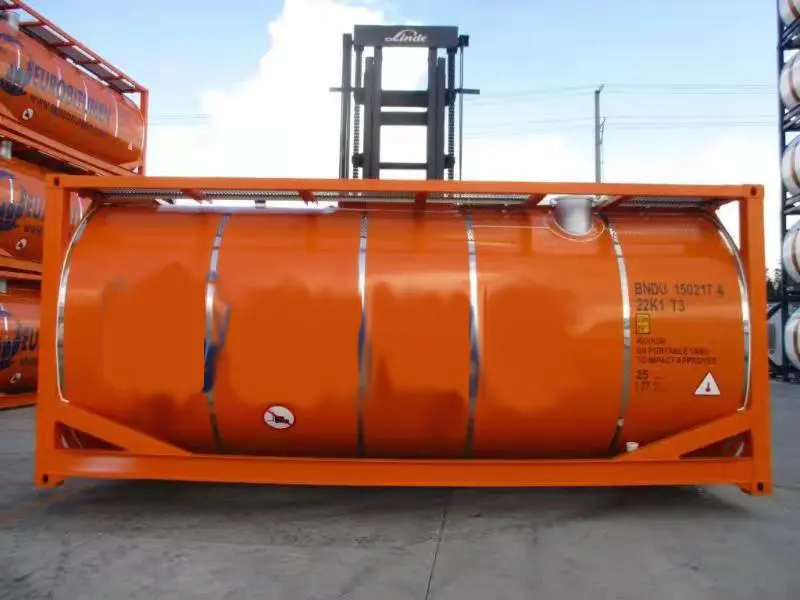
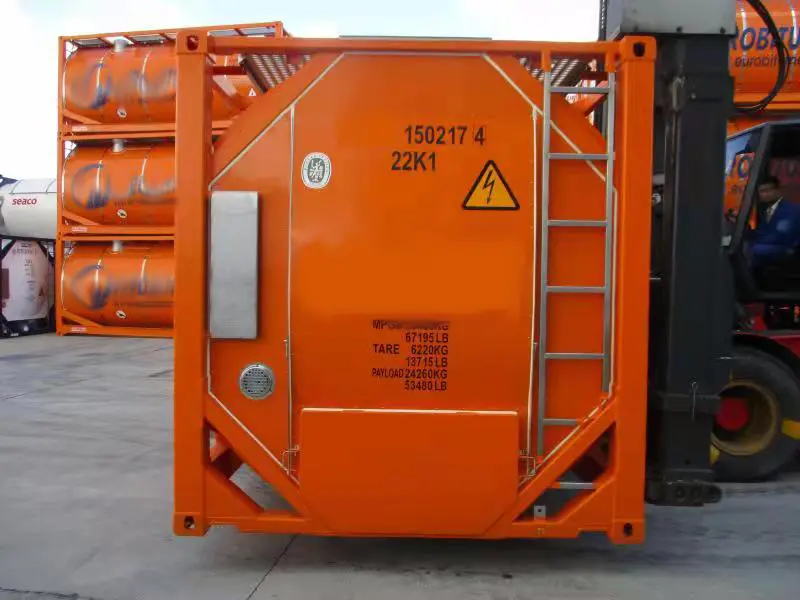
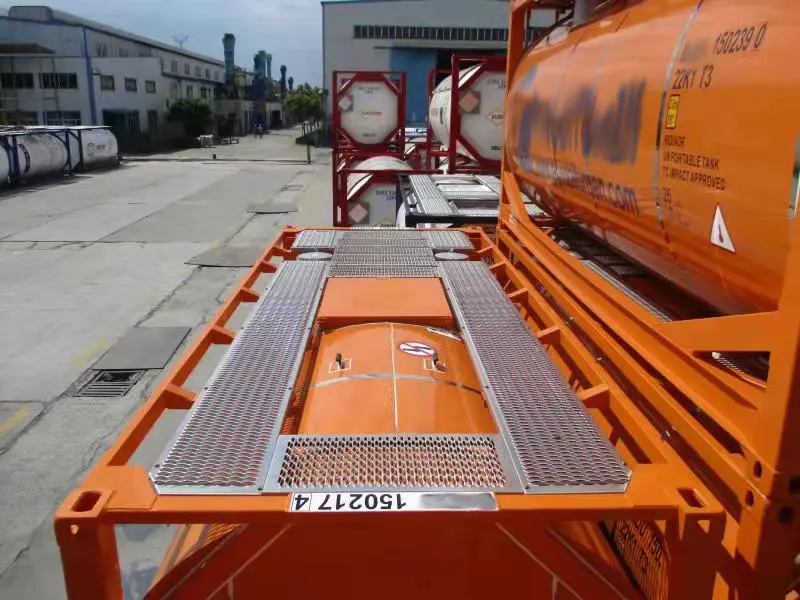
A tank container is a specialized transport vessel engineered for the safe conveyance of liquids, gases, and flowable bulk commodities such as pastes and granular substances. Integrating the storage efficiency of a high-pressure tank with standard container intermodal transport capabilities, it is extensively deployed across international supply chains and multi-modal logistics networks. The core vessel is mounted securely within an ultra-durable external structural frame, offering structural defense and optimizing rapid loading, discharge, and handling operations.
Product Specification
| External Dimension (mm) | 6058 × 2438 × 2591 |
| Tare Mass | 3450 kg (±3%) |
| Maximum Gross Weight | 36000 kg |
Key Advantages
Constructed from high-strength structural steel or specialized alloy compositions, the tank vessel is specifically developed to withstand excessive dynamic impact pressures during transport. When transporting high-pressure liquefied gases, it safely withstands operating pressures of multiple megapascals, preventing structural rupture and ensuring leakage-free containment.
Economic: With maximized payload volume, the transportation cost per unit volume of cargo is considerably lowered. Tank containers eliminate the recurring purchase and handling expenses associated with single-use disposal barrels in the chemical and transport sectors.
Environmental: The multi-trip reusable construction significantly minimizes industrial waste accumulation, eliminating single-use plastic or steel drums and mitigating environmental disposal risks.
Frequently Asked Questions (FAQ)
Selection depends on the nature of the cargo being transported—including whether it is in liquid or gaseous form, operating pressure demands, and the corrosive characteristics or chemical pH values of the medium.
Standard configurations globally encompass 10ft, 20ft, and 40ft models, with the 20ft frame dimension (6058 × 2438 × 2591 mm) serving as the predominant industry choice.
The container has an engineered tare mass of 3450 kg (±3%) and supports a maximum gross operating weight of up to 36000 kg.
They are versatile vessels built for liquids, gases, and specialized flowable bulk goods such as industrial pastes, granular media, and liquid chemicals.
The rugged, impact-resistant external frame encases the vessel securely, absorbing multimodal shipping vibrations, providing physical impact protection, and allowing standard container hoisting and stacking.
Yes. Fabricated from premium high-strength steel or dedicated alloy systems, the pressure tanks withstand pressures of multiple megapascals to provide secure containment.