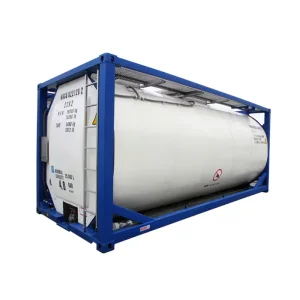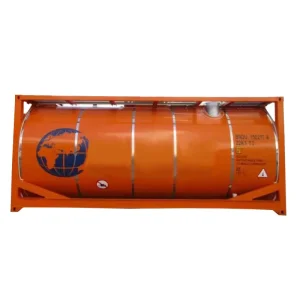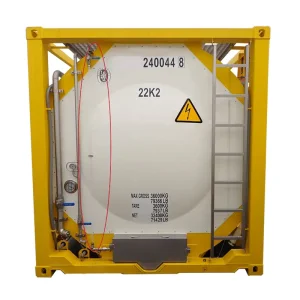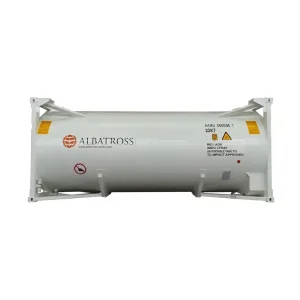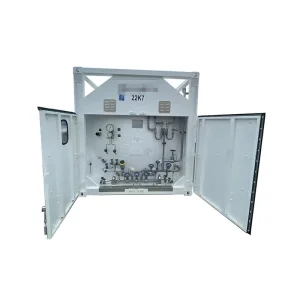
China 25000 Liters ISO 20ft Gas Tank Container for Sale Product, Factories
Product Description
Product Introduction
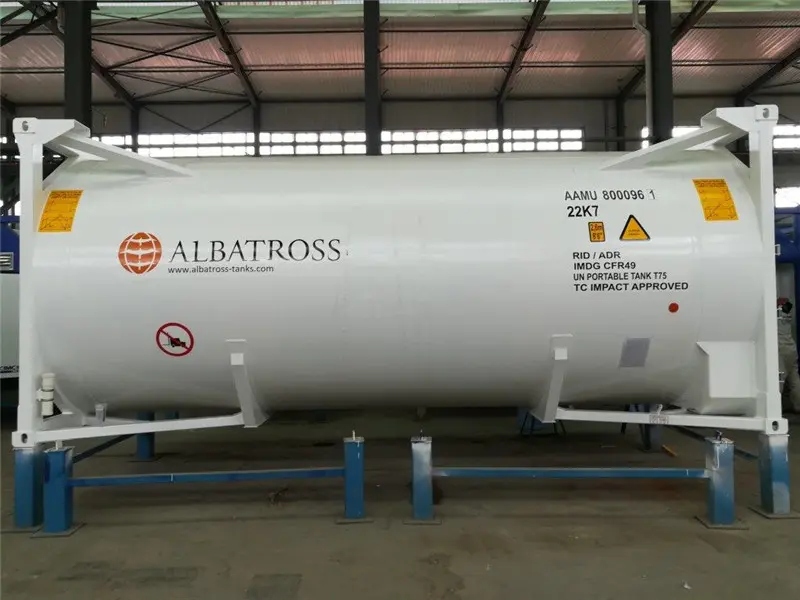
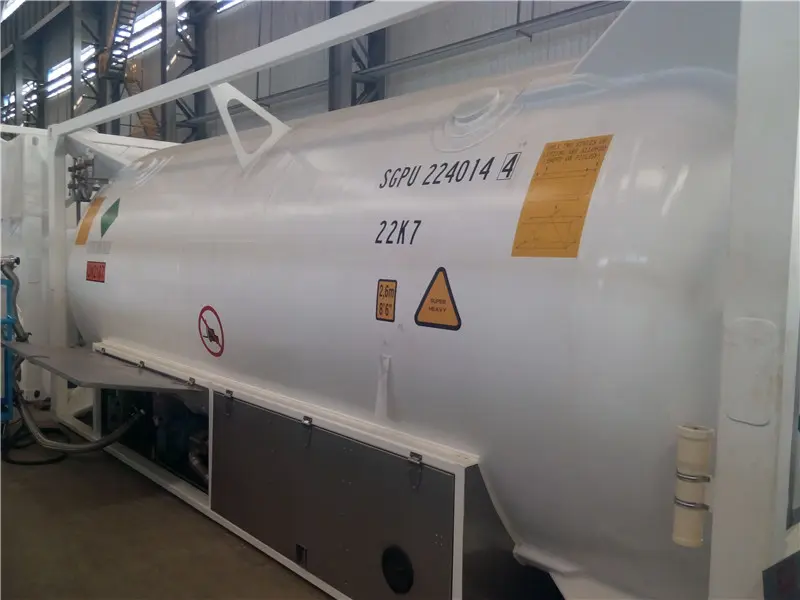
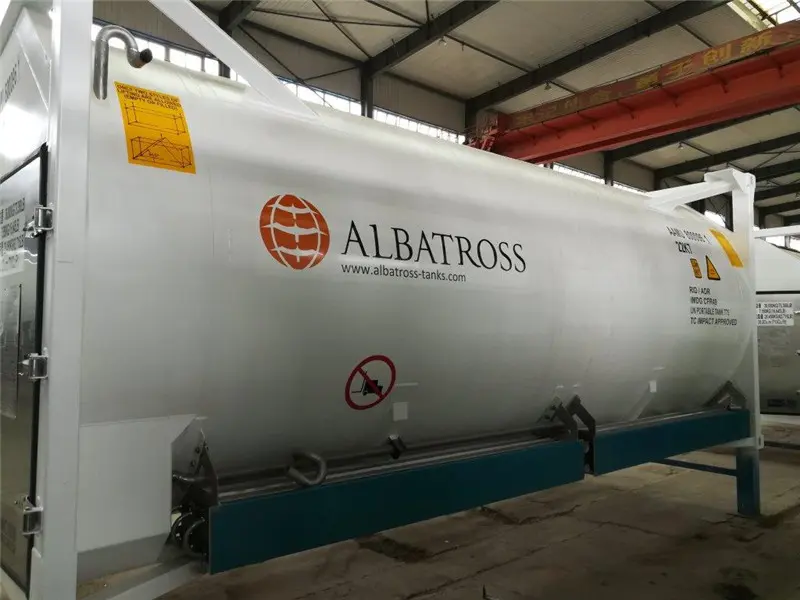
Product Specification
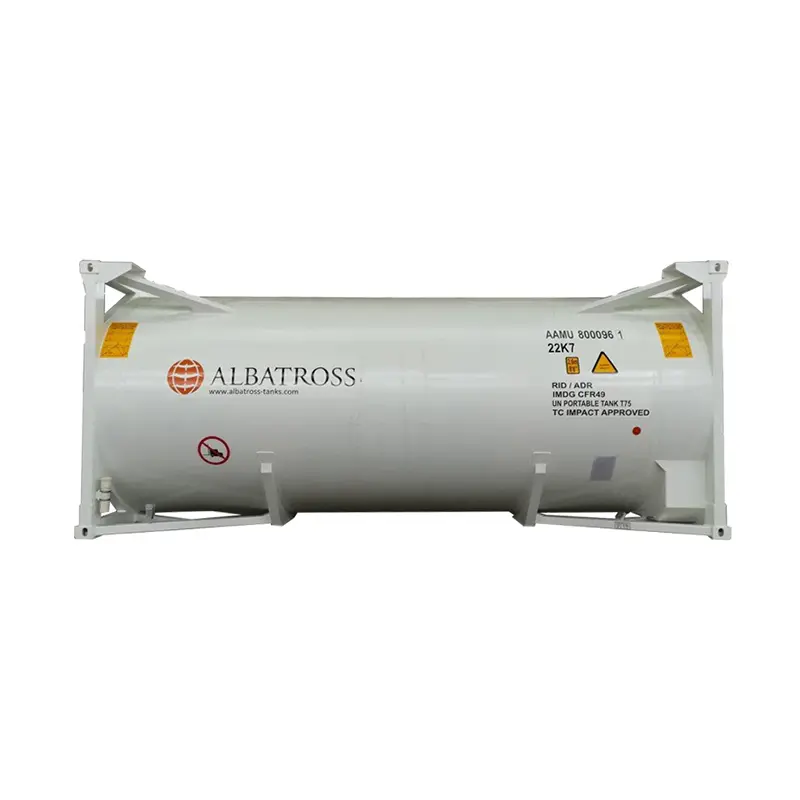
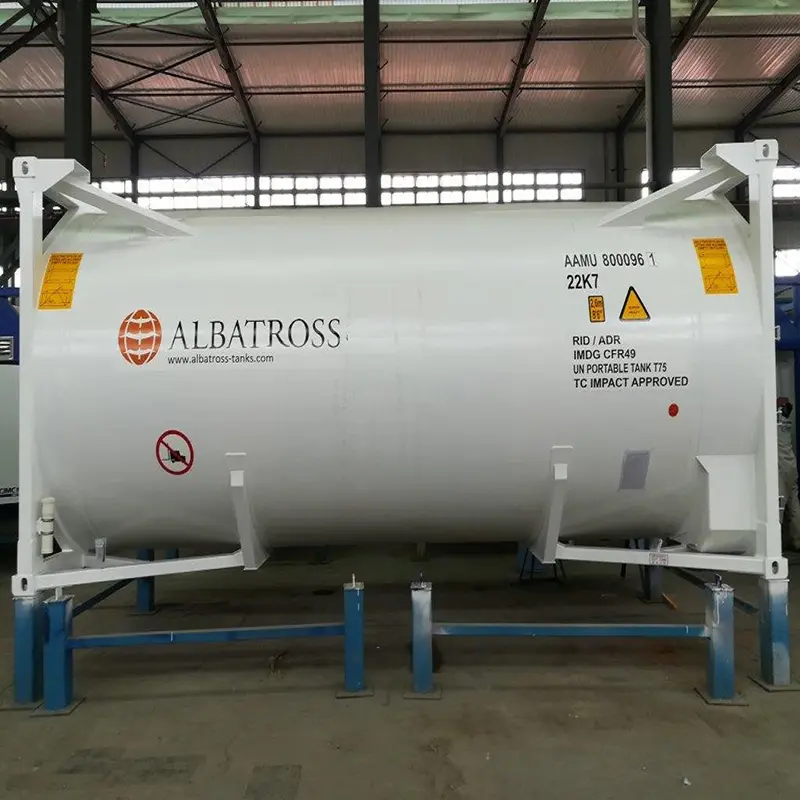
| External Dimension (MM) | 6058*2438*2591 |
| Water Capacity | 25000L |
| Maximum Gross Weight | 34000kg (74960 lbs) |
Advantages
Compared with traditional gas transportation methods such as cylinder transportation or pipeline transportation, gas tank containers have higher transportation efficiency. It can transport a large amount of gas at one time, reducing the number of transportation times and costs.
Gas tank containers can be freely converted between multiple transportation methods such as road, rail and water, realizing door-to-door transportation services. This flexibility makes the supply of gas more convenient and can meet the needs of different customers.
The design and manufacture of the tank body conform to strict international standards and specifications, and is equipped with complete safety devices, which can effectively prevent accidents such as gas leakage and explosion. At the same time, the transportation process of the tank container is strictly supervised and controlled, which further improves the safety of transportation.
The use of gas tank containers reduces the consumption of packaging materials and reduces pollution to the environment. At the same time, it can also realize the centralized supply of gas, improve energy utilization efficiency, and reduce energy waste.
Frequently Asked Questions (FAQ)
The service life of a gas tank container is affected by many factors. Generally speaking, the design service life of the tank may be around 20-30 years, but this requires good use and maintenance conditions.
It should be selected according to the type, quantity and transportation conditions of the transported gas. First, determine the properties of the gas, such as whether it is liquefied gas, flammability, explosiveness, toxicity, etc. If it is liquefied gas, it is necessary to choose a tank that can withstand the corresponding low temperature and pressure, and the tank must have good thermal insulation performance.
Gas tank containers are highly safe. The tanks are manufactured in accordance with strict international standards (such as ISO standards) and relevant national specifications, complete with safety valves, emergency shut-off devices, and pressure monitoring systems.
Standard equipment includes an automated safety relief valve to prevent overpressure explosions, an emergency shut-off mechanism to instantly stop gas flow during accidents or leaks, and accurate real-time pressure gauges to monitor tank conditions.
Gas tank containers are built to standard ISO dimensions, allowing seamless transfer across road, railway, and sea routes without discharging the internal gas, significantly optimizing transit time and handling safety.