High-Performance Modular Container Units
Pre-engineered structural modules, standardized intermodal units, and thermal-break assemblies built to rigorous ISO/CSC parameters for international development.
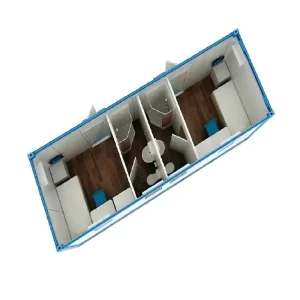
Famous 20ft 40ft Standard Size Accommodation Modular House Container
Explore Specifications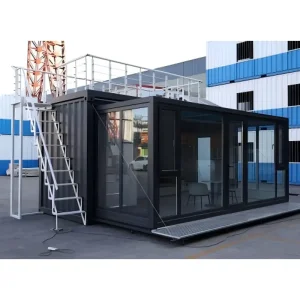
Famous 20ft Foldable Prefab Modular Homes Mobile Expandable Container House
Explore Specifications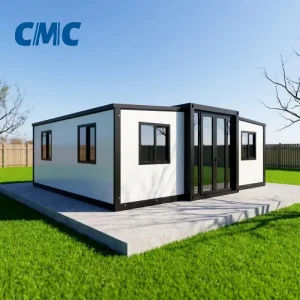
OEM 20ft Modular Container Houses Expandable Steel Container House
Explore Specifications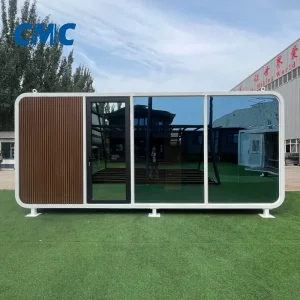
Famous 20ft Prefab Container House Flat Pack Modular House Office Pod
Explore Specifications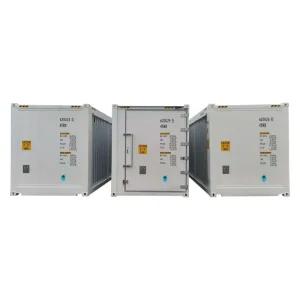
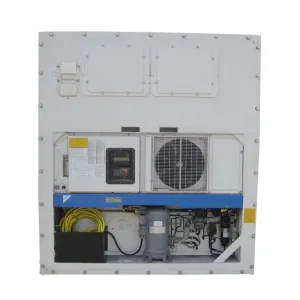
China OEM 40ft High-Cube Customized Three-in-One Reefer Container
Explore Specifications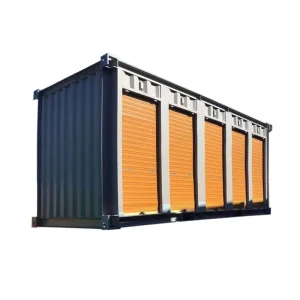
OEM New 20ft Storage Roll-Up Door Dry Cargo Container
Explore Specifications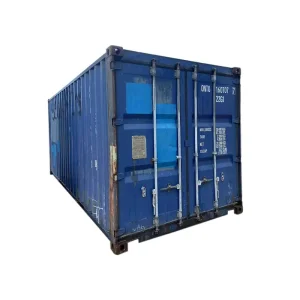
ODM 40ft Used Dry Cargo Shipping Container
Explore Specifications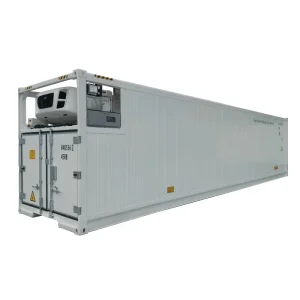
Famous New 40ft HC & 45ft Intermodal Railway Reefer Container
Explore SpecificationsMacro Commercial Paradigm & Global State of Off-Site Modular Containers
An authoritative analysis on structural standardization, lifecycle decarbonization, and cross-border logistical velocity in permanent and temporary volumetric building.
The global construction and logistics ecosystem has arrived at an unprecedented inflection point. Rapid urban density growth, labor shortages across traditional trades, geopolitical realignments, and rigorous ESG mandates have catalyzed an aggressive shift toward Design for Manufacture and Assembly (DfMA). Modular containers—historically restricted to basic maritime dry cargo and rudimentary job-site shacks—have transformed into precision-engineered, multi-tier volumetric modules capable of exceeding high-performance building codes across North America, Europe, Australia, and the Middle East.
As premier Chinese manufacturing and export conglomerates, factories operating under strict BV (Bureau Veritas) and ISO standards are driving this transformation. By leveraging industrialized automated cold-rolled steel profiling, robotic continuous welding lines, and zero-VOC electrostatic coating technology, off-site modular facilities produce structurally self-supporting structural modules with high resistance to seismic, wind, and corrosive marine conditions. With lead times compressed by up to 60% compared to cast-in-place concrete structures, the industrial container has transitioned from a freight utility into a foundational asset of global infrastructure.
Factory-parallel civil works slash total completion timelines.
Integrated MEP, HVAC, and interior envelope factory completed.
Marine-grade coatings engineered for harsh offshore and desert sites.
Heavy-gauge Corten steel chassis providing structural longevity.
Emerging Industry Megatrends Reshaping Modular Supply Chains
How off-site fabrication technology, material science, and intelligent building systems converge to define competitive advantage.
Thermally Broken Envelopes
Next-gen modular engineering mitigates thermal bridging through structural aerogel barriers, continuous polyisocyanurate (PIR) insulation, and argon-filled double/triple low-E fenestration to satisfy Net-Zero Energy and Passivhaus standards worldwide.
IoT-Enabled Cold Chain & HVAC
Integration of Carrier, Daikin, and Thermo King digital telemetry into specialized reefer and living modules allows cloud-synced, real-time logging of temperature, humidity, pressure, and power consumption across multi-modal global shipping transit.
Hybrid Flat-Pack & Foldable Kinematics
By blending rigid structural ISO corner castings with foldable hinge dynamics, multi-expandable 20ft/40ft units quadruple their functional deployment footprint on arrival while shipping 4-to-1 inside standard maritime slots to dramatically reduce ocean freight expense.
Localized Engineering Solutions & Application Scenarios
Targeted adaptations engineered to overcome specific climatic, regulatory, and spatial constraints across major global economic regions.
North American Urban Infill & Workforce Housing
Engineered to IBC (International Building Code) and Title 24 compliance. Modules incorporate factory-installed seismic hold-downs, Class A fire-rated drywall finishes, and plug-and-play MEP rough-ins designed specifically for rapid connection by local licensed contractors.
Nordic & Sub-Zero Mining Accommodations
Constructed with dual-chamber cold locks, thickened 150mm rigid PIR core panels, sub-floor glycol heating traces, and snow-load rated structural roofs capable of withstanding extreme arctic conditions down to -40°C in mining belts across Scandinavia and Canada.
Middle Eastern High-Ambient Utility Enclosures
Designed for continuous operation in +55°C desert environments. Units feature dust-filtration positive-pressure louvers, double solar-reflective polyurethane topcoats, and heavy-duty HVAC systems tailored for remote telecommunications, data centers, and battery energy storage (BESS).
Structural & Thermal Engineering Matrix
Direct technical comparison of modular steel configurations against international intermodal and building code benchmarks.
| Module Specification | Structural Substrate | Thermal Transmittance (U-Value) | Seismic & Wind Envelope | Certifications |
|---|---|---|---|---|
| 20ft/40ft Permanent Living Module | SPA-H Cor-Ten Structural Steel (3.0mm–4.5mm) | 0.18 - 0.22 W/m²K (PIR/Aerogel) | Zone 4 Seismic / 180 km/h Wind | ISO 9001, BV, CE, IBC Compliant |
| Expandable Foldable Cabin Pod | Galvanized Cold-Formed Steel Tubing Q235B | 0.28 - 0.34 W/m²K (PU Sandwich) | Zone 2 Seismic / 120 km/h Wind | ISO, CE Factory Sealed |
| 40ft High Cube Intermodal Reefer | Stainless Steel 304 Outer / MGSS Inner | 0.14 - 0.16 W/m²K (High-Density Cyclopentane) | Full CSC Maritime Stacking (9-High) | ISO 1496-2, BV, TIR, ATP Certified |
| Heavy Industrial / BESS Enclosure | Reinforced Structural Channel & Corrugated Skin | Custom Rockwool (A1 Fire Non-combustible) | Explosion Relief / 220 km/h Wind | DNV-GL 2.7-1 (Offshore) / NFPA 855 |
Manufacturing & Quality Control Pathway
BIM & FEA Simulation
Parametric 3D modeling, stress analysis of lifting points, and localized code compliance review before manufacturing release.
Automated Profiling
Laser plate-cutting, CNC hydraulic roll-forming, and robotic continuous welding ensuring millimetric dimensional precision.
Surface & Insulation
Automated grit blasting to Sa 2.5, zinc-rich epoxy priming, and high-pressure robotic polyurethane injection.
Testing & Marshalling
Hydrostatic rain testing, megger electrical insulation verification, BV surveyor staging, and port-side loading.
Comprehensive Macro Industrial Solutions
Scalable, enterprise-level modular packages designed for resource operators, public sector developers, and global logistics providers.
Civil Defense & Disaster Resilience Facilities
Rapidly deployable emergency medical facilities, clean-water distribution pods, and command camps built on 20ft ISO footprint. Units feature integrated backup generators and pre-plumbed filtration circuits ready for field deployment in less than 24 hours.
Integrated Cold-Chain Multi-Modal Logistics Hubs
Turnkey combinations of 40ft High-Cube reefer systems, side-loading cold storage docks, and smart power-pack generators that establish seamless inland cold bridges for agricultural exports, pharmaceuticals, and perishable supply networks.
Turnkey EPC Remote Workforce Accommodations
Large-scale modular villages complete with individual en-suite residential containers, commercial central kitchens, dining complexes, recreation pods, and wastewater treatment containers designed to support remote workforces exceeding 2,500 personnel.
Frequently Asked Technical & Procurement Questions
In-depth responses covering certification, export packaging, structural integrity, and OEM customization protocols.
How do modular containers ensure compliance with destination-market building codes?
Our engineering team works backwards from your destination authority having jurisdiction (AHJ), such as IBC (USA), Eurocodes (EU), or NCC/BCA (Australia). Electrical wiring is pulled using UL, CE, or SAA certified components; plumbing is pre-tested to local pressure and fixture codes; and structural calculations are reviewed by certified professional engineers prior to mass production.
What prevents condensation and interstitial rust inside container walls?
Moisture control is resolved through systematic envelope design. We apply anti-corrosive multi-coat zinc/epoxy systems to the internal steel skin, install a continuous vapor retarder, and utilize closed-cell polyurethane foam or hydrophobic rockwool insulation that eliminates interstitial air gaps where warm air could reach dew point temperatures against the cold steel face.
How are expandable and foldable containers protected during sea transit?
Expandable and foldable units are engineered to fold into an ISO-standard container profile featuring certified corner castings and fork pockets. They are sealed with industrial EPDM weather gaskets, mechanically bolted with transit brackets, and sea-freighted under CSC safety approval either as standard intermodal cargo or SOC (Shipper Owned Container), eliminating the need for expensive flat-rack stowage.
Can modular container structures be stacked multi-story without external framing?
Standard high-cube structural containers are engineered with corner posts capable of supporting up to 9-high fully loaded stacks under CSC requirements. For residential or commercial modular builds, our units can be stacked 3 to 4 stories utilizing their internal corner columns and localized shear lugs without secondary exterior steel frameworks, depending on regional seismic and wind drift requirements.
Specialized Freight, Reefer & Bulk Container Solutions
Explore heavy-duty bulk transporters, hazardous material storage enclosures, double-door logistics containers, and premium OEM machinery systems.
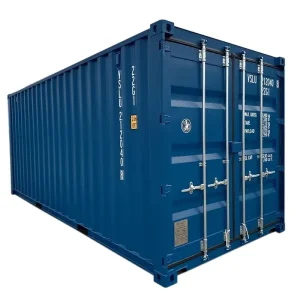
Buy New 20ft Double Door Dry Cargo Shipping Container
Explore Specifications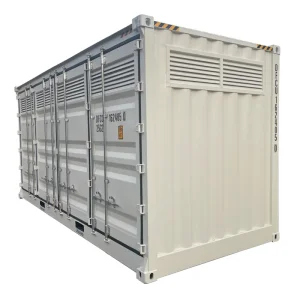
Famous 20FT High-Cube Dangerous Goods Container Side Open Door
Explore Specifications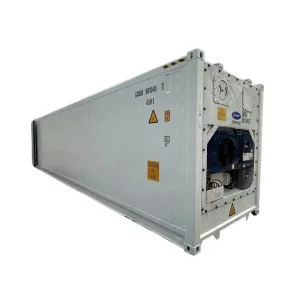
Buy Ninety Percent New Used 40ft HC Carrier Refrigerated Container
Explore Specifications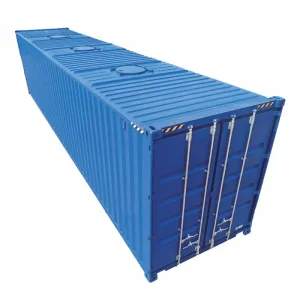
Buy 20 Feet Shipping Bulk Container Manufacturer, Exporters
Explore Specifications
Famous 20ft 40ft Standard Size Accommodation Modular House Container
Explore Specifications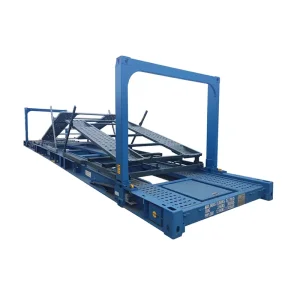
China New 20ft Car Carrier Container Special Container
Explore Specifications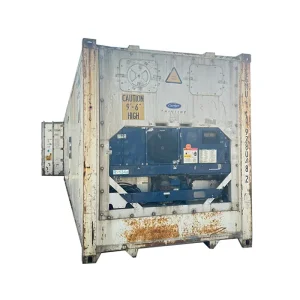
China Used 40ft High-Cube Certified Reefer Container
Explore Specifications