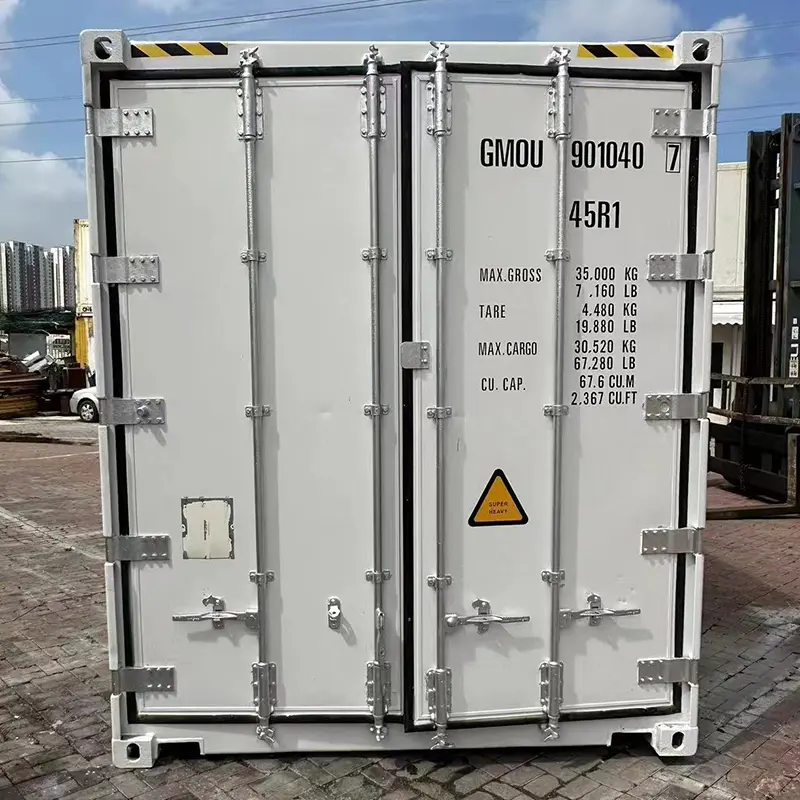
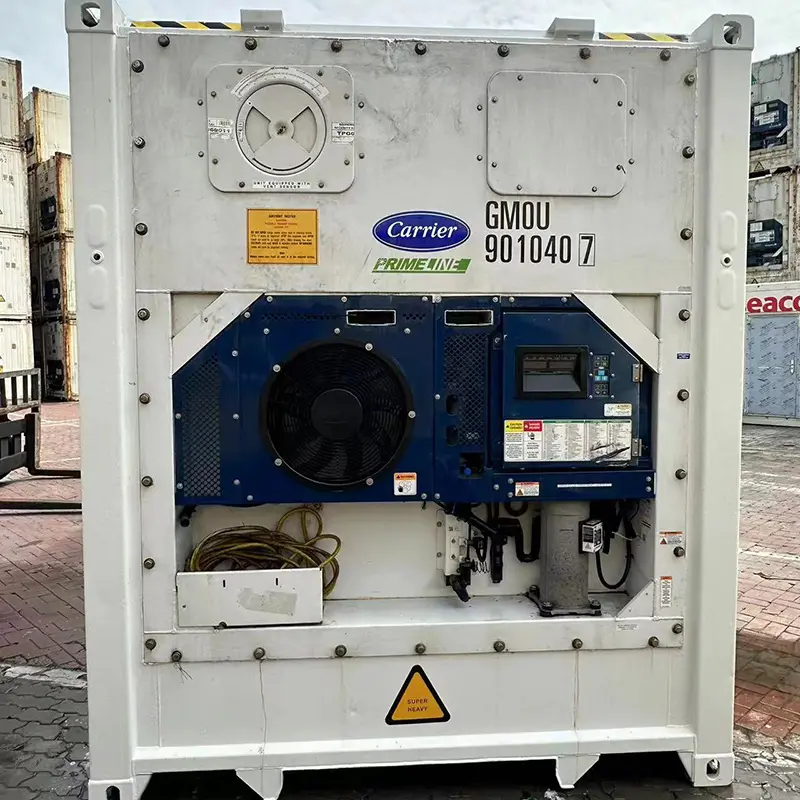
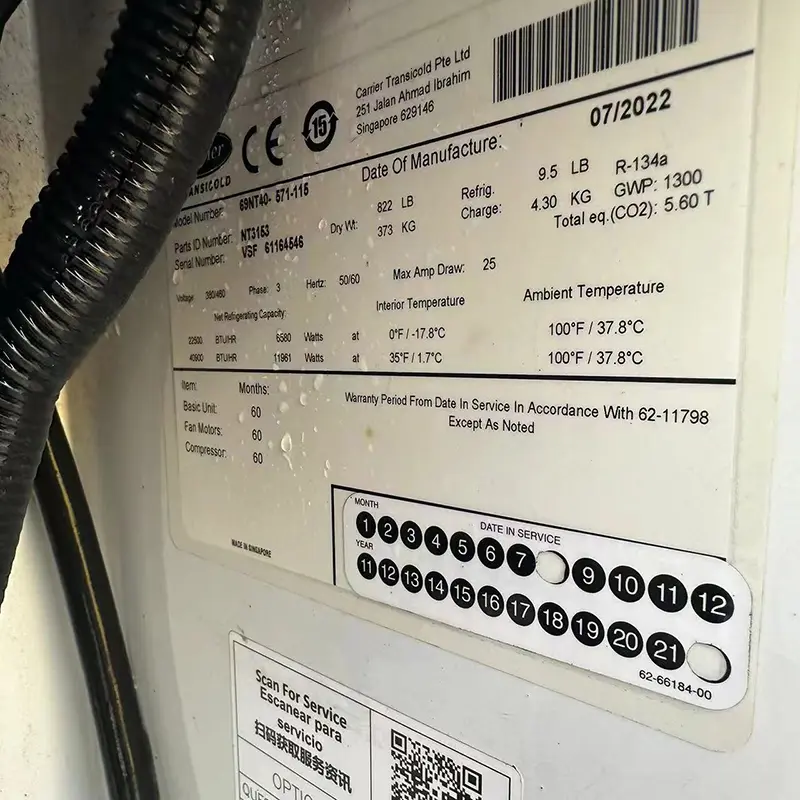
Buy Ninety Percent New Used 40ft HC Carrier Refrigerated Container Product, Quotes
Product Description
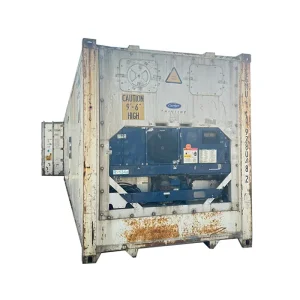
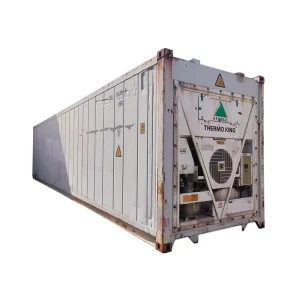
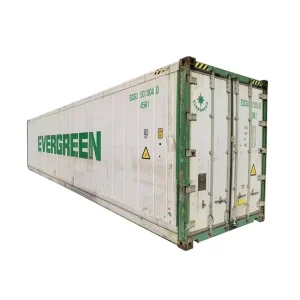
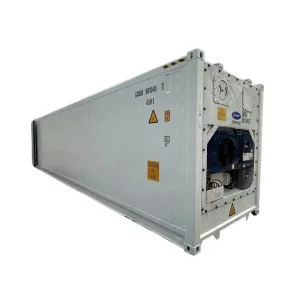
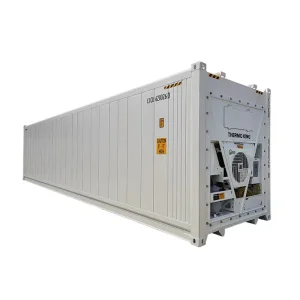
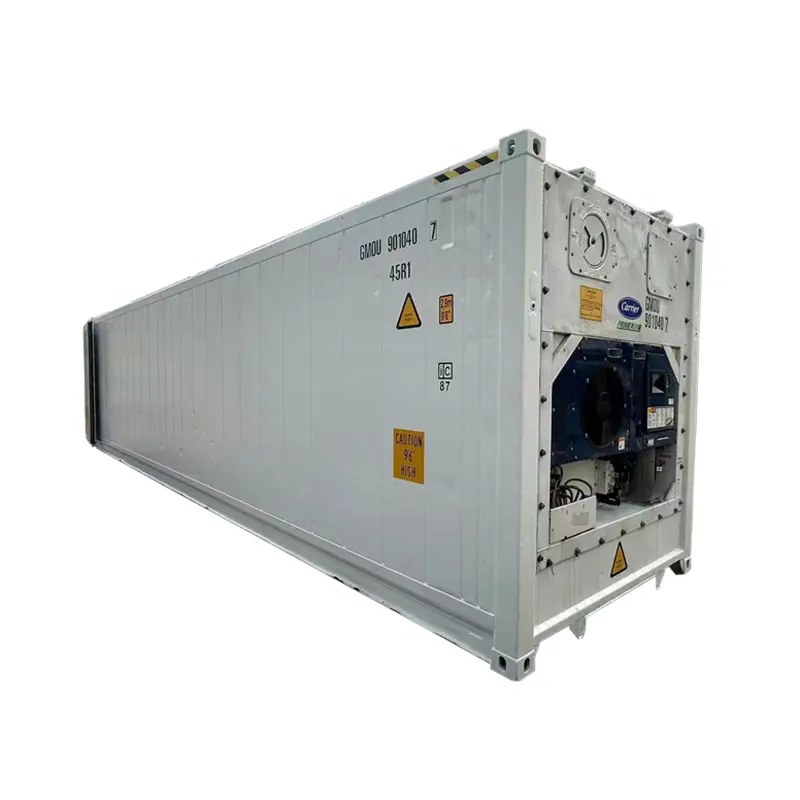
Generally, galvanized steel structure is used, and the inner wall, bottom plate, top plate and door of the container are made of metal composite plate, aluminum plate, stainless steel plate or polyester. These materials have good corrosion resistance and thermal insulation performance, which can ensure that the refrigerated container maintains good performance during long-term use and effectively protect the goods in the container.
Good maintenance is the key factor to extend the service life of refrigerated containers. Maintenance of the refrigeration machine and the maintenance of the container itself, such as repairing damaged insulation layer and anti-rust treatment, is also very important.
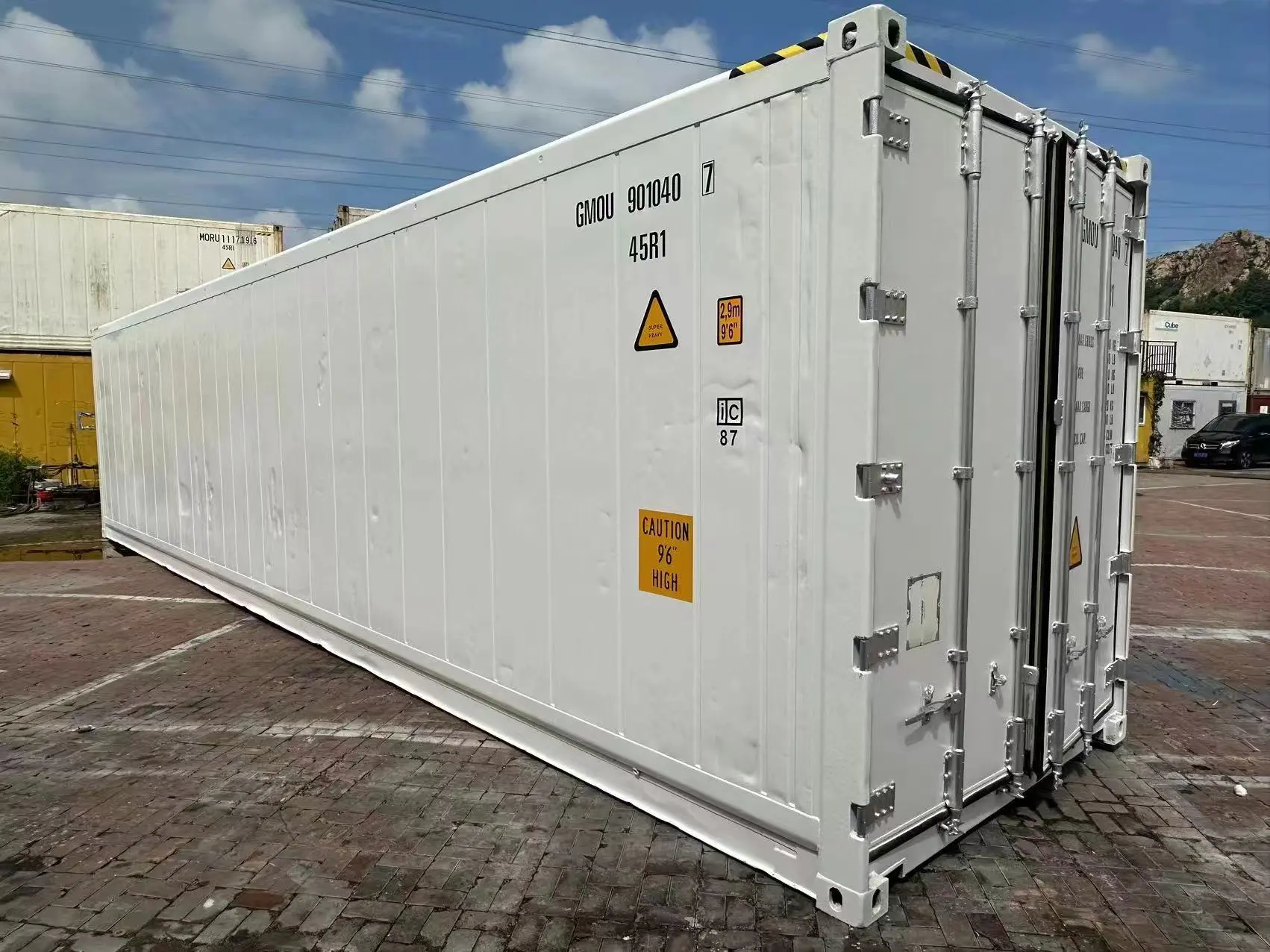
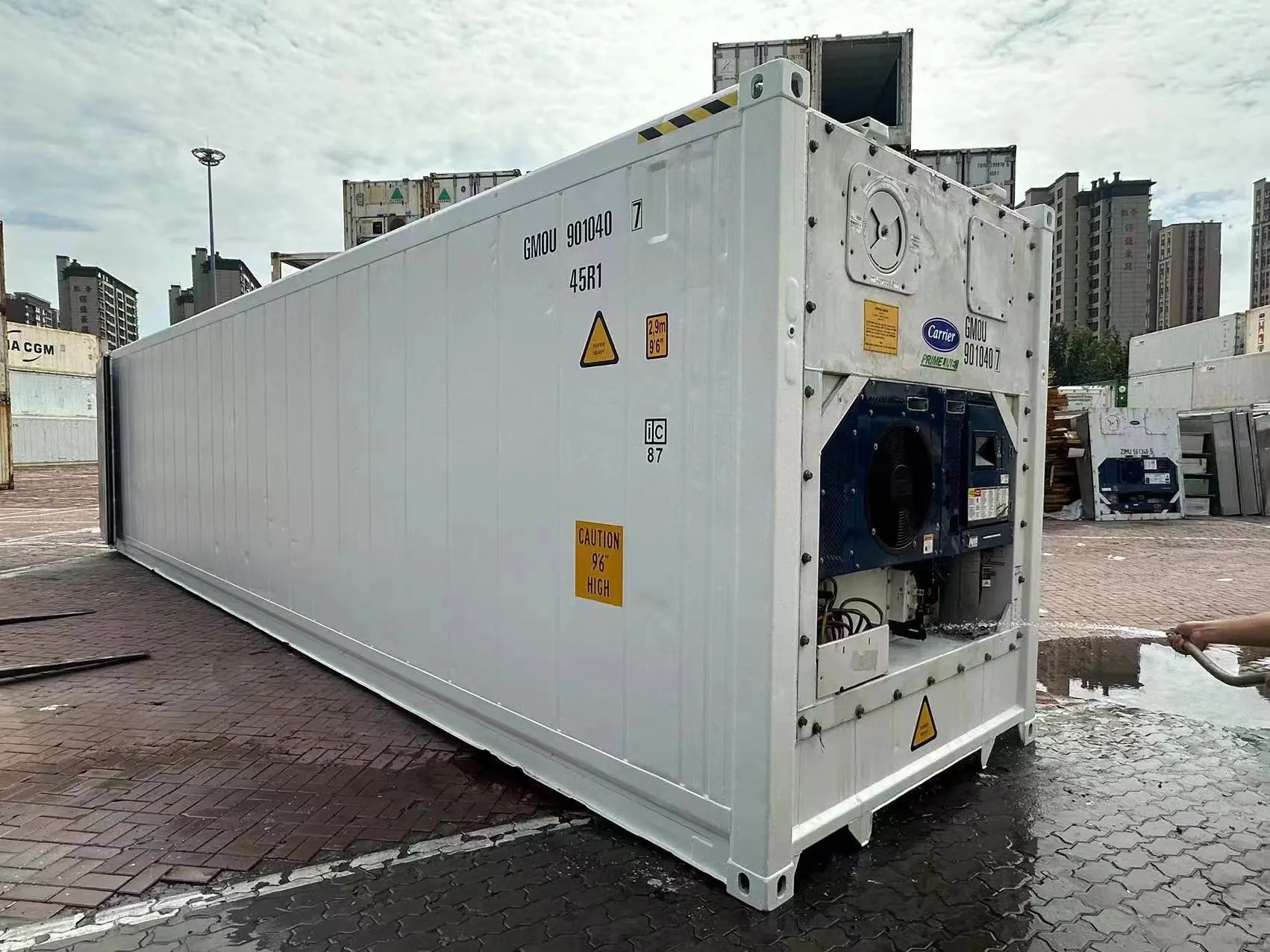
| External Dimension (MM) | 12192 * 2438 * 2896 |
| Internal Dimension (MM) | 11590 * 2294 * 2554 |
| Door Opening (Width) | 2290 mm |
| Door Opening (Height) | 2569 mm |
| Maximum Gross Weight | 34,000 kg / 74,960 lbs |
| Maximum Payload | 29,250 kg / 64,490 lbs |
| Tare Weight (±2%) | 4,210 kg / 9,280 lbs |
Due to many factors, such as the condition of the container and the year of production, the price is not fixed. If you need a specific quote, please contact us directly for detailed pricing based on current inventory.
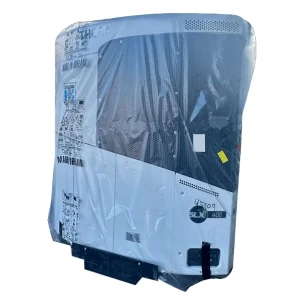
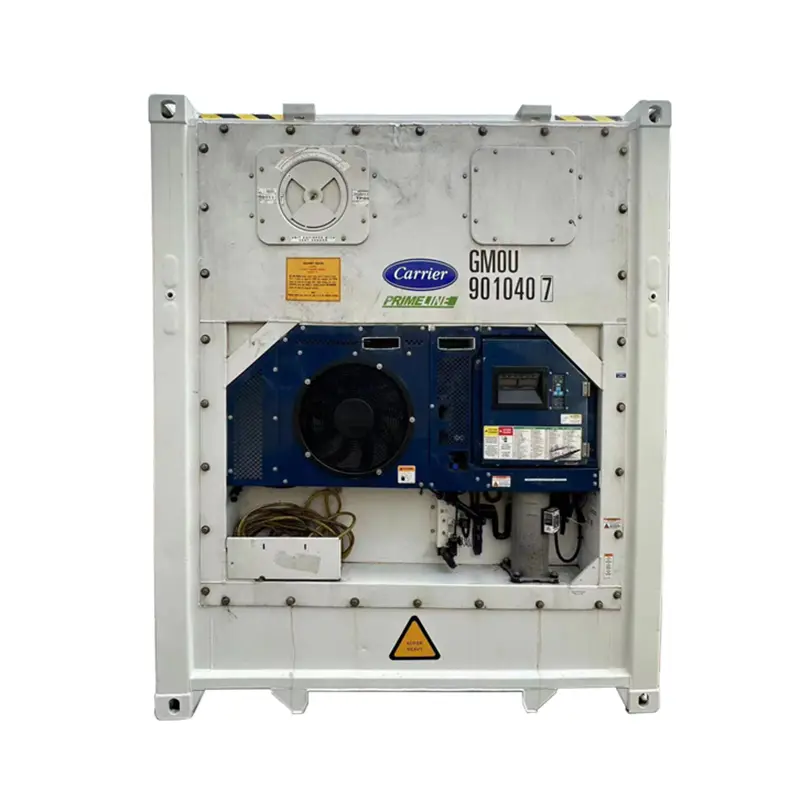
Inspect the refrigeration equipment to ensure that it can operate normally, check the refrigeration effect, temperature control range, operating noise, etc. of the refrigeration unit. You can ask the seller to provide maintenance records of the refrigeration equipment to understand its use and maintenance and judge the reliability of the equipment. The containers we sell can be tested.
Refrigerated containers generally utilize a galvanized steel structure, while the interior walls, bottom plates, top plates, and doors are constructed using metal composite plates, aluminum plates, stainless steel, or polyester for optimal corrosion resistance and thermal insulation.
Proper maintenance is key to prolonging container life. This includes routine inspection and maintenance of the refrigeration machine, repairing damaged insulation layers, and applying anti-rust treatments to the container structure itself.
Provided that the second-hand refrigerated container has been well maintained and its equipment properly serviced or upgraded, its energy consumption is generally very close to that of a brand-new container.
Yes, all units can undergo operational and temperature testing before purchase to verify that the refrigeration system, temperature range, and cooling performance are functioning properly.