Buy New 20ft Square Liquid Container Factory, Product
Product Description
Product Introduction
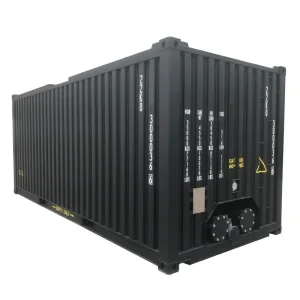
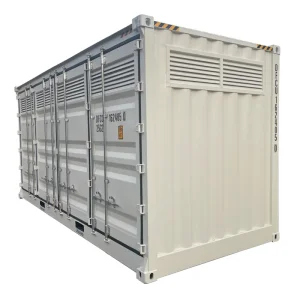
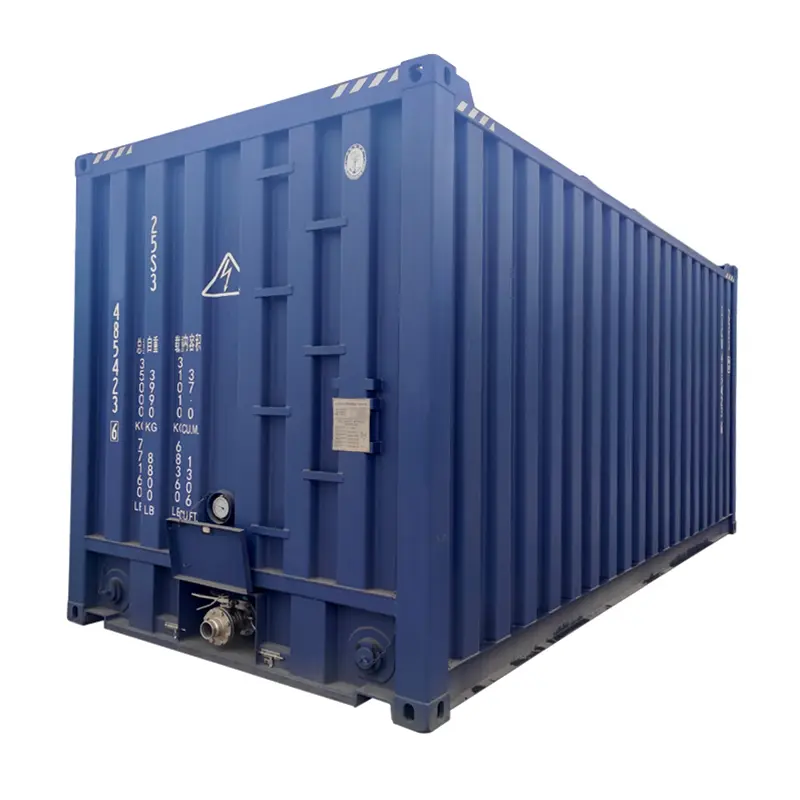
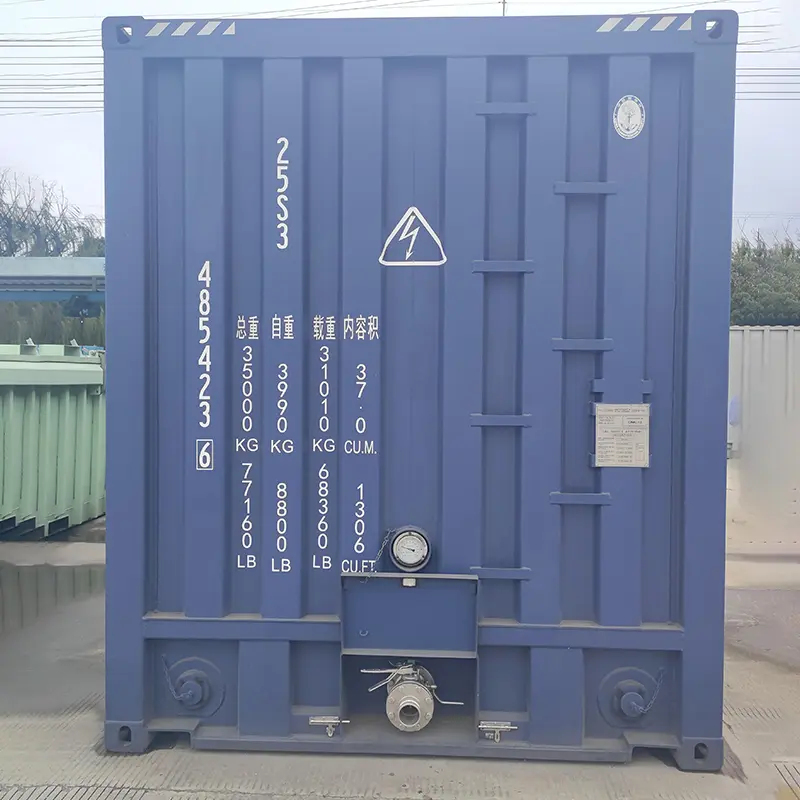
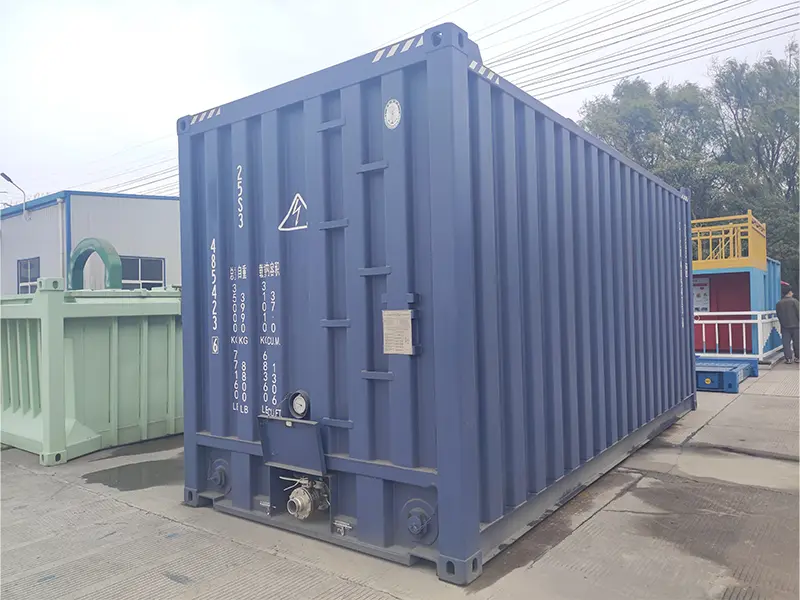
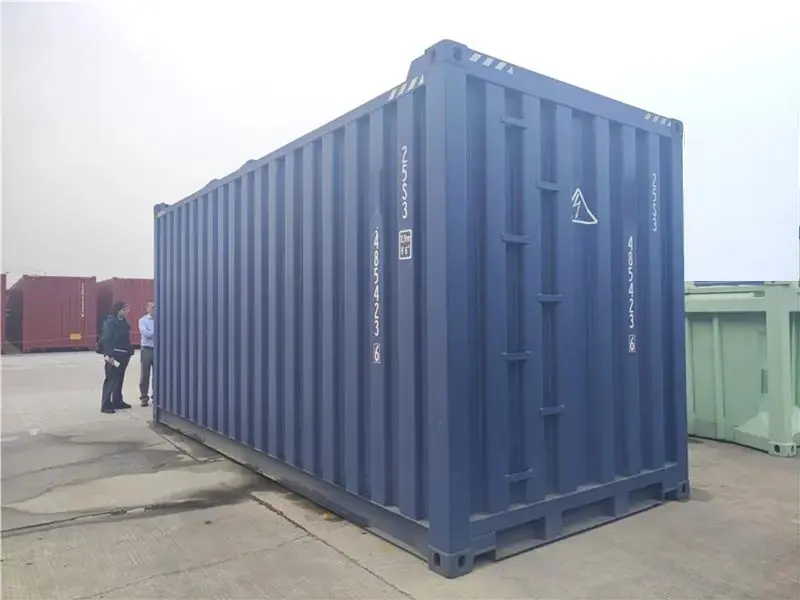
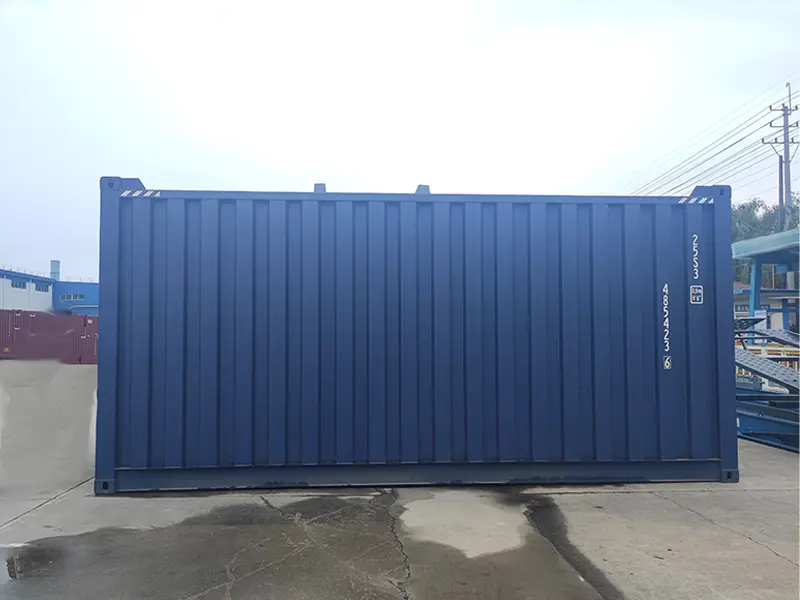
The frame of a square liquid container is constructed of high-strength steel designed to reliably support and protect the internal tank. To withstand intense external dynamics during transit, all frame corners are reinforced, and multiple structural reinforcing ribs are strategically positioned around the exterior perimeter, as well as on top and bottom sections, guarding against structural deformation.
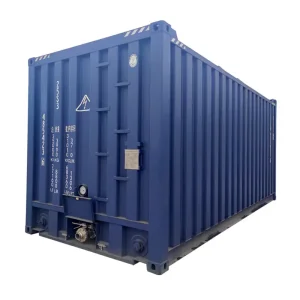
Four precision corner fittings strictly comply with standard international sizing specifications, ensuring seamless compatibility with standard handling, stacking, and intermodal transport equipment. Internally, the storage tank is engineered with premium metal materials, typically high-grade stainless steel or corrosion-resistant lined carbon steel.
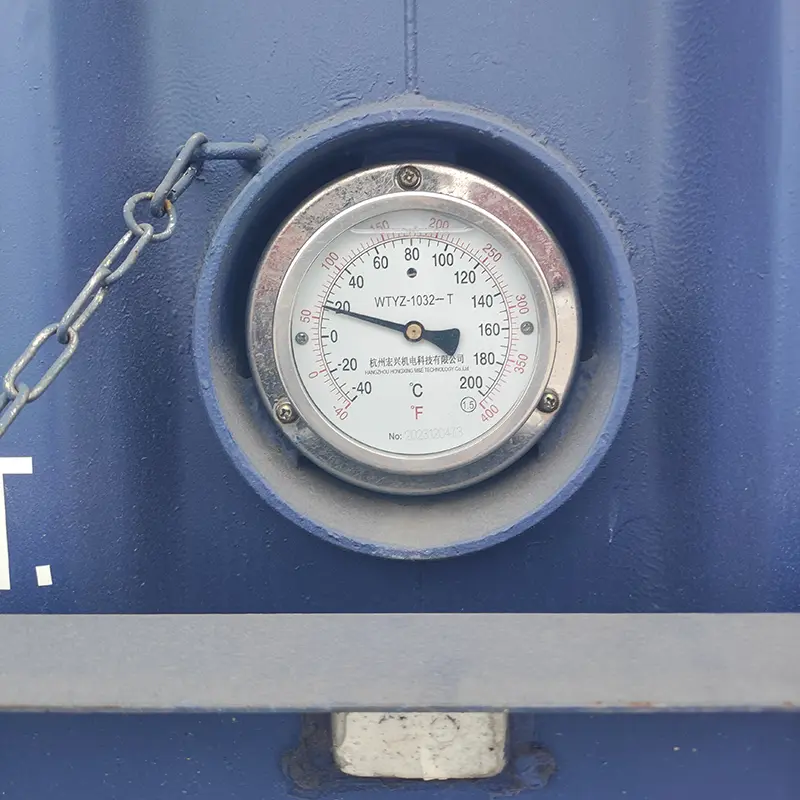
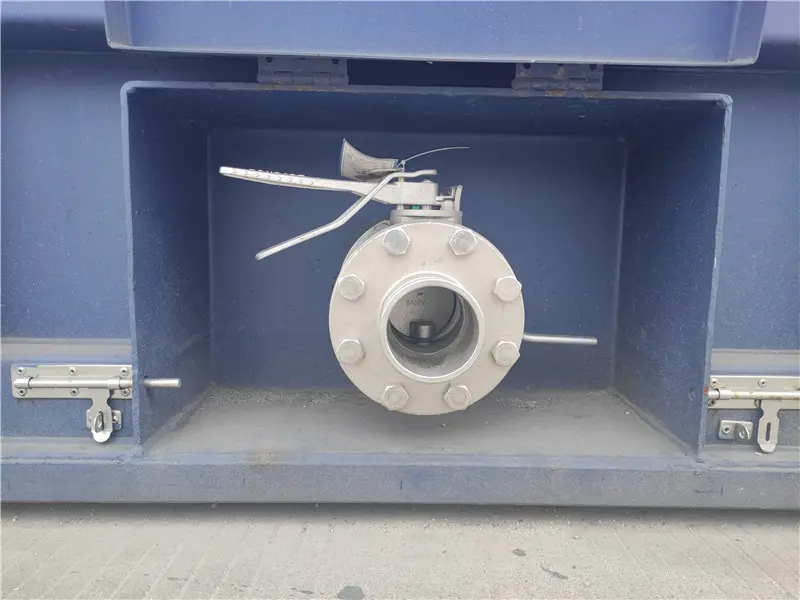
Enhanced Safety Mechanism: Bottom loading and unloading is engineered specifically for volatile, flammable, explosive, or toxic liquids. Featuring a dedicated base-mounted connection port that links directly to external handling systems, liquids are transferred smoothly at lower heights. This substantially reduces turbulence, mitigates volatile gas emission, eliminates splashing hazards, and ensures optimal flow control during the handling of dangerous cargo like gasoline.
Key Advantages
Efficient Space Utilization
The geometric square structure enables tighter configurations aboard transport platforms such as container vessels and rail cars. This form factor eliminates dead space, enabling significantly higher liquid cargo volume per transport footprint than conventional cylindrical tanks.
Superior Dynamic Stability
Liquid weight distributes evenly across the square profile, maintaining an exceptionally low and balanced center of gravity during transit. This structural stability minimizes roll, swaying, tilting, and the risk of vehicle turnover or fluid leakage on rough sea voyages or overland roads.
Seamless Stacking & Storage
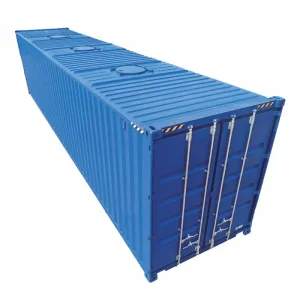
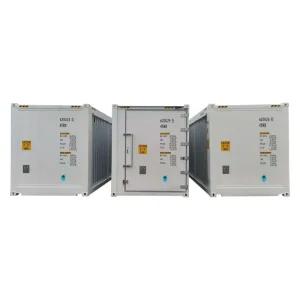
Equipped with standardized corner fittings, square liquid containers can be stacked vertically in multiple layers just like regular ISO dry freight containers, substantially conserving ground space within freight terminals, ship holds, and logistics yards.
Frequently Asked Questions (FAQ)
The selection depends on the nature of the liquid cargo. Square liquid containers provide a more economical solution for ordinary low-pressure fluids, providing significantly greater volumetric capacity and straightforward maintenance compared to specialized cylindrical tank containers.
Manufactured with high-strength structural framing and premium metal inner tanks, a properly maintained unit consistently delivers an operational service life of 10 to 20 years.
The bottom-oriented transfer interface keeps liquid movement close to the container base through an enclosed piping line. This method prevents free-falling splashing, minimizes hazardous vapor evaporation, and provides controlled transfer rates for volatile, flammable, or toxic chemicals.
The external structural framework is constructed from high-strength reinforced steel with integrated corner posts and ribs, while the interior tank is fabricated from premium-grade stainless steel or corrosion-lined carbon steel.
Yes. The containers are fitted with standard international corner castings at all four corners, making them fully compatible with standard container spreaders, intermodal handling machinery, and standard transport twist-locks.
Unlike round tanks that create vacant gaps when positioned together, the flush sides of square containers allow dense, flush placement within ship holds and train wagons, maximizing payload density and space efficiency.