China vehicle transport rack Product, Exporters
Product Description
Product Introduction
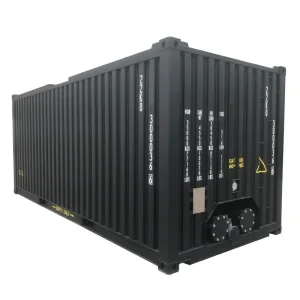
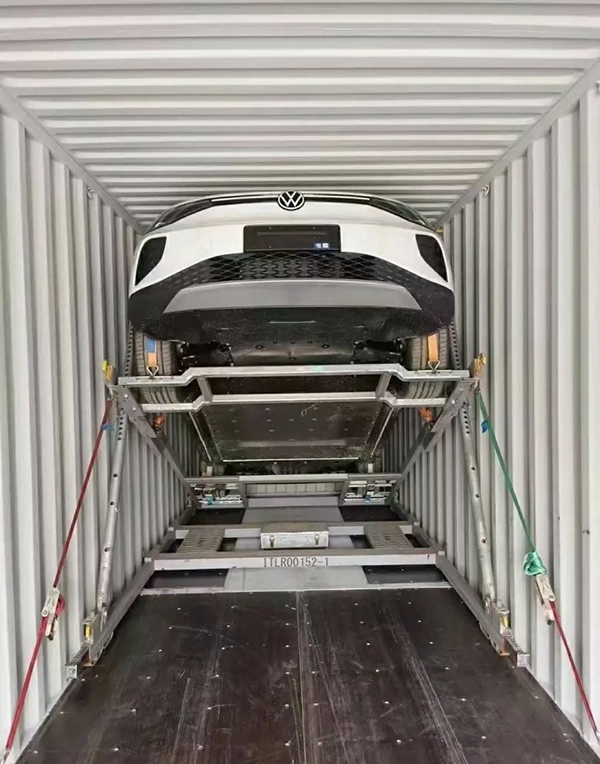
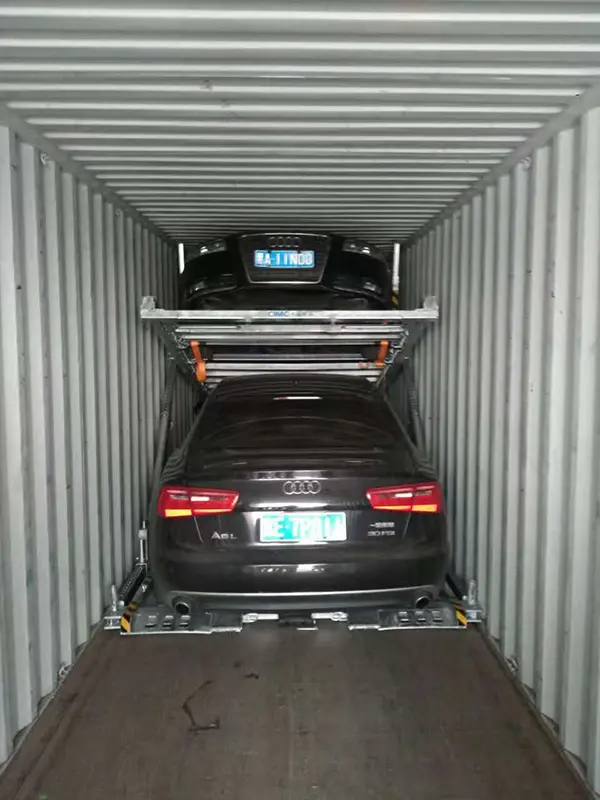
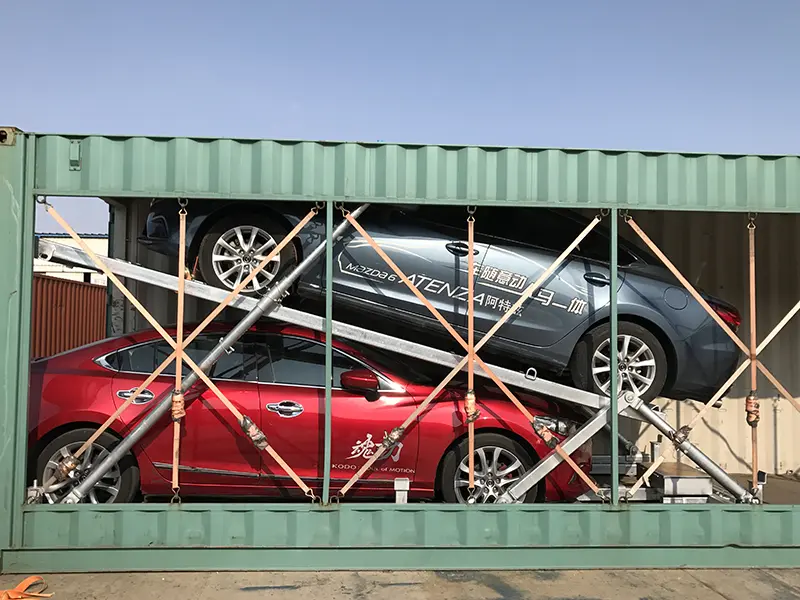
The interior of the car transport container is equipped with a special car fixing device, which is a key part of the car transport container. Common fixing devices include wheel fixers and body tie straps. The wheel fixer is usually a metal clamp that can firmly clamp the tire of the car to prevent the car from sliding forward, backward, left and right in the container.
The body tie strap is generally a high-strength nylon belt or steel belt, which is connected to the inner wall of the container by hooks or bolts, and can tightly fix the car body to reduce the shaking of the car during transportation. Some floors will use anti-slip materials, such as steel plates with anti-slip textures or special anti-slip rubber mats. This can increase the friction between the car tires and the floor, and further ensure the stability of the car in the container.
Some car transport containers will also have drainage grooves on the floor to drain rainwater that may enter the container or sewage generated after washing the car. In addition, like other containers, it can be transported by road, rail, and sea.
Key Advantages
Improve Transportation Efficiency
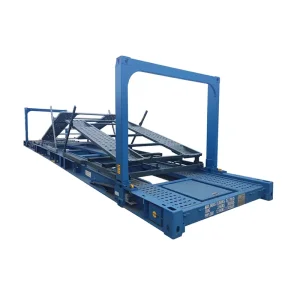
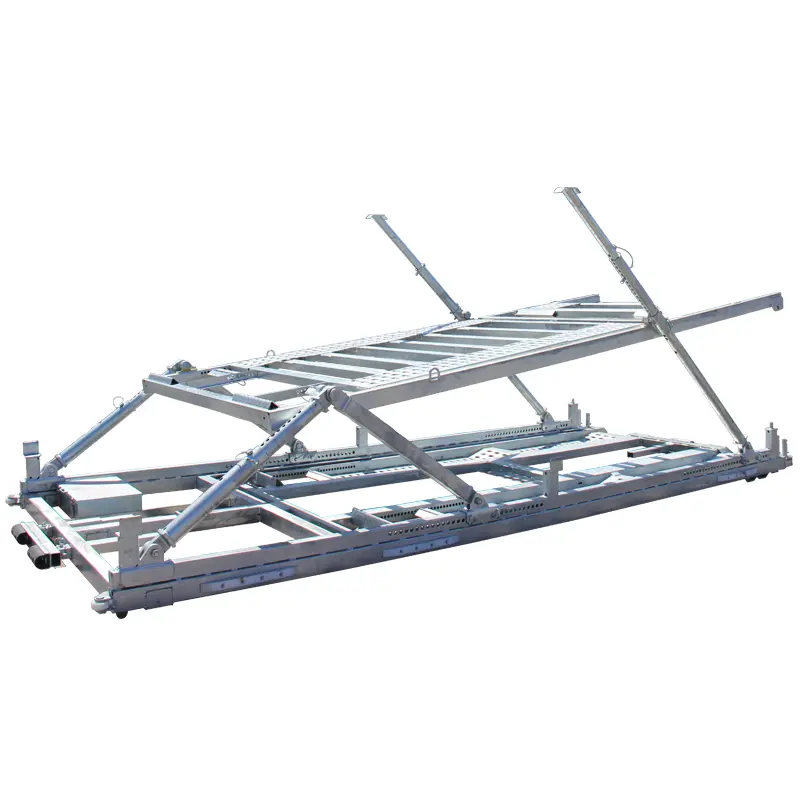
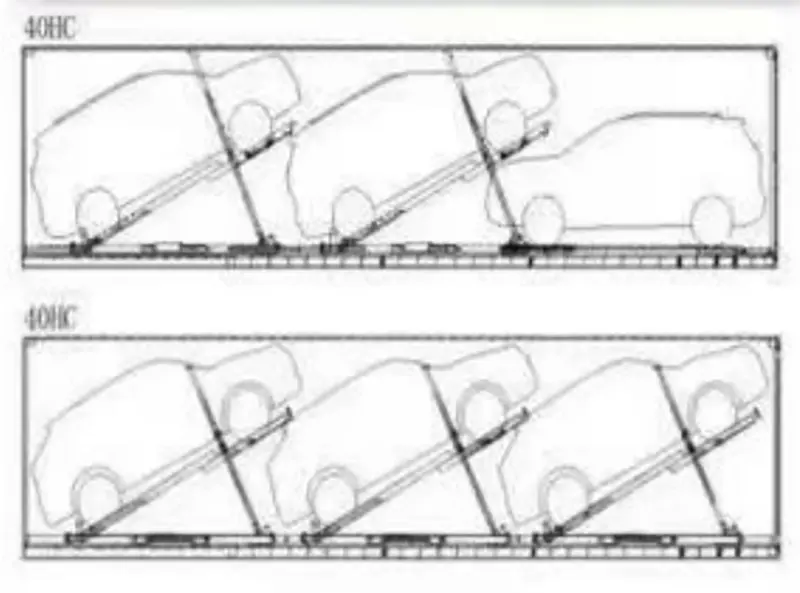
Multiple vehicles can be transported at the same time. For example, multi-layer vehicle transport racks can make full use of vertical space, and retractable vehicle transport racks can adjust their length according to the number of transported vehicles, effectively increasing the number of vehicles transported each time and reducing transportation costs.
Protecting Transported Vehicles
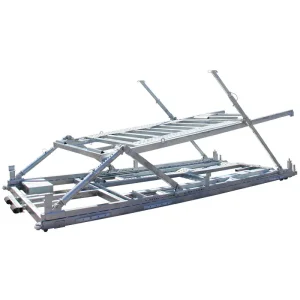
Equipped with special wheel fixing devices, guardrails, plywood, anti-skid pads, and other components. For example, the motor on the support plate of some transport racks drives the threaded rod to rotate, so that the slider drives the plywood and anti-skid pad to clamp the car to prevent the vehicle from sliding, shifting, or even overturning due to bumps, braking, and turning during transportation.
Convenient Loading and Unloading
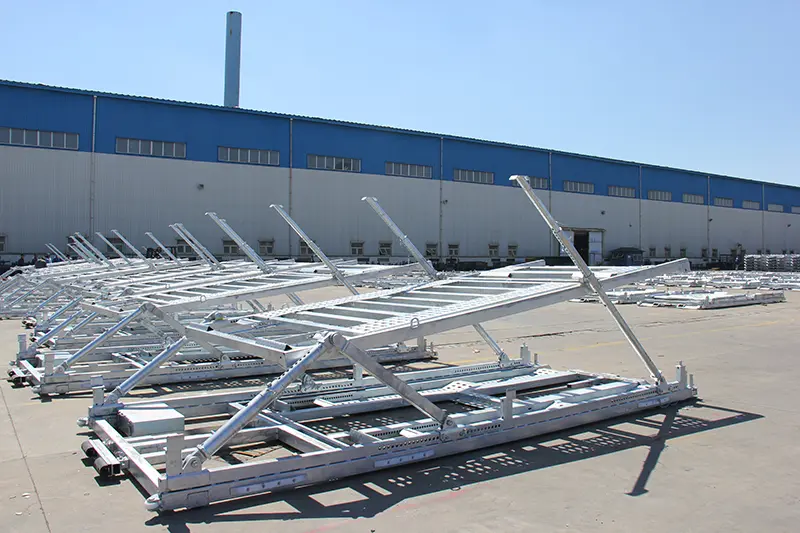
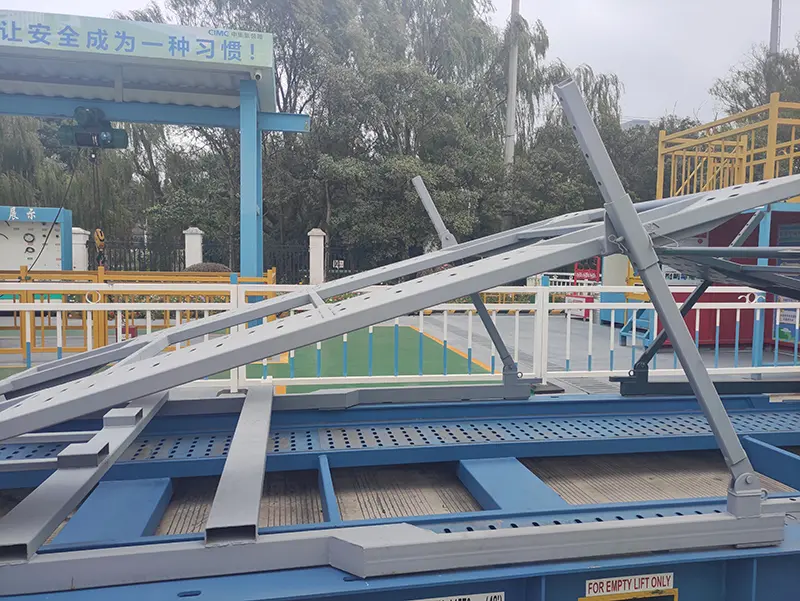
Some vehicle transport racks are equipped with structures such as approach bridges to facilitate vehicles getting on and off the transport racks. For example, the approach bridge of the retractable vehicle transport rack can be moved to the unfolded position when the mobile support frame is unfolded, making it convenient for vehicles to drive in or out.
Convenient for Storage and Transport
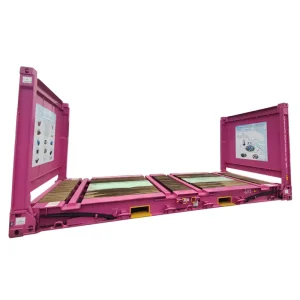
Folding and retractable vehicle transport racks can be folded or retracted when not in use, reducing the occupied space, facilitating storage and transportation, and improving the versatility and flexibility of the equipment.
Frequently Asked Questions
Depending on the type of vehicle, you can consider the following aspects: the simplicity and complexity of the frame structure, the height of the frame, the load-bearing capacity, whether it is adjustable, and other factors to comprehensively select a suitable frame.
Generally, the transport rack will be equipped with special tie straps or fixing clamps to firmly bind the wheels or chassis of the vehicle to the transport rack. You can also set anti-skid pads or card slots on the transport rack to increase the friction between the vehicle and the transport rack to prevent the vehicle from sliding.
It can hold three SUV-sized cars, but the specific capacity depends on the vehicle dimensions.
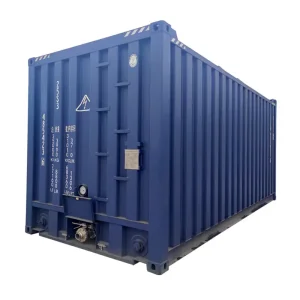
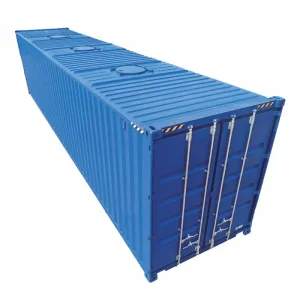
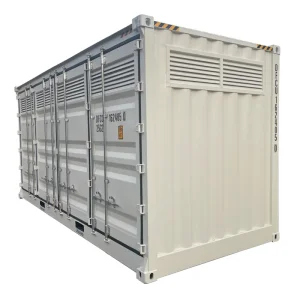
Like other standard intermodal shipping containers, car transport containers are versatile and can be seamlessly transported across road, rail, and sea logistics networks.
Floors are built with anti-slip materials such as textured steel plates or specialized anti-slip rubber mats to enhance tire grip. In addition, integrated drainage grooves effectively clear out rainwater or wash wastewater.