
40FT DRY
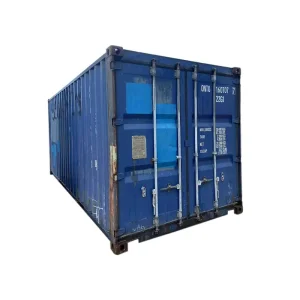
ODM 40ft Used Dry Cargo Shipping Container Manufacturers, Quotes
View Technical Quote
Direct supply line of IICL, Cargo Worthy (CW), and custom-engineered platform structures, staged at major coastal ports for immediate intermodal dispatch and rapid site deployment.
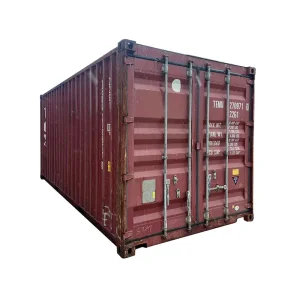
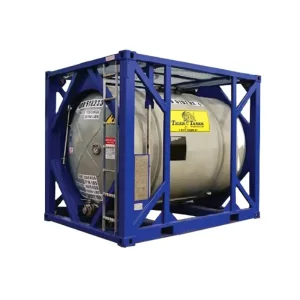
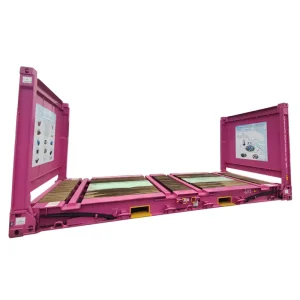
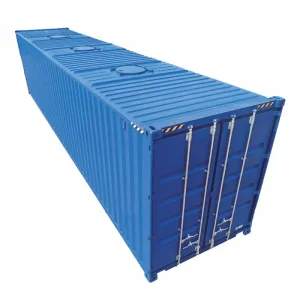
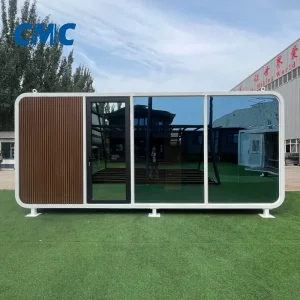
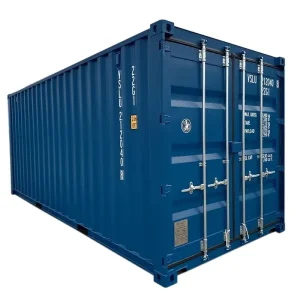
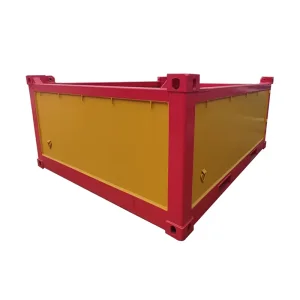
Evaluating capital expenditure versus operational longevity when acquiring used dry containers for multinational intermodal operations, energy storage integration, and industrial storage.
Procuring certified used dry containers delivers an immediate 40% to 65% Capex reduction relative to one-trip new builds, while retaining over 85% of initial structural load-bearing capacity for non-dynamic or standard rail/road cargo duty.
Procurement teams must distinguish between cosmetic weathering and terminal structural degradation. We classify each used dry box under standardized international surveying guidelines to guarantee seaworthiness.
Used dry shipping units provide rigid structural monocoques ideally calibrated for secondary engineering modifications, including Battery Energy Storage Systems (BESS), mobile hyperscale computing, and industrial command pods.
| Condition Grade | Structural Assessment | CSC Plate Status | Floor Integrity (28mm Apitong) | Primary Industrial Use Case |
|---|---|---|---|---|
| IICL-6 Standard | Maximum 15mm panel denting; zero crossmember deflection | Certified Active / Validated for 12-24 mos | Minimal oil scuffs; zero delamination; 7,260kg axle load | Heavy ocean shipping, sensitive electronics freight, high-value assets |
| Cargo Worthy (CW) | Minor oxidation, sound weld seams, corner posts within 5mm tolerance | Renewable via Lloyd's or BV survey inspection | Solid structural plies, minor surface gouges (<5mm depth) | Standard multi-modal freight, heavy machinery export, project logistics |
| Wind & Water Tight (WWT) | Functional door gaskets; pinhole-free panels; cosmetic corrosion | Expired for international ocean transport | Dry, intact core layers; functional forklift traffic rating | Secure site storage, agricultural feed, secure construction tool vaults |
| As-Is / Repaired | Steel insert patches completed according to IICL weld specs | Subject to individual ultrasonic thickness test | Partial patch-plates or localized plywood section replacement | Architectural container housing, modular workshops, farm outbuildings |
A rigorous examination of weathering steel behavior, corner casting load transference, and transverse bending moments under full intermodal operating loads.
The operational endurance of modern dry cargo containers relies on SPA-H (JIS G3125) atmospheric corrosion-resistant steel. Unlike standard structural carbon steels (such as Q235 or S275), SPA-H incorporates precise alloy concentrations of copper (0.25-0.40%), chromium (0.30-0.65%), and nickel (0.20-0.50%). When exposed to fluctuating maritime cycles of humidity, rain, and oceanic saline mist, these micro-alloy elements catalyze a dense, amorphous barrier layer consisting primarily of α-FeOOH (goethite) within the first 24 to 36 months of field deployment.
In certified used dry shipping containers, this stabilized patina suppresses oxygen and chloride ion penetration, capping the corrosion propagation rate below 0.01 mm per annum. Consequently, a ten-year-old 20ft or 40ft container typically retains over 96% of its original side wall gauge (1.6mm or 2.0mm corrugation), assuring structural safety for second-life conversions or heavy freight cycles.
Consisting of heavy hot-rolled C-channel bottom side rails and transversal floor crossmembers (cross-tied at 300mm centers). Absorbs intense ground pressure and concentrated point loading from industrial machinery or vehicle wheels.
Dry cargo container rear door mechanisms utilize forged carbon steel locking bars, anti-rack cam keepers, and dual EPDM/chloroprene perimeter rubber gaskets to create an impenetrable hermetic seal against salt aerosol and precipitation.
Constructed with 28mm 19-ply hardwood veneers (Apitong or Keruing) bonded with phenolic WBP (Water Boiled Proof) resins. Meets stringent Australian Department of Agriculture (AQIS) treatment protocols for invasive insect prevention.
How international container equipment flows, regional supply imbalances, and secondary market scrap pricing shape the procurement landscape.
Global container trade is structurally unbalanced. Major manufacturing centers throughout coastal China (including Tianjin, Qingdao, Shanghai, and Ningbo) act as primary production epicenters for new equipment. Conversely, North America, Western Europe, and developing nations in West Africa and South America are structural net consumers of physical goods. Consequently, millions of dry boxes become stranded inland or accumulate at destination terminals, where carrier demurrage and ocean repositioning empty freight tariffs often exceed the unit's book value.
For industrial buyers, this trade dynamic creates two clear purchasing strategies:
Procuring directly from inventory reserves in Tianjin and Suzhou delivers consistent asset quality, complete maintenance logs, and competitive volume pricing. Ideal for project forwarders seeking SOC (Shipper Owned Container) units for one-way export lines.
Buying localized, off-hire used inventory in European or North American deep-water ports eliminates ocean container freight surcharges, securing fast delivery for static storage and on-site construction conversions.
Enterprise sourcing requires careful alignment with regional cabotage laws (e.g., US Jones Act, European cabotage restrictions). We provide verified Bills of Sale and clear customs release documentation to prevent regulatory delays.
Extending container service life by 15-20 years through precision structural diagnostics, automated blasting, eco-friendly epoxy coating, and modular architecture.
Every used container undergoing refurbishment undergoes ultrasonic thickness gauging (UTG) across corner posts, top headers, and lower corrugations. Any zone exhibiting wall thinning greater than 15% is excised and reinforced with genuine SPA-H weld plates according to IICL repair guidelines.
Restoring protective barriers requires Sa 2.5 grit blasting to strip spent coatings, salt scale, and mill rust. We apply high-build zinc-rich epoxy primers followed by chlorinated rubber or polyurethane topcoats, achieving 120+ microns of dry film thickness (DFT).
Repurposing a 40ft used dry container diverts roughly 3.8 tons of structural alloy steel from energy-intensive blast furnaces, saving approximately 8.2 tons of direct CO2 emissions compared to producing virgin steel structures.
The inherent rigidity of an ISO dry container—engineered to safely bear a 192,000 kg stacking column—makes it an ideal structural envelope for high-tech modular conversions. Leading clean-energy enterprises convert these units into containerized battery energy storage systems (BESS), combining fire barrier linings, HVAC heat pumps, and modular battery racks.
Similarly, in remote oil exploration, mining camps, and critical telecommunication corridors, converted used dry containers function as deployable edge-computing server shelters, water desalination skids, and hardened emergency medical pods. Standard ISO dimensions allow easy transport via routine container handling equipment across global networks without specialized flatbed permits.
Navigating the regulatory frameworks governing container operations on international routes and regional highway networks.
Every dry container in international transport must bear a valid Convention for Safe Containers (CSC) plate. For used containers, certification is renewed either via the Approved Continuous Examination Programme (ACEP) or a Periodic Examination Scheme (PES), which certifies structural safety for an additional 12 to 30 months.
To avoid border inspections and security holds during intermodal transit, used containers must adhere to the Customs Convention on the International Transport of Goods (TIR). All hinge pins, door locking rods, and seal rings are engineered to prevent cargo access without breaking customs seals.
Prior to terminal dispatch, our certified marine surveyors issue an exhaustive Survey Inspection Certificate. This report records panel depth, understructure condition, flooring integrity, and weatherproofing, giving procurement officers documented proof of asset quality.
Direct, engineering-backed answers addressing the most critical technical, commercial, and regulatory considerations for container buyers.
A standard new ISO container operates for 10-14 years in commercial ocean service under major leasing lines. When retired and sold into the secondary market as Cargo Worthy (CW) or Wind & Water Tight (WWT), it typically offers an additional 15 to 25 years of service for static storage, site logistics, or modular conversions, provided exterior coatings are maintained every 5-7 years.
A Cargo Worthy container must pass an on-site physical inspection by an accredited marine surveyor (e.g., IICL, Bureau Veritas, Lloyd's Register). The inspector checks that corner posts show zero buckling or major transverse distortion, door gaskets are supple and continuous, floorboards have no punctures, and the CSC plate is updated and stamped for ocean transit.
A 40ft Standard Dry Container (40GP) has an external height of 8ft 6in (2,591mm), offering 67.7 m³ of usable interior capacity. A 40ft High Cube Container (40HC) stands 9ft 6in (2,896mm) externally, adding one vertical foot of clearance. This yields 76.3 m³ of storage—an approximate 12% volume increase—making High Cubes the preferred choice for voluminous cargo, pallet transport, and architectural conversions.
Yes. Buying a used container as an SOC gives shippers complete control over intermodal transport schedules, eliminating carrier demurrage and per-diem detention fees at inland rail ramps or destination ports. However, the container must carry an active CSC plate and be officially logged in international equipment databases (BIC code registration).
Original 28mm container floors are infused during manufacture with industrial pesticides and fungicides (such as permethrin or dieldrin) to meet international plant quarantine laws. For residential, commercial, or office conversions, the plywood should either be fully sealed with an epoxy encapsulation barrier or replaced entirely with eco-friendly bamboo, steel, or marine ply sub-floors.
Corten (SPA-H) steel forms a dense layer of oxidized copper, chromium, and phosphorus across its surface. When exposed to alternating wet and dry weather, this oxide film stabilizes into an airtight barrier that arrests further internal corrosion. Paint is primarily applied to prevent localized salt deposits from developing into pitting corrosion in heavy marine environments.
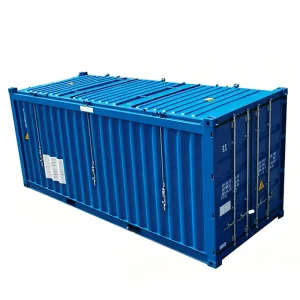
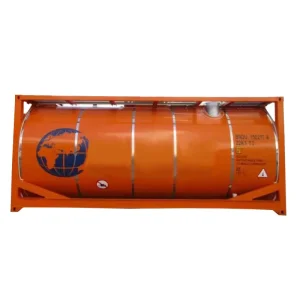
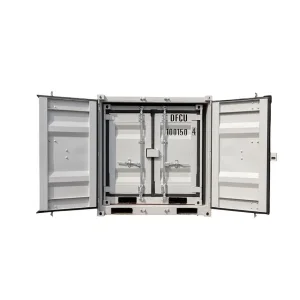
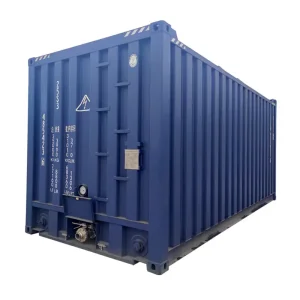
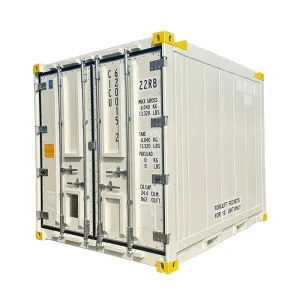
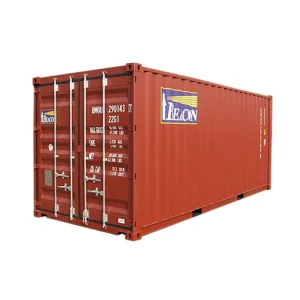
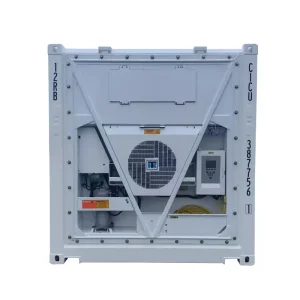
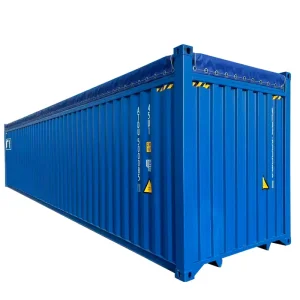
Explore our inventory of specialized containers, including open top, liquid tank, mini-storage, and modular equipment built to withstand rigorous industrial service.
Connect with our technical export division in Tianjin and Suzhou. We provide direct inventory photos, thickness test logs, and CSC certifications before shipment.