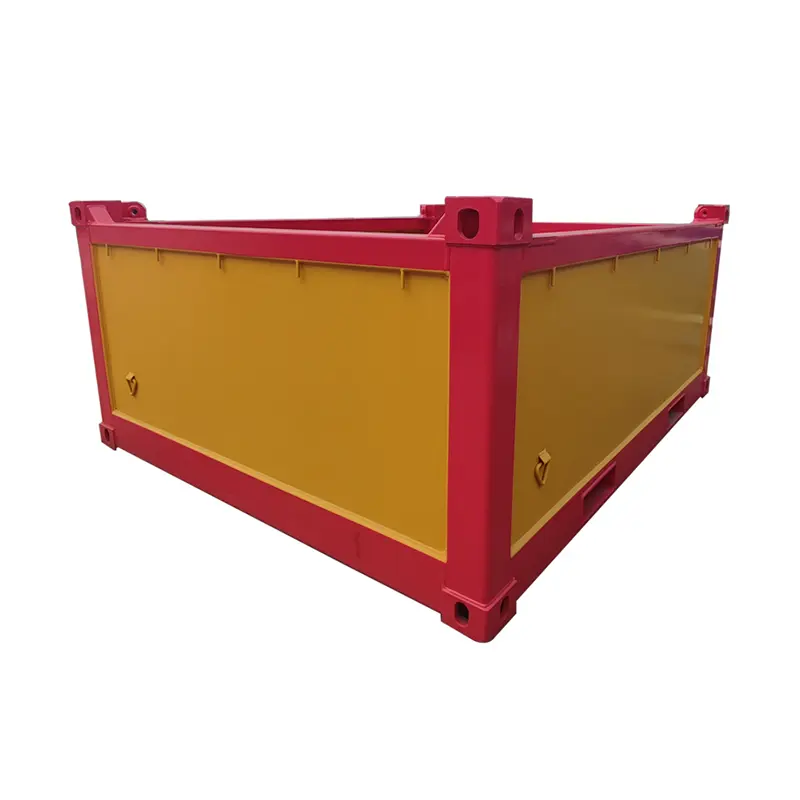
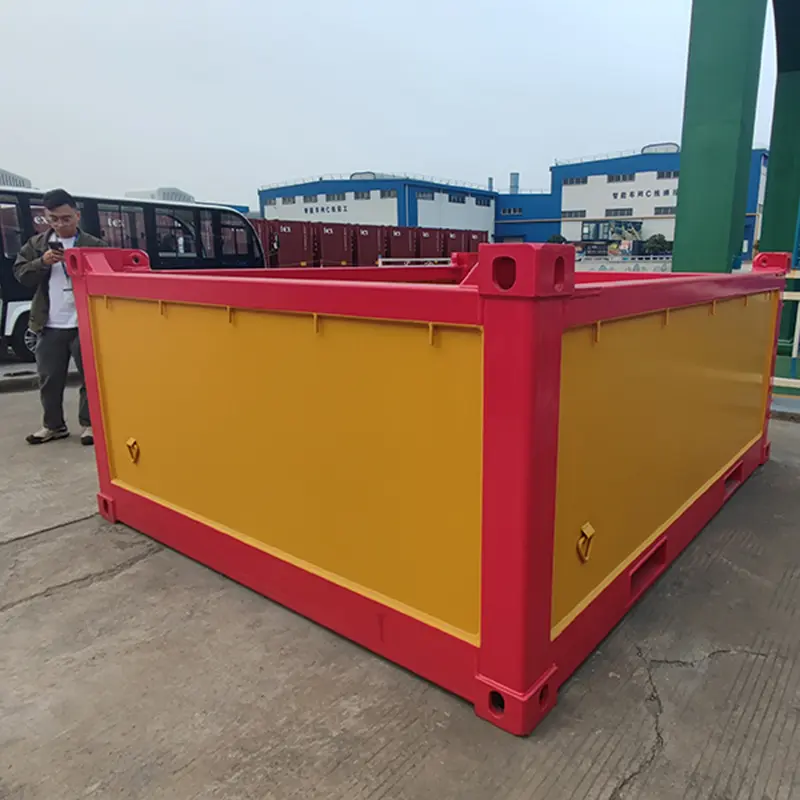
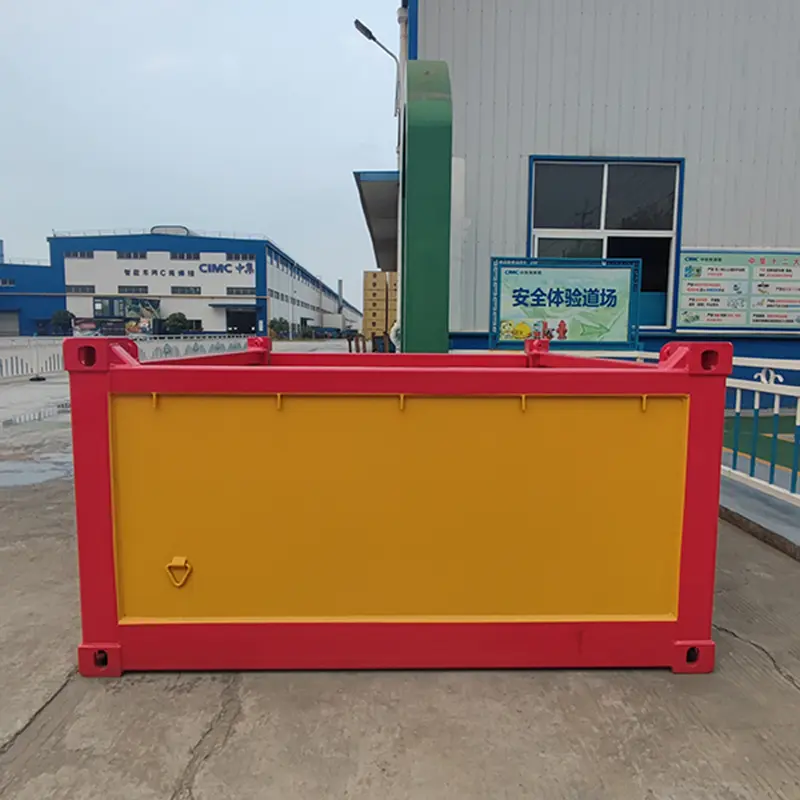
High-Quality New Offshore Basket Container for Offshore Operations Exporter, Exporters
Product Description
Application
Advantages
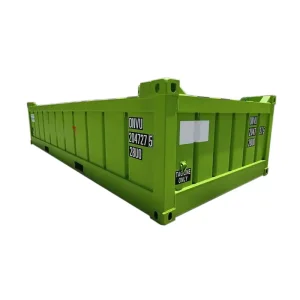
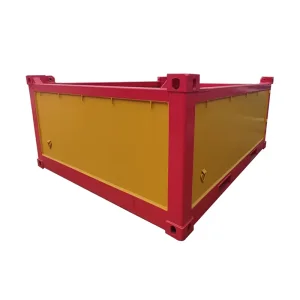
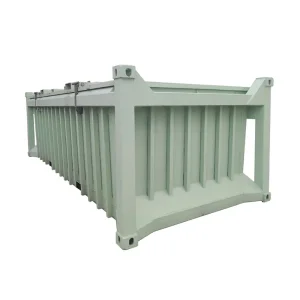
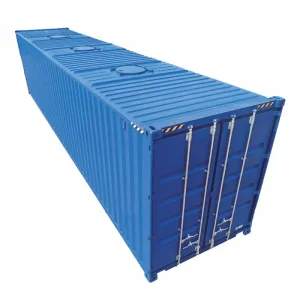
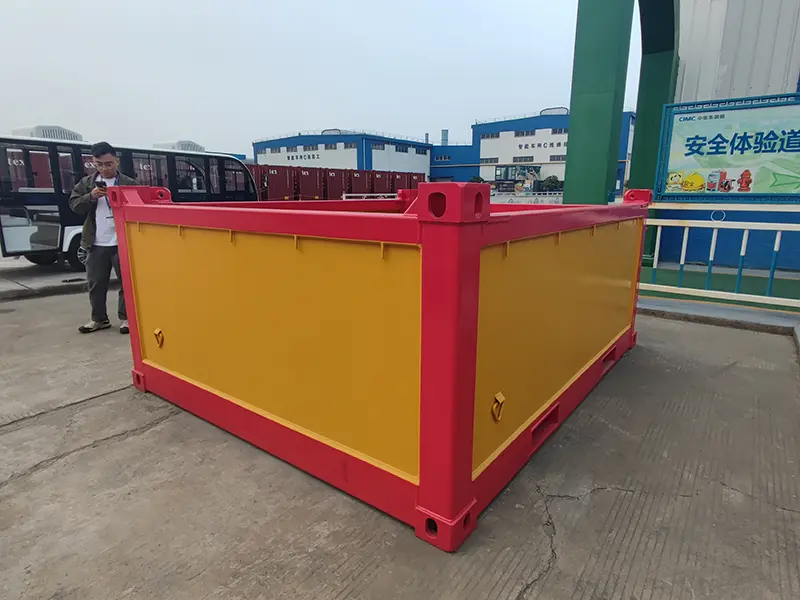
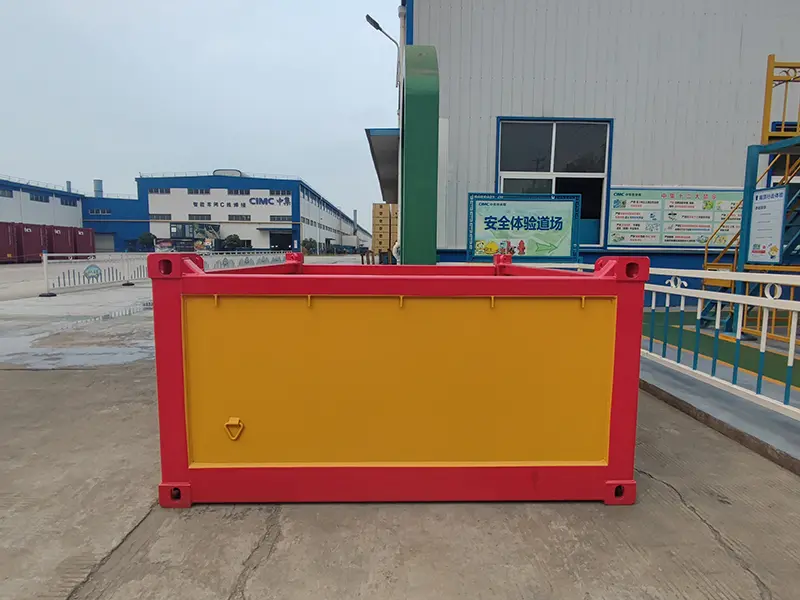
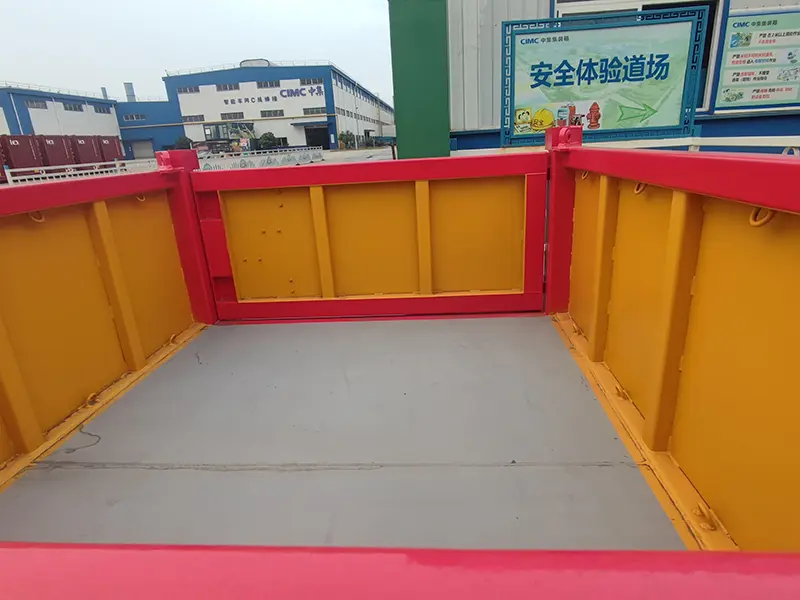
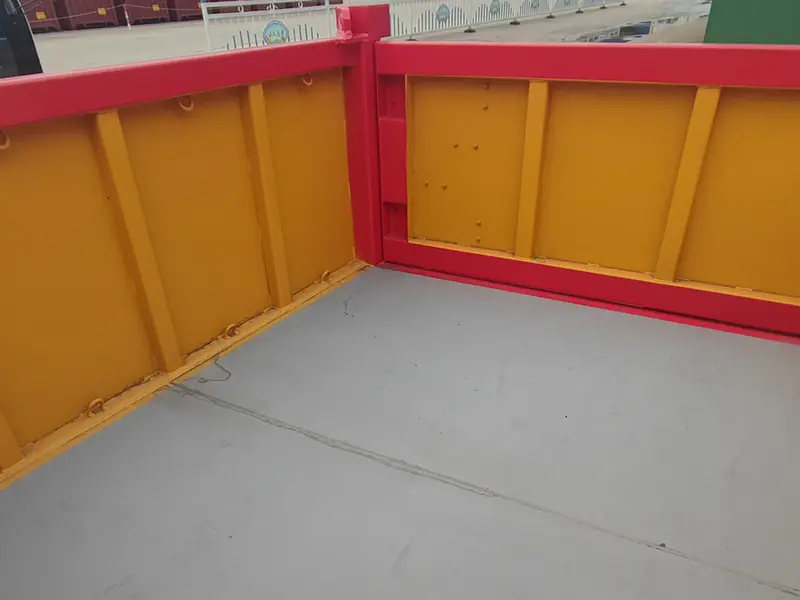
It does not have a closed top plate, which is suitable for transporting larger goods and can meet the needs of offshore oil platforms for the transportation of large equipment. During the loading and unloading process, large goods can be directly lifted in or out from the top by lifting equipment, without the need to load and unload from the side like ordinary containers, which greatly improves the loading and unloading efficiency.
Due to frequent use in the marine environment, the surface of the offshore basket container has been specially painted or made of corrosion-resistant materials, which has good corrosion resistance and can effectively prevent metal components from being severely corroded in the marine environment, extending the service life of the container and reducing maintenance costs.
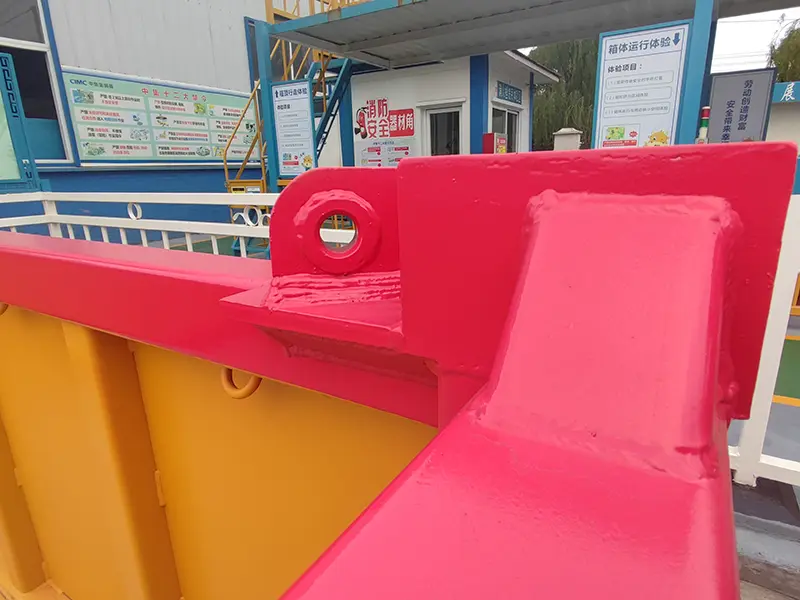
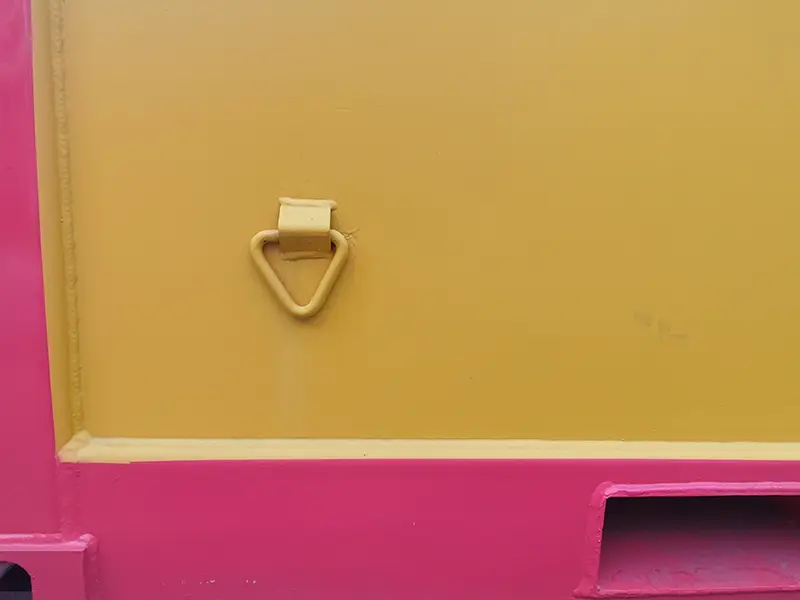
Lifting devices such as lifting ears are usually fixed on the side of the box. The position and structure of these lifting ears are reasonably designed and can be used in conjunction with lifting equipment such as slings to conveniently and quickly lift or lower the container and its loaded goods from the ship, realizing efficient cargo transfer between marine transportation and offshore platforms.
The production and certification of offshore basket containers need to meet a series of strict requirements and standards such as DNV2.7-1. These standards cover all aspects such as design, manufacturing, inspection and testing, ensuring the quality and safety of the containers so that they can be used reliably in harsh marine environments.
Frequently Asked Questions
They are widely applied in offshore wind power projects, offshore oil extraction operations, offshore engineering construction, and marine scientific research and investigation, among others.
Prices vary depending on specific dimensions, material grades, payloads, and structural configurations. Please contact our sales team to receive a tailored quotation.
They must strictly comply with industry standards including DNV 2.7-1, DNV 2.7-2, DNV 2.7-3, and EN 12079 for marine and offshore lifting safety.
The rounded design minimizes wave impact resistance during maritime transit, enhances overall hydrodynamic and structural stability, and prevents accidental damage from container collisions.
High-strength weathering steel (such as Corten) or stainless steel is primarily used, complemented by advanced marine-grade protective coatings to withstand harsh saline and humid environments.