1 / 3
ODM New DNV Certification Offshore Half-Height Open Top Container Products, Exporters
Product Description
Product Introduction
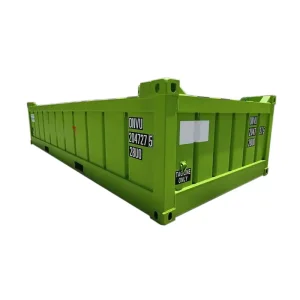
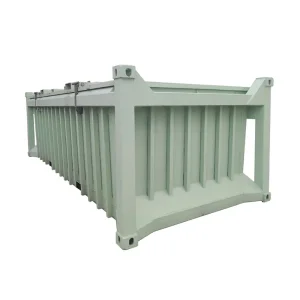
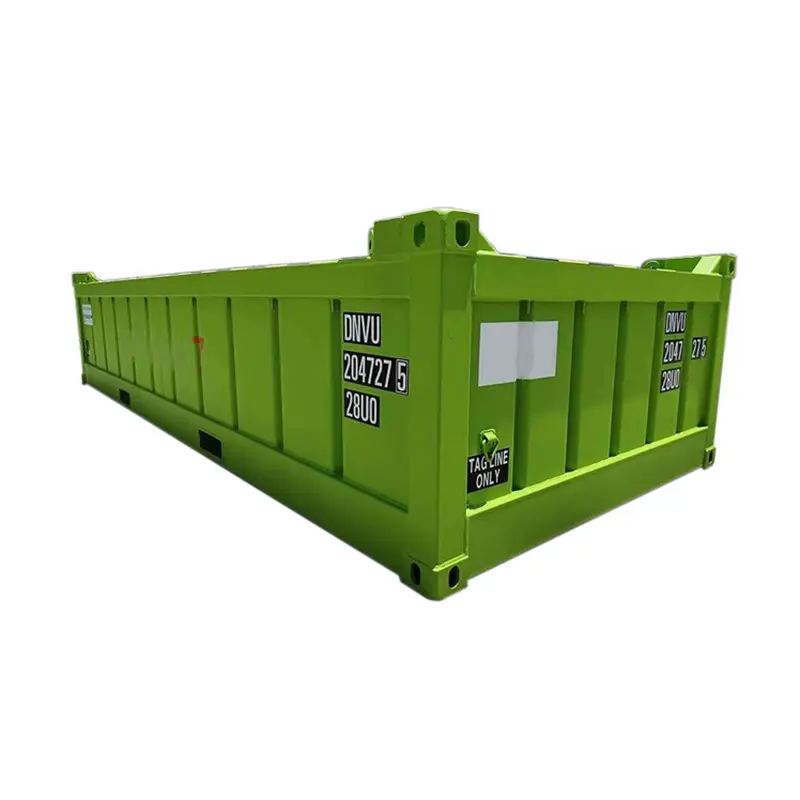
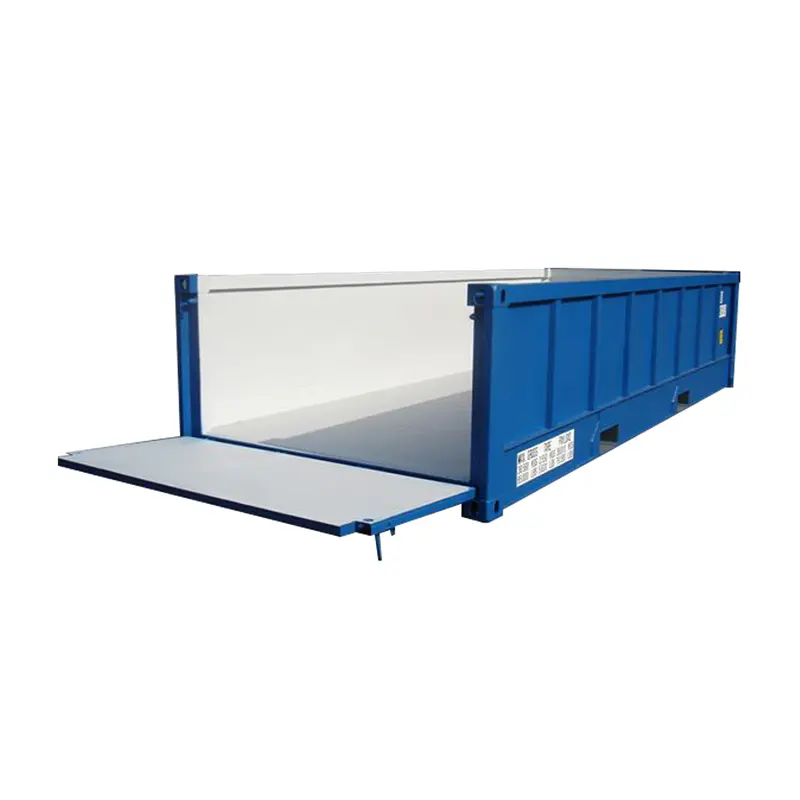
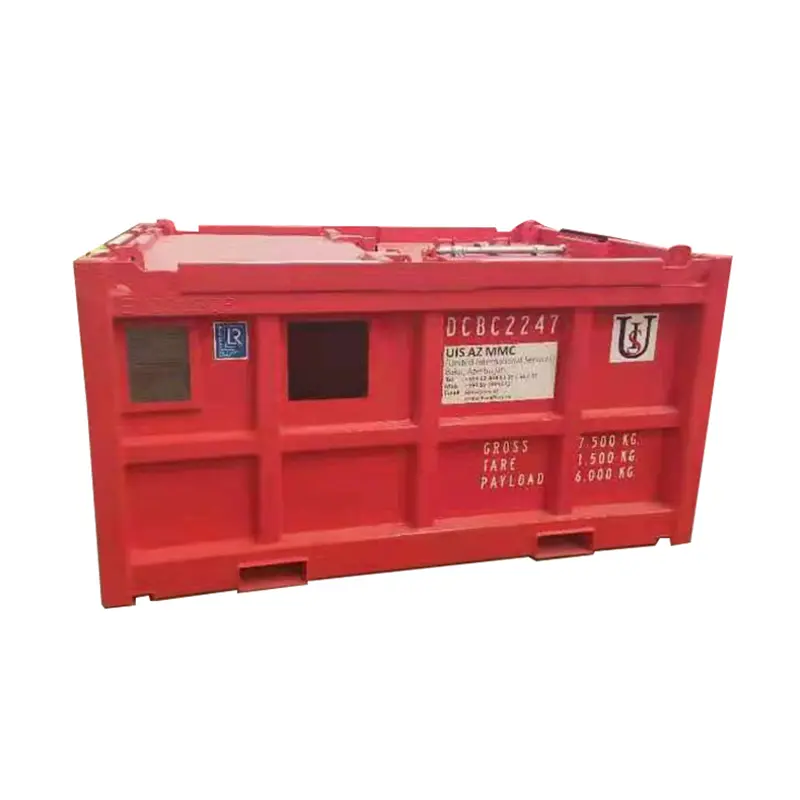
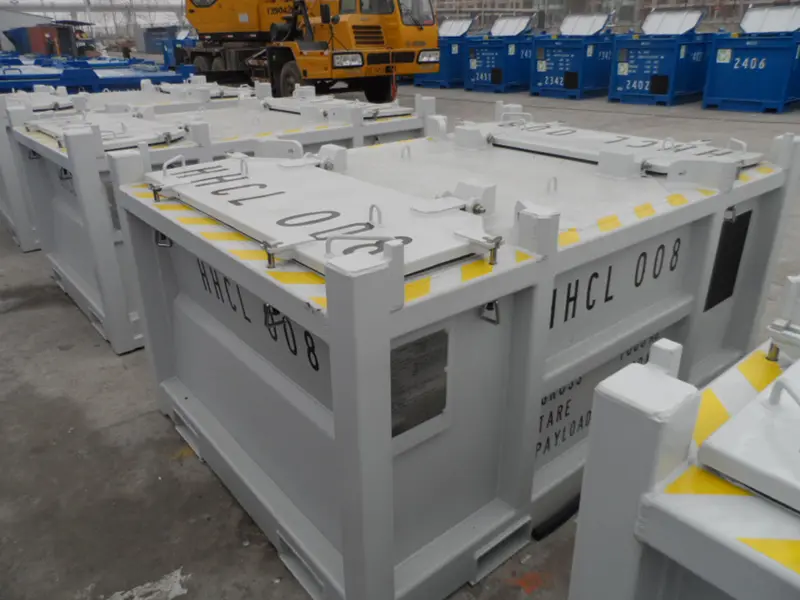
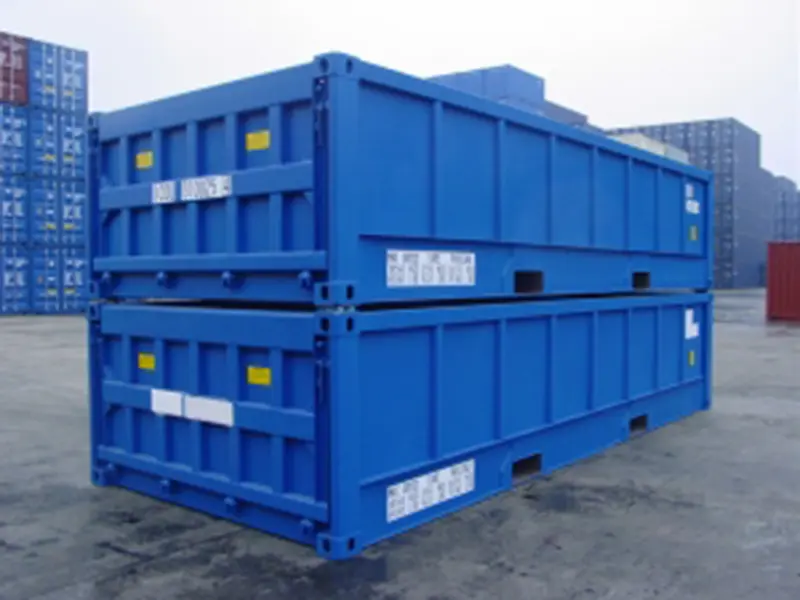
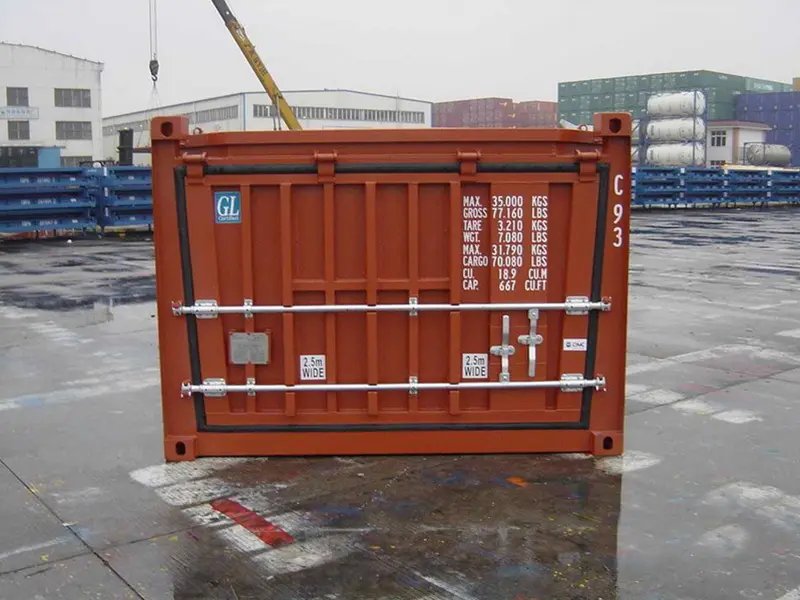
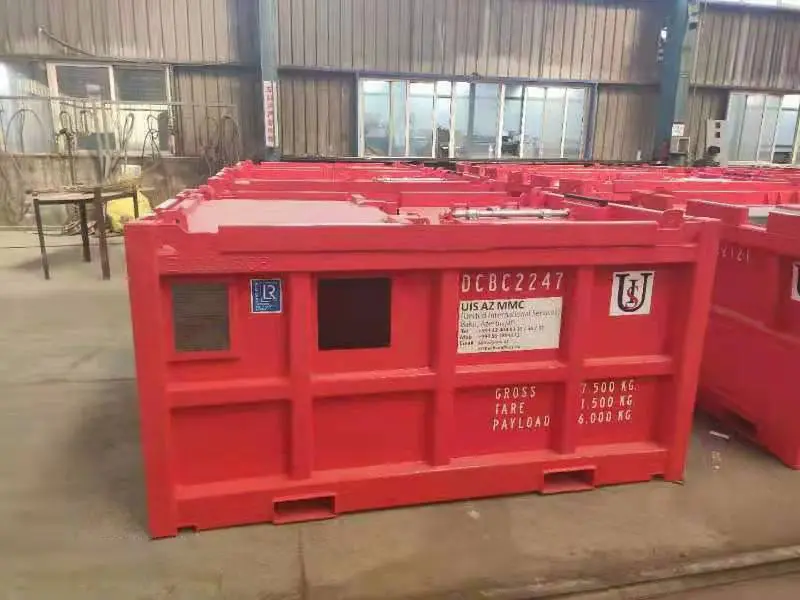
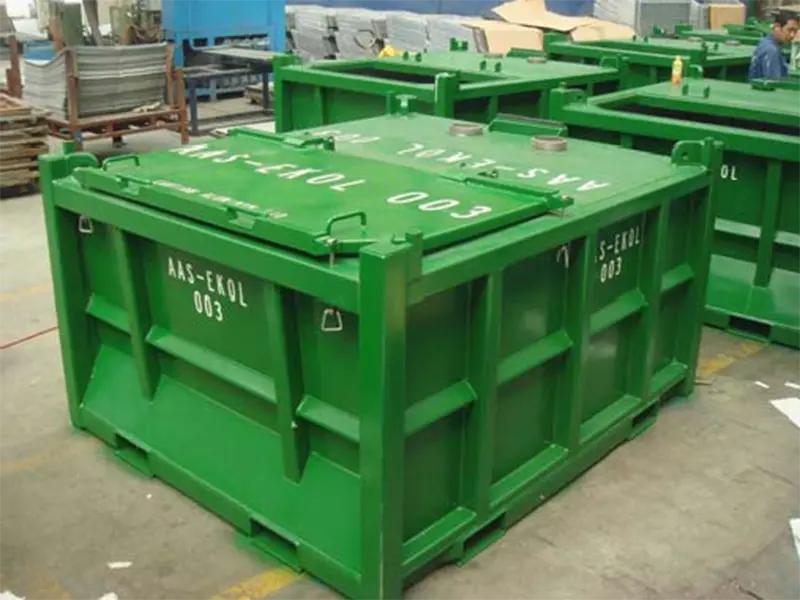
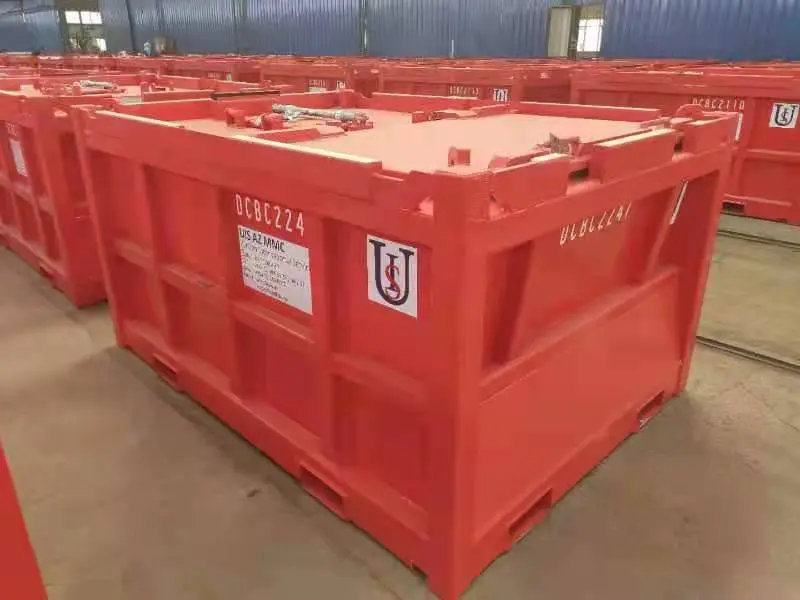
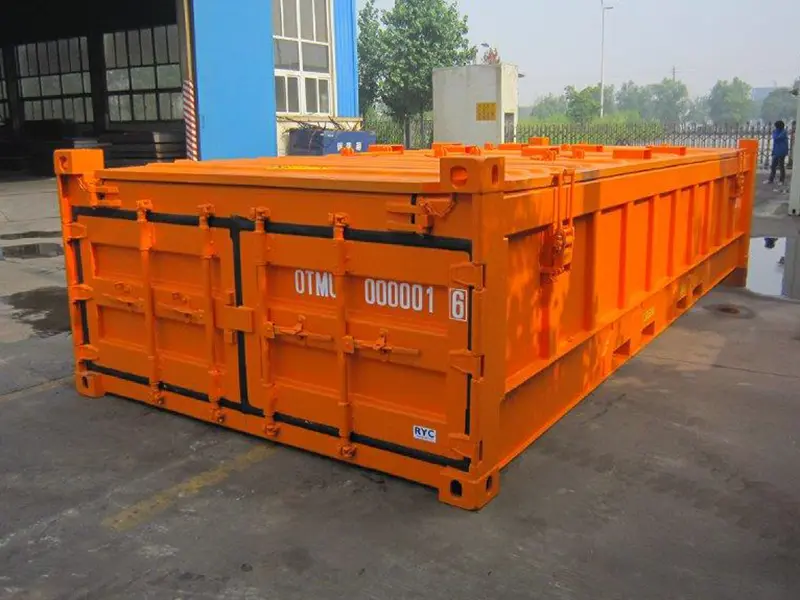
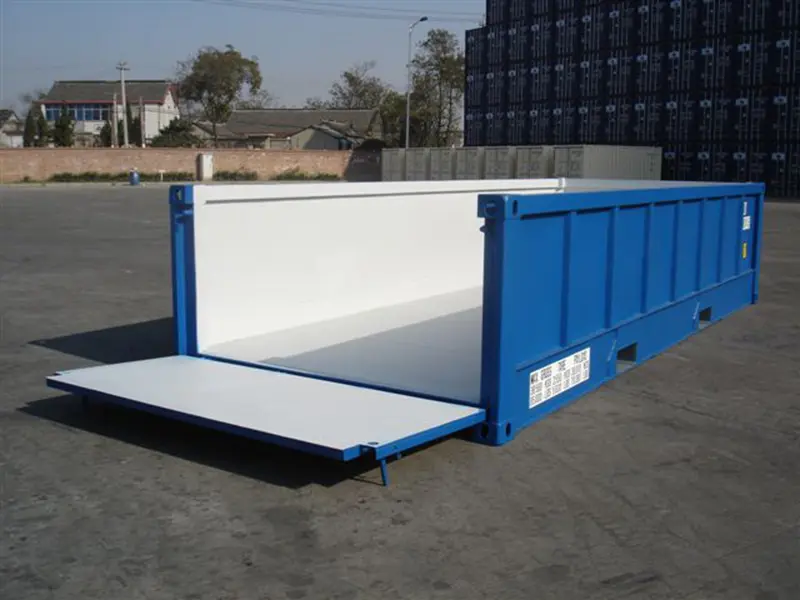
The offshore semi-high open top container is a specialized unit engineered primarily for offshore transport operations. Its main support framework is welded from premium high-strength steel, featuring uniquely designed corner columns and beams capable of withstanding considerable stacking pressure, dynamic sea-voyage movement, and heavy impacts. Despite its lower profile semi-high structure, the frame retains optimal structural strength to maintain complete cargo safety in harsh maritime environments.
A distinctive feature of this container is its functional open top design. The top opening occupies a substantial portion of the upper surface and comes fitted with a durable, foldable, or detachable tarpaulin secured tightly with heavy-duty ropes and buckles. This setup allows for quick opening or full disassembly when loading and unloading cargo, followed by swift, weather-tight resealing to preserve cargo protection in all offshore sea conditions.
Product Specification
| External Dimension (mm) | 2100 × 1700 × 1280 |
Dimensions of containers of different sizes vary. Detailed parameters and custom specifications can be provided by contacting our engineering team.
Key Advantages
● High Flexibility
In offshore transport routes where ports are closely spaced and freight turnover demands are rigorous, the top-loading configuration eliminates the delays of end-door maneuvering required by standard units. Large, heavy cargo can be hoisted directly via overhead cranes, minimizing vessel turnaround times. Furthermore, the compact vertical profile allows flexible multi-tier vessel stacking tailored to available deck room.
● Cost-Effectiveness
Compared to custom-built shipping cradles or oversized transport equipment, offshore semi-high open top containers present a substantially lower procurement and maintenance footprint. Their optimized standard-compliant fabrication offers an economical, highly dependable alternative for shipping heavy, bulky, or out-of-gauge offshore equipment.
Frequently Asked Questions
How do half-high containers withstand pressure from above when stacked?
Half-high containers are engineered specifically for multiple-tier stacking. The upper frame is heavily reinforced to distribute downward loads directly into the four main corner columns, which possess superior compressive yield strength to safely withstand multi-layer stacking under marine transit conditions.
What are the advantages of the open top design for loading and unloading large goods?
The open top design provides unobstructed overhead crane access. For oversized machinery, heavy subsea tools, and irregular structural components, goods can be dropped directly into position without horizontal sliding or clearance constraints.
How is cargo protected from adverse weather during sea voyages?
The open top is covered by a reinforced, waterproof tarpaulin firmly secured with industrial tie-down buckles and ropes. This creates an effective barrier against sea spray, rainfall, and wind exposure while at sea.
Can these semi-high open top containers be customized to specific dimensions?
Yes, while standard sizes such as 2100 × 1700 × 1280 mm are available, custom length, width, and height configurations can be engineered based on specific project cargo requirements and deck weight limits.
Why are semi-high containers preferred over standard height containers for dense cargo?
Dense items like pipes, tools, drilling hardware, and gravel reach weight limits long before volume limits. A half-height profile lowers the center of gravity, improves transport stability, and prevents empty vertical dead space on cargo vessels.
How does the semi-high profile improve vessel space utilization?
Due to their reduced height, multiple half-high units can be stacked efficiently within standard vessel cell guides or deck footprints, allowing operators to maximize payload capacity without exceeding vessel height clearances.