
Primary ISO Intermodal & Specialized Units
Factory-direct ISO compliant configurations manufactured in strict accordance with ISO 668, ISO 1496-1, CSC safety conventions, and Bureau Veritas inspection standards.
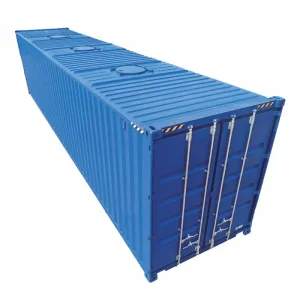
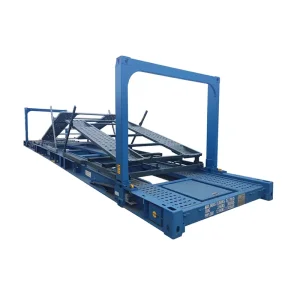
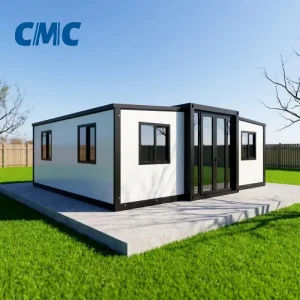

The Architecture of Modern ISO Standard Container Engineering
Analyzing the technological advancements, metallurgical specifications, and regulatory frameworks modern shipping container factories deploy to secure the world's intermodal supply chain.
In modern intermodal freight transport, the ISO Standard Container functions as the indivisible structural unit of global commerce. Standardized under the International Organization for Standardization (notably ISO 668, ISO 1496-1, ISO 1161, and ISO 6346), these modular steel structures are engineered to endure dynamic multi-axial stresses across oceanic voyages, high-speed rail lines, and rugged highway chassis routes. Modern container manufacturing has transitioned far beyond simple corrugated steel welding into an advanced domain of high-precision metallurgical engineering, automated robotic fabrication, and closed-loop quality control.
At the center of global industrial output, certified factories like CIMIC Group (Tianjin Cimic Imp&Exp Co., Ltd.), with specialized operations operating continuously since 1983, have spearheaded this technological evolution. Sourcing containers for multi-million-dollar logistics projects or global container-leasing fleets demands an exhaustive understanding of metallurgical integrity, corner casting tolerances, floor plank deflection coefficients, automated zinc-rich anti-corrosion primer application, and thermal barrier efficiency in refrigerated variants.
Structural Metallurgy (SPA-H)
Every structural panel, crossmember, and header utilizes Japanese Standard JIS G3125 SPA-H or equivalent Corten-A weathering steel. Under atmospheric exposure, this alloy develops an impervious patina barrier that decelerates oxidation rates by 400% compared to mild carbon steels.
Corner Castings (ISO 1161)
Cast from heat-treated, low-temperature impact-resistant SCW480 cast steel, these precision-machined elements withstand up to 86,400 kg of compressive vertical load per corner post during 9-high container vessel stacking sequences under severe roll-pitch conditions.
Flooring & Load Deflection
Fabricated using 28mm 19-ply hardwood veneers or sustainably certified multi-ply engineered bamboo composites, treated with anti-fungal preservatives according to Australian Quarantine (AQIS) standards and load-tested for 7,260 kg axle loads.
China Industry 4.0: Supply Chain Resilience & Manufacturing Scalability
How automated production lines, vertical raw material integration, and proximity to maritime shipping corridors deliver unmatched procurement certainty for global fleet operators.
The global container supply chain relies overwhelmingly on Chinese manufacturing ecosystems, which account for over 90% of worldwide intermodal equipment output. This dominance is not simply a matter of volume; it is driven by technological sophistication, advanced Industry 4.0 integration, and unparalleled localized supply chain density. At facilities located in the industrial hubs of Tianjin and Suzhou, the transformation toward digitalized, intelligent manufacturing ensures tight dimensional tolerances and surface coating durability.
In automated Chinese factories, raw Corten steel hot-rolled coils are processed through high-speed automated uncoiling and precision laser slitting machines. Corrugated side panels and roof sheets are cold-formed in continuous automated press lines, minimizing residual structural stress. Robotic multi-axis welding cells equipped with real-time visual tracking execute consistent submerged arc welding (SAW) and metal active gas (MAG) welds, completely eliminating porosity, lack of fusion, or uneven bead geometry that could otherwise lead to premature failure under marine wave fatigue.
Automated Surface Blasting
Every assembled bare container frame passes through an enclosed automated centrifugal shot-blasting chamber, achieving a Swedish Standard Sa 2.5 cleanliness profile. This guarantees optimal surface roughness for maximum primer bonding strength.
Eco Waterborne Coatings
Fully compliant with global VOC decarbonization standards, advanced 3-coat eco-friendly waterborne paint lines apply zinc-rich epoxy primers, high-build epoxy intermediate coats, and polyurethane or acrylic topcoats totaling 120-140 microns dry film thickness (DFT).
High-Density Polyurethane
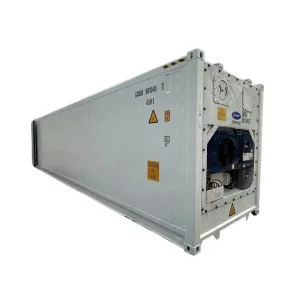
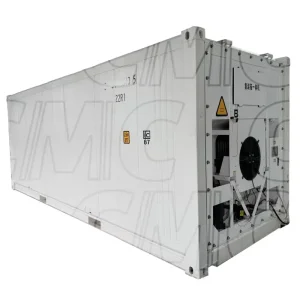
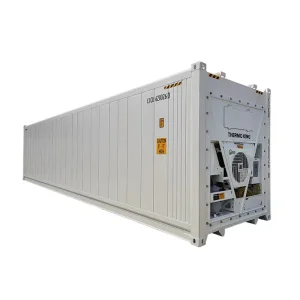
Reefer container production lines utilize pressurized 24-station cyclical polyurethane foaming fixtures. High-pressure cyclopentane-blown PUR is injected into sandwich walls, delivering a thermal conductivity coefficient lower than 0.38 W/m²·K.
Port-Centric Logistics Hub
Situated within 100 kilometers of the deep-water maritime ports of Tianjin and Shanghai/Ningbo, containers transit seamlessly from the factory gate to berth terminals, eliminating inland transfer costs and cutting lead times by days.
ISO Standard Container Specifications & Structural Matrix
Comprehensive technical metrics verifying volumetric capacity, gross payload capabilities, tare weights, and standardized operational classifications across critical container classes.
| ISO Series / Model | External Dims (L × W × H) | Internal Dims (L × W × H) | Internal Vol. | Max Gross Mass | Tare Weight | Max Payload | Primary Industrial Application |
|---|---|---|---|---|---|---|---|
| 20ft Dry Cargo (20GP) ISO 1CC |
6,058 × 2,438 × 2,591 mm (20'0" × 8'0" × 8'6") |
5,898 × 2,352 × 2,393 mm (19'4" × 7'8" × 7'10") |
33.2 m³ (1,172 cu ft) |
30,480 kg (67,200 lbs) |
2,200 kg (4,850 lbs) |
28,280 kg (62,350 lbs) |
Heavy dense industrial cargo, steel coils, bagged minerals, machinery. |
| 40ft Dry Cargo (40GP) ISO 1AA |
12,192 × 2,438 × 2,591 mm (40'0" × 8'0" × 8'6") |
12,032 × 2,352 × 2,393 mm (39'5" × 7'8" × 7'10") |
67.7 m³ (2,390 cu ft) |
30,480 kg (67,200 lbs) |
3,750 kg (8,265 lbs) |
26,730 kg (58,935 lbs) |
General palletized merchandise, consumer retail, packaged automotive parts. |
| 40ft High Cube (40HC) ISO 1AAA |
12,192 × 2,438 × 2,896 mm (40'0" × 8'0" × 9'6") |
12,032 × 2,352 × 2,698 mm (39'5" × 7'8" × 8'10") |
76.4 m³ (2,698 cu ft) |
30,480 kg (67,200 lbs) |
3,900 kg (8,598 lbs) |
26,580 kg (58,602 lbs) |
High-volume lightweight goods, electronics, furniture, modular EPC conversion. |
| 20ft Reefer (20RF) ISO 1CC Reefer |
6,058 × 2,438 × 2,591 mm (20'0" × 8'0" × 8'6") |
5,444 × 2,290 × 2,275 mm (17'10" × 7'6" × 7'5") |
28.3 m³ (1,000 cu ft) |
30,480 kg (67,200 lbs) |
3,050 kg (6,724 lbs) |
27,430 kg (60,476 lbs) |
Chilled seafood, precision pharmaceuticals, meat export, seasonal organics. |
| 40ft HC Reefer (40RH) ISO 1AAA Reefer |
12,192 × 2,438 × 2,896 mm (40'0" × 8'0" × 9'6") |
11,583 × 2,290 × 2,557 mm (38'0" × 7'6" × 8'4") |
67.8 m³ (2,394 cu ft) |
34,000 kg (74,950 lbs) |
4,480 kg (9,876 lbs) |
29,520 kg (65,074 lbs) |
Intercontinental cold chain, citrus/banana trades, biologics, dairy products. |
| DNV Offshore Container DNV 2.7-1 / EN 12079 |
Varies (Typical: 10ft/20ft Offshore Modular Footprint) |
Engineered custom internal profiles Pad-eyes & certified lifting lugs |
Task-Specific Configuration |
Up to 32,000 kg (Certified Dynamic) |
Heavier tare due to reinforced corner posts |
Dynamic Lifting Certified |
Offshore platform supply, subsea tool transport, harsh sea lifting rigs. |
Global Enterprise Procurement Dynamics & Industrial Megatrends
Examining the structural shift toward connected telematics, decarbonized manufacturing, solar cold storage, and mission-critical offshore compliance.
Purchasing strategies among major container shipping lines (e.g., MSC, Maersk, CMA CGM), intermodal equipment leasing corporations (e.g., Triton, Textainer), and global engineering contractors have evolved dramatically. Historically, procurement focused predominantly on the initial purchase price per TEU (Twenty-foot Equivalent Unit). In today's volatile supply chain landscape, enterprise procurement directors assess Total Cost of Ownership (TCO), which balances structural longevity, fatigue resistance, regulatory compliance, and life-cycle repair overhead.
IoT Telematics & Smart Containers
Modern fleets are transitioning into intelligent edge-connected endpoints. Factory-installed wireless telematics modules integrate satellite GPS, door open/close optical sensors, temperature/humidity monitors, and internal 3-axis accelerometer shock sensors. Operating under open protocols (DCSA standards), these units transmit end-to-end data directly into cloud visibility dashboards.
Solar-Hybrid Reefer Technologies
Driven by decarbonization initiatives and volatile fuel prices, specialized cold chains increasingly rely on hybrid refrigerated solutions. Modern 20ft and 40ft units feature roof-integrated photovoltaic arrays paired with DC inverter scroll compressors, reducing diesel generator fuel burn by up to 45% during rail transit and remote terminal dwell periods.
Severe Offshore Safety (DNV 2.7-1)
Offshore exploration across the North Sea, Gulf of Mexico, and West African deep-water basins mandates strict adherence to DNV GL 2.7-1 / EN 12079 certifications. Unlike standard maritime containers, offshore modules feature heavy-duty steel tubular frames, dynamic lifting padeyes, non-destructive testing (NDT), and Charpy impact-tested steel at -20°C to -40°C.
Localized Engineering Solutions Across Diverse Global Climates
How container structural designs are engineered to maintain structural integrity across arctic temperatures, hyper-saline maritime zones, and arid desert heat.
Sub-Zero Eurasian Rail
Standard carbon steel experiences ductile-to-brittle transitions at -20°C. Units built for Trans-Siberian and northern corridor rail lines utilize modified micro-alloyed steels with enhanced manganese and nickel chemistries, alongside cold-rated silicone door gaskets rated down to -50°C.
Middle East Desert Solar Loads
Desert logistics hubs experience ambient temperatures above +50°C and severe radiant solar loads. Containers engineered for Middle Eastern corridors deploy specialized infrared-reflective ceramic thermal barrier topcoats, decreasing internal roof temperatures by up to 18°C.
Tropical Maritime Saline Fog
Coastal logistics through Southeast Asia and equatorial ports expose equipment to high humidity and salt-laden atmospheres. CIMIC containers deploy hot-dip galvanized door hardware, 316-grade stainless steel hinge pins, and dual EPDM bulb gaskets to prevent premature corrosion.
Modular Industrial EPC Sites
Modern remote infrastructure projects—such as green hydrogen facilities, battery energy storage systems (BESS), and water treatment stations—require structural container conversions engineered to withstand precise seismic, wind, and concentrated floor loads.
Standard Operating Procedure: 5-Stage Manufacturing & Export Verification
Every standard and custom container follows a systematic manufacturing quality control protocol verified by classification societies including Bureau Veritas (BV), ABS, and DNV.
Engineering Drafting & FEA
Initial CAD modeling and Finite Element Analysis (FEA) validate stress distribution across corners, bottom sills, and crossmembers under static and dynamic loads.
Steel Stamping & Robotic Welding
Corten-A SPA-H coils are stamped, cold-formed, and positioned in precision fixtures where multi-axis robotic welders execute structural joints.
Sa 2.5 Blasting & Coating
Automated shot-blasting removes mill scale and rust, followed by multi-coat waterborne paint systems delivering tested resistance against 1,000+ hours of continuous salt spray testing.
Type Testing & CSC Approval
Units undergo high-pressure hydraulic floor load tests, corner post racking tests, transverse bending tests, and continuous 1-bar high-pressure water hose seal tests.
Port Staging & Clearances
Finished containers are transferred from the Tianjin or Suzhou factories directly to the seaport terminal, with complete CSC plates, BV certificates, and customs documentation.
Frequently Asked Questions: ISO Container Engineering & Procurement
Comprehensive technical guidance addressing structural certifications, metallurgical tolerances, reefer refrigeration machinery, and custom manufacturing processes.
What structural certifications and standards do your ISO containers comply with?
Our standard intermodal shipping containers are engineered in full compliance with ISO 668 (series 1 freight containers classification, dimensions, and ratings), ISO 1496-1 (specification and testing of general cargo containers), ISO 1161 (corner casting specifications), and ISO 6346 (coding, identification, and marking). Every shipping unit is certified under the International Convention for Safe Containers (CSC), inspected by internationally recognized classification societies such as Bureau Veritas (BV), ABS, or Lloyd's Register. For specialized offshore variants, units are built to meet DNV GL 2.7-1 and EN 12079 requirements for dynamic offshore lifting.
Why is Corten-A / SPA-H weathering steel the required standard for intermodal containers?
Corten-A (equivalent to Japanese JIS G3125 SPA-H) is a specialized atmospheric corrosion-resistant alloy enriched with copper, chromium, and nickel. When exposed to ocean environments and humidity cycles, it develops an adherent protective iron hydroxy-oxide patina layer that seals the underlying substrate against oxygen and water ingress. This dense passivating layer reduces structural corrosion rates fourfold compared to standard structural carbon steels, maintaining structural safety and preventing wall thinning over 15 to 25 years of service.
What are the mechanical floor ratings and forklift axle load capacities of standard ISO dry containers?
In accordance with ISO 1496-1 floor strength requirements, container floors are engineered to support a test axle load of 7,260 kg (16,000 lbs) exerted by an industrial forklift, with a contact area of 142 cm² per wheel. Floor panels typically consist of 28mm-thick, 19-ply marine-grade hardwood plywood or multi-ply composite bamboo boards secured with self-tapping countersunk screws to bottom crossmembers spaced every 250mm to 300mm. All flooring timber undergoes chemical preservation treatment compliant with Australian Department of Agriculture (AQIS) timber treatment standards.
Which refrigeration machinery brands and options are available for reefer containers?
Our reefer containers can be fitted with Carrier Transicold (e.g., PrimeLINE, ThinLINE), Thermo King (e.g., Magnum Plus), or Daikin (e.g., LXE series) refrigeration units. These all-electric machinery packages deliver precise temperature control ranging from -35°C to +30°C in standard configurations, and down to -65°C to -70°C in ultra-low temperature (ULT) cryogenic freezer builds. We also offer advanced options like controlled atmosphere (CA) systems, automated fresh air exchange (e-Autofresh), dual-inverter variable speed compressors, and integrated clip-on diesel generator sets (gensets) for unpowered inland transit.
Can CIMIC manufacture custom OEM/ODM containers for non-standard industrial uses?
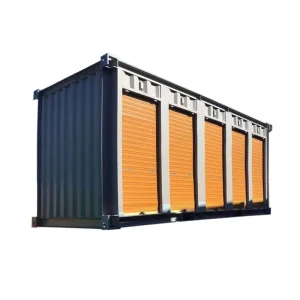
Yes. Our in-house engineering team provides complete OEM and ODM engineering services. Custom builds range from unique door configurations (e.g., full side-opening bifold doors, commercial roller shutter doors, dual end doors) to custom dimensions, heavy bulk cargo hatches, specialized internal car-racking systems, and structural housings for Battery Energy Storage Systems (BESS), mobile water treatment plants, and generator enclosures. Every custom project begins with a 3D CAD drawing, structural FEA simulation, and physical prototyping prior to volume fabrication.
Where are CIMIC's manufacturing bases located, and what are the export lead times?
CIMIC operates production facilities in Tianjin and Suzhou, strategically situated approximately 100 kilometers from the Port of Tianjin and the Port of Shanghai. Standard ISO dry containers from running production lines can typically be staged at export berths within 2 to 3 weeks of drawing sign-off. Highly customized OEM builds, specialized tank containers, or certified offshore DNV modules generally require 4 to 6 weeks, depending on component availability and third-party inspection schedules.
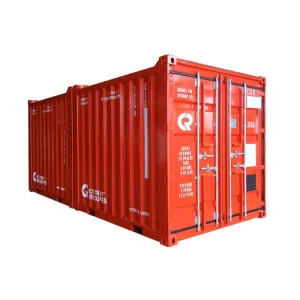
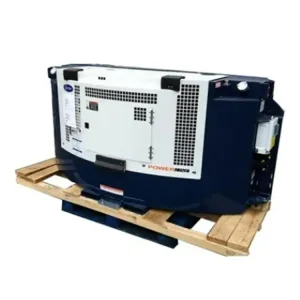
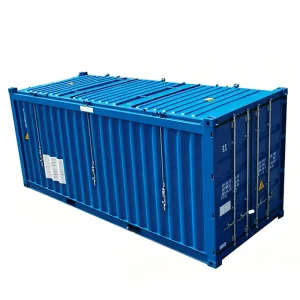
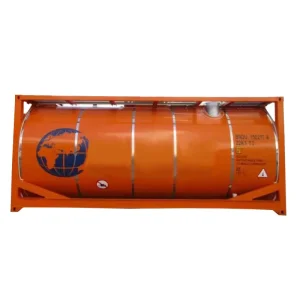
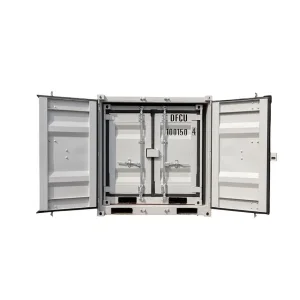
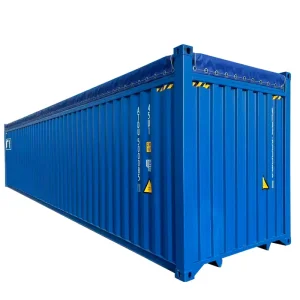
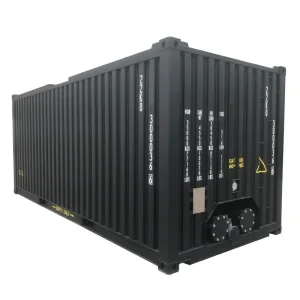
Specialized Intermodal & Heavy Industrial Equipment
Engineered for mission-critical logistics, bulk materials handling, offshore drilling rigs, and flexible modular infrastructure.

Engineer Your Intermodal Fleet With CIMIC Container Group
Connect with our technical engineering division in Tianjin to confirm equipment drawings, review third-party inspection certifications, and schedule export deliveries.
Direct Engineering Email
Submit your container specifications, payload requirements, and route profiles for comprehensive drawing review and formal quotation.
Direct WhatsApp Hotline
Connect directly with our export logistics desk for real-time stock inventories across Chinese ports and rapid order coordination.
Corporate Headquarters
Tianjin FTA Pilot Area (Airport Economic Zone), Central Avenue, Huaying Building-1134, Tianjin, People's Republic of China.