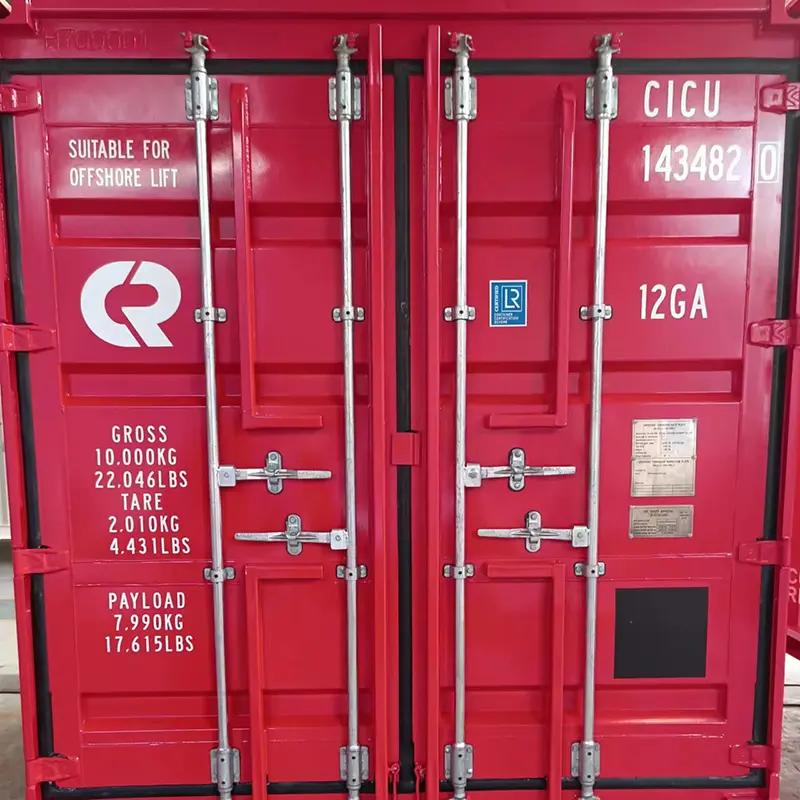
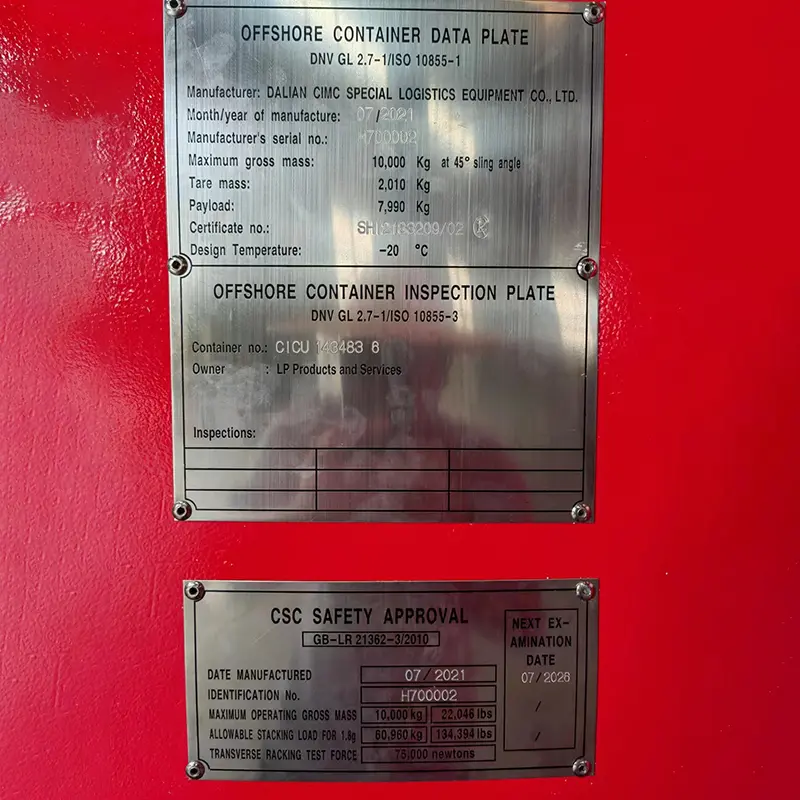
Buy New DNV Certification Offshore Dry Cargo Container Factory, Product

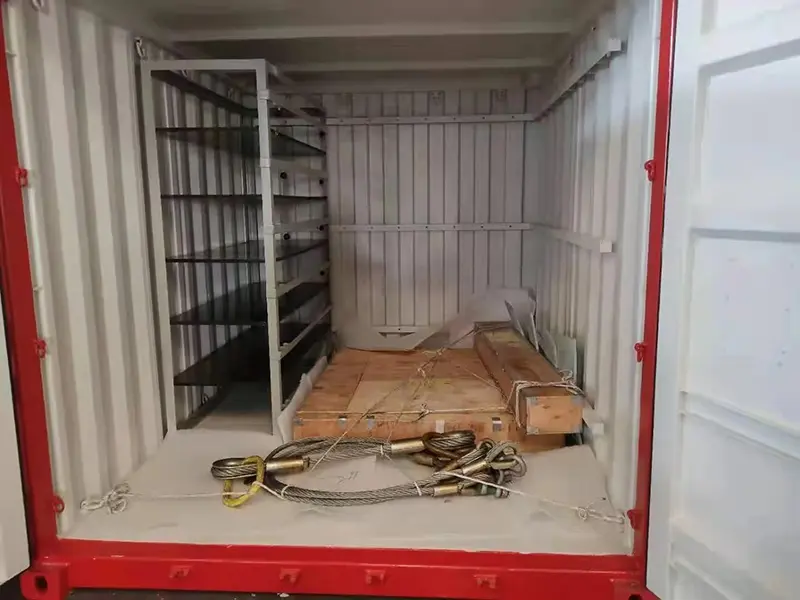
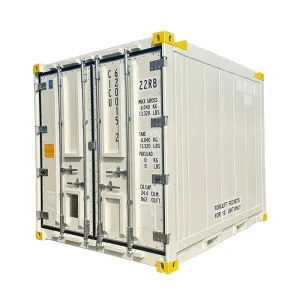
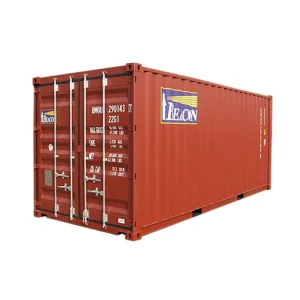
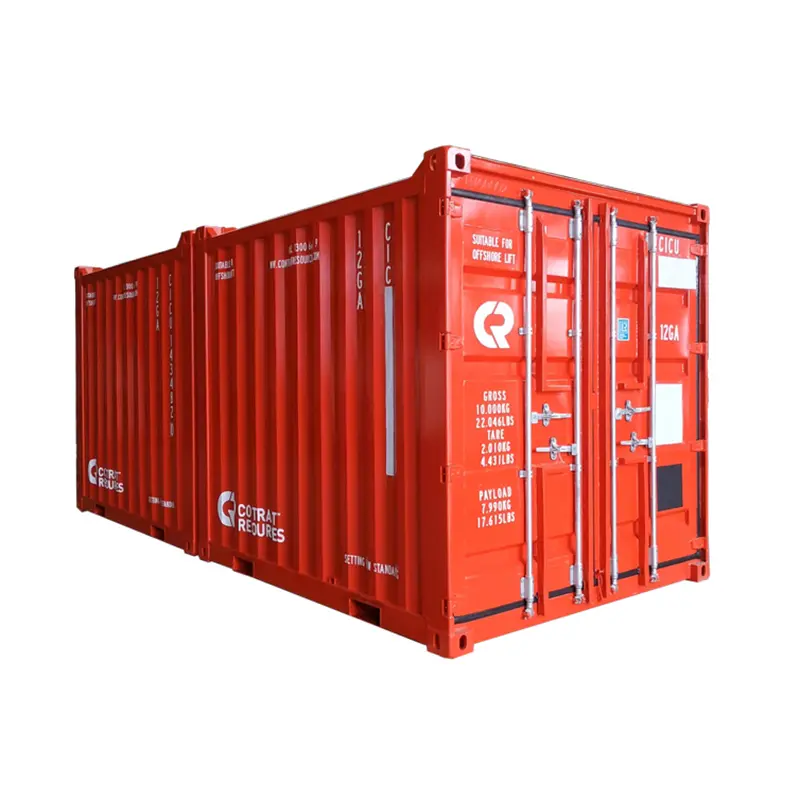
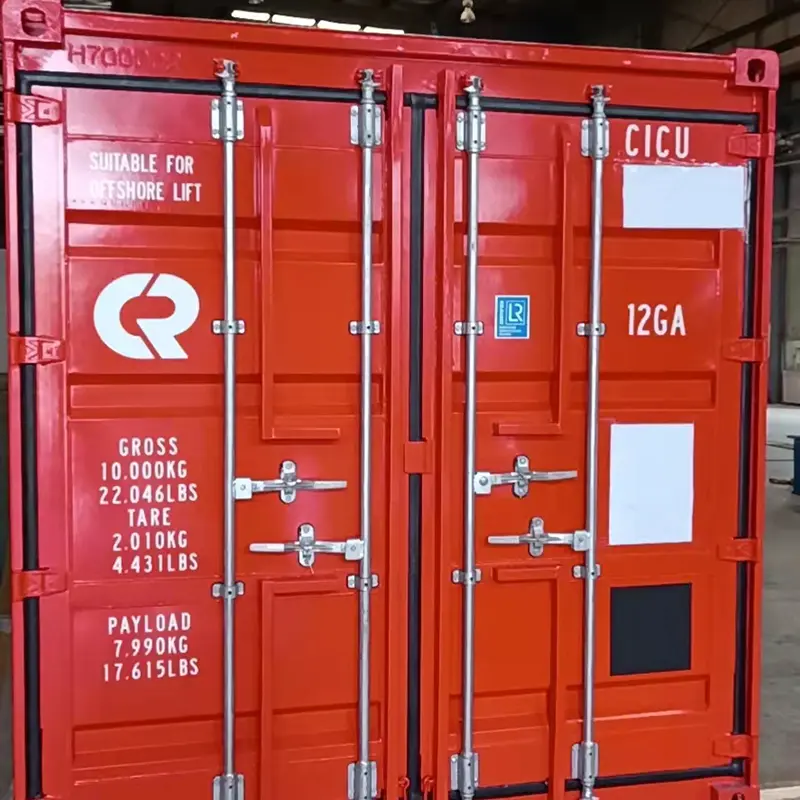
The manufacturing of offshore dry cargo containers complies with DNV certification standards and is used in offshore transportation environments. It is mainly used to load various solid goods, such as machinery and equipment, building materials, etc., to provide safe transportation and storage space for goods, ensuring that the goods are not damaged during transportation from one port to another.

Product Description

Product Introduction
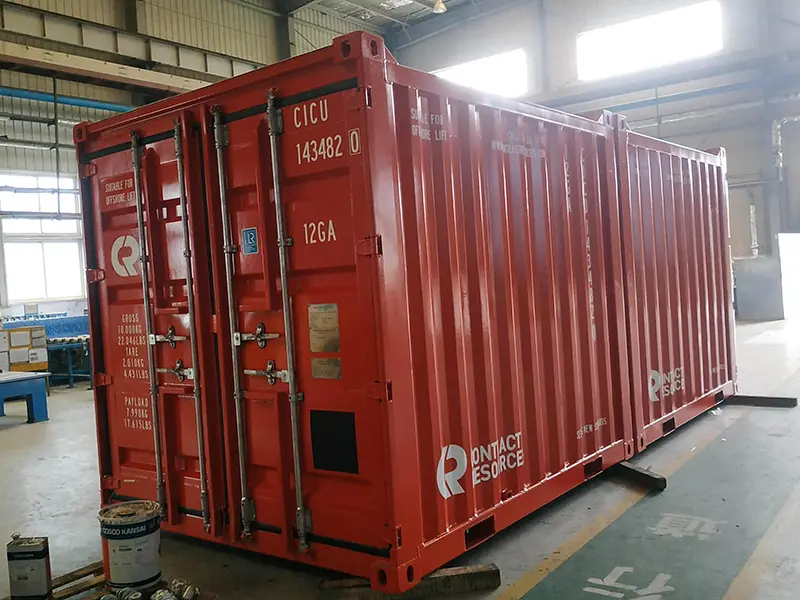
Offshore containers are containers specially engineered for harsh offshore marine environments. In this context, "offshore" refers to facilities and operations situated far from the mainland coast, including offshore oil drilling platforms, floating production storage units, and offshore wind farms. Unlike standard cargo units primarily intended for coastal port logistics, offshore containers are dedicated to equipment handling and material supply under high-stress conditions. Manufactured predominantly from high-grade weathering steel, they deliver superior resistance to saline moisture, salt spray, and corrosive ocean factors. In addition, their exterior features high-performance multi-layer anti-corrosion and wear-resistant coatings to ensure enduring structural durability.
offshore dry container
dry cargo

Product Specifications

External Dimensions (mm) 12192 × 2438 × 2896
Internal Dimensions (mm) 11590 × 2294 × 2554
Door Opening Width (mm) 2290
Door Opening Height (mm) 2569
Maximum Gross Weight 34,000 kg / 74,960 lbs
Maximum Payload 29,250 kg / 64,490 lbs
Tare Weight (±2%) 4,210 kg / 9,280 lbs

Key Advantages

Strength & Stability

Engineered to endure severe offshore dynamics such as waves and sea winds. Heavy-duty frame members, thickened structures, and reinforced corners/connections prevent deformation and failure during transit and installation on offshore facilities.

Anti-Corrosion & Weathering

Resists intense UV exposure and saline conditions. Features high-grade weathering steel, multi-layered anti-corrosion paint, and specialized galvanizing or aluminum cladding treatments on critical sections like bases and corners to maximize service life.

Offshore Securing & Fit

Equipped with precision fastening points and integrated locking mechanisms compliant with offshore platform systems. Guarantees safe lock-down on drilling units and FPSOs, eliminating risks of shifting or dislodging during severe marine motion.

Frequently Asked Questions

Q1 How waterproof is an offshore container?
Offshore containers offer significantly higher waterproof and anti-corrosive capabilities than standard containers. The weathering steel forms a dense protective oxide layer that resists moisture penetration. Additionally, rigorous shell welding standards ensure tight, non-porous welds that prevent seawater ingress.
Q2 What is the difference between ISO containers and DNV containers?
The primary distinctions between ISO and DNV (offshore) containers include:
  • Certification Standards: DNV units meet strict offshore safety and lifting certifications.
  • Structural Strength: DNV containers have reinforced structural framing and pad-eyes for harsh marine lifting.
  • Waterproof & Anti-Corrosion: Superior anti-corrosion coatings and weld inspections suited for ocean environments.
  • Intended Function: ISO containers serve general intermodal transit, whereas DNV units serve open-sea platforms.
Q3 What environments and operations are offshore containers designed for?
Offshore containers are specifically designed for demanding marine environments located far from mainland coasts. This includes offshore oil and gas drilling platforms, offshore wind farms, and floating production storage and offloading (FPSO) units.
Q4 What protective coatings are applied to ensure anti-corrosion?
The exterior is treated with multiple layers of specialized anti-corrosion paint and wear-resistant coatings. Additionally, vulnerable areas prone to heavy wear—such as the base structure and corner joints—undergo specialized galvanizing and aluminum cladding processes.
Q5 How are offshore containers secured to drilling platforms and vessels?
Offshore containers incorporate dedicated fastening points, standard interfaces, and heavy-duty locking devices at the bottom. These components interface directly with platform base structures to maintain secure positioning against ocean wave and wind forces.
Q6 What are the maximum payload and gross weight capacities?
According to standard technical specifications, the unit has a maximum gross weight of 34,000 kg (74,960 lbs), an empty tare weight of approximately 4,210 kg (9,280 lbs), and supports a maximum payload capacity of 29,250 kg (64,490 lbs).

Related Products