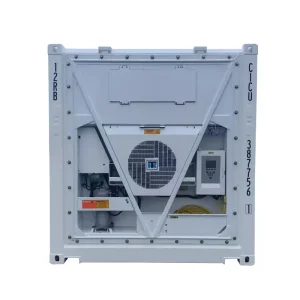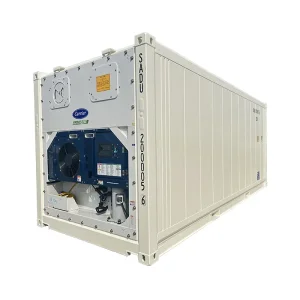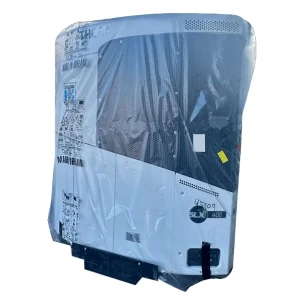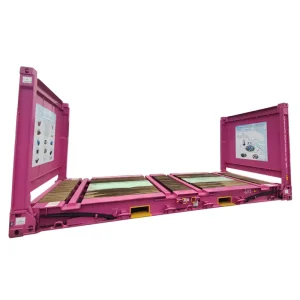
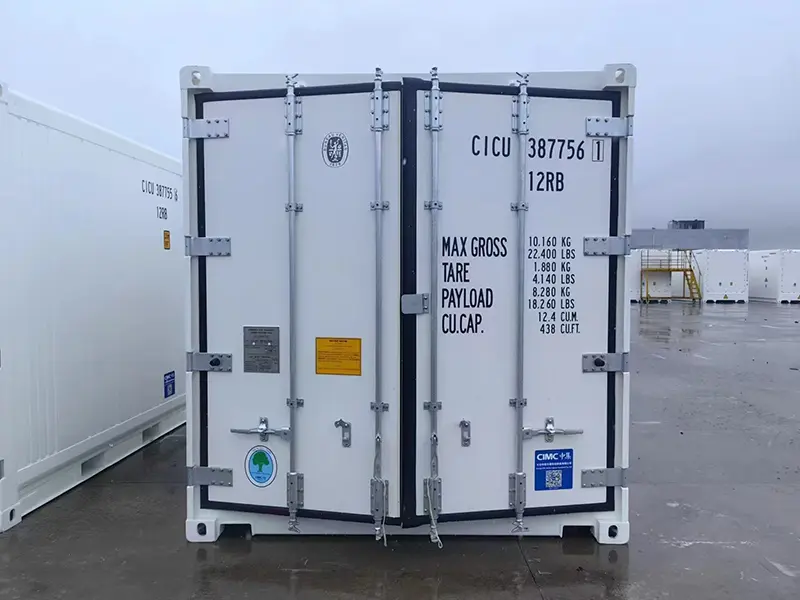
OEM 20ft Offshore Refrigerated Container DNV Certification Is More Durable Exporter, Exporters
Product Description
Product Introduction
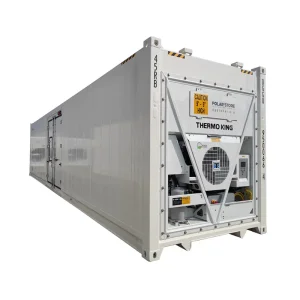
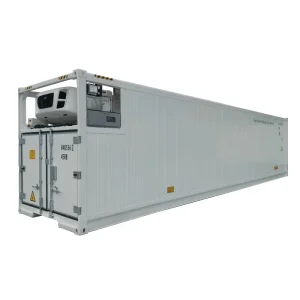
During offshore transportation, the temperature inside the box can be accurately controlled to meet the refrigeration needs of different goods. For example, for fresh fish transportation, the temperature can be controlled at 0-4℃, which can extend the shelf life of the fish and maintain its freshness and quality.
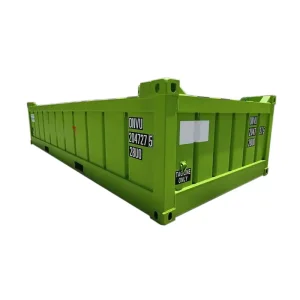
Offshore cold boxes can be easily used on various offshore transport tools, such as small cargo ships, barges, etc. Its size generally meets the specifications of international standard containers, which is convenient for loading and unloading and transportation. And it can be flexibly combined according to actual needs, such as loading multiple cold boxes on a small offshore transport ship to transport different types of refrigerated goods.
Due to the provision of a stable refrigerated environment, the deterioration and damage of goods caused by temperature changes during offshore transportation are greatly reduced. This is especially important for high-value refrigerated goods, such as imported high-end fruits or medicines, which can effectively reduce economic losses.
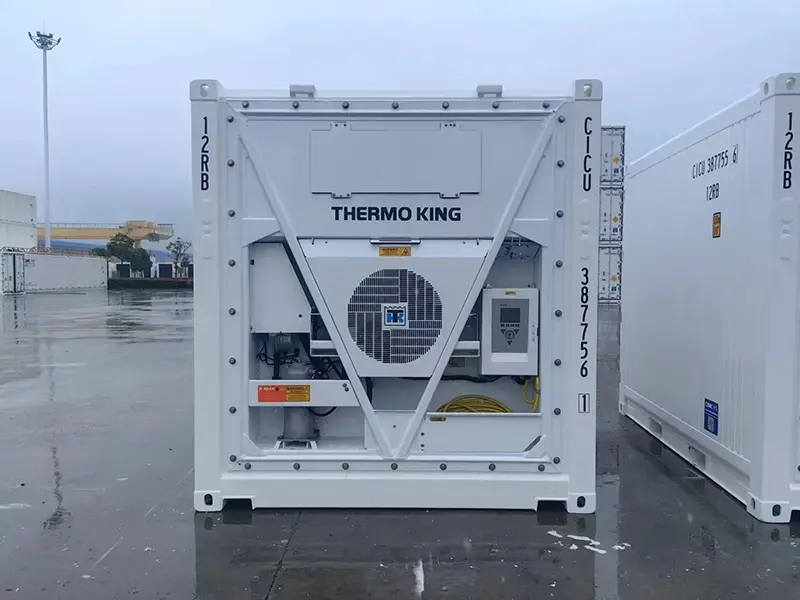
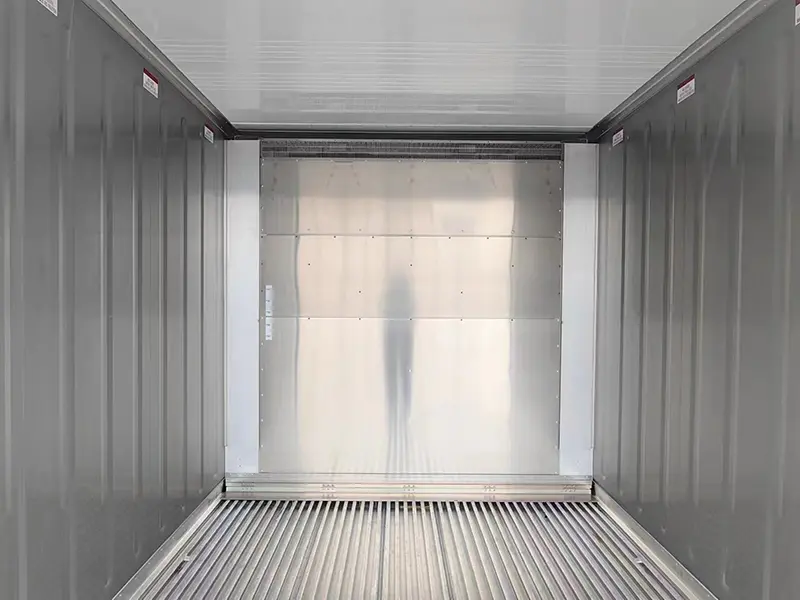
Product Specification
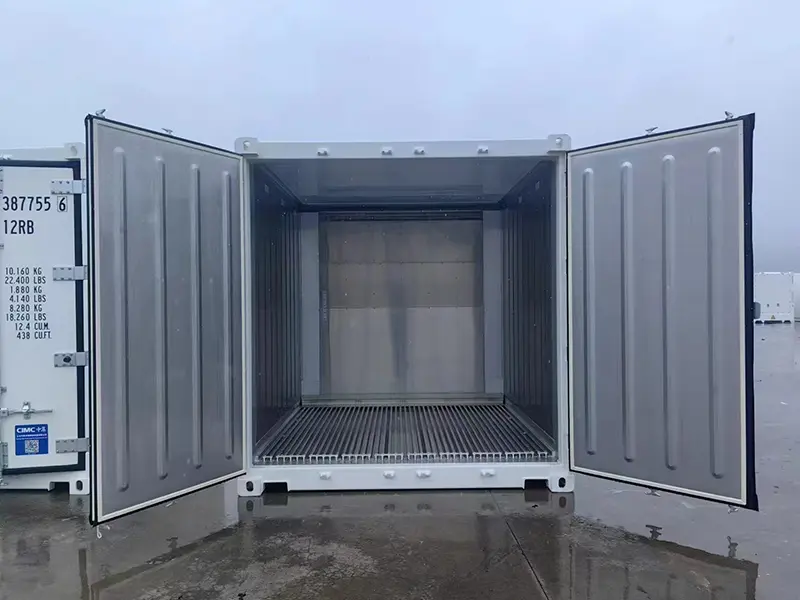
| External Dimension (MM) | 6058 * 2438 * 2591 |
| Internal Dimension (MM) | 5456 * 2280 * 2273 |
| Door Opening (Width) | 2290 mm |
| Door Opening (Height) | 2264 mm (Maximum cargo height 2221mm) |
| Volume | 28.3 m³ |
Advantages
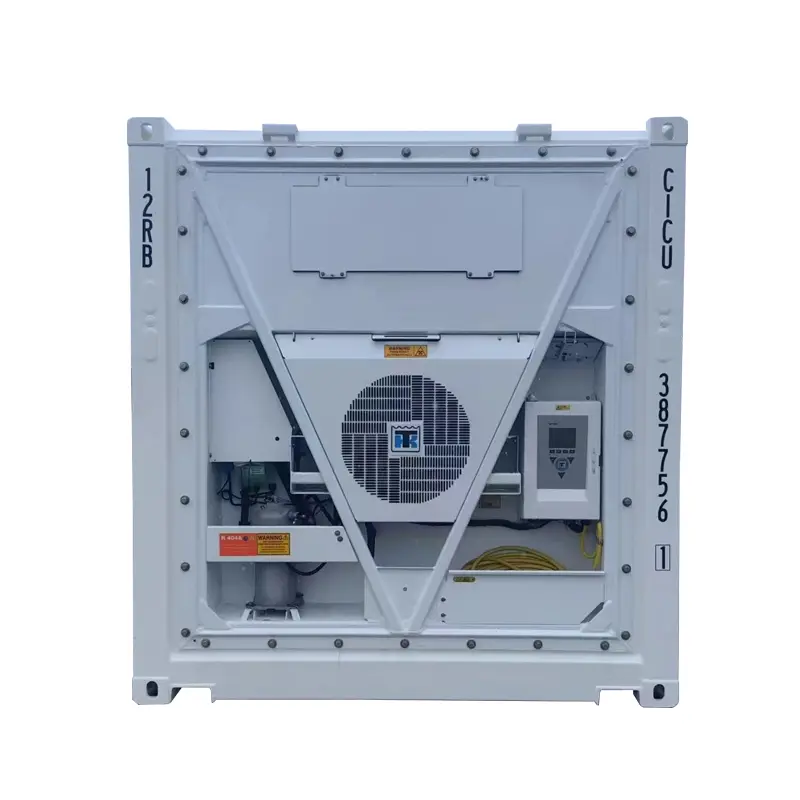
Offshore refrigerated containers are equipped with efficient refrigeration systems that can accurately control the temperature inside the container. It can stably maintain the temperature in an appropriate range according to the refrigeration needs of different goods. At the same time, during the relatively short sea transportation process, the risk of refrigeration system failure is relatively low, and if a problem occurs, it can be returned to the port for repair more quickly, thus better ensuring that the goods are always in a suitable refrigerated environment.
From the perspective of energy consumption, due to the short transportation distance, offshore refrigerated containers require relatively less refrigeration energy, which reduces energy costs. For example, compared with ocean refrigerated containers, it may not need to reserve a large amount of refrigerant and backup energy to maintain long-term refrigeration, reducing refrigerant replenishment and energy supply costs.
The size of offshore refrigerated containers generally conforms to the specifications of international standard containers, which makes it well compatible with various common port equipment and transportation tools during loading, unloading and transportation.
Due to the short transportation distance, the operating time of the refrigeration system is relatively short, thereby reducing the environmental impact of refrigerant emissions and energy consumption. In addition, some offshore refrigerated containers have begun to use more environmentally friendly refrigerants to comply with modern environmental protection requirements.
Frequently Asked Questions
When loading, the cargo stacking principle should be strictly followed to avoid short-circuiting of cold air and causing uneven cooling. The cargo should be stacked evenly, leaving enough cold air channels so that the cold air can circulate fully in the box. Regularly check and clean the evaporator and fan of the refrigeration unit to ensure their normal operation to ensure uniform distribution of cold air.
In the stacking and fixing of containers, operations must be carried out strictly in accordance with the ship's loading requirements to ensure that the position of the container on the ship is fixed to prevent displacement due to the shaking of the ship. For some severe sea conditions, measures such as reinforcing lashing and adding anti-skid pads can be taken to further improve the stability of the container.
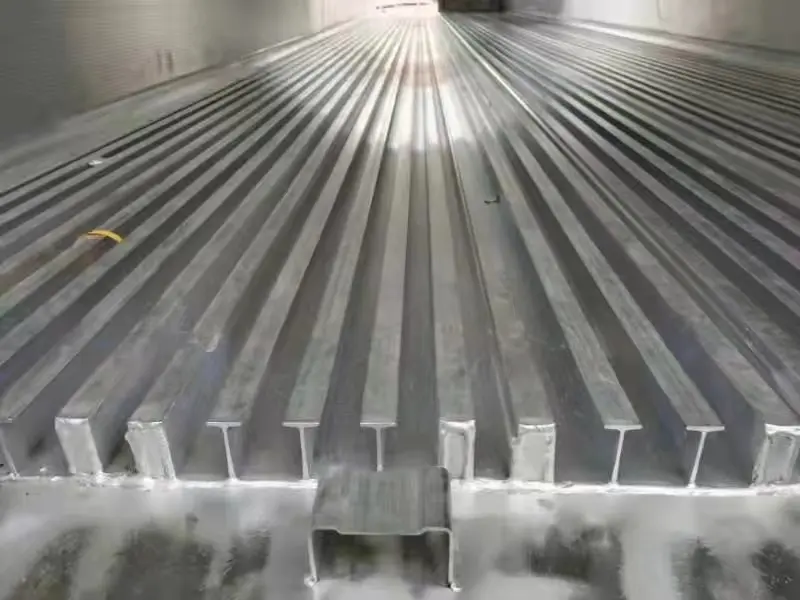
Of course, we support floor style customization and choose the solution that suits you.
They are ideal for perishable and high-value cargo requiring strict thermal management during short-distance sea transit, including fresh fish, seafood, premium fruits, and temperature-sensitive pharmaceuticals.
Yes, the external dimensions conform to international standard specifications, ensuring full compatibility with various transport tools such as barges, small cargo vessels, and standard port handling equipment.