ODM 20ft Tank Container for Alcohol Manufacturer, Quotes
Product Description
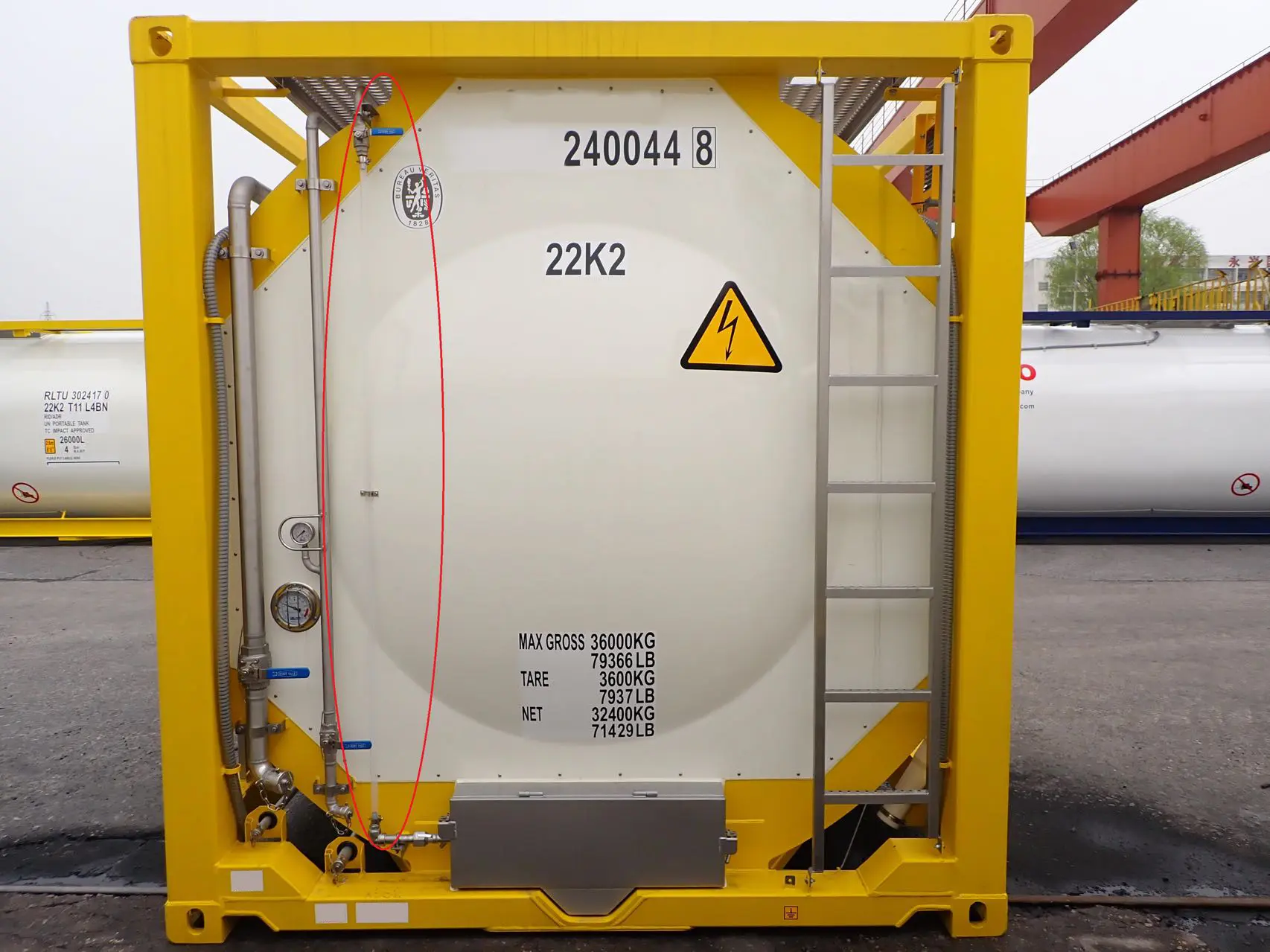
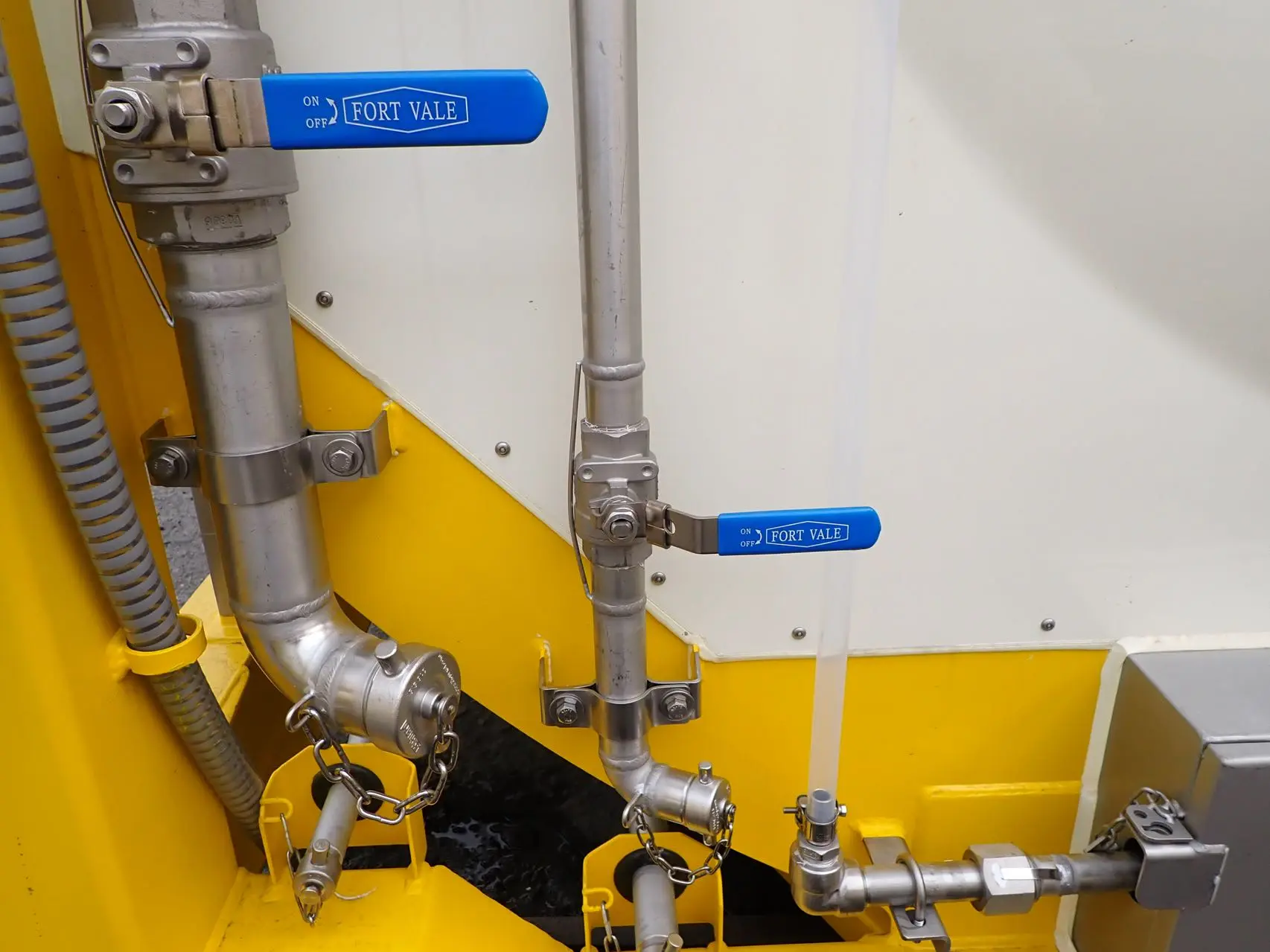
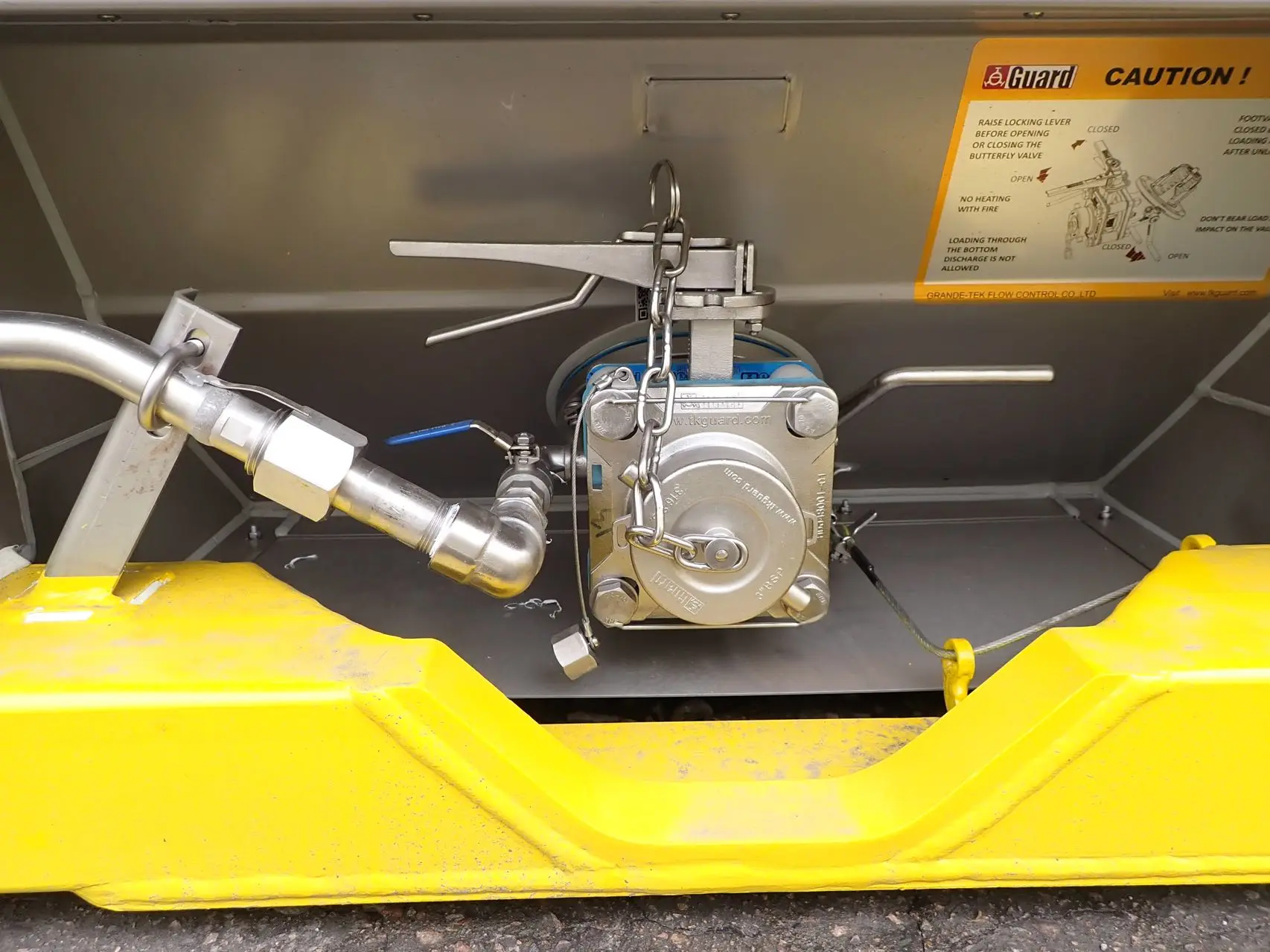
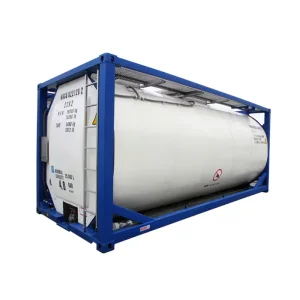
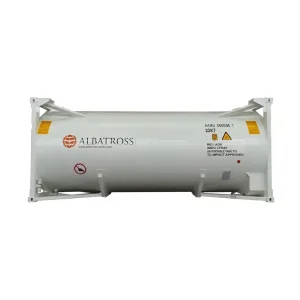
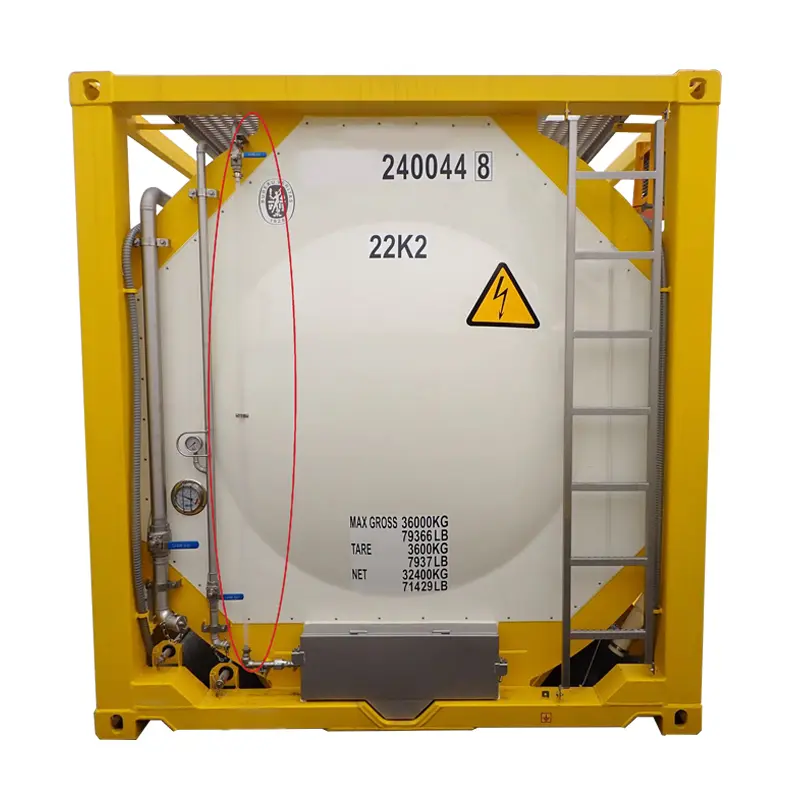
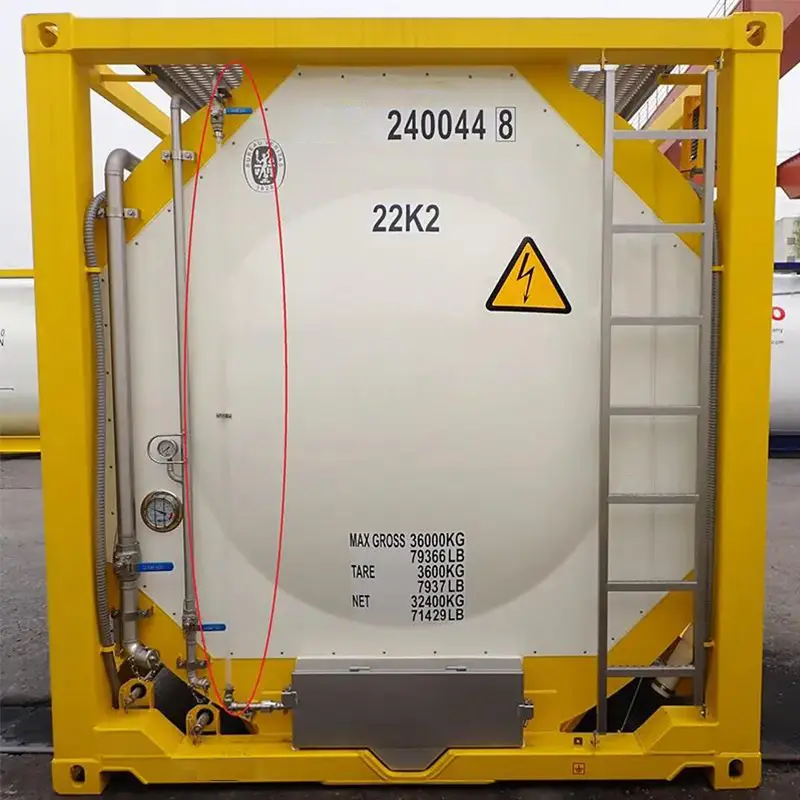
| External Dimensions (mm) | 6,058 × 2,438 × 2,591 mm |
| Effective Volume (m³) | 18 – 24 m³ |
| Maximum Gross Weight | 34,000 kg / 74,960 lbs |
Standard 20-foot tank containers boast capacities between 20 and 24 cubic meters, significantly outperforming conventional drum handling. When shipping liquid chemicals, this higher payload reduces the number of round trips, driving down logistics costs and maximizing transit efficiency.
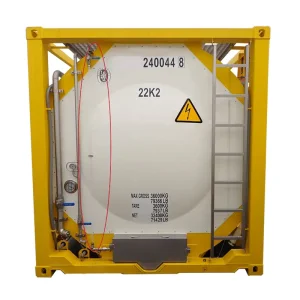
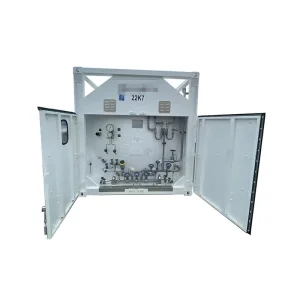
Units are outfitted with industrial safety mechanisms including pressure-relief safety valves and emergency shut-off valves. Safety valves release excess pressure automatically to avoid overpressure hazards, while emergency shut-off valves seal liquid/gas pipelines instantly to prevent leaks during incidents.
External inspections should be conducted on a routine schedule—recommended at least once every month. Checks should identify surface dents, structural cracks, deformation, and corrosion spots across the outer shell and frame.
After unloading high-viscosity goods such as heavy oil or syrup, residual product can accumulate on the inner surface. A dedicated internal inspection is required, followed by specialized washing equipment and chemical cleaning agents to strip residues and prevent corrosion.
Begin by calculating the total cargo volume, then match this against the container's effective volume (18–24 m³). Finally, verify that total loaded weight aligns with transport chassis and regulatory road weight limits (up to 34,000 kg gross weight).
Tank containers feature automatic pressure safety valves that vent safely if tank pressure exceeds specified thresholds, alongside emergency shut-off valves capable of immediately stopping transfer lines during hazardous emergencies.
While standard non-corrosive cargo uses 304 or 316 stainless steel, highly corrosive chemicals require specialized protective interior linings such as industrial rubber, engineered plastics, or glass fiber to preserve structural containment.
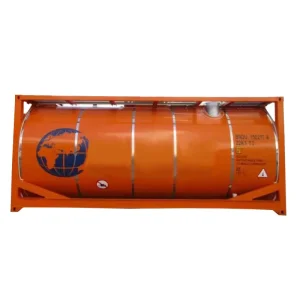
Cylindrical tanks provide superior internal pressure tolerance, making them suited for high-pressure gases like LPG and CNG. Oval tanks optimize volumetric space and help dampen cargo surge during transit.