High-Quality Brand new hanging meat container for low temperature fresh transportation Pricelist, Products
Product Description
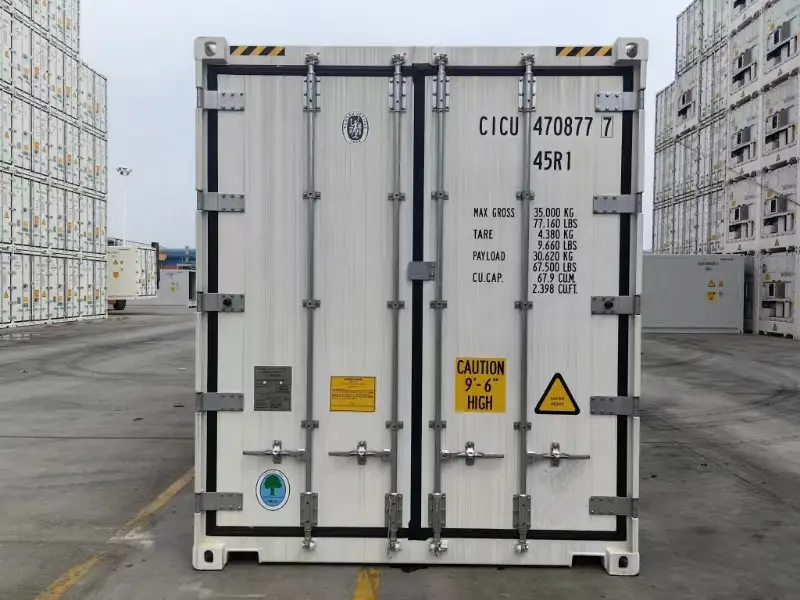
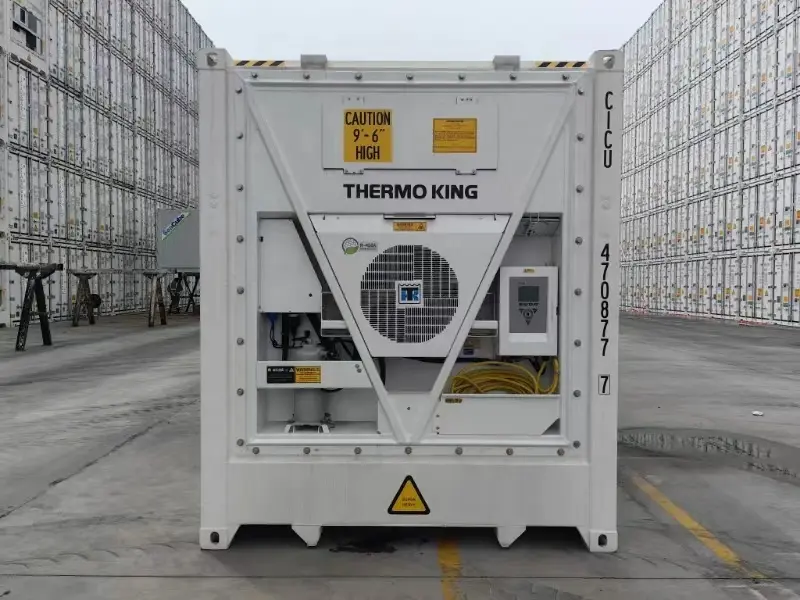
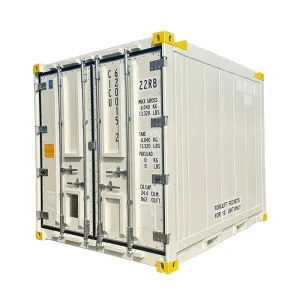
| External Dimension (MM) | 6058*2438*2896 |
| Internal Dimension (MM) | 5456*2284*2562 |
| Door Opening (Width) | 2290 mm |
| Door Opening (Height) | 2569 mm (Maximum cargo height: 2525 mm) |
| Maximum Gross Weight | 30,480 kg |
| Maximum Payload | 26,240 kg |
| Tare Weight (±2%) | 4,240 kg |
| Volume | 31.9 m³ |
| Internal Temperature Range | -40°C to 30°C (-40°F to 86°F) |
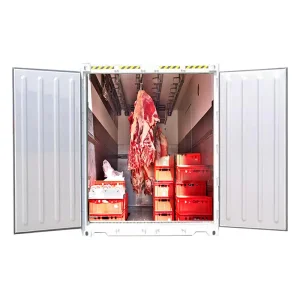
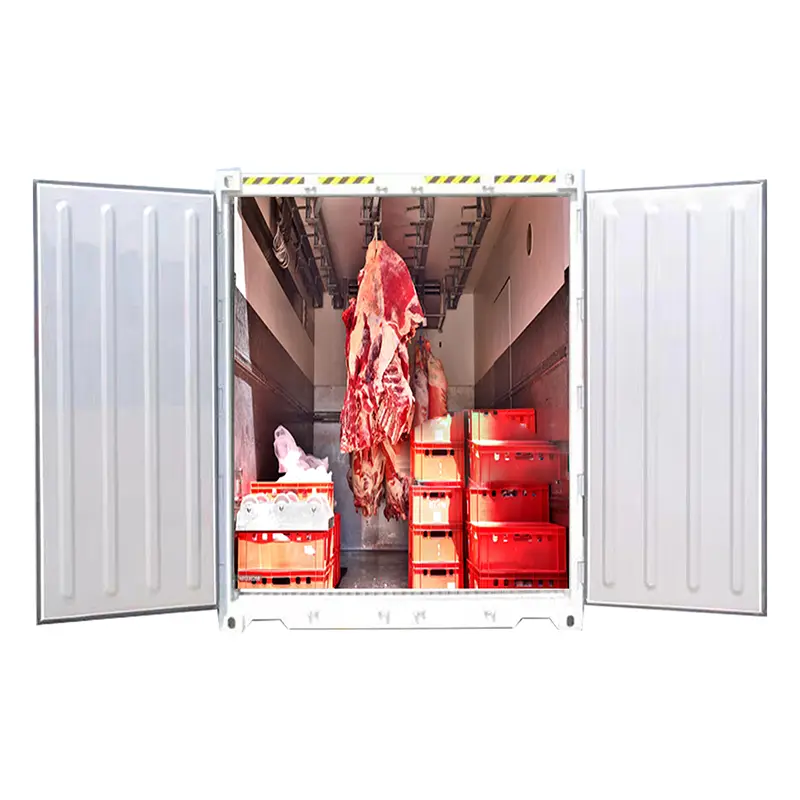
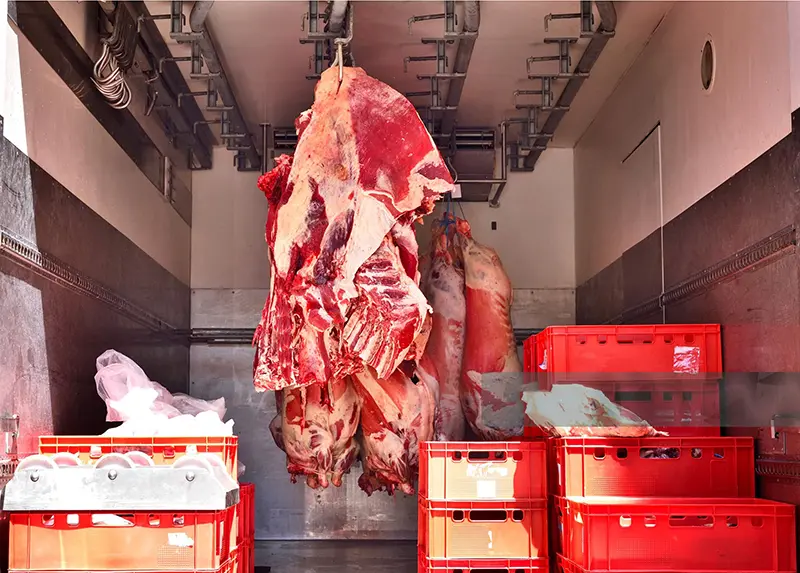
By hanging the meat, the problems of extrusion, deformation and local overtemperature caused by stacking during transportation are avoided, thereby reducing the risk of meat damage and deterioration, and better maintaining the taste, color and nutritional value of the meat.
Compared with the traditional method of stacking meat at the bottom of the carriage or container, the hanging meat container can make full use of the vertical space, increase the loading capacity of meat, and improve transportation efficiency and economic benefits.
When loading and unloading meat, workers can easily hang meat in or out of the container through the track or hook system, without the need for heavy handling and stacking work, reducing labor intensity, and also speeding up loading and unloading, reducing the time vehicles or ships stay in the port.
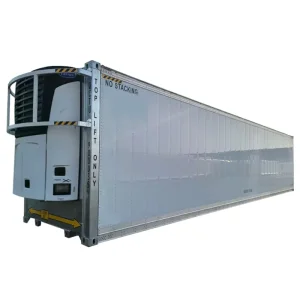
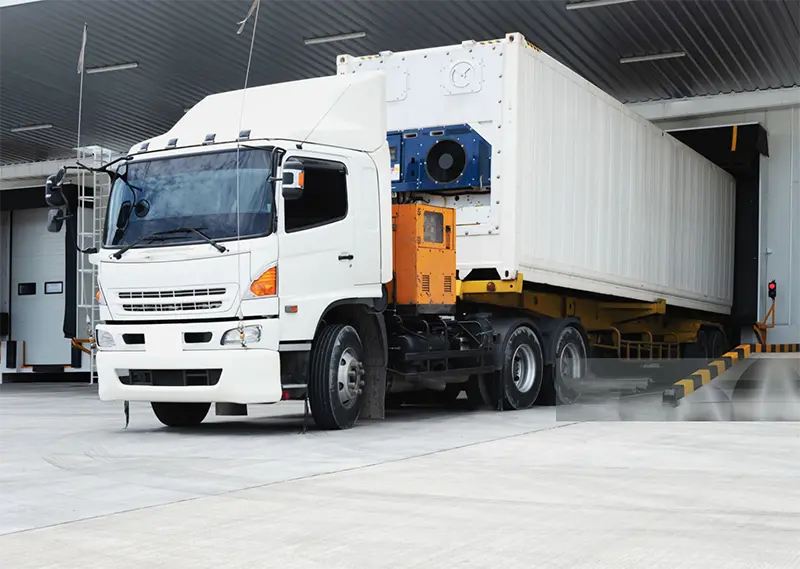
The hanging meat container can be used for road transportation, and can also be combined with trailers or chassis vehicles to achieve rail transportation or sea transportation. It can adapt to different logistics and transportation scenarios and provide convenience for long-distance transportation of meat.
The meat hanging tracks are generally made of high-strength aluminum alloy or stainless steel materials, with good load-bearing capacity and corrosion resistance. The track design can be single-track or multi-track. The single track is suitable for small meat hanging containers or specific meat hanging methods, while the multi-track can increase the number and flexibility of hanging meat. The hooks are usually rotatable, which is convenient for hanging and removing meat, and the spacing of the hooks can be adjusted according to the size and hanging requirements of different meats, and the general spacing is about 30-50 cm.
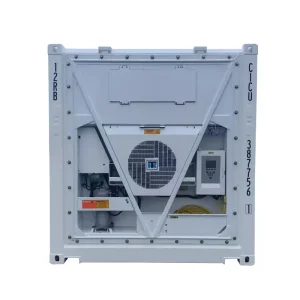
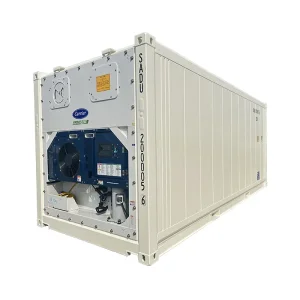
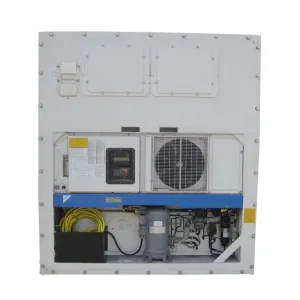
It is key to regularly check the refrigerant level of the refrigeration equipment to ensure that there is enough refrigerant. At the same time, the condenser and evaporator should be cleaned to avoid dust and impurities that will affect the refrigeration effect. The electrical system of the refrigeration equipment should also be regularly checked, including wire connections, sensors, etc., to ensure that it is working properly.
We use reliable hanging devices and hooks to ensure that the meat can be securely hung in the box to prevent it from falling due to shaking during transportation.
The equipment allows an internal temperature range between -40°C to 30°C (-40°F to 86°F). During regular operation, the refrigeration system is typically regulated between -18℃ to -25℃ to ensure optimal low-temperature storage for meat products.
The container utilizes an efficient insulation layer typically made of polyurethane foam to reduce external heat input. The top plate, side plate, and bottom plate are engineered with high-strength materials and reinforced with structural ribs and frames to handle dynamic loads, shaking, and impacts.
Yes. The container is designed for multimodal freight and can be operated via road transit, or integrated onto trailers and chassis for seamless rail and sea transport across various logistics scenarios.