
Why Are Shipping Containers in High Demand Worldwide?

Time:2026-11-04 Author:Madeline
0%

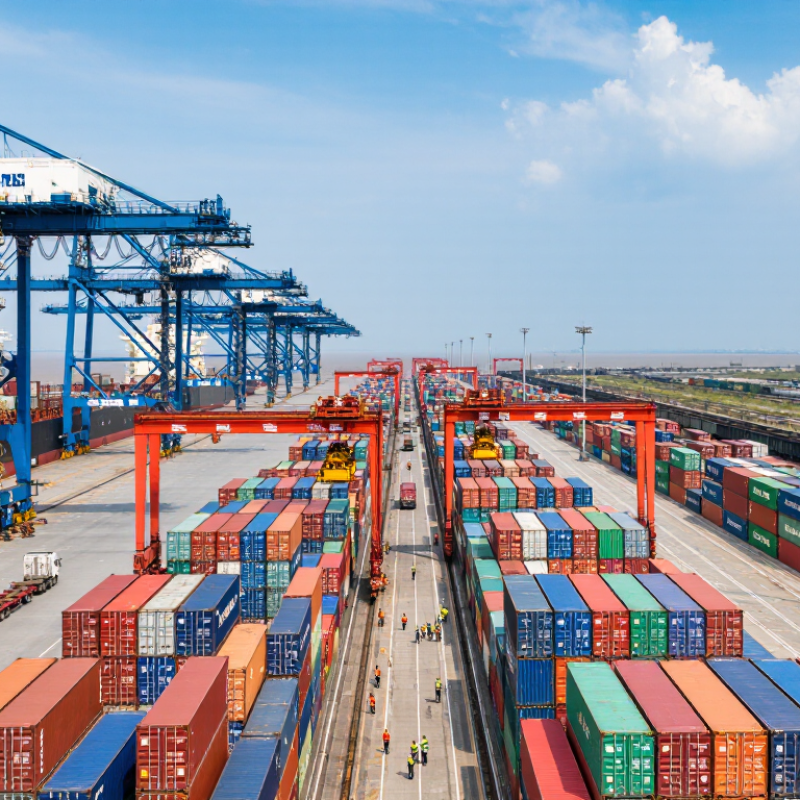
A Shipping Container may look like a plain steel box, but its standard dimensions connect ships, trains, and trucks. That simple fit matters. At busy ports, cranes lift containers from vessels onto waiting chassis, while matching corner fittings help secure them for the next leg. The result is a practical system for moving large volumes of goods across long distances.

Shipping historian Marc Levinson, author of The Box, explains that standardized containers helped make shipping more efficient and reshape global trade. His account points to an important reason for continued demand: companies can move many types of cargo using equipment that works across different transport modes. Containers also support temporary storage, construction offices, and modular workspaces. Not every use is a good fit, though. Condition, insulation, ventilation, and local delivery access can change a container’s value considerably.

Demand is not driven by trade alone. Businesses may need extra storage during seasonal peaks, while builders may seek durable site units that can be delivered quickly. A container’s steel walls can withstand rough handling, yet rust, leaks, and poor repairs still matter. The market is not effortless. Prices, availability, and transport costs vary by location, and a unit that looks sound outside may need careful inspection. Understanding these details helps explain why Shipping Container demand remains strong—and why buyers should look beyond the box itself.
Why Are Shipping Containers in High Demand Worldwide?

What Shipping Containers Are and How They Are Standardized

A shipping container is a durable, reusable unit built to carry cargo across ships, trains, and trucks. Its main advantage is simple: goods can stay inside one container while transport methods change. No unpacking at every transfer. That saves handling time and reduces exposure to weather.

Common lengths include 20 and 40 feet, with other sizes and taller high-cube models also in use. International dimensional standards help containers fit ship cells, rail equipment, and road chassis. Their corner castings provide consistent points for lifting and securing. The details matter. Still, standardization does not mean every container is identical. Height, tare weight, maximum gross weight, and condition can vary by model. A dented door or worn seal may also affect how well a unit protects cargo.

Before loading, operators check the container’s markings and safety information, including its rated weight limits. Actual payload depends on the container’s empty weight and the limits of the vehicle or route carrying it. These checks are easy to rush, and that is a weakness in real-world handling. Standard dimensions make global transfers practical; careful inspection makes them dependable.

How Global Trade Creates Demand for Shipping Containers

Global trade creates demand for shipping containers because goods move between factories, ports, warehouses, and shops. A single container may carry furniture from a coastal factory to a regional distribution center. There, workers unload it, inspect it, and prepare the goods for local delivery. The container then needs another trip. That cycle takes time.

Demand rises when trade volumes grow or shipping routes change. Retailers may order seasonal goods months ahead, while manufacturers need steady deliveries of parts to keep production moving. Ports also need enough containers in the right sizes and locations. A shortage in one busy port can delay loading, even when containers are available elsewhere. Distance matters.

Trade is not balanced in every direction. Some regions export more than they import, so empty containers must be repositioned to meet demand. That uses ships, fuel, and port capacity. It is an imperfect system, and forecasts can miss sudden changes in orders or weather. Container availability therefore depends not only on how much the world trades, but also on where goods are made, where they are needed, and how quickly equipment can return.

Why Containers Make Cargo Transport More Efficient

Shipping containers make cargo easier to move because they fit a standard handling system. A loaded container can travel by truck, train, and ship without workers unpacking every carton at each transfer. That saves handling time and lowers the chance of damage from repeated loading. Less handling matters.

Inside a container, boxes, machinery, or bagged materials can be secured against shifting. A crew can use straps, blocking, and a loading plan suited to the cargo. At a busy port, cranes lift entire units between vessels and waiting railcars, keeping goods moving in predictable batches. The same dimensions also help planners estimate storage space and schedule equipment. Small details count.

The system is useful, but not effortless. Weight must be distributed carefully, and cargo still needs suitable protection from moisture, heat, or impact. A container may also travel part of its route empty, which wastes capacity and fuel. It is easy to focus on the speed of a crane and miss these less visible costs. In practice, efficiency depends on sound packing, accurate records, and coordination between transport stages. Standardization helps, but it cannot fix a poor loading decision.

Why Are Shipping Containers in High Demand Worldwide? — Why Containers Make Cargo Transport More Efficient

Dimension Real-World Data or Feature How It Improves Cargo Transport
Standard 20-foot container size Common external dimensions are approximately 6.06 m long, 2.44 m wide, and 2.59 m high. A consistent footprint makes containers easier to plan, handle, and transfer between ships, trains, and trucks.
Standard 40-foot container size Common external dimensions are approximately 12.19 m long, 2.44 m wide, and 2.59 m high. The longer unit carries more cargo in one enclosure and can reduce the number of separate units needed for some shipments.
TEU measurement One TEU means one 20-foot equivalent unit; a standard 40-foot container counts as two TEU. A shared capacity measure helps ports, carriers, and logistics planners describe and compare container volumes.
Intermodal transfer The same loaded container can move between compatible vessels, railcars, and road trailers without unloading the cargo at each transfer. Fewer cargo-handling steps can save time and reduce opportunities for damage, loss, or handling errors.
Standardized handling points ISO freight containers use corner fittings designed for lifting and securing with compatible equipment. Cranes and other handling equipment can move containers efficiently and secure them for transport.
Stackable design Containers are built to be stacked and secured using their corner fittings, subject to equipment and load limits. Vertical stacking uses ship and terminal space more effectively than storing individual loose cargo packages.
Protected cargo enclosure A closed dry container provides a rigid enclosure that helps shield cargo from weather and routine external exposure. Goods can remain packed during multiple transport legs, reducing repeated packing and unpacking.
Multiple container types Common formats include dry containers, refrigerated containers, open-top containers, and flat racks. Different designs accommodate general cargo, temperature-sensitive goods, and cargo that is oversized or difficult to load through standard doors.
Global equipment compatibility International standards specify key container dimensions and handling features, although exact internal dimensions and payload limits vary by unit. Broad compatibility supports cargo movement across international transport networks without requiring a unique container for every route.
Efficient cargo planning Container dimensions and capacity limits can be considered before cargo is loaded. Planning how goods fit into units helps coordinate loading, transport capacity, and transfers across the supply chain.

Dimensions shown are approximate common external measurements; specifications, internal space, and maximum payload can vary by container type and manufacturer.

How Containers Are Used Beyond Shipping

A steel container can become a small workshop, a site office, or a neighborhood pop-up space. Its rigid frame and standard dimensions make planning easier: several units can sit side by side, with doors and windows added where people need them. A converted unit might hold tool benches, shelves, a desk, and a bright work light, all within a compact footprint.

The shell is only a starting point. Steel heats quickly in direct sun and can collect condensation when warm, moist air meets cold walls. Insulation, ventilation, drainage, and safe electrical work need careful planning. A clinic or classroom also needs clear access, comfortable indoor temperatures, and enough natural light. These details affect daily use more than a fresh coat of paint. Small oversights matter.

Containers can also support temporary storage, farm equipment, emergency supplies, or mobile workspaces. Their portability is useful, but moving a fitted unit may require more effort than expected. A container is not automatically affordable or suitable for every site; transport, foundations, and local building requirements can change the equation. It is easy to admire the neat, modular look and overlook the awkward parts. Those deserve a second look.

What Shapes Container Supply, Reuse, and Worldwide Demand

Shipping-container demand depends on more than global trade totals. UNCTAD’s Review of Maritime Transport 2024 reports that seaborne trade rose 2.4% in 2023, reaching 12.3 billion tonnes. Yet a container can be scarce in one port and idle in another. Trade imbalances, vessel schedules, port delays, and the cost of moving empty boxes all shape local availability. The steel is not always where the cargo is.

Fleet growth does not instantly solve that mismatch. UNCTAD reports that container-ship capacity expanded 8.2% in 2023, but ships and containers are different measures of supply. A new vessel adds carrying capacity; it does not guarantee an empty box at the right depot. Exporters may need specific sizes, sound doors, and dry floors, while a nearby surplus may be unusable for their shipment. That is the bottleneck.

Reuse also matters. Operators inspect boxes for corrosion, damaged floors, and door seals before returning them to service. Some are retired from ocean transport and repurposed for storage, but a used box is not automatically fit for another voyage. Reuse can reduce demand for newly manufactured units, though repair and repositioning take time. The uncomfortable detail is that more boxes worldwide can still mean fewer usable boxes at a busy port. Numbers alone miss that.

FAQS

What is a shipping container?

It is a durable, reusable unit that carries cargo by ship, train, or truck. Goods can stay inside during transfers.

Which container sizes are common?

Common lengths are 20 and 40 feet. Taller high-cube models are also used.

Are all standardized containers identical?

No. Height, empty weight, rated capacity, and condition can differ. A worn door seal matters.

Why check a container before loading?

Operators review its markings, weight limits, doors, and seals. These checks are easy to rush.

How do containers reduce cargo handling?

A crane can lift a loaded unit between a vessel and railcar without unpacking each carton. Less handling matters.

How is cargo kept from shifting?

Crews use straps, blocking, and a loading plan. Weight needs careful distribution.

Why can containers be scarce in one port?

Trade flows are uneven, so equipment may sit far from where it is needed. Distance matters.

Does container transport avoid waste?

Not always. Some units travel empty, using fuel and capacity. That cost is easy to overlook.

Conclusion

Shipping containers are standardized, durable units designed to move goods smoothly between ships, trains, and trucks. Their consistent dimensions make them easier to stack, load, and transfer, helping businesses transport a wide range of cargo across long distances. As international trade grows and supply chains connect more regions, demand for these containers rises. Their efficient use of space and compatibility with different transport methods can reduce handling time and make cargo movement more reliable.

A Shipping Container can also serve practical purposes after its journey at sea, including storage, workshops, and adaptable building projects. Worldwide demand is shaped by trade volumes, shipping routes, manufacturing capacity, and the availability of containers in the right locations. Reuse and refurbishment can extend a container’s useful life, while imbalances between where containers are needed and where they accumulate may affect supply. Together, their standard design, versatility, and role in global logistics explain why containers remain in high demand.

Madeline

Madeline

Madeline is a dedicated marketing professional with a wealth of expertise in our company's core offerings. With a keen understanding of the industry, she brings a unique perspective to her role, consistently delivering high-quality content that highlights the superior aspects of our products. As......