
Featured 20ft & Intermodal Fleet Solutions (Batch A)
Precision-engineered ISO, cold chain, offshore, and modular units built in Tianjin & Suzhou with full classification certification.
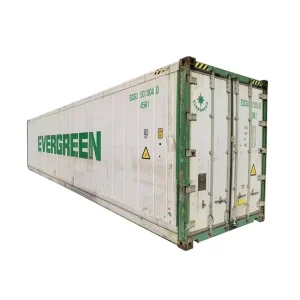
Buy Used 40ft HC Shipping Reefer Container Manufacturers, Exporters
Request Quote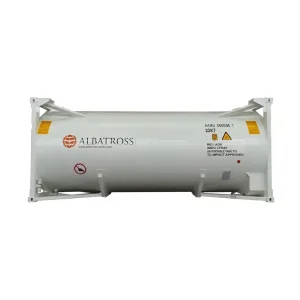
China 25000 Liters ISO 20ft Gas Tank Container for Sale Product, Factories
Request Quote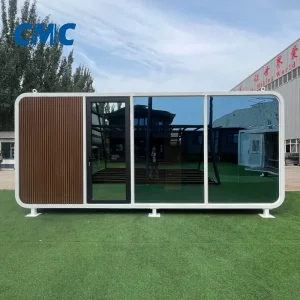
Famous 20ft Prefab Container House Flat Pack Modular House Office Tiny House Outdoor apple Cabin Office Pod Garden Office Pod Manufacturer, Product
Request Quote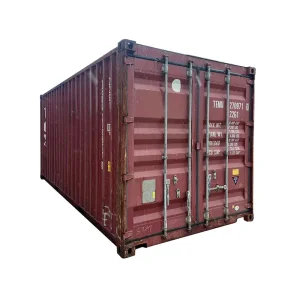
Buy 20ft Used Shipping or Storage Container Manufacturer, Products
Request Quote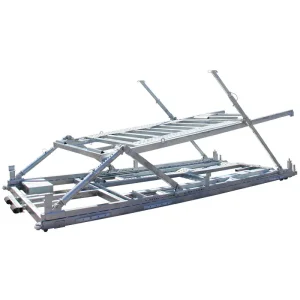
China vehicle transport rack Product, Exporters
Request Quote
ODM The Smart Chain Cold Storage 20ft40ft Solar Refrigerated Container 220V With DC Inverter Unit Pricelist, Exporters
Request Quote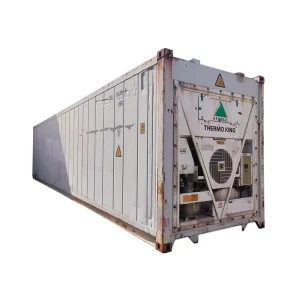
ODM New 40ft Refrigerated Freezer Container for Sale Factory, Exporter
Request Quote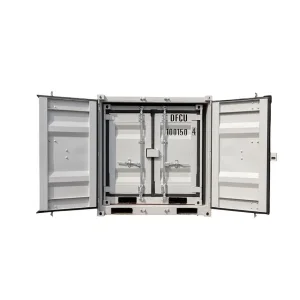
High-Quality Durable Cargo Shipping Container 4Ft/5Ft/6Ft/7Ft/8Ft/9Ft/10Ft/11Ft/12Ft Mini Storage Container Nested Shipping Container Manufacturers, Factories
Request QuoteThe 20-Foot ISO Intermodal Standard: Structural Importance in Global Supply Chains
The standard 20-foot shipping container—designated universally as the 1 TEU (Twenty-Foot Equivalent Unit) benchmark—remains the fundamental building block of modern intermodal logistics. While 40-foot containers (2 TEU) dominate high-cube, low-density retail cargo, the global industrial sector relies uncompromisingly on the 20-foot platform. Engineered to transport high-density, heavy-payload freight including industrial machinery, raw minerals, concentrated chemicals, ceramics, metal coils, and agricultural commodities, the structural rigidity and weight-to-volume ratio of the 20ft container make it indispensable across multimodal maritime, rail, and road networks.
As international supply chains optimize for operational resilience and carbon efficiency, the demand for 20ft intermodal equipment continues to surge. In 2024 and beyond, port automation, container yard reach stackers, and automated guided vehicles (AGVs) prioritize standard 20ft footprint geometry due to standardized corner casting points adhering to ISO 1161. Furthermore, global rail networks across North America, Europe, and the trans-Eurasian rail corridor favor 20-foot configurations for double-stacking trains, optimizing axle weight distribution without exceeding maximum permissible track infrastructure loads.
Beyond traditional containerized maritime shipping, 20-foot containers have experienced exponential adoption as decentralized infrastructure enclosures. Modern industrial conversions—ranging from Battery Energy Storage Systems (BESS) for grid-scale renewable energy to modular mobile data centers, water treatment skid plants, and cold-chain refrigerated distribution hubs—demand factory-built 20ft enclosures that combine heavy structural integrity with uniform worldwide transportability.
Why Global Fleet Procurement Centers on China: Engineering, Material Science & Factory Efficiency
China accounts for more than 90% of global intermodal container production. This dominant market presence is not merely a product of labor scale, but the result of unparalleled metallurgical supply chain integration, continuous investment in automated production tooling, and stringent compliance with multinational classification societies. For institutional procurement directors and container leasing conglomerates, sourcing directly from Chinese manufacturing facilities provides decisive strategic and financial advantages.
SPA-H Corten Steel
Fabricated exclusively from high-grade SPA-H weathering steel, creating a self-passivating oxide layer resistant to atmospheric and maritime saline corrosion.
Robotic Laser & GMAW
Automated seam tracking and multi-axis robotic gas metal arc welding (GMAW) eliminate micro-porosity and guarantee unified tensile joint integrity.
Eco Zinc Coating
Multi-stage automated shot-blasting to SA 2.5 standard followed by zinc-rich epoxy primers and polyurethane topcoats ensuring 15+ years service life.
Port Proximity (100km)
Industrial bases situated in Tianjin and Suzhou approximately 100km from primary deepwater berths, minimizing inland drayage and lead times.
Operating since 1983, CIMIC Group (Tianjin Cimic Imp&Exp Co., Ltd.) leverages four decades of heavy container manufacturing expertise. Fully authenticated under Bureau Veritas (BV) and ISO 9001 quality management regimes, our production processes encompass certified non-destructive weld testing, comprehensive dimensional verification jigs, paint dry-film thickness (DFT) calibration, and full-volume hydro-testing for specialized gas tank containers and reefers.
20-Foot Container Structural Specification & Engineering Matrix
Conforming rigorously to ISO 668, ISO 1496-1, CSC (Convention for Safe Containers), and TIR customs guidelines.
Precision manufacturing begins with absolute dimensional fidelity. The following data matrix outlines standard technical benchmarks for 20-foot dry cargo units, high-cube adaptations, and temperature-controlled reefer enclosures. Custom engineering drawings are matched to client requirements prior to cutting steel.
| Dimensional & Mechanical Criteria | 20ft Standard Dry (20GP) | 20ft High-Cube Dry (20HC) | 20ft ISO Reefer (20RF) | 20ft Tank Container (ISO Tank) |
|---|---|---|---|---|
| External Dimensions (L × W × H) | 6,058 × 2,438 × 2,591 mm | 6,058 × 2,438 × 2,896 mm | 6,058 × 2,438 × 2,591 mm | 6,058 × 2,438 × 2,591 mm |
| Internal Dimensions (L × W × H) | 5,898 × 2,352 × 2,393 mm | 5,898 × 2,352 × 2,698 mm | 5,444 × 2,290 × 2,275 mm | Frame Dimensions: Standard ISO |
| Door Opening (Width × Height) | 2,340 × 2,280 mm | 2,340 × 2,585 mm | 2,290 × 2,260 mm | N/A (Manhole Dia: 500 mm) |
| Tare Weight (Unladen Mass) | 2,200 kg (± 2%) | 2,380 kg (± 2%) | 3,080 kg (without gen-set) | 3,650 kg to 4,200 kg |
| Maximum Gross Weight (MGW) | 30,480 kg (67,200 lbs) | 30,480 kg (67,200 lbs) | 30,480 kg (67,200 lbs) | 36,000 kg (Heavy Duty Spec) |
| Max Net Payload | 28,280 kg | 28,100 kg | 27,400 kg | Up to 32,350 kg liquid cargo |
| Internal Usable Volume | 33.2 m³ (1,172 cu.ft.) | 37.4 m³ (1,320 cu.ft.) | 28.3 m³ (1,000 cu.ft.) | 25,000 Liters (Nominal) |
| Flooring System | 28mm Apitong Marine Plywood | 28mm Plywood / Steel Plate | Extruded Aluminum T-Floor | Top Walkway: Anti-Slip Aluminum |
| Stacking Test Load (9-High) | 192,000 kg per post set | 192,000 kg per post set | 192,000 kg per post set | Tested to ISO 1496-3 standard |
| Classification Certificates | BV, ABS, CCS, ISO, CSC | BV, ABS, CCS, ISO, CSC | BV, ISO, ATP Certificate | ASME, IMDG, ADR, RID, BV |
All load-bearing corner castings are cast in strict adherence to ISO 1161 from normalized, low-temperature impact tested cast steel. Side wall corrugations utilize 1.6mm or 2.0mm thick vertically embossed corten sheets, providing the precise moment of inertia required to prevent shear deflection during severe maritime swells or rough rail shunting.
Specialized Industrial & Localized Use Scenarios
The contemporary 20ft container has evolved into an agile structural chassis across diversified industrial ecosystems. Factory customization capabilities enable rapid conversion for extreme duty cycles:
BESS & Power Generation Enclosures
Reinforced structural ribbing, explosion-relief roof hatches, thermal insulation, and precision-cut cable gland plates engineered for lithium battery energy storage systems (BESS), solar inverter hubs, and diesel generator housing.
Cold Chain Refrigeration (Reefer)
Fitted with world-class Carrier Transicold, Daikin, or Thermo King refrigeration machinery. High-density polyurethane foam walls (expanded with zero-ODP blowing agents) ensure steady holding temperatures from -30°C to +30°C.
Modular Living & Smart Office Pods
Rapid assembly modular spaces including flat-pack offices, emergency medical units, luxury apple cabins, and remote site accommodation featuring pre-installed electrical systems, integrated HVAC, and fireproof wall panels.
Offshore DNV Energy Exploration
Specialized silt baskets, mud-cutting skips, and tool units built in accordance with DNV 2.7-1 / EN 12079 criteria, designed to endure severe dynamic lifting offshore and corrosive North Sea or Gulf of Mexico conditions.
Intermodal Logistics & Vehicle Racks
Platform flat-racks, collapsible side frames, and specialized vehicle transport racks that allow multi-vehicle roll-on shipping inside standard dry box profiles, optimizing cubic capacity utilization.
On-Site Secure Storage Solutions
Customized side-opening doors, roll-up shutter entries, anti-vandal lock boxes, and partitioned multi-room storage units for construction projects, self-storage yards, and governmental stockpiling.
How Chinese Factory Quotes Are Formulated: A Buyer's Financial Guide
For procurement officers, supply chain managers, and fleet investors, understanding the pricing structure of Chinese shipping container factories is vital for capital efficiency. Unlike consumer goods, industrial ISO containers are heavy commodity-linked assets whose factory quotes fluctuate based on precise technical and raw material cost drivers:
- Hot-Rolled Corten Steel (SPA-H) Pricing: Steel represents between 55% and 65% of the total manufacturing cost of a dry freight container. Mill-gate price movements from major steel manufacturers directly impact the unit base quote.
- Flooring Raw Material: Traditional 28mm keruing or apitong marine plywood sourced from certified sustainable forestry carries different price thresholds compared to bamboo composite boards or specialized non-porous steel floor designs.
- Surface Coating Regimes: Modern environmental regulations require low-VOC waterborne or high-solid zinc-rich epoxy paint systems. Customized corporate colors, complex multi-layer livery, or offshore C5-M marine anti-corrosion specifications influence final pricing.
- Quality Certification & Society Inspection: Standard prices generally include Bureau Veritas (BV), ABS, or CCS inspection and CSC safety plate stamping. Non-standard specialized certifications (such as DNV 2.7-1 offshore testing or ASME tank container approvals) involve specific third-party inspection overheads.
- Logistics & One-Way "Cabotage" Positioning: Factory locations within 100 km of deepwater ports (Tianjin Port or Shanghai/Ningbo via Suzhou) provide significant freight savings. Buyers can elect for "SOC" (Shipper Owned Container) positioning with outbound export freight to eliminate ocean empty repositioning costs entirely.
When requesting quotes, establishing precise Incoterms (FOB Tianjin/Qingdao/Shanghai vs. CIF Destination Port vs. DDP Jobsite) and confirming whether units are required brand new (1-trip factory condition) or high-grade cargo-worthy used stock ensures immediate, transparent commercial terms.
Future Technological Trends in 20ft Container Engineering
The intermodal container industry is experiencing a profound technological transformation, driven by digital visibility, environmental sustainability, and lifecycle efficiency:
Integrated IoT Telematics
Factory-embedded low-power cellular and satellite telematics sensors deliver real-time data on internal temperature, humidity levels, geofencing location, shock/impact acceleration, and door-opening security events.
Decarbonized Production
Adoption of hydrogen-based direct reduced iron (DRI) electric arc furnace steel, automated waterborne coatings, and zero-fossil fuel manufacturing corridors to drastically lower the embodied Scope 3 carbon footprint per TEU.
Circular Lifecycle Adaptation
Design-for-Deconstruction (DfD) engineering ensuring that structural components can be effortlessly separated, repurposed for architectural housing modules, or 100% remelted into high-grade alloy scrap after maritime retirement.
Comprehensive Procurement & Technical FAQ
In-depth answers addressing structural certification, custom modifications, production lead times, and global shipping logistics.
What classification society certifications accompany new 20ft shipping containers from China?
How does the factory manage custom OEM and ODM container requirements?
What is the difference between SPA-H corten steel and standard structural mild steel?
What are the lead times for standard vs. customized 20-foot container orders?
Can brand-new containers be positioned overseas without paying empty freight charges?
What surface coating standards are applied to protect against marine C5-M environments?
Specialized Engineering & Industrial Containers (Batch B)
Explore our DNV offshore baskets, side-opening configurations, integrated power reefers, and flat-rack platforms.
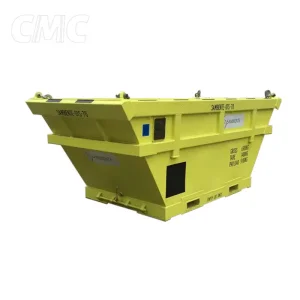
Famous DNV Certification Silt Basket Container Used in Offshore Operations Factories, Exporters
Request Quote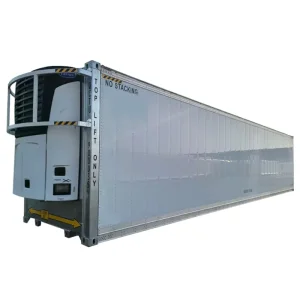
China Carrier X4-7300 Refrigeration and Electricity Integrated Container Exporter, Products
Request Quote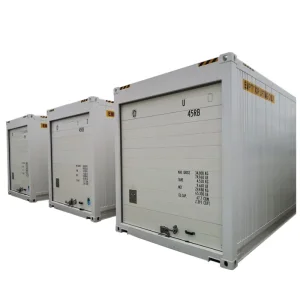
China 40ft High-Cube Roll Up Reefer Container Customized Shipping Containers Factory, Manufacturers
Request Quote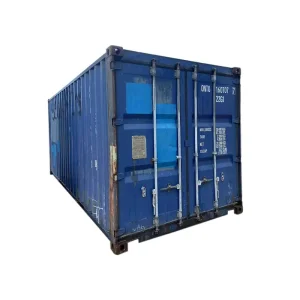
ODM 40ft Used Dry Cargo Shipping Container Manufacturers, Quotes
Request Quote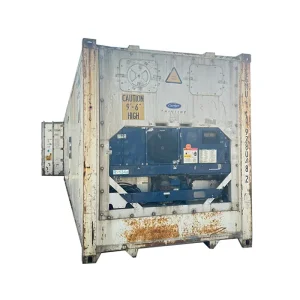
China Used 40ft High-Cube Certified Reefer Container Pricelist, Exporter
Request Quote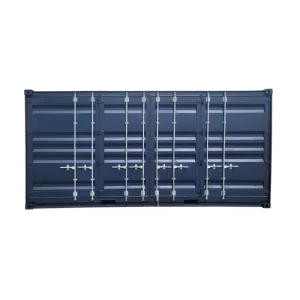
High-Quality New 20ft Customized Side Door Dry Cargo Shipping Container Factory, Product
Request Quote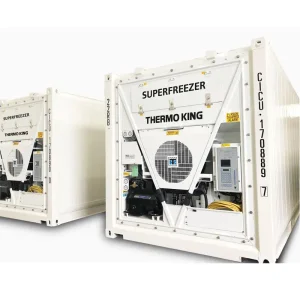
OEM New Deep Freezer Refrigerator Container For Sale Factory, Quotes
Request Quote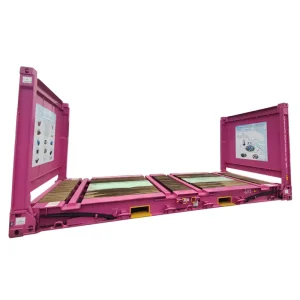
ODM New 20ft Platform Frame Container Pricelist, Exporters
Request QuoteConnect With CIMIC Engineering & Export Department
Inquire regarding custom 20ft blueprints, production slot reservations, bulk fleet discounts, and port delivery schedules.