
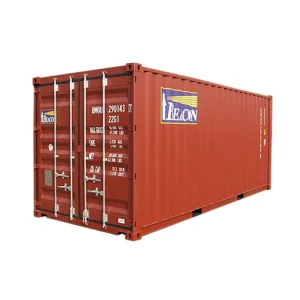
Direct OEM / ODM Showcase
High-Spec Container Engineering Catalog
Explore our certified intermodal solutions engineered from weathering Corten steel and integrated with global-standard thermal and mechanical assemblies.
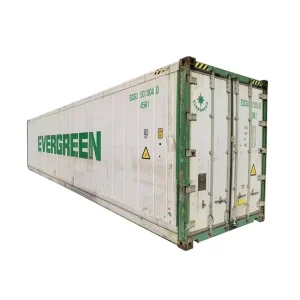
Buy Used 40ft HC Shipping Reefer Container Manufacturers, Exporters
Request Direct Quote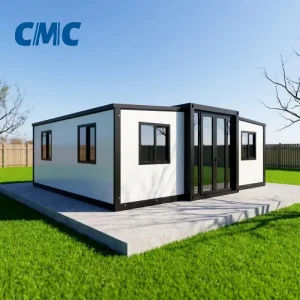
OEM 20ft Modular Container Houses Expandable Steel Container House
Request Direct Quote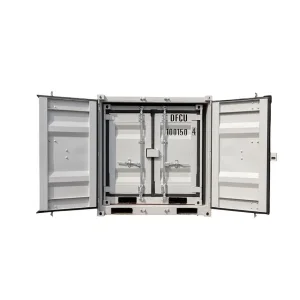
High-Quality Durable Cargo Shipping Container 4Ft–12Ft Mini Storage
Request Direct Quote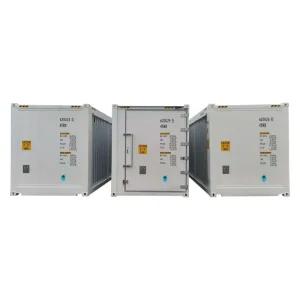
China OEM 40ft High-Cube Three-in-One Combination Reefer Storage
Request Direct Quote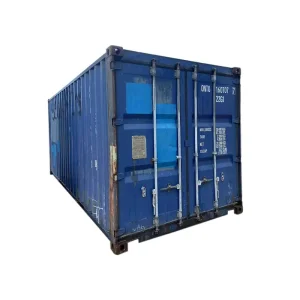
ODM 40ft Used Dry Cargo Shipping Container Manufacturers, Quotes
Request Direct Quote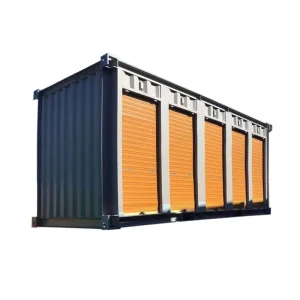
OEM New 20ft Storage Roll-Up Door Dry Cargo Container Pricelist
Request Direct Quote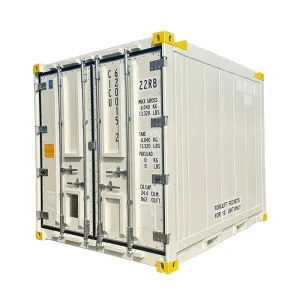
High-Quality New 10ft Certified Thermo King Freezer Container
Request Direct Quote
Smart Manufacturing & Cost Engineering
China Factory 4.0: Supply Chain Resilience & Efficiency
Strategic vertical integration, automated robotic continuous welding, and proximate port infrastructure eliminate global procurement vulnerabilities.
Automated Laser & Welding
Our Tianjin & Suzhou manufacturing bases utilize robotic multi-axis submerged arc welding, ensuring airtight seals, millimeter-precision structural integrity, and uniform weld penetration across primary structural profiles.
- SPA-H / Corten-A weathering steel certification
- Zero-defect non-destructive weld testing (NDT)
- Automated high-pressure robotic shot blasting
Port-Adjacent Logistics Engine
Located roughly 100 km from major export hubs (Tianjin Port / Shanghai Port gateway), our operations dramatically reduce drayage dwell times, inland freight expenses, and container repositioning lead cycles.
- Immediate berth access & pre-booked yard slots
- Real-time custom clearance EDI integration
- One-way / SOC (Shipper Owned Container) allocation
Four-Decade Material Control
Since 1983, CIMIC has leveraged Tier-1 national steel mill alliances to buffer raw material volatility. We guarantee metallurgical homogeneity, high tensile yield (≥490 MPa), and prolonged paint adhesion warranties.
- Multi-layer zinc-rich epoxy barrier coatings
- Eco-friendly waterborne polyurethane topcoats
- Heavy-duty marine-grade T-floor & bamboo flooring
Enterprise Turnkey Applications
Macro Industry Solutions & Systemic Engineering
From complex offshore harsh environments to specialized pharma cold storage, our containerized platforms serve mission-critical industrial vectors.
Intermodal Cold Chain
Multi-temperature zone reefer systems integrated with Carrier Transicold, Thermo King, and Daikin machinery. Designed for active sub-zero seafood, dairy, and active biopharma cargo holding down to -35°C to -60°C.
BESS & Power Enclosures
Reinforced ISO containers adapted for utility-scale Battery Energy Storage Systems (BESS), equipped with structural thermal break insulation, explosive relief venting, fire suppression racking, and acoustic baffling.
DNV-GL Offshore Platforms
Heavy-duty open top, half-height ore carrier, and cargo basket containers certified under DNV 2.7-1 / EN 12079. Built with low-temperature impact tested pad eyes, slings, and specialized sea-lift dynamic safety profiles.
High-Yield Modular Habitation
Expandable and flat-pack containerized modular units for remote mining camps, emergency humanitarian housing, and modern architectural pods. Fully pre-wired with UL/CE compliance and acoustic fire-rated partition walls.
Technical Baseline
Enterprise Sourcing Specifications & Structural Matrix
Comprehensive engineering dimensional benchmarks compliant with ISO 1496/1 and CSC international standards for fleet procurement.
| ISO Model Type | External Dimensions (L×W×H) | Internal Dimensions (L×W×H) | Max Gross Mass (MGM) | Tare Weight | Payload Capacity | Cubic Volume |
|---|---|---|---|---|---|---|
| 20ft Standard Dry (20GP) | 6,058 × 2,438 × 2,591 mm | 5,898 × 2,352 × 2,393 mm | 30,480 kg | 2,180 kg | 28,300 kg | 33.2 m³ |
| 40ft Standard Dry (40GP) | 12,192 × 2,438 × 2,591 mm | 12,032 × 2,352 × 2,393 mm | 30,480 kg | 3,640 kg | 26,840 kg | 67.7 m³ |
| 40ft High Cube (40HC) | 12,192 × 2,438 × 2,896 mm | 12,032 × 2,352 × 2,698 mm | 32,500 kg | 3,900 kg | 28,600 kg | 76.4 m³ |
| 20ft Reefer Container (20RF) | 6,058 × 2,438 × 2,591 mm | 5,444 × 2,290 × 2,275 mm | 30,480 kg | 3,080 kg | 27,400 kg | 28.3 m³ |
| 40ft HC Reefer (40RH) | 12,192 × 2,438 × 2,896 mm | 11,583 × 2,290 × 2,557 mm | 34,000 kg | 4,480 kg | 29,520 kg | 67.8 m³ |
| 20ft Offshore Dry (DNV 2.7-1) | 6,058 × 2,438 × 2,591 mm | 5,850 × 2,230 × 2,200 mm | 15,000–20,000 kg | 4,200 kg | 10,800–15,800 kg | 28.7 m³ |
Forward Engineering
Technology Roadmap & Sustainable Horizon
Strategic development cycles focusing on telematics digitization, low-GWP refrigerants, and circular lifecycle design.
Phase I · Smart IoT
Intelligent Telematics Integration
Full deployment of solar-backed IoT real-time monitoring sensors inside reefer and dry structures, providing GPS, door-status analytics, humidity, and active shock/vibration logging via low-power satellite communication.
Phase II · Decarbonization
Eco-Refrigerants & Phase Change Insulation
Systemic transition to ultra-low Global Warming Potential (GWP) natural refrigerants such as CO2 (R-744), paired with advanced vacuum insulation panels (VIP) to reduce energy consumption by up to 32% during oceanic transit.
Phase III · Structural Composites
Lightweight Hybrid Alloys
Incorporation of ultra-high-strength steel combined with recycled thermoplastic honeycomb composite side panels, yielding an 18% reduction in tare weight and significantly expanding standard intermodal payload capacities.
Phase IV · Circular Economy
Closed-Loop Modular Remanufacturing
Industrial secondary-life protocols transforming retired maritime shipping boxes into ISO-compliant localized data-centers, battery storage facilities, and high-performance architectural housing modules.
Audited Trust & Governance
Localized Support & Rigorous Compliance Assurance
Guaranteed conformity to statutory maritime governance frameworks across North America, Europe, Africa, and Australasia.
Classification Society Approvals
Every batch of dry, tank, and reefer shipping containers is audited and stamped by recognized international classification societies including Bureau Veritas (BV), ABS, Lloyd’s Register, and CCS under ISO 668 and ISO 1496.
CSC & Customs TIR Conventions
Containers are supplied with valid CSC plates (International Convention for Safe Containers) ensuring unhindered rail and maritime interchange. Certified Customs TIR sealing provisions eliminate cross-border transshipment snags.
Field Engineer Dispatch & Port Networks
To eliminate post-delivery vulnerabilities, CIMIC maintains technical representative agreements across primary transshipment terminals, providing replacement spare parts, structural repair guides, and cold-machinery support.
Integrated Equipment & Specialty Lines
Specialized & High-Cube Fleet Solutions
Engineered for mission-critical logistics, heavy mineral transfer, solar-assisted refrigeration, and high-efficiency multimodal freighting.
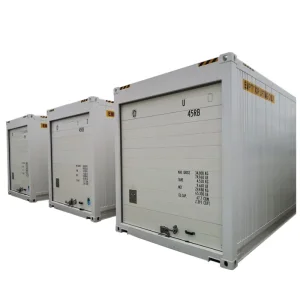
China 40ft High-Cube Roll Up Reefer Container Customized Containers
Request Direct Quote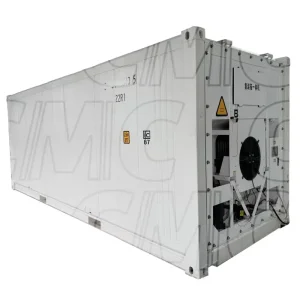
ODM The Smart Chain Cold Storage 20ft/40ft Solar Refrigerated Container
Request Direct Quote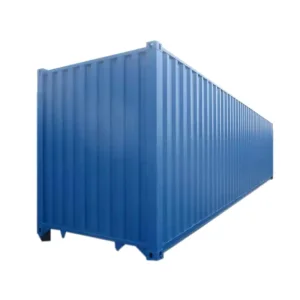
China 40ft High Cube Certified Dry Cargo Shipping Container Factory
Request Direct Quote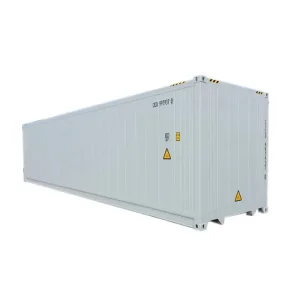
Buy New 40ft High Cube Thickened Foam Insulation Container Factory
Request Direct Quote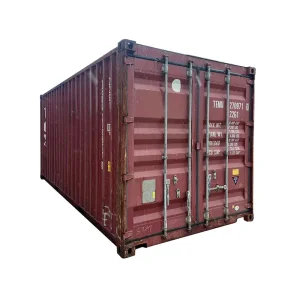
Buy 20ft Used Shipping or Storage Container Manufacturer, Products
Request Direct Quote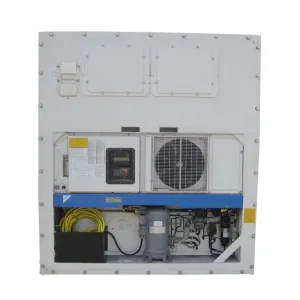
Buy Refrigeration Equipment / Cooling Unit For Refrigerated Containers
Request Direct Quote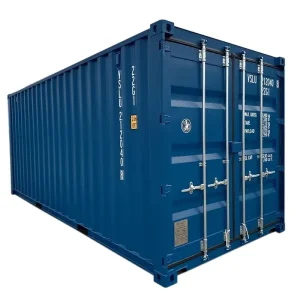
Buy New 20ft Double Door Dry Cargo Shipping Container Products
Request Direct Quote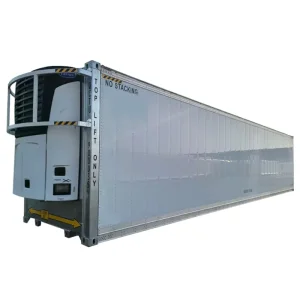
China Carrier X4-7300 Refrigeration Integrated Container Exporter
Request Direct Quote
Technical & Procurement Knowledge Base
Frequently Asked Questions for Global Procurement Officers
In-depth technical answers addressing engineering validation, minimum order criteria, inspection regimens, and lead schedule optimization.
How does CIMIC guarantee the structural durability and corrosion resistance of custom units?
We strictly engineer all structural framing (corner posts, rails, and cross members) using authentic SPA-H or Corten-A weathering steel, possessing high atmospheric corrosion resistance. Surface preparation involves SA 2.5 automatic shot-blasting, followed by a three-coat paint regimen consisting of a zinc-rich epoxy primer, an epoxy intermediate barrier, and a heavy-duty polyurethane finish (total Dry Film Thickness ≥ 120μm).
What documentation and third-party inspection certifications accompany export shipments?
Every shipment is delivered with comprehensive compliance documentation including Bureau Veritas (BV) or ABS classification certificates, valid CSC safety approval plates, ISO dimensional and water-tightness test certifications, factory Mill Test Certificates (MTC) for steel chemistries, and comprehensive pre-dispatch punch-list photographic records.
What is the standard production lead time for custom OEM/ODM container projects?
For catalog standard ISO dry boxes, typical lead times range from 15 to 25 calendar days. Customized engineering builds (such as side-opening, acoustic generator shells, or specialized high-cube reefers) require 30 to 45 days, inclusive of 3D CAD/SolidWorks structural engineering review, structural stress modeling, and customer drawing sign-off.
How are reefer cooling units commissioned and tested prior to port release?
Refrigerated units equipped with Carrier Transicold, Thermo King, or Daikin compressors undergo a 24-hour continuous Pre-Trip Inspection (PTI) cycle in our climate-regulated testing bays. This test measures rapid pull-down efficiency from +25°C to -20°C, verifies defrost cycling, confirms insulation foaming integrity via thermal imaging, and recalibrates digital temperature controllers.
Can CIMIC facilitate Shipper Owned Container (SOC) ocean freight logistics?
Yes. We operate directly adjacent to Tianjin and Shanghai coastal terminals, allowing us to load export goods into our newly fabricated or certified used units under standard SOC terms. This methodology circumvents foreign carrier demurrage fees and container per-diem detention penalties at the destination port of discharge.
What secondary grading parameters are applied to your used container inventory?
Our used inventory located throughout strategic Chinese container depots is rigorously surveyed under IICL-5 (Institute of International Container Lessors) standards or Wind & Water Tight (WWT) criteria. Units are physically checked for floor integrity, structural alignment, operational door locking bars, and intact weather seals before release.