
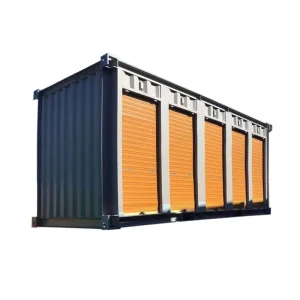
Featured Product Showcase
High-Efficiency Roll-Up & Modular Logistics Containers
Pre-engineered container structures manufactured at our automated Tianjin facility, certified for Apapa and Tin Can Island port offloading and cross-country haulage.
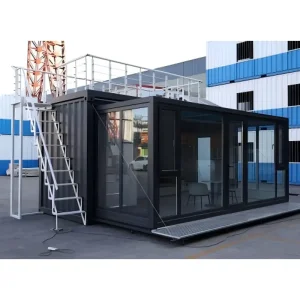
Nigeria Industrial Site: 20ft Foldable Modular Container Housing
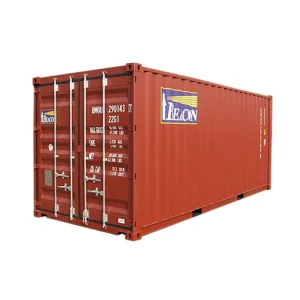
Nigeria Trade Corridor: ODM 40ft Certified Dry Cargo Shipping Container
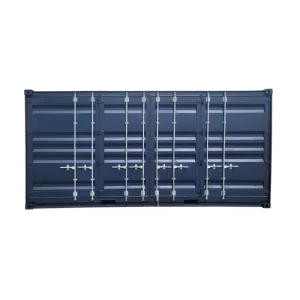
Nigeria Urban Logistics: 20ft Customized Full-Side Door Utility Container
Market Dynamics & Operational Intelligence
Nigeria’s Industrial Expansion: Why Roll-Up Door Containers Are Essential
Analyzing the operational challenges across Lagos, Kano, Port Harcourt, and Abuja, where traditional swing-door containers limit micro-distribution efficiency.
Urban Congestion & Micro-Fulfillment Bottlenecks in West Africa
The logistics ecosystem of Nigeria presents unique spatial and infrastructural realities. In densely populated commercial commercial centers like Ikeja, Alaba International Market, and Trade Fair Complex in Lagos, yard space commands a premium. Standard ISO shipping containers require a minimum outward clearance of 1.2 to 2.4 meters to swing their heavy end-doors open. In narrow alleyways, bustling roadside depots, and consolidated warehousing yards, this swing radius creates severe operational interference, preventing side-by-side vehicle parking and pedestrian flow.
Roll-up door containers solve this structural bottleneck by replacing swinging leaves with vertical rolling anodized aluminum or galvannealed steel shutters. Roll-up doors retract vertically into an overhead coiled barrel, requiring zero exterior perimeter clearance. This allows Nigerian fulfillment operators, cold-chain distributors, and self-storage facility operators to optimize storage density by up to 38% per square meter across transit corridors.
Severe Corrosion Resistance
The Gulf of Guinea features high salinity and ambient relative humidity exceeding 85%. Our China manufacturing plant applies heavy zinc-rich epoxy primers topped with marine-grade polyurethanes (120+ microns DFT) alongside anti-seize aluminum shutter guides to halt tropical rust degradation.
Tamper-Proof Commercial Security
Security remains a baseline priority across Nigerian highway freight routes. Our roll-up containers incorporate internal multi-point locking bars, tamper-resistant padlock shrouds, and heavy-gauge corrugated door slats engineered to withstand forced levering attacks.
Off-Grid Power & Solar Integration
To compensate for public utility volatility in industrial outskirts, our factory provides pre-engineered structural conduits for roof-mounted solar photovoltaic brackets, lithium battery racking, and internal LED automation for continuous 24/7 self-powered yard operations.
42+
Years Engineering Heritage
120μm
Marine Coastal Paint DFT
Zero
Exterior Door Swing Clearance
100%
BV & ISO Quality Certified
Direct OEM / ODM Manufacturing Competence
Why Procurement Directors Partner Directly with Our Chinese Facilities
Bridging heavy metallurgical manufacturing in Tianjin with streamlined break-bulk and containerized shipping lanes into Lagos Ports (Lekki, Apapa, Tin Can).
Corten-A Weathering Steel Construction
Unlike secondary workshops that repurpose rusted, retired ocean boxes, our roll-up units are built fresh from cold-rolled SPA-H Corten atmospheric corrosion-resistant steel. This provides high yield strength (345 MPa minimum), preserving structural integrity under dynamic road vibration on inter-state transit routes.
Robotic Continuous Welds & Inspection
Every structural header, sill, and corner casting is welded using automated submerged arc and MIG welding systems. Certified inspectors subject each export batch to dye-penetrant testing, air-leak testing, and Bureau Veritas (BV) classification verification prior to factory dispatch.
Containerized 'One-Way' Ocean Freight
Shipping empty custom-modified units to Africa can entail exorbitant deadhead freight charges. We offer 'One-Way Freight Cargo Load' options where new roll-up units carry pre-cleared dry goods from China directly to Lagos, drastically subsidizing the client's ocean logistics expense.
Bespoke Customization Matrix: Tailoring for Corporate End-Users
Every commercial procurement requirement demands distinct spatial division. We fabricate customized dual-compartment (50/50 split), tri-compartment, and quad-compartment containers featuring individual side-mounted roll-up shutters. These partitioned configurations serve as independent mini-warehouses for fast-moving consumer goods (FMCG) wholesalers, tool rental kiosks, or agricultural aggregators handling diversified dry produce in regional transit centers.
Flooring selections include 28mm certified marine birch hardwood plywood treated with chemical preservatives conforming to international quarantine requirements, or 3.0mm to 4.5mm heavy-gauge anti-slip steel chequer plates directly welded to crossmembers for forklifts and pallet jacks handling dense industrial loads.
Engineering Specifications
Standard Industrial Roll-Up Container Matrix
Architectural and structural tolerances confirmed on formal CAD/BIM mechanical drawings prior to sheet metal stamping.
| Model Identifier | Structural Footprint (L × W × H) | Roll-Up Door Aperture | Maximum Payload | Target Local Application in Nigeria |
|---|---|---|---|---|
| CIMIC-20RU-STD | 6,058 × 2,438 × 2,591 mm (20' GP) | 1 or 2 Doors (Up to 2,200 × 2,050 mm) | 21,800 kg | Urban Lagos Parcel Hubs, Port Equipment Storage, Retail Tool Dispensaries |
| CIMIC-20RU-HC | 6,058 × 2,438 × 2,896 mm (20' HC) | Full Height Shutter (Up to 2,200 × 2,350 mm) | 21,450 kg | High-Volume Agribusiness Packaging, Palletized Fertilizer Distribution |
| CIMIC-40RU-MULTI | 12,192 × 2,438 × 2,896 mm (40' HC) | 3 to 5 Modular Roll-Up Shutters per Side | 26,800 kg | Self-Storage Depots, Mini Logistics Parks, Multi-Tenant Industrial Trade Zones |
| CIMIC-INS-RU | 6,058 × 2,438 × 2,591 mm (Insulated) | Thermal-Break Insulated Roller Curtain | 19,500 kg | Pharmaceutical Storage Outposts, Temp-Shielded Electronics & Component Yards |
Comprehensive Catalog & Special Container Range
Specialized Freight, Mining & Intermodal Solutions
Engineered to international ISO and DNV standards, ready for global shipping operations and commercial deployment across West Africa.
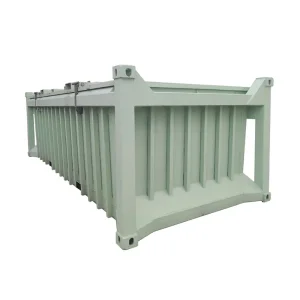
Nigeria Solid Minerals: Half Height Heavy Ore Carrier Container
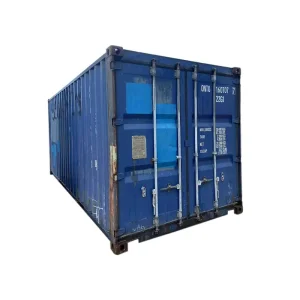
Depot Ready: ODM 40ft Used Dry Cargo Shipping Container
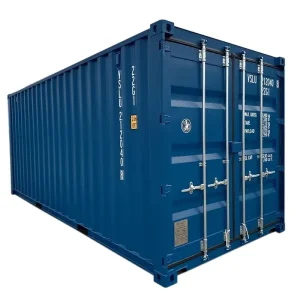
Cross-Docking Asset: 20ft Dual End Double Door Cargo Container
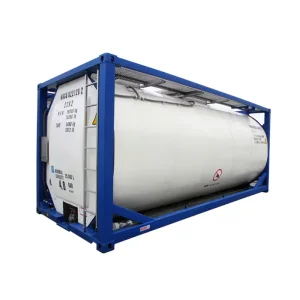
Nigeria Energy & Chemicals: ISO Standard 20ft UN-T11 Tank Container
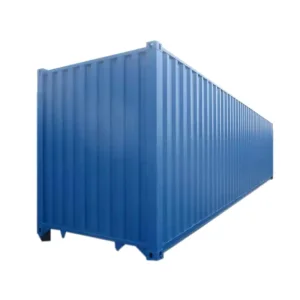
Intermodal Standard: China 40ft High Cube Certified Dry Container

Nigeria Cold Chain: Mobile Power Generation Trailer Cooling Unit
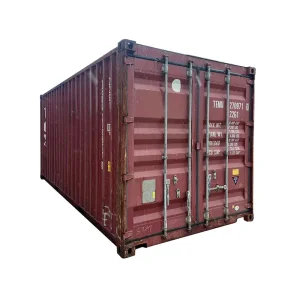
Economic On-Site Storage: 20ft Cargo-Worthy Used Container
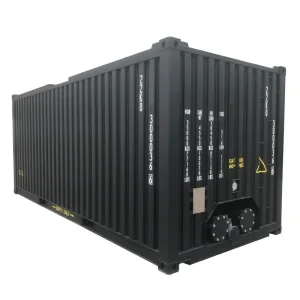
Nigeria Infrastructure: 20ft Direct-Heated Bitumen & Asphalt Container
Authoritative Sourcing Architecture
End-to-End Procurement Protocols: Importing from China to Nigeria
A rigorous checklist for corporate supply chain directors navigating SONCAP certification, customs clearing, and multimodal transport logistics.
1. Standards Organization of Nigeria (SONCAP)
Importing steel intermodal containers into Nigeria necessitates compliance with SONCAP guidelines. We provide factory-direct product test certificates, BV technical inspection dossiers, and laboratory mechanical analysis to facilitate seamless issuance of the Product Certificate (PC) and SONCAP Certificate (SC).
2. Port Routing: Lekki Deep Sea vs. Apapa / Tin Can
While traditional Apapa and Tin Can ports remain active trade nodes, the commissioning of the Lekki Deep Sea Port offers high-draft access and modernized crane throughput. Our export division books direct liner services with Maersk, CMA CGM, COSCO, and MSC tailored to your discharge terminal of choice, reducing demurrage exposures.
3. CSC Safety Approval & Offshore Lifting Ratings
For operations where modified roll-up door containers must maintain intermodal stackability on ocean vessels or train wagons, our engineering team installs certified header lintels and reinforcement perimeter posts, maintaining valid International Convention for Safe Containers (CSC) plating.
Structural Comparison: Traditional Cargo Swing Doors vs. Industrial Roll-Up Systems
In standard intermodal containers, the end-wall consists of two corrugated steel doors secured by four vertical locking bars and cam keepers with ethylene propylene diene monomer (EPDM) gaskets. While robust for ocean crossing, their day-to-day utility in decentralized hubs is encumbered by heavy deadweight and large clearance requirements.
Our industrial roll-up conversions utilize double-walled extruded aluminum slats with weather-stripping or heavy-duty polyurethane insulated steel slats. The counterbalanced torsion spring mechanism allows single-operator opening in under four seconds. This enables rapid handling for courier vans, light flatbeds, and distribution tricycles servicing downtown trade zones.
Client Due Diligence
Frequently Asked Questions: Technical & Commercial Inquiries
Direct answers covering structural integrity, shipping procedures, payment terms, and technical customization for Nigerian buyers.
Can roll-up door containers still be stacked multi-tier in storage yards?
Yes. By engineering cold-formed tubular steel sub-frames and vertical reinforcement mullions around the door cutouts, our modified roll-up units retain corner-post load transmission capability, allowing secure stacking up to 3 tiers high when fully laden.
How do you safeguard roll-up doors against water ingress during Nigerian monsoon storms?
Our designs incorporate top rain canopies (drip sills), high-compression dual EPDM rubber bottom bulb seals, and specialized side-track weather-stripping that effectively prevent horizontal wind-driven rain penetration during severe wet seasons.
What are the available locking mechanisms for retail asset protection?
We supply dual-shrouded steel padlock hasps that enclose padlocks entirely, preventing bolt-cutter access. Additionally, heavy-duty interior slam-latches and keyed central barrel lock systems can be specified on all door apertures.
What is the typical manufacturing lead time for custom container fleets?
Standard 20ft and 40ft roll-up door models typically require 15 to 25 manufacturing days for batches of 5 to 50 units upon drawing approval. Transit time from Tianjin Port to Lagos (Lekki/Apapa) spans roughly 32 to 42 ocean days depending on carrier schedules.
Can you provide container conversions with internal insulation for Nigeria's hot climate?
Yes. We offer factory-installed insulation packages including Rockwool, Glasswool, or Polyurethane (PU) sandwich panels (50mm–100mm) finished with food-grade galvanized sheet, FRP, or prepainted steel liner boards to ensure manageable interior temperatures.
What payment mechanisms are accepted for commercial export orders?
We work with internationally recognized transaction models, including confirmed, irrevocable Letters of Credit (L/C at sight) and structured Telegraphic Transfer (T/T) milestones aligned with third-party pre-shipment inspections.