
Pre-Inspected Intermodal Units for Central Mexico Transit
Standardized intermodal equipment directly qualified for immediate maritime dispatch from Chinese port hubs into Manzanillo, Altamira, and Veracruz bonded yards serving Mexico City industrial parks.
Industrial Landscape & Bulk Liquid Dynamics in the Greater Mexico City Metropolitan Area (ZMVM)
The strategic intersection of nearshoring dynamics, chemical manufacturing clusters, and specialized intermodal transport demand across the Valley of Mexico.
Vallejo-Naucalpan-Tlalnepantla Chemical Clusters
The urban industrial zones of Industrial Vallejo, Tlalnepantla, and Naucalpan serve as central distribution arteries for raw chemicals, food-grade additives, and resins. High property acquisition costs within the ZMVM have driven manufacturing entities to eliminate stationary bulk chemical storage silos, substituting them with certified used ISO tank containers operating as modular drop-and-swap reservoirs.
The Arco Norte Rail & Truck Intermodal Axis
Mexico City’s strict heavy-duty vehicle circulations dictate off-hour transit and multi-modal logistics. Bulk liquid movements utilize the Arco Norte bypass connecting inland logistics centers in Cuautitlán Izcalli and Toluca directly to the Pan-American highway corridor, necessitating T11/T14 ISO tanks equipped with high-tensile 316L stainless steel shells capable of enduring continuous intermodal shunting without stress fractures.
NOM & SCT Regulatory Compliance Directives
Transporting hazmat across CDMX corridors requires rigorous compliance with NOM-020-SCT2/1995 (pressure vessel criteria) and NOM-023-SCT2/2011. Refurbished OEM used tank containers delivered into Mexico City are subjected to comprehensive pneumatic, hydraulic 4.0-bar shell hydrostatic tests, and 5-year periodic CSC renewal documentation before vessel boarding.
Heavy-Industry Bulk Equipment Sourcing Metrics
Integrated fabrication control from Tianjin and Suzhou deepwater clusters right into central Mexican dry depots.
Factory Refurbishment & Modification Protocol for Mexico-Bound Fleets
Second-hand tank containers require deep re-engineering to match harsh logistical profiles, high-altitude barometric variances in CDMX (2,240m above sea level), and volatile temperature cycles.
| Remanufacturing Stage | Inspection & Fabrication Standard | Engineering Benefit for Mexico City Market |
|---|---|---|
| Ultrasonic Thickness Gauging | Multiple-point UT testing across crown, side plates, and dished heads ensuring minimum remaining thickness exceeds ASME VIII limits. | Guarantees structural resistance when transporting high-density corrosive acids through mountainous Bajío-CDMX roadways. |
| Steam & Electric Heating Retrofit | Installation of full-coverage longitudinal steam channels or electric glycol trace systems rated up to 140°C. | Enables safe handling of viscous resins, oils, and bitumen arriving from coastal refineries through chilly Valley of Mexico nights. |
| Gasket & Seal Re-Engineering | PTFE encapsulated silicone, FKM (Viton), or specialized Perfluoroelastomer (FFKM) valves and manlid gaskets. | Eliminates micro-leakages under volatile chemical vapor pressures common in high-altitude inland destinations. |
| Frame Blast & Anti-Corrosion Zinc Coating | SA 2.5 grit blast followed by high-build epoxy zinc primer and polyurethane marine topcoat exceeding 160µm DFT. | Protects corner posts and structural members against chemical spillage and humid maritime transit into Gulf/Pacific ports. |
Require Specific UN Portable Tank Specifications?
Our OEM engineers design custom T11, T14, and gas/refrigerated containers with full Lloyd's Register or Bureau Veritas re-certification.
Technological Roadmaps & Decarbonization in Bulk Liquid Logistics
Modernizing fleet performance through real-time asset telemetry, low-weight structural composites, and circular economy reuse models.
IoT Telemetry & GPS Vapor Pressure Tracking
Integrating ATEX Zone 0 certified digital sensor nodes onto second-hand ISO tanks permits remote, real-time logging of internal ullage pressure, cargo temperature, and geofencing along Mexican toll corridors, drastically reducing robbery risks and hazardous product settling.
High-Tensile Baffle Upgrades (Anti-Slosh Dynamics)
Retrofitting wave-damping longitudinal and transverse stainless steel baffles inside used 20ft tank vessels eliminates dynamic surge forces during sudden emergency braking on descending mountain expressways into Mexico City from Puebla or Toluca.
Carbon-Neutral Life Extension Models
Procuring certified refurbished OEM tank containers cuts embodied steel lifecycle emissions by up to 68% relative to new assemblies, aligning Mexican corporate buyers with Scope 3 decarbonization objectives without forfeiting structural integrity or safety certifications.
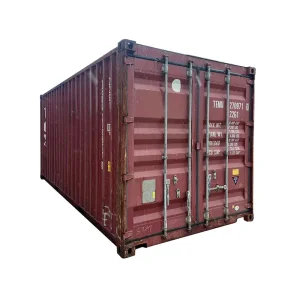
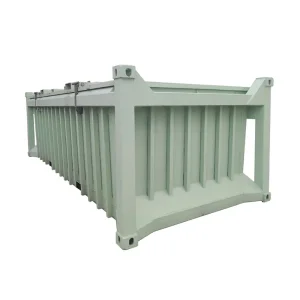
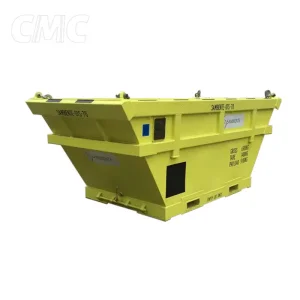
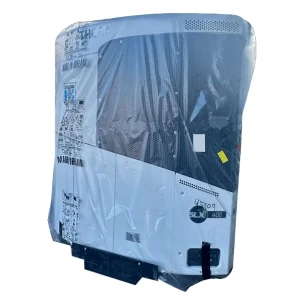
Specialized & Dry Cargo Hardware for North American Trade
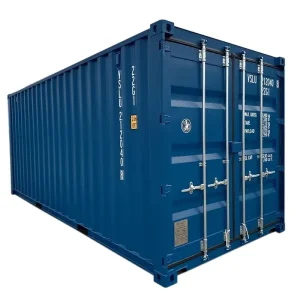
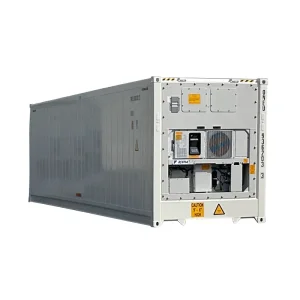
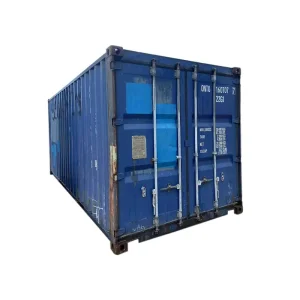
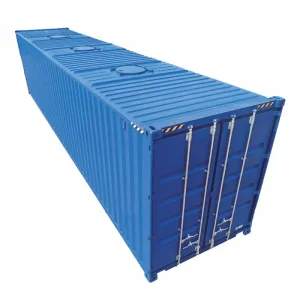
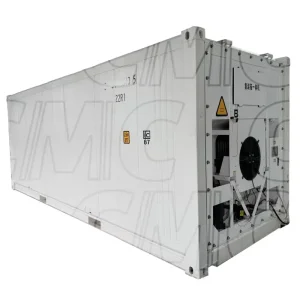
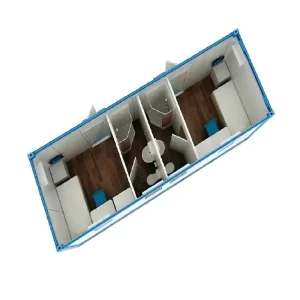
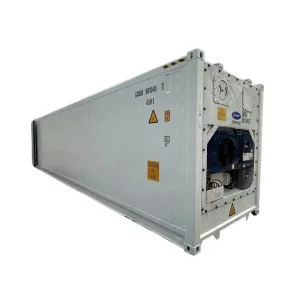
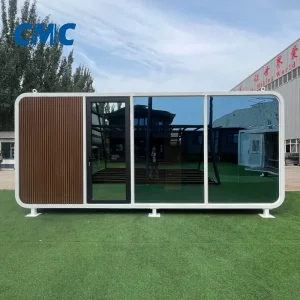
Extended equipment configurations available for rapid integration into intermodal supply networks serving manufacturing hubs across Central Mexico.
Frequently Asked Questions: Sourcing Used ISO Tank Containers for Mexico
Essential technical, regulatory, and shipping information for procurement managers and supply chain directors.
How do you verify the vessel wall integrity on second-hand ISO tank containers?
Every used tank container undergoes a comprehensive multi-point inspection. We execute ultrasonic thickness gauging (UTM) over critical areas of the 316L/304 stainless steel vessel shell and dished ends to confirm that wall dimensions comfortably exceed minimum ASME Section VIII Division 1 allowances. This is followed by a 2.5-bar to 4.0-bar hydrostatic leak-tightness test and replacement of all manlid, safety relief, and foot valve gaskets before release.
Can used ISO tanks be customized with specific steam, heating, or baffle systems?
Yes. As an OEM manufacturer with comprehensive factory tooling, we rebuild used containers to order. Options include retrofitting 6 to 8-run steam heating panels, exterior electric blanket heating systems, polyurethane insulation jacket re-cladding, and welded anti-surge longitudinal or transverse wave baffles for heavy-liquid transportation across Mexico’s mountain highways.
What certifications accompany shipments sent to Manzanillo, Veracruz, or Altamira?
Each unit ships with an updated Bureau Veritas (BV) or Lloyd’s Register 2.5/5-year periodic inspection certificate, CSC safety plate renewal, cleanliness certificate (chemical wash or food-grade passivated), and full manufacturer technical data plates showing original tare weight, max gross mass, and shell test pressure parameters.
How does ocean transit work from your Tianjin and Suzhou factories to Mexico City?
Units are loaded at Chinese base yards located approximately 100 km from Tianjin or Shanghai seaports. Containers are booked as “Shipper Owned Containers” (SOC) via direct transpacific ocean vessels into Manzanillo (approx. 18–22 days transit) or through the Panama Canal into Altamira/Veracruz for Gulf access. Once cleared through customs, they are moved via intermodal rail (Ferromex/CPKC) directly to Pantaco Intermodal Terminal or by flatbed chassis straight to your facility in the Valle de México.
Are these used tank containers compatible with Mexican NOM hazmat regulations?
Absolutely. Our refurbished T11, T14, and T50 tank containers comply strictly with IMDG, ADR, RID, and the Mexican Ministry of Infrastructure, Communications and Transportation (SICT) guidelines, specifically NOM-020-SCT2/1995 and NOM-023-SCT2/2011 covering bulk liquid transportation vehicles and containers.