
Primary Industrial Fleet & Top Enclosure Inventory
Explore heavy-load open-top units, marine-grade DNV offshore containers, high-cube refrigerated systems, and customized side-access dry van solutions engineered for severe global maritime operations.
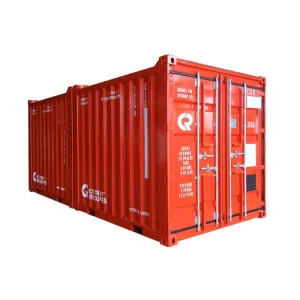
Buy New DNV Certification Offshore Dry Cargo Container Factory, Product
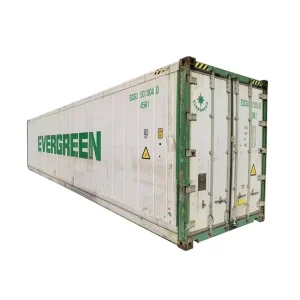
Buy Used 40ft HC Shipping Reefer Container Manufacturers, Exporters

China Used 40ft High-Cube Certified Reefer Container Pricelist, Exporter
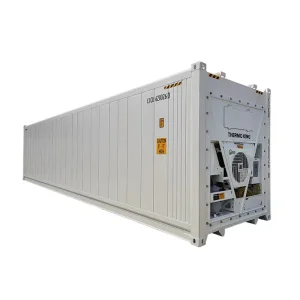
OEM New 40ft High-Cube Certified Reefer Shipping Cargo Container Pricelist, Product
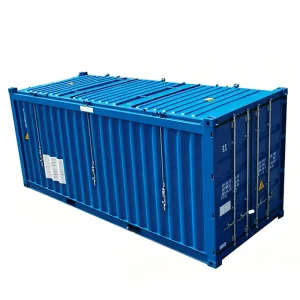
China 20ft New Hard Open Top Shipping Container Manufacturer, Factories
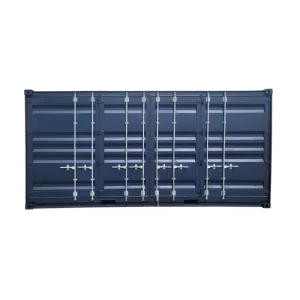
High-Quality New 20ft Customized Side Door Dry Cargo Shipping Container Factory, Product
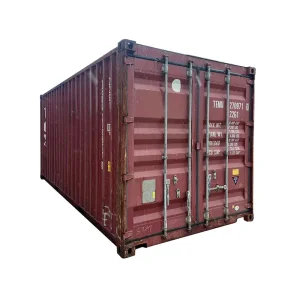
Buy 20ft Used Shipping or Storage Container Manufacturer, Products

Buy New Half Height Ore Carrier Container Offshore Container Manufacturers, Quotes
Technical Architecture: Shipping Container Tops & Open-Top Dynamics
In modern multimodal freight and heavy project forwarding, the design of container tops and upper superstructure determines the cargo capacity, loading cycle agility, and structural shear resilience under oceanic swell dynamics.
Removable Hard Tops vs. Soft Tarpaulin Assemblies
Standard dry van roofs utilize corrugated SPA-H Corten steel panels (1.6mm to 2.0mm thickness) welded contiguously to top side rails. However, out-of-gauge industrial machinery, project components, and long-shaft extrusions demand top-loading mechanics via overhead gantry cranes.
Our Hard Open Top (HOT) containers incorporate detachable steel roof assemblies locked via perimeter clamping pins. Conversely, Soft Open Top (OT) systems utilize heavy-duty PVC/polyester tarpaulins (650–900 g/m²) supported by removable galvanized roof bows, providing weather-tight flexibility alongside crane loading convenience.
Top Rail Torsional Rigidity & Removable Door Headers
When the rigid corrugated steel roof is replaced with an open-top format, the container forfeits diaphragm stiffening against lateral racking loads. To counteract racking forces under ISO 1496/1 test conditions (up to 150 kN diagonal racking load), our open top designs integrate:
- Heavy-gauge tubular top side rails exceeding 4.0mm wall thickness in structural Corten steel.
- Swing-out / removable rear door headers that pivot effortlessly to allow uninterrupted straight-in crane rigging.
- Reinforced corner gussets channeling multi-tier corner-casting stacking stresses up to 9-high laden vessels.
C5-M Marine Coating & Environmental Sealing
Container roofs endure the harshest environmental stresses: continuous UV degradation, thermal cycling from -40°C to +80°C, and saltwater puddling. Our production facilities apply a specialized C5-M heavy industrial coating system:
The process includes automated high-velocity steel grit blasting to Sa 2.5 cleanliness, followed by a zinc-rich epoxy primer (30–40 μm), an epoxy intermediate barrier (40–50 μm), and a polyurethane topcoat (40–50 μm). Tarpaulin seals feature double-lip EPDM compression gaskets ensuring zero seawater infiltration during extreme heavy seas.
Technology Roadmap: Next-Gen Container Enclosures & Smart Telematics
As the international logistics matrix shifts toward automated data reporting, net-zero greenhouse gas targets, and continuous condition tracking, the technical evolution of shipping container tops is leading the transformation.
Autonomous Solar & IoT Roof Telematics
Integration of ultra-thin, shatterproof monocrystalline photovoltaic laminates embedded within container roof corrugations. These solar systems power satellite IoT nodes, providing continuous real-time reporting on GPS coordinates, internal door breach, humidity, and temperature without external generator sets.
Lightweight High-Strength Composite Panels
Advanced R&D on hybrid fiber-reinforced polymer (FRP) and honeycomb aluminum core roof panels. By trimming dry tare weight by up to 14%, multi-modal operators dramatically reduce fuel burn per TEU transported while expanding the permissible net payload for heavy machinery.
Automated Roof Locking Actuators
Transitioning from manual twist-and-clamp roof pins to pneumatic and sensor-locked hard-top systems. Ground-level electronic locking triggers eliminate dangerous high-altitude rigging for longshoremen, reducing vessel port stay durations by up to 22% in intermodal terminals.
Circular Lifecycle & Low-Carbon Steel
Adoption of 100% electric arc furnace (EAF) low-carbon Corten steel grades and solvent-free waterborne acrylic-polyurethane paint formulations. Each unit matches EU Scope 3 emissions disclosure mandates, ensuring complete circular recyclability after a 25-year maritime lifecycle.
Macro Industry Solutions: Mission-Critical Freight Architectures
Container roof topologies and custom superstructure variations are specifically calibrated to solve logistical bottlenecks across diverse industrial supply ecosystems.
Heavy Industrial Machinery & Turbines
Standard dry boxes cannot accommodate vertical crane placement of industrial compressors, diesel gensets, CNC milling centers, and oversized electrical transformers.
Our 20ft and 40ft Hard Open Top containers enable rapid overhead crane access. Once the cargo is lashed to internal heavy-duty D-rings (tested to 5,000 kg shear pull per tie-down point), the steel roof is crane-lowered and secured, converting the container back into an intermodal box that stacks seamlessly under standard deck cells.
Offshore Oil, Gas & Subsea Exploration
Offshore supply vessels (OSVs) delivering components to dynamic platform installations operate under severe oceanic swell and heave motions. Standard ISO containers risk catastrophic structural failure under dynamic lifting conditions.
Our DNV 2.7-1 / EN 12079 certified offshore dry cargo containers and half-height ore bins feature four-point pad-eye lift lugs directly welded to the top frame rails, designed to handle dynamic impact loads up to 3g under open-sea conditions.
Cold-Chain & Biopharmaceutical Logistics
Reefer container roof structures require specialized thermal break technology to prevent thermal bridging between external marine air and the chilled internal chamber (-30°C to +30°C).
Our insulated high-cube reefers utilize rigid high-density cyclopentane-blown polyurethane foam insulation (density 40–45 kg/m³) sandwiched between Corten exterior panels and food-grade SUS 304 stainless steel interior lining, guaranteeing uninterrupted cold storage integrity across multi-week sea voyages.
China Factory 4.0: Supply Chain Resilience & Manufacturing Efficiency
Operating from strategic industrial manufacturing clusters in Tianjin and Suzhou, our manufacturing infrastructure combines automated robotic fabrication with deep raw material supply integrations.
Robotic Plasma Cutting & CNC Forming
Automated multi-axis CNC laser and plasma cutters profile high-strength Corten steel sheets with tolerances under ±0.5mm. Flanged top side rails and corrugated roof panels are bent on 1,500-ton synchronous hydraulic brake presses for ultimate dimensional consistency.
Submerged Arc & Robotic Weld Lines
Corner casting joints, bottom side rails, and top structural tubes are joined using multi-joint robotic welding systems under mixed argon shielding gas. This ensures deep weld penetration, uniform beads, and zero internal slag entrapment across all stress-bearing seams.
Automated Shot Blast & Eco-Coatings
Fabricated container shells enter closed-circuit wheel-abrator chambers where high-velocity steel grit strips mill scale to Swedish Standard Sa 2.5. Environmentally compliant waterborne zinc and polyurethane coatings are electrostatically applied in controlled climate booths.
100 km Deepwater Port Dispatch
Located just 100 kilometers from Tianjin Xingang and Shanghai port container terminals, our facilities slash inland drayage costs and eliminate dwell latency. Containers move directly from final QC sign-off to vessel loading berths within 24 hours of factory gate-out.
Localization Support & International Compliance Assurance
Cross-border intermodal logistics requires uninterrupted regulatory alignment. Every unit delivered from our production lines satisfies rigorous third-party inspection criteria.
CSC & Classification Society Approvals
All production series hold valid CSC (International Convention for Safe Containers) safety approval plates. Structural calculations and destructive load testing are verified and witnessed on-site by accredited classification societies:
- Bureau Veritas (BV) Marine Certification
- Lloyd’s Register (LR) Type Approvals
- American Bureau of Shipping (ABS) Stacking Validations
- DNV Offshore Lifting Compliance
TIR Customs & UIC Rail Transit Norms
For Eurasian overland rail and trans-continental trucking, our containers feature TIR (Customs Convention on the International Transport of Goods Under Cover of TIR Carnets) certified customs seal lock protection. Tarpaulin cords, roof locking pins, and hinge pins incorporate tamper-evident cable routing, ensuring seamless border clearance without physical cargo re-inspection.
Localized Global After-Sales & Reefer Spares
Through long-term strategic relationships with refrigeration manufacturers including Thermo King, Daikin, and Carrier, refrigerated units benefit from worldwide warranty support, localized technician dispatch, and immediate spare parts availability at over 400 global commercial container ports.
Global Enterprise Procurement: Total Cost of Ownership (TCO) Analysis
Institutional container leasing corporations, global freight forwarding consortiums, and energy operators analyze fleet investments beyond baseline FOB unit pricing.
Capital Cost vs. Service Life Longevity
Standard mild steel containers begin experiencing roof corrosion and seam failure within 6 to 8 years of ocean deployment. Our commitment to 100% SPA-H atmospheric corrosion-resistant Corten steel paired with high-solid zinc primers extends active container lifespan past 20 years, slashing annual amortization expense by 38% compared to budget manufacturers.
OEM/ODM Engineering Drawing Sign-Off
Procurement teams collaborate directly with our senior structural engineering team. Before steel coils are slit, comprehensive 3D CAD/SolidWorks models, structural Finite Element Analysis (FEA) reports, and precise bill-of-materials are signed off, ensuring zero dimensional discrepancies upon delivery.
Secondary Market Residual Valuation
Fleet owners frequently rotate container assets into domestic storage, modular architecture, or remote job-site markets after initial shipping leases expire. Standardized, high-specification open tops and reefers retain over 65% of original capital value on the secondary market after a decade of active maritime operation.
| Top / Roof Category | Structural Specification | Permissible Payload | Target Handling Cargo | Primary Industrial Sector |
|---|---|---|---|---|
| Hard Open Top (HOT) | Removable Corten steel cover + swing header | 28,000 – 30,480 kg | Heavy machining, marble, boilers, turbines | Heavy Engineering & Energy |
| Soft Open Top (OT) | Tir-sealed tarpaulin + galvanized steel bows | 28,200 – 30,480 kg | Over-height equipment, pipes, timber logs | Breakbulk & Project Freight |
| High-Cube Reefer Top | Corten outer shell + 100mm PU foam + SUS304 | 29,000 – 34,000 kg | Chilled seafood, meat, pharmaceuticals | Global Cold Chain Logistics |
| DNV Offshore Top | Integrated structural lifting pad-eyes + high yield steel | Up to 25,000 kg dynamic | Drilling tools, subsea valves, offshore supplies | Offshore Oil, Gas & Marine |
| Side-Door Dry Box Top | Continuous welded corrugated SPA-H roof sheet | 28,000 – 30,480 kg | Palletized consumer goods, oversized side cargo | E-commerce & Multi-Drop Transit |
Specialized Enclosures, Modular Housing & Liquid Systems
Explore customized multi-temperature combination reefers, ISO liquid tank containers, dangerous goods containment modules, and soft open top platforms.
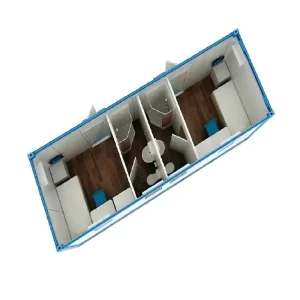
Famous 20ft 40ft Standard Size Accommodation Modular House Container Exporter, Products
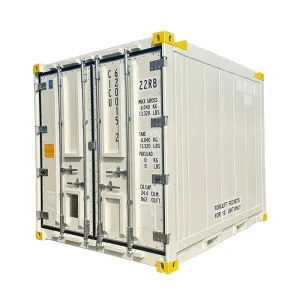
High-Quality New 10ft Certified Thermo King Freezer Container Exporter, Manufacturers
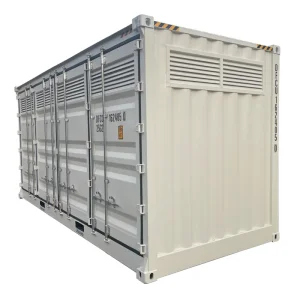
Famous 20FT High-cube Dangerous Goods Container Side Open Door with Ventilation Opening Manufacturer, Exporter
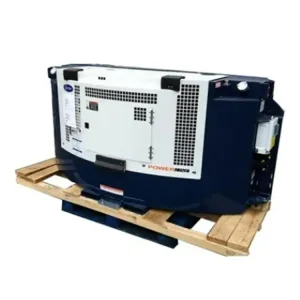
China Refrigerated container diesel generator Exporter, Quotes
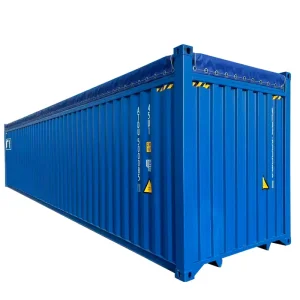
Buy 40ft High-Cube New Soft Open Top Shipping Container with Tarpaulin Cover Manufacturer, Product
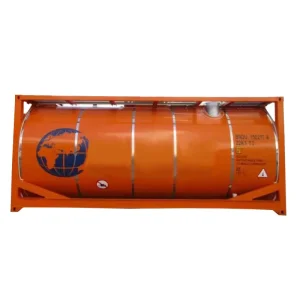
China 20 Foot ISO Liquid Tank Container for Water Manufacturer, Product
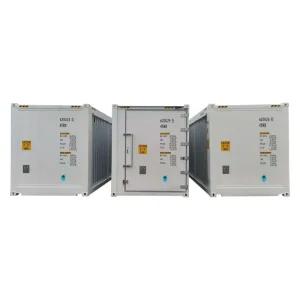
China OEM 40ft High-Cube Customized Three-in-One Combination Reefer Storage Container Manufacturer, Quotes
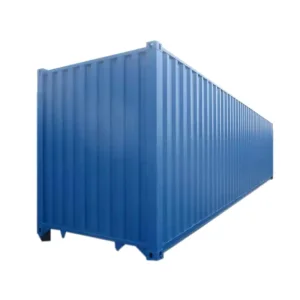
China 40ft High Cube Certified Dry Cargo Shipping Container contaoner Factory, Product
Frequently Asked Questions: Container Tops & Fleet Engineering
In-depth responses to structural, regulatory, operational, and commercial questions addressed to our engineering and export desk.