Primary Export Catalog
Featured Specialized & Lined Container Systems
Explore our top line-up of factory-certified intermodal units, offshore baskets, insulated dry containers, and custom fluid containment systems backed by full BV & ISO compliance.
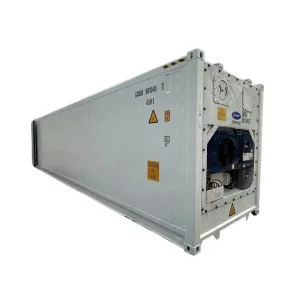
Used 40ft HC Carrier Refrigerated Container (90% New)
View Specifications & Quote
20 Feet Shipping Bulk Cargo Container
View Specifications & Quote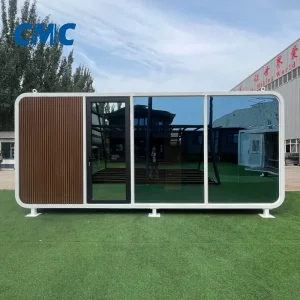
20ft Prefab Modular Container Office Pod Cabin
View Specifications & Quote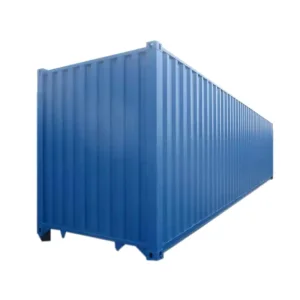
40ft High Cube Certified Dry Cargo Shipping Container
View Specifications & Quote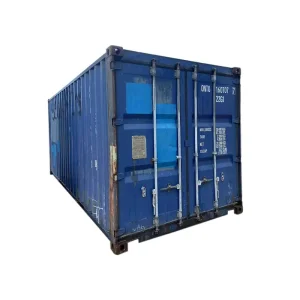
ODM 40ft Used Dry Cargo Shipping Container
View Specifications & Quote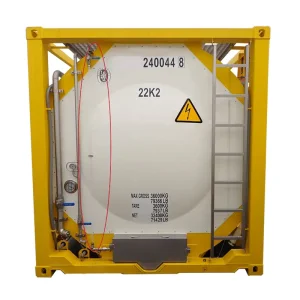
ODM 20ft Food-Grade Tank Container for Alcohol
View Specifications & Quote
Half Height Heavy Ore Carrier Offshore Container
View Specifications & Quote
Technical Whitepaper: Industry Context
Engineering Foundations of High-Performance Lined Containers
Navigating cross-border hazardous logistics, bulk mineral transport, and food-grade fluid supply chains demands an uncompromising structural and chemical isolation architecture.
Polymer & Barrier Chemistry
Lined containers function as mission-critical protective barriers. Using fluoropolymers (PTFE/PFA), vulcanized natural rubber, and ultra-high-density polyethylene (HDPE), these internal skins mitigate corrosive pitting caused by aggressive acids, alkalis, and reactive solvents during long intermodal transits.
Stress Dissipation & Corten Steel
The structural shell incorporates high-yield SPA-H Corten atmospheric corrosion-resistant steel. Engineered to absorb cyclical dynamic stresses caused by maritime pitch, rolling waves, and heavy rail humping shocks, the integrated liner maintains molecular cohesion without debonding.
Zero-Contamination Assurance
For fine pharmaceutical precursors, lithium-ion battery salts, and pure potable spirits, liner installations prevent metallic ion migration. Advanced surface finish tolerances (Ra < 0.4 µm) ensure that CIP (Clean-in-Place) wash protocols eliminate cargo cross-contamination entirely.
1983
Manufacturing Heritage
100 KM
Factory to Seaport Terminal
BV / ISO
Quality & Maritime Verification
100%
Spark & Pressure Tested
Procurement & Manufacturing
China Factory Supply Chain Strategic Advantages
Why Tier-1 international logistics conglomerates and multinational engineering contractors consolidate their containerized capital equipment procurement in Tianjin.
Vertical Steel Integration
Direct bulk allocation of certified marine-grade Corten steel coils and fluoropolymer compounds enables high raw-material yield, insulating international buyers from global spot-market steel volatility.
Precision Robotics & Curing
Continuous automatic submerged-arc welding lines ensure micro-smooth interior shell preparation. Autoclave polymer vulcanization prevents thermal pinholes and delamination across 10-year operating life-cycles.
Port Proximity & Logistics
With manufacturing facilities positioned precisely 100 km from Tianjin and Suzhou deepwater maritime terminals, dispatch to vessel staging yards incurs zero multi-day transshipment lag.
Agile OEM/ODM Prototyping
CAD/CAM engineering teams provide rapid finite element analysis (FEA) drawings within 48 hours for bespoke valve manifolds, dynamic heating systems, and high-cube liner configurations.
Global Regulatory Assurance
Localized Compliance & International Safety Standards
Procuring hazardous and heavy-duty logistics equipment requires rigorous adherence to regional statutory frameworks to guarantee customs clearance and port acceptance.
| Certification / Protocol | Governing Body | Engineering Scope & Rigor | Applicable Deployment |
|---|---|---|---|
| CSC Safety Approval | International Maritime Organization (IMO) | Full structural stacking (192,000 kg), longitudinal racking, and dynamic end-wall impact compliance. | Global container ships, intermodal rail & road networks. |
| DNV GL Standard 2.7-1 / EN 12079 | Det Norske Veritas | Charpy V-notch impact testing at -20°C, offshore dynamic 4-point lift sling proof load verification. | Rough-sea oil platforms, offshore energy exploration. |
| IMDG Code / ADR / RID (T-Codes) | United Nations Dangerous Goods | UN Portable Tank categorization (T11 to T22) with burst-disc relief valves and chemical compatibility audits. | Transport of hazardous liquid chemicals & corrosives. |
| FDA / EC 1935/2004 | US FDA & European Commission | Migration testing for inert food-contact surfaces, tasteless fluoropolymer barriers, non-leaching rubbers. | Bulk wine, potable alcohol, fruit concentrates, syrups. |
| Bureau Veritas (BV) Verification | Bureau Veritas Industrial Marine | Independent third-party metallurgical inspection, weld radiographics, and dielectric spark hole verification. | Export validation across Europe, Americas, Africa & APAC. |
Localized Application Scenarios
Engineered for Demanding Enterprise Deployments
From remote African mining concessions to European specialty chemical corridors, our lined containers deliver unyielding reliability across five core industries.
Corrosive Chemical Transport
Engineered for transporting high-purity hydrochloric acid (HCl), sulfuric acid, and sodium hypochlorite without risk of tank wall degradation. Incorporates vulcanized chlorobutyl or PTFE linings tested to 20,000-volt holiday spark standards.
- Eliminates hazardous intermediate bulk totes (IBCs)
- Bottom discharge with tertiary isolation safety valves
- Custom external steam heating channels for viscous fluids
Dense Mineral & Slurry Extraction
For African and South American mining operators moving abrasive copper, lithium, and rare-earth slurries. High-durometer polyurethane liners guard high-cube and half-height containers against extreme aggregate friction.
- Abrasion-resistant liners rated up to 85 Shore A
- Low center-of-gravity design for stabilized off-road transit
- Anti-stick additives to ensure fast tipping and clean hopper dumps
Food & Beverage Fluid Bulk
Specialized for long-distance intermodal transit of vintage bulk spirits, potable ethyl alcohol, and edible organic oils requiring absolute flavor neutrality and total absence of chemical leaching.
- Grade 316L stainless-steel substrate with ultra-smooth passivated liners
- Nitrogen blanketing ports for oxidation prevention
- Hygienic CIP spray balls for rapid port decontamination
Market Intelligence
Future Trends Shaping Lined Container Engineering
Technological transformations are accelerating fleet digitization, lightweight composite adoption, and strict lifecycle decarbonization across global freight lanes.
Smart IoT Telemetry & Lining Sensors
Modern fleets are transitioning from passive containers to real-time connected assets. Embedded wireless micro-sensors continuously track interior barrier integrity, detecting micro-leaks, internal pressure fluctuations, and temperature deltas before barrier breaches occur.
Circular Polymers & Bio-Liners
Global decarbonization mandates are driving the development of recyclable thermoplastic composite liners. These materials cut container tare weight by up to 14%, increasing payload capacity while offering fully circular recycling options at end-of-life.
Modular Quick-Change Relining
Rather than scrapping containers when chemicals pit their internal coatings, next-generation modular lined units utilize field-replaceable elastomer cartridges. This reduces downtime from three weeks in specialized shipyards to 48 hours in standard intermodal depots.
Buyer Procurement Intelligence
Frequently Asked Questions: Global Sourcing & Engineering
Critical technical, commercial, and operational considerations answered directly by our senior container engineering division.
What types of shipping and lined containers does CIMIC supply globally?
We manufacture and export an extensive catalog of ISO-standard and specialized containers. This includes reefer (refrigerated) containers with Carrier, Daikin, or Thermo King units, dry cargo boxes (20ft, 40ft, 40HC), DNV-certified offshore cargo baskets and tanks, chemically lined ISO tank containers for corrosive transport, insulated containers, modular flat-pack cabins, and custom opening variants (side-open, roll-up shutter, double door). Both factory-new custom OEM/ODM builds and inspected used container inventories are available for global dispatch.
How do engineers determine the proper lining material for corrosive liquid transport?
Material selection depends directly on the Safety Data Sheet (SDS) of the intended cargo. Our metallurgical and chemical engineers analyze product parameters including chemical concentration, operating pH, maximum ambient carriage temperatures, and vapor pressures. For highly aggressive halogens and mineral acids, fluoropolymers like PTFE, FEP, or PFA are specified. For caustic alkalis, inorganic salts, and slurries, vulcanized natural or chlorobutyl rubber offers superior flexibility, abrasion resistance, and bond longevity.
What international quality certifications and maritime standards do your containers satisfy?
All units are built under documented ISO 9001 quality management systems and hold Bureau Veritas (BV) or other IACS-member classification approvals. Offshore dry containers and silt baskets satisfy DNV GL Standard 2.7-1 and EN 12079 for marine lifting. Intermodal fluid containers comply with CSC safety conventions, IMDG Class 8 chemical containment rules, ADR/RID railway standards, and USDA/FDA requirements for food-grade contact.
What is the typical lead time and export procedure from your factory in Tianjin?
For standard ISO container runs, lead times typically span 3 to 4 weeks upon drawing sign-off. Specialized lined tank units or DNV offshore builds generally require 5 to 7 weeks to accommodate precise pre-treatment, curing, and third-party BV inspection. Situated approximately 100 km from Tianjin Xingang port, completed units undergo swift pre-shipment clearance and move straight onto direct vessel sailings to Europe, Africa, Australia, or the Americas.
Can CIMIC manufacture custom OEM/ODM configurations according to client drawings?
Yes. Tailored engineering is our core strength. We work from your custom CAD models or develop full structural schematics based on operational payload requirements. Customizations include bespoke interior valve layouts, electrical trace heating systems, reinforced corner castings, sub-floor spill basins, access hatches, and tailored exterior anti-corrosion marine polyurethane coatings.
How are used shipping containers vetted before dispatch to ensure ocean-worthiness?
Used reefer and dry containers undergo structured multi-point physical inspections at Chinese port depots. Inspectors verify straight frame geometry, watertight door seals, intact flooring, and cargo-worthy (CW) or IICL-5 structural soundness. Refrigeration machinery undergoes pre-trip inspections (PTI) to certify setpoint temperature stability before photos, inspection logs, and units are approved for dispatch.
Comprehensive Machinery & Fleet Inventory
Industrial Logistics Machinery & Specialized Equipment
Explore our full line of specialized auxiliary power units, mobile offshore carriers, heated bitumen vessels, and high-cube refrigeration machinery ready for direct global export.
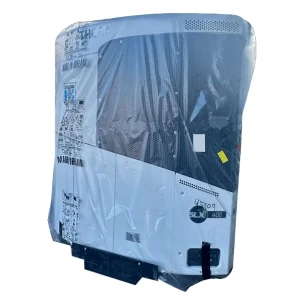
TK SLXI Mobile Power Trailer Cooling Machinery Unit
View Specifications & Quote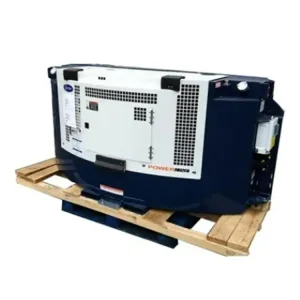
Refrigerated Container Diesel Generator Genset
View Specifications & Quote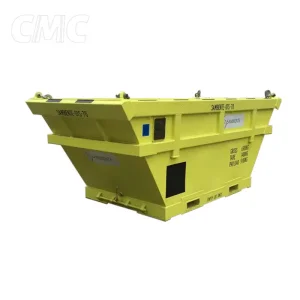
DNV Certified Offshore Marine Silt Basket Container
View Specifications & Quote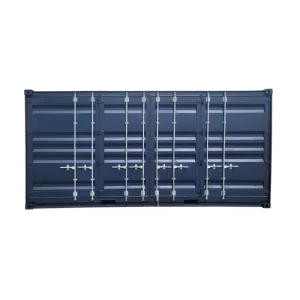
20ft Customized Full Side-Door Dry Cargo Container
View Specifications & Quote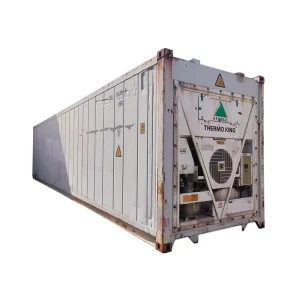
ODM New 40ft Commercial Refrigerated Freezer Container
View Specifications & Quote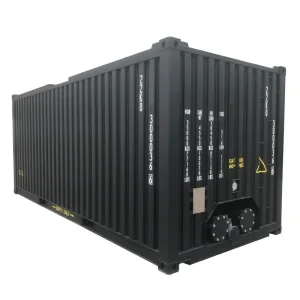
20 Feet Internal Heated Shipping Asphalt Bitumen Tank
View Specifications & Quote
Used 40ft High-Cube Certified Reefer Container
View Specifications & Quote