
Mini-Storage
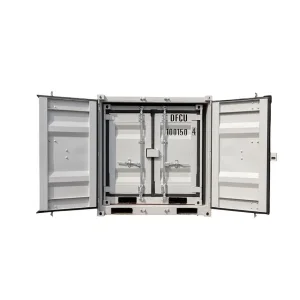
High-performance intermodal containers fabricated with weathering Corten steel, high-payload chassis reinforcement, and certified climate control machinery.
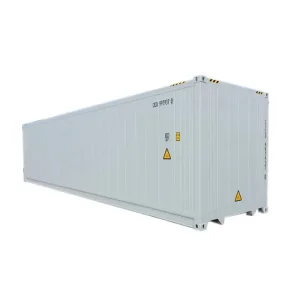
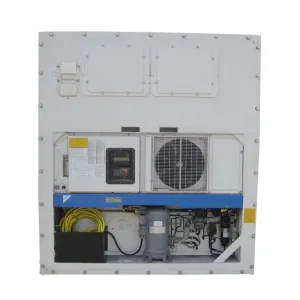
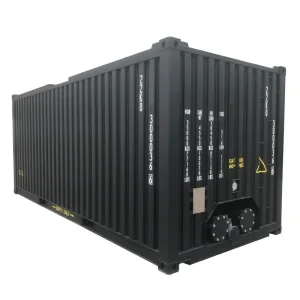
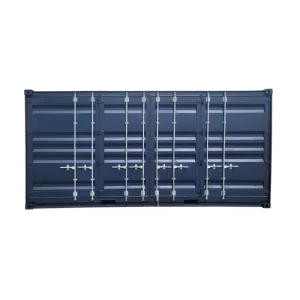
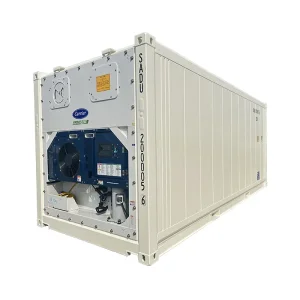
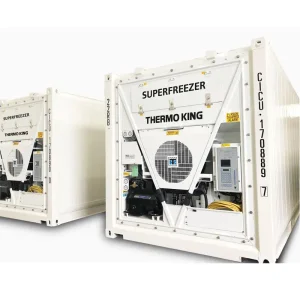
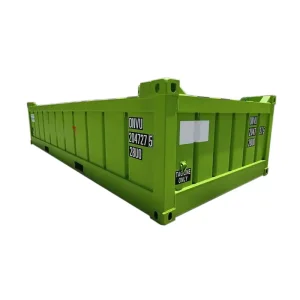
An authoritative analysis of finite element stress modeling, atmospheric corrosion resistance, and thermal performance parameters governing modern custom intermodal shipping containers.
Specialized maritime shipping containers represent a critical nexus of metallurgical engineering, dynamic load computation, and strict aerodynamic-hydrodynamic seaworthiness. Unlike commoditized 20ft and 40ft General Purpose (GP) dry units, specialized intermodal hardware—encompassing thermal reefer envelopes, offshore exploration skids, high-volume open-side machinery pods, and liquid bitumen ISO tanks—must withstand extreme longitudinal inertia, angular racking forces up to 150 kN, and saltwater exposure under ISO 1496/1 and DNV 2.7-1 (EN 12079) dynamic testing regimes.
Metallurgical Standard (SPA-H Corten Steel): High-yield weathering steel (SPA-H JIS G3125 or equivalent Corten-A) forms the structural backbone of our manufacturing. Through enriched copper, chromium, and nickel alloy additions, the metal spontaneously develops a dense, self-healing iron oxide patina (FeOOH) that halts sub-surface oxygen ingress, extending operational asset lifespans well past 25 years in harsh C5-M marine environments.
Automated multi-axis Submerged Arc Welding (SAW) and continuous MIG shielding ensure deep weld penetration on high-stress corner posts, header beams, and bottom side rails. Strict jig fixtures eliminate angular skew, ensuring micro-millimeter tolerance conformity across automated twist-lock spreader interfaces.
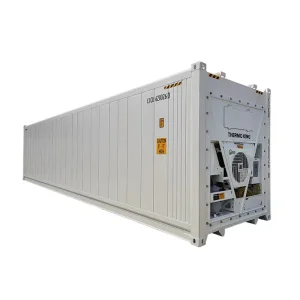
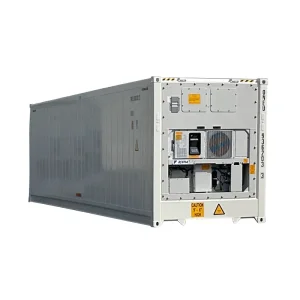
Reefer and insulated boxes integrate high-density closed-cell polyisocyanurate/polyurethane foam injected at 42 kg/m³. Utilizing 100% CFC-free cyclopentane blowing agents, the wall panels achieve an exceptional thermal transmission coefficient (K-value ≤ 0.33 W/m²·K), preventing heat bridging even under ambient desert conditions (+50°C).
Surface preparation includes full-body SA 2.5 shot blasting to remove mill scale, followed immediately by a three-coat protective cycle: zinc-rich epoxy primer (60μm), polyamide epoxy intermediate build (80μm), and acrylic polyurethane/fluorocarbon topcoat (50μm), delivering comprehensive salt spray resistance exceeding 3,000 hours.
How geographical clustering, raw metallurgical availability, and automated deepwater maritime dispatch create unbeatable cost efficiencies and delivery speed for international fleet managers.
China's container manufacturing dominance is not merely a matter of factory scale—it is a sophisticated industrial cluster system uniting raw blast-furnace hot-rolled coil mills, specialized cold-bending profile workshops, and world-class automated component supply ecosystems. Over 95% of the world's specialized maritime containers originate from China's coastal industrial belts, with the Tianjin and Yangtze River Delta (Suzhou/Shanghai) economic regions spearheading bespoke engineering breakthroughs.
Direct procurement partnerships with domestic steel giants (such as Baosteel, HBIS, and Ansteel) allow our fabrication yards to bypass speculative raw material pricing. Specialized gauge SPA-H steel coils, hollow structural sections (HSS), and marine-grade aluminum extruded profiles are cut, rolled, and formed on-site with zero upstream logistical latency.
Our core manufacturing bases are positioned within a 100-kilometer radius of major container terminals—primarily the Port of Tianjin and the Port of Shanghai/Taicang. This eliminates domestic drayage overhead, mitigates internal freight damage, and allows oversized, heavy-tare offshore skids to be loaded straight onto feeder vessels or heavy-lift project carriers.
Equipped with in-house CAD/CAM modeling, 3D Finite Element Analysis (FEA) software, and automated CNC laser cutting centers (up to 30kW), our engineering office converts unique project specifications into structural production blueprints within 72 hours, offering physical pilot samples within 14 days of order confirmation.
How international logistics consortia, energy EPCs, and cold-chain operators deploy specialized container designs to solve critical intermodal bottlenecks.
Renewable energy developers require custom-reinforced 20ft and 40ft High Cube enclosures housing lithium-ion battery banks, liquid-cooling loops, and aerosol fire-suppression systems. Our containers feature structural roof-load capacity up to 10 tons for HVAC condensing chillers, fire-rated A60 acoustic insulation, and localized seismic tie-down anchor plates.
Offshore operators in the North Sea, Gulf of Mexico, and West Africa require DNV 2.7-1 / EN 12079 certified half-height baskets, tool containers, and open-top mud-skips. Tested at dynamic drop conditions (-20°C impact toughness), each unit features certified four-leg wire rope lifting slings, high-visibility topside markers, and internal tie-downs capable of withstanding rough maritime transit.
High-density mineral transport calls for specialized half-height containers engineered with hardox-grade wear plates, reinforced bottom rails, and hydraulic turnover discharge compatibility. Similarly, our heated bitumen asphalt containers integrate internal flame-tube heating circuits (diesel/gas burner) or electric heating blankets to maintain heavy pitch viscosity during long intermodal routes.
Rigorous third-party certification protocols ensuring uninterrupted port clearance, railway safety, and interline liability coverage worldwide.
Procuring maritime containers demands ironclad adherence to multinational statutory treaties. A failure in structural compliance or documentation can result in immediate cargo impoundment, carrier refusal at ocean terminals, and catastrophic financial liability. As an audited manufacturing group, our production line processes are continuously verified and stamped by the world's most prestigious classification societies: Bureau Veritas (BV), ABS (American Bureau of Shipping), DNV (Det Norske Veritas), and Lloyd's Register (LR).
| Certification Standard | Governing Body / Treaty | Core Testing Focus | Target Operational Market |
|---|---|---|---|
| CSC (Container Safety Convention) | International Maritime Organization (IMO) | Stacking (up to 216,000 kg), transverse racking, floor strength, end/side wall deflection | Global ocean shipping, multi-modal rail & road freight corridors |
| DNV 2.7-1 / EN 12079 | DNV GL / European Standards | Dynamic 2-point / 4-point lift, 45° drop test at -20°C, pad-eye NDT weld verification | Offshore oil & gas platforms, subsea energy vessels, hazardous marine exploration |
| TIR Customs Convention | United Nations ECE | Customs seal integrity, tamper-proof hinge pins, enclosed rivet/bolt designs | Cross-border Eurasian rail (Belt & Road), inter-state bonded overland transit |
| ATP Certificate | UNECE Transport Division | Thermal insulation coefficient (K-value), continuous temperature holding efficiency | European perishable food transport, high-value chilled pharmaceutical cold chain |
| ISO 668 & ISO 1496-1 | International Organization for Standardization | Standard external dimensions, corner casting interfaces, twist-lock tolerances | Universal gantry crane compatibility, standard container ship cell guides |
From IoT-integrated telematics to zero-GWP refrigerants and lightweight composite alloys—how specialized factories are anticipating the green digital shipping era.
The modern specialized container is an intelligent, connected edge node. Factory-fitted satellite/cellular transceivers provide real-time updates on GPS coordinates, internal atmospheric moisture, shock and vibration thresholds (up to 10G events), door-opening events, and reefer compressor diagnostic faults.
Complying with the Kigali Amendment and strict EU F-gas regulations, our cooling integration facilities are transitioning away from high-GWP refrigerants (R404A/R134a) toward environmentally benign alternatives such as R513A, R452A, and transcritical CO2 (R744, GWP=1), drastically decreasing the lifecycle carbon footprint of perishable fleets.
By substituting standard mild structural steels with ultra-high-strength steel grades (yield strength ≥ 700 MPa) and fiber-reinforced composite wall panels, our specialized containers shed up to 15% tare weight without sacrificing ISO vertical stacking strength (216 metric tons). This directly translates into higher commercial payloads and lower shipping emissions.
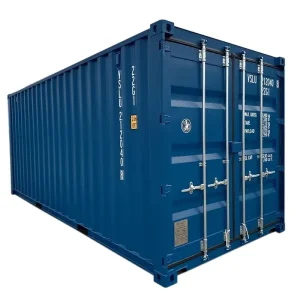
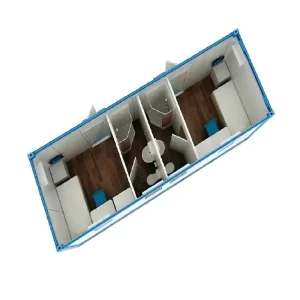
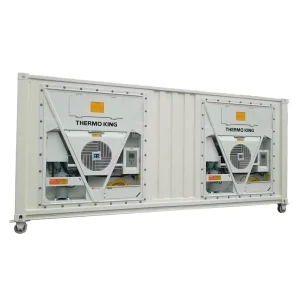
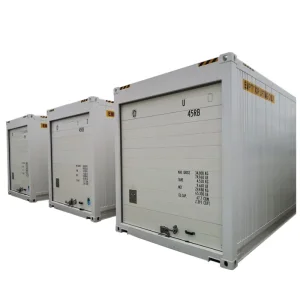
Certified industrial containers designed for harsh operational settings, dual-ended warehouse distribution, offshore platform lifting, and commercial cold chain networks.


Direct, engineering-backed answers addressing structural longevity, classification society certification, customization lead-times, and ocean delivery logistics.
Consult directly with our maritime structural engineers. From custom DNV 2.7-1 offshore modules and advanced reefer refrigeration plants to heavy-density mining transport envelopes—we deliver turnkey compliance, factory-direct pricing, and global port dispatch.