Industrial Solutions Tier I
High-Spec Cargo Units & Locking-Integrated Assets
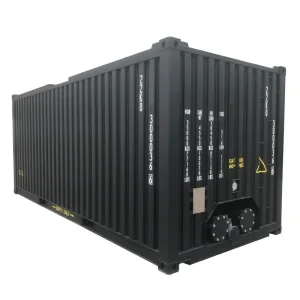
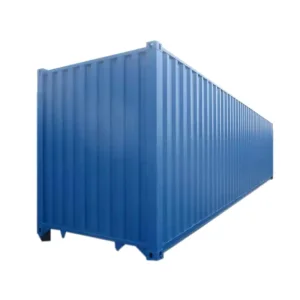
Browse OEM-grade intermodal containers equipped with specialized mechanical and thermal protective structural integrity frameworks, verified by Bureau Veritas and ISO testing protocols.
Global Market Context
Macro Commercial Status & Container Cargo Integrity Paradigms
Modern global supply networks cross multijurisdictional transport corridors requiring robust mechanical shielding, anti-tamper locking mechanisms, and continuous sensory monitoring against theft, geopolitical instability, and physical breach.
Mitigating Cargo Loss & Intermodal Shrinkage
Global supply chain security reports indicate over $50B in direct cargo losses annually. High-value freight spanning electronics, pharmaceuticals, and critical raw materials demands mechanical locking housings impervious to heavy angle grinders and hydraulic bolt cutters.
ISO 17712 & C-TPAT Compliance Pressures
Strict customs border controls require adherence to High-Security mechanical seals (ISO 17712 'H' classification) and Container Security Initiatives. Structural factory welding and OEM perimeter reinforcement prevent unauthorized latch removal from the exterior door hinges.
Harsh Environment Marine Corrosiveness
Standard marine deployments subject container locking mechanisms to severe salt spray, industrial vibration, and extreme temperature variations (-40°C to +70°C). Corten steel lock boxes and anti-seize alloy hardware eliminate oxidation-driven lock failures.
1983
Industrial Heritage
100 KM
Distance to Tianjin Seaport
BV / DNV
International Certification
100%
Traceable Steel Construction
Mechanical Engineering
Hardened Engineering: Core Methodologies in Securing A Shipping Container
Achieving enterprise-grade containment security necessitates combining architectural structural modifications with physical barrier defenses directly applied during container assembly line manufacturing.
Heavy-Duty Welded Lockboxes
Factory-welded Corten steel enclosures completely house high-security monoblock padlocks, deflecting physical attack angles from crowbars, rotary saws, and torch cutting.
Interlocking Door Rod Cams
Reinforced dual or quad locking gear systems feature cold-formed carbon steel rods and thickened keepers, keeping doors rigid and preventing lateral prying during structural torsion.
Anti-Cut Crossbar Locks
Surface-mounted tubular adjustable steel locking bars clamped over opposing vertical door handles stop lever operation even if standard handle rivets are mechanically drilled out.
Structural Corner Casting Locks
Twistlock-based anchoring systems latch empty or loaded containers directly to foundation pilings, rail chassis beds, or vessel cell guides, eliminating unauthorized lifting or towing.
Operations Across Sectors
Localized Real-World Applications & Security Deployments
Container securing demands vary drastically between remote maritime platforms, intermodal rail corridors, pharmaceutical distribution networks, and modular structural installations.
Offshore Marine Operations
Deployments in dynamic offshore rigs demand DNV 2.7-1 certified lifting slings coupled with salt-immune hermetic security seals. Containers endure green water wave impacts without seal displacement or latch breach.
Cold Chain Cargo Custody
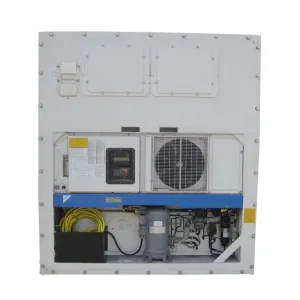
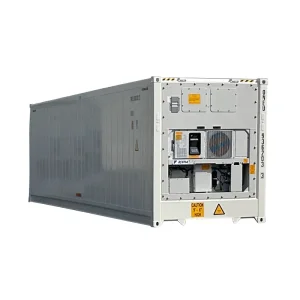
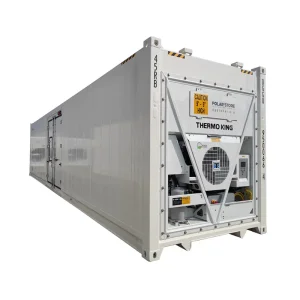
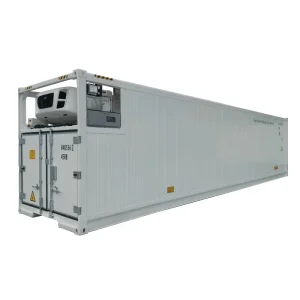
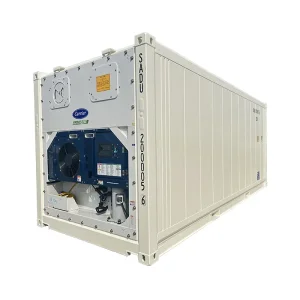
Refrigerated containers (Carrier, Daikin, Thermo King) housing premium perishables or vaccines require tamper-evident digital door contact sensors tied to thermal logging microprocessors to avert spoilage and cargo theft.
Intermodal Rail & Truck Transit
Long-distance rail freight crossing diverse trans-Eurasian or trans-continental terrains faces targeted cargo attacks during yard stops. Welded lock housings and internal deadbolts prevent fast intrusion windows.
Engineering Horizon
Technology Roadmap: The Evolution of Container Security
Container securing is transitioning from passive mechanical locking barriers toward active, sensor-laden, autonomous telemetry hubs integrated directly into container architecture.
ERA 1.0 // FOUNDATIONAL
Passive Hardened Steel
Standard bolt seals, external unshielded brass padlocks, and rudimentary four-rod mechanical cam locking configurations.
ERA 2.0 // INDUSTRIAL DEFENSE
Integrated Corten Shielding
Factory-welded flush lockboxes, concealed deadbolt latches, drill-proof core cylinders, and high-shear crossbar barriers.
ERA 3.0 // CONNECTED TELEMETRICS
IoT Sensory Nodes
GPS/cellular tracking lock units, door status sensors, infrared light sensors, and geofence-triggered alert broadcasts.
ERA 4.0 // AUTONOMOUS SECURITY
Blockchain & AI Edge Telemetry
Smart biometric entry tokens, ambient micro-vibration breach detection, and distributed ledger immutable seal-state verification.
Procurement Strategy
Macro Industry Solutions: Evaluating OEM Manufacturers & RFQ Quotes
Selecting an intermodal container manufacturer requires validating raw metallurgical standards, quality assurance certifications, and drawing precision before placing purchase commitments.
Material Grade Verification
Specify anti-corrosive SPA-H Corten steel for all exterior wall corrugations, corner posts, and lockboxes. Corten's specialized patina creates an oxidation barrier, safeguarding locking integrity against salt-spray degradation.
Factory Production Lead-Time Optimization
Working with factories situated in primary maritime shipping clusters—such as Tianjin and Suzhou (within 100km of deepwater berths)—dramatically slashes inland drayage transport fees, reduces handling risks, and guarantees timely vessel staging.
Custom Engineering Review
Reliable OEM suppliers evaluate precise cargo weight profiles, locking tolerances, and operational climates. Engineering CAD drawings covering lock shrouds, inner reinforcement, and refrigeration units are signed off prior to serial production.
Technical Knowledgebase
Frequently Asked Questions: Securing A Shipping Container
Direct technical answers for supply chain managers, freight forwarders, and procurement engineers regarding physical security hardware, standards, and production logistics.
What is a factory lockbox and why is it essential?
A lockbox is a heavy Corten steel shroud welded directly onto container cargo doors. It shields an internal padlock from physical tampering by preventing bolt cutters, crowbars, or angle grinders from reaching the hardened shackle.
What distinguishes ISO 17712 'H' Class seals?
ISO 17712 High-Security ('H') seals are certified to endure rigorous mechanical tests, including tensile pulling (>10kN), cutting shear, bending forces, and impact strikes, fulfilling mandatory C-TPAT customs entry conditions worldwide.
How can containers be anchored securely to ground foundations?
Ground security relies on foundation twistlocks or weldable floor plates connected to the bottom ISO corner castings. This prevents unauthorized forklift maneuvering, crane relocation, or structural shifting under high hurricane-force winds.
Can OEM customizations include internal locking mechanisms?
Yes. Custom OEM fabrication can incorporate internal release escape latches for personnel safety, dual-side cylinder deadbolts, and multi-point concealed rod locking mechanisms concealed inside composite wall panels.
What maintenance is necessary for marine lock assemblies?
Marine environments require periodically lubricating lock tumblers with non-gumming silicone or dry graphite compounds, inspecting rubber door gasket seals for thermal degradation, and confirming no hairline welds appear along the lockbox seams.
How do reefer container door security measures differ from dry vans?
Reefer doors employ deeper thermal gaskets and stainless-steel hardware to halt thermal bridging. Locking systems often integrate electronic data-logger sensors monitoring internal cold temperatures along with physical door opening event telemetry.
Industrial Solutions Tier II
Specialized Logistics Units, Reefers & Heavy Ore Containers
Explore heavy industrial containers engineered for bulk commodities, temperature-sensitive cold chain distribution, and offshore supply chain environments.