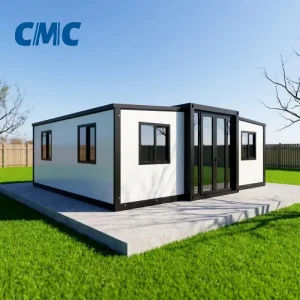
Factory-Direct Engineered Fleet Solutions (Tier-1 Catalog)
Explore certified modular shipping, intermodal reefer systems, and heavy-duty structural ISO containers directly fabricated to BV, ISO, and DNV maritime regulations.

OEM New Deep Freezer Refrigerator Container
Request Factory Quotes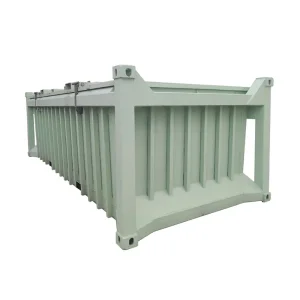
Buy New Half Height Ore Carrier Offshore Container
Review OEM Specs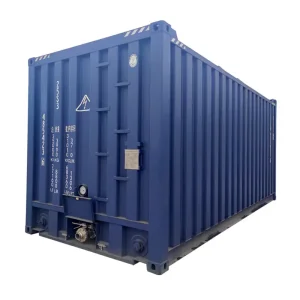
Buy New 20ft Square Liquid ISO Tank Container
Inspect Engineering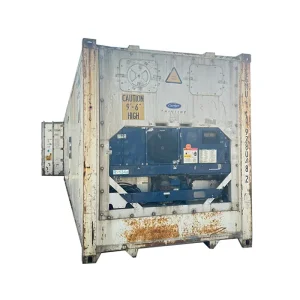
Used 40ft High-Cube Certified Reefer Container
Download Pricelist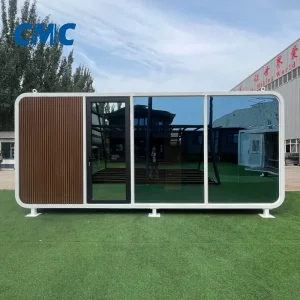
20ft Prefab Modular Apple Cabin & Office Pod
View Architectural Pod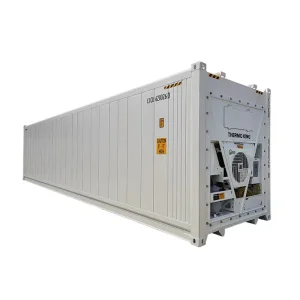
OEM 40ft HC Certified Reefer Cargo Container
Check Fleet Quotes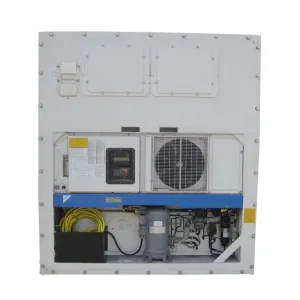
Refrigeration Cooling Units for Reefers
Source Cooling Systems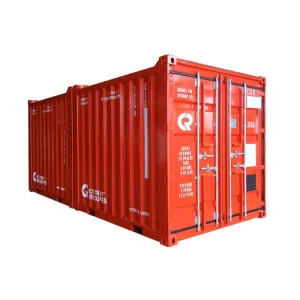
DNV Certified Offshore Dry Cargo Container
Verify CertificationThe Global OEM Storage Container Business Landscape
A macro-level operational overview of intermodal freight manufacturing, volatile structural raw materials, and strategic supply chain adjustments across North America, Europe, and emerging corridors.
Structural Steel Index & Corten Economics
The manufacturing backbone of the modern shipping container industry revolves around SPA-H Corten atmospheric corrosion-resistant steel. As global base metal markets fluctuate, tier-1 OEM manufacturers leverage bulk hedging and vertical billet sourcing in East Asia. This price elasticity directly impacts unit baseline pricing for global fleet operators, dry cargo consolidators, and stationary modular storage developers.
Cold-Chain & Critical Reefer Supply Elasticity
Industrial demand for precision temperature-controlled containers has surged beyond traditional agrifood logistics into high-consequence biopharmaceuticals, battery electrolyte transport, and specialized chemical supply lines. Utilizing advanced integrated micro-channel heat exchangers and low-GWP refrigerants, high-cube reefers now serve as turnkey deployable cold hubs with strict sub-zero holding parameters.
Modular Container Architecture & Prefab Transformation
From rapid-deployment disaster relief units to upscale architectural Apple Pods and containerized remote command data centers, standard ISO dry boxes are experiencing structural evolution. Structural load calculations, acoustic thermal dampening, and automated factory interior pre-fitting now permit immediate plug-and-play installation for global infrastructure contractors.
Storage Container Business Pricelist Architecture
Enterprise procurement requires full transparency into base production costs, custom fabrication multipliers, and unit volume discounts directly from Chinese manufacturing centers.
| Container Classification | Standard Dimension (ISO) | Base Tare / Max Gross | OEM Factory Quote (FOB China) | Primary Industrial Sector |
|---|---|---|---|---|
| 20ft General Purpose (GP) Dry Cargo | 20' x 8' x 8'6" (6.058 x 2.438 x 2.591m) | 2,200 kg / 30,480 kg | $1,650 - $2,250 USD | Dense minerals, machinery, static storage hubs |
| 40ft High-Cube (HC) Dry Cargo | 40' x 8' x 9'6" (12.192 x 2.438 x 2.896m) | 3,800 kg / 32,500 kg | $2,850 - $3,750 USD | Intermodal FMCG, high-volume retail inventory |
| 40ft HC Reefer (Carrier / Daikin / Thermo King) | 40' x 8' x 9'6" (Insulated Marine Body) | 4,480 kg / 34,000 kg | $11,800 - $16,500 USD | Deep-frozen seafood, fresh produce, cold pharma |
| DNV 2.7-1 Offshore Cargo Carrying Unit | 10ft / 20ft Certified Structural Frame | 3,100 kg / 14,000 kg | $4,200 - $7,800 USD | Subsea drill tooling, offshore rig logistics |
| Half-Height Heavy Mineral Ore Carrier | 20' x 8' x 4'3" (Reinforced Steel Box) | 2,750 kg / 32,000 kg | $2,600 - $3,900 USD | Bulk copper concentrate, iron ore, heavy mining |
| 20ft ISO Square Liquid Tank (T11/T14 Standard) | 20' Framed 316L Stainless Steel Vessel | 3,400 kg / 36,000 kg | $14,500 - $22,000 USD | Liquid chemicals, food-grade oils, combustibles |
| Prefab Modular Apple Pod / Office Cabin | 20ft Expandable Composite Structure | 3,200 kg / Turnkey Fit-Out | $5,500 - $9,800 USD | Modular workforce camps, luxury garden studios |
*Note on Pricing Variance: The above baseline pricelist reflects container-grade SPA-H cold-rolled steel at indexed commodity averages. Customizations including roll-up industrial roller shutters, full-length side-opening bi-fold doors, specialized interior epoxy tank liners, hazardous material spark-proof venting, and dual-redundant HVAC cooling units will influence final FOB/CIF pricing. Bulk fleet orders exceeding 50 TEU qualify for Tier-3 enterprise rebates.
Engineering Metallurgy & Structural Architecture
Container longevity is governed by rigorous mechanical tolerance, multi-stage surface preparation, precision automated submerged-arc welding, and thermal insulation engineering.
Shot Blasting to SA 2.5 & Marine Epoxy
Every raw steel structural panel passes through automatic high-speed centrifugal shot-blasting stations to achieve a clean surface meeting ISO 8501-1 Sa 2.5. This ensures immediate bonding with a zinc-rich epoxy primer (minimum 30μm DFT), followed by polyamide-cured intermediate coatings and high-build polyurethane topcoats engineered to withstand 1,000+ hours of continuous ASTM B117 salt-fog corrosion testing.
Thermal Envelope & Polyurethane Injections
For custom reefer, insulated, and deep freezer units, thermal performance is controlled by high-pressure automated cyclopentane-blown polyurethane foam injection. With an average core density of 42-45 kg/m³ and thermal conductivity (K-value) below 0.32 W/m²·K, our temperature envelopes ensure cargo stability from -40°C deep freeze up to +30°C pharmaceutical stabilization with minimal compressor runtime.
Load Testing & CSC Plating Compliance
Under International Convention for Safe Containers (CSC) guidelines, dry boxes and special offshore containers undergo rigorous non-destructive and hydraulic destructive test cycles. Racking forces up to 150 kN, vertical floor strength loading of 7,260 kg (tested via axle load simulators conforming to ISO 1496-1), and transverse corner post compression verify structural integrity for multi-tier ocean vessel stacking.
Enterprise Application Scenarios for Container Hardware
How customized container bodies solve acute logistics, civil defense, mineral extraction, and edge computing challenges worldwide.
Battery Energy Storage (BESS)
Reinforced 20ft and 40ft high-cube shells integrated with liquid cooling manifolds, fire-rated insulation panels, explosion relief roof vents, and heavy floor loading up to 40 metric tons for utility-scale lithium iron phosphate (LiFePO4) installations.
Offshore Hydrocarbon & Mining
Half-height tippler containers and DNV 2.7-1 certified transport units manufactured with high-yield tensile steel, certified padeyes, wire rope slings, and marine door sealing specifically engineered for dynamic North Sea and offshore Gulf conditions.
Field Pharma & Agro Cold Hubs
Three-in-one multi-temperature split reefer storage containers with independent micro-climates, roller shutter loading zones, and full interior LED emergency egress lighting, eliminating food wastage across rural trade corridors in Africa and Latin America.
Rapid Modular Infrastructure
Factory-built modular living pods, Apple offices, flat-pack sanitization shelters, and deployable telecommunication server rooms delivering pre-wired European standard (CE) electrical networks, plumbing tie-ins, and high-spec soundproofing.
Technology Roadmap: The Next Decade in Container Engineering
Tracking the integration of IoT telemetry, low-carbon bio-based composite panelling, and automated robotic roll-forming processes.
Smart Telematics & Autonomous Sensing
Every modern fleet buyer now requires remote satellite and 5G cellular communication transponders embedded within the container's perimeter channels. Real-time logging of internal shock (XYZ axis G-force), humidity, atmospheric gas balance (O2/CO2 levels in controlled atmosphere reefers), and door tamper triggers guarantees absolute supply chain transparency from port dispatch to final door discharge.
Circular Metallurgy & Low-Carbon Steel
With global maritime carbon taxes and Scope 3 emissions reporting gaining legal friction, our production partners are transitioning toward electric arc furnace (EAF) steel sourcing utilizing up to 75% recycled scrap content. This directly lowers the embedded carbon footprint of a standard 40ft HC box from ~5.2 tonnes CO2e to under 2.4 tonnes, meeting stringent European Corporate Sustainability Due Diligence standards.
Cryogenic & Natural Refrigerant Transition
Reefer container refrigeration units are aggressively retiring high-GWP synthetic hydrofluorocarbons (HFCs) like R-134a and R-404A in favor of natural carbon dioxide (CO2, R-744) and hydrofluoroolefins (HFOs) like R-513A. These environmentally benign systems deliver high thermodynamic COP efficiency, superior deep-freeze holdover capabilities, and zero ozone depletion liability.
Frequently Asked Questions: Sourcing Storage Containers Direct
In-depth technical answers addressing regulatory certification, minimum order volumes, custom modifications, and inland freight logistics from factory docks.
Industrial containers constructed from genuine SPA-H Corten steel form an adherent protective oxide patina upon contact with atmospheric humidity. This layer arrests rust penetration, ensuring an intermodal operational lifespan of 15–20 years in harsh marine conditions and over 35+ years in static dry on-site storage applications. Standard mild carbon steels, by comparison, pit and fail structurally within 5–7 years without constant recoating.
While standard ISO containers are engineered for multi-tier stacking and horizontal lashing on container vessels, DNV 2.7-1 / EN 12079 units are built for extreme dynamic marine environments. Offshore boxes require upgraded primary steel framing, certified lifting lugs (padeyes) capable of withstanding rough open-sea crane transfers, Charpy impact testing at -20°C or -40°C, and complete non-destructive weld testing (NDT) with certified wire-rope sling sets.
Yes. Tailored OEM/ODM engineering is a core manufacturing service. When full side-opening bi-fold doors or heavy-duty roll-up shutters are added, our structural engineering team reinforces the top side rails and bottom sills with reinforced tubular steel sections to counteract loss of corrugated panel rigidity, preserving full CSC stacking and diagonal racking certification.
New units are typically shipped as "One-Way Cargo Shippers" (SOC - Shipper Owned Containers). We coordinate with international shipping lines to load commercial freight into your containers for their maiden voyage, effectively subsidizing or eliminating oceanic repositioning freight charges to major destination ports across Europe, North America, Africa, and Australia.
All newly assembled refrigerated units utilize authentic carrier components (Thermo King, Daikin, or Carrier Transicold) backed by comprehensive factory Pre-Trip Inspections (PTI). Comprehensive test data files documenting chilling ramp speeds, electrical insulation checks, defrost heating circuit verification, and sensor calibration are issued with full BV or ISO classification certificates before port departure.
Heavy-Duty Specialty & Modular Fleet (Tier-2 Catalog)
Browse customized configuration solutions including roll-up shutter access, multi-temperature combination reefers, side-loading doors, and expandable modular shelters.
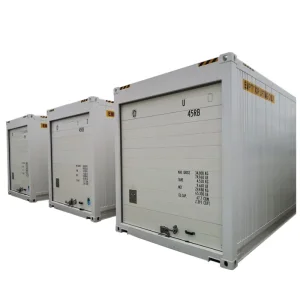
China 40ft HC Roll Up Reefer Container
Review Shutter Specs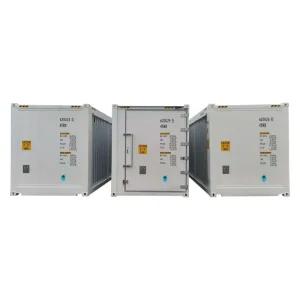
40ft HC Three-in-One Combination Reefer
Explore Multi-Zone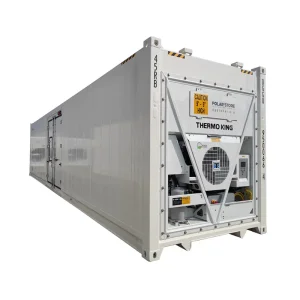
40ft HC Side Open Door Reefer Container
Check Access Design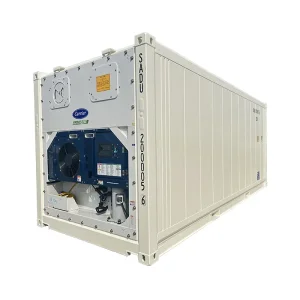
40ft HC Carrier Refrigerator Freezer Cold Room
View Chilling Units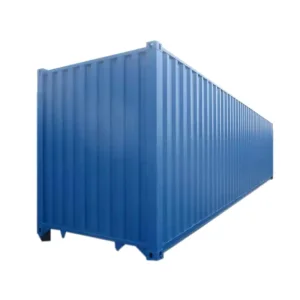
40ft High Cube Certified Dry Cargo Container
Source Intermodal Dry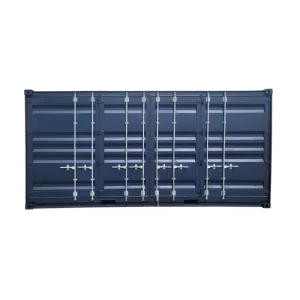
20ft Customized Side Door Dry Cargo Container
Download Side Access CAD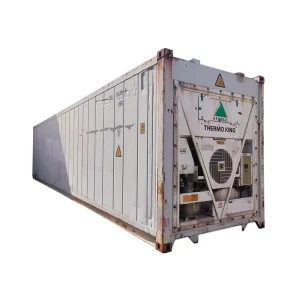
ODM New 40ft Refrigerated Freezer Container
Get ODM Export Quote