
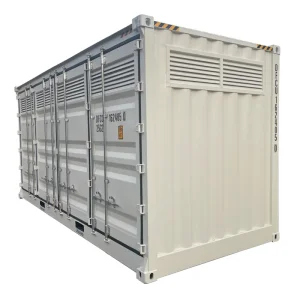
Primary Export Catalog
Standard & Hazardous Logistics Units
Engineered to international ISO, BV, and CSC specifications, these certified containers satisfy extreme payload criteria and intermodal durability demands.
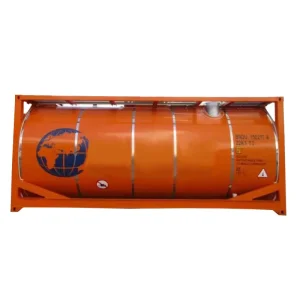
China 20 Foot ISO Liquid Tank Container for Water Manufacturer, Product
Inspect Drawings & Certs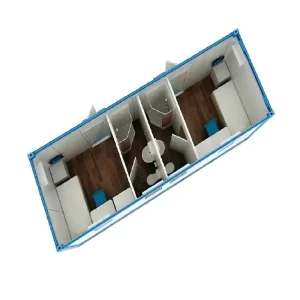
Famous 20ft 40ft Standard Size Accommodation Modular House Container
Review Modular Specs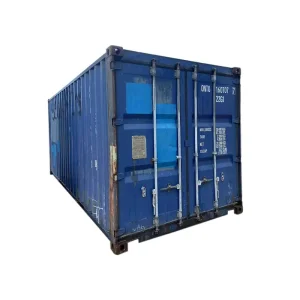
ODM 40ft Used Dry Cargo Shipping Container Manufacturers, Quotes
Request Depots Inventory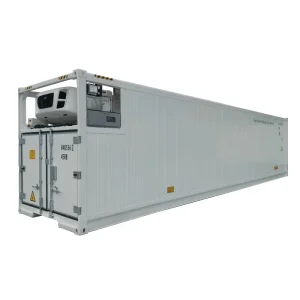
Famous New 40-Foot HC & 45-Foot Belt and Road Railway Refrigerated Container
Intermodal Rail Data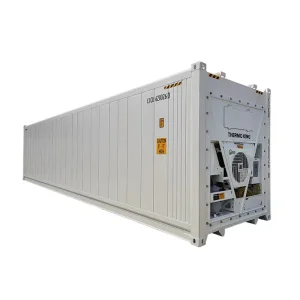
OEM New 40ft High-Cube Certified Reefer Shipping Cargo Container
Obtain Reefer Quotation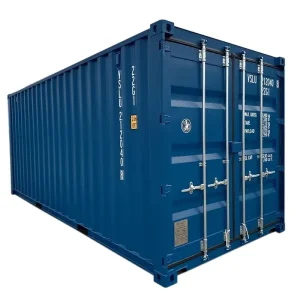
Buy New 20ft Double Door Dry Cargo Shipping Container
Dual Door Specifications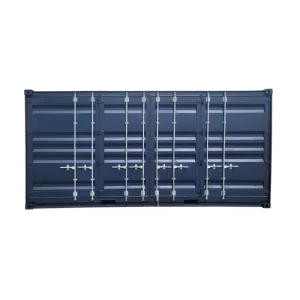
High-Quality New 20ft Customized Side Door Dry Cargo Container Factory
Full Side Access Options
Industry Intelligence
Macro Dynamics Driving the Global Shipping Container Market
From maritime cold chains to distributed edge data centers, containers are evolving from standard transport vessels into modular industrial platforms.
Electrification & Smart Telematics
Modern container fleets demand integrated IoT sensors for real-time geolocation, humidity monitoring, shock sensing, and remote reefer telemetry. Smart fleet operators rely on our factory-integrated wiring channels, power conduits, and sensor brackets to maintain complete cold chain visibility and satisfy strict pharmaceutical and food transport mandates.
Intermodal Decarbonization Mandates
With global maritime logistics moving toward net-zero thresholds, factory-applied eco-coatings (waterborne zinc-rich primers) and lightweight high-tensile alloys reduce tare weights significantly. This delivers higher payload capacities per TEU while curbing fuel burn across multimodal rail, barge, and road transit corridors.
Industrial Infrastructure Modularization
Containers are breaking boundaries beyond maritime trade. Energy transition sectors demand heavy-duty modified enclosures for Battery Energy Storage Systems (BESS), solar inverter hubs, modular water desalination units, and field data centers that withstand seismic load cycles, wind shear, and severe ambient corrosion.
Procurement Risk Management
Overcoming Critical Enterprise Sourcing Bottlenecks
Global procurement teams face structural quality disparities, regulatory misalignment, and delayed export procedures. Here is how our OEM engineering matrix solves these systemic failures.
Material Grade Substitution Defense
The Risk: Substandard mills supplying non-weathering commercial mild steel in place of certified Corten-A (SPA-H), leading to premature corrosion perforation within 24 months of ocean voyages.
OEM Solution: 100% metallurgical traceability with raw mill test certificates (MTC) and Bureau Veritas heat-number verification for side panels, corner castings, and structural hollow sections.
Classification Non-Compliance
The Risk: Modified dry containers failing CSC (Convention for Safe Containers) safety approval plates, triggering impoundment by port authorities or customs rejection.
OEM Solution: End-to-end classification approvals across BV, DNV, ABS, or CCS. Every production batch undergoes witnessed racking, stacking (up to 9-high laden), wall strength, and floor deflection load testing.
Custom Engineering Lead-Time Drift
The Risk: Disconnects between initial CAD schematics and manufacturing floor tooling that create protracted rework cycles and missed vessel schedules.
OEM Solution: DFM (Design for Manufacturing) review within 48 hours, parametric 3D modeling validation, standardized modular jig fixtures, and agile factory scheduling that locks delivery timelines within contracted windows.
China Factory 4.0 Ecosystem
Intelligent Manufacturing, Coastal Proximity & Supply Chain Resilience
Combining automated heavy fabrication with strategic port access creates an unmatched manufacturing cost-to-performance ratio for global buyers.
Robotic Continuous Seam Welding
Equipped with advanced multi-axis robotic welders, our automated lines guarantee uniform weld penetration across primary load-bearing corner posts, side rails, and corrugated sheeting. This eliminates human fatigue errors and produces hermetic seals that surpass severe weather-tightness trials.
Automated Shot-Blasting & Zinc Coating
Every structural panel undergoes continuous centrifugal shot-blasting to standard SA 2.5 profile cleaning, followed by automated robotic electrostatic powder/liquid paint application. This multi-layer system (zinc primer + epoxy intermediate + polyurethane finish) yields salt-spray endurance exceeding 1,000 hours.
Tianjin & Suzhou Deep-Water Cluster
Our manufacturing footprint in Tianjin and Suzhou sits directly adjacent (within ~100 km) to China's major maritime container gateways. This spatial proximity drops inland transport overheads, avoids chassis drayage bottlenecks, and enables fast roll-on loading onto weekly line-haul sailings.
Field Deployment Scenarios
Engineered Deployment Architectures Across Global Sectors
Proven functional container adaptations deployed reliably across demanding climatic, industrial, and municipal territories.
Sub-Zero Active Reefer Cold Chains
Utilizing high-efficiency Daikin, Carrier, or Thermo King thermal units with high-density polyurethane insulants. Trusted for commercial fisheries, export meat handling, and agricultural distribution in the Americas and Europe.
Grid BESS & Generator Enclosures
Reinforced sub-floors rated for multi-ton battery racks, complete with CNC cutouts for transformer connections, integrated HVAC ducting, explosion-relief panels, and automatic FM200 fire suppression routing.
Rapid Modular Accommodation
Turnkey living units, mining camp pods, and mobile administrative quarters. Factory-fitted with PIR thermal linings, CE-rated electrical conduits, double-glazed windows, and functional sanitary modules for quick site assembly.
Chemical & Dangerous Cargo Units
Precision-built with bunded spill-catch floors, spark-proof interior fittings, and high-flow side ventilation louvers. Fully aligned with IMDG code guidelines to ensure safe international transit of hazardous materials.
Customized & Special Equipment
High Cube, Open-Top & Modular Enclosures
Engineered for over-height bulk freight, rapid warehouse transfers, off-grid refrigeration, and containerized architectural projects.
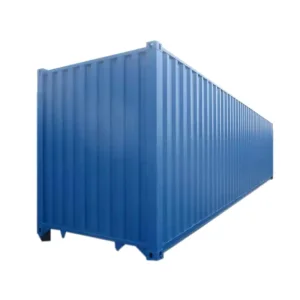
China 40ft High Cube Certified Dry Cargo Shipping Container Factory
40HC Dry Technical Sheet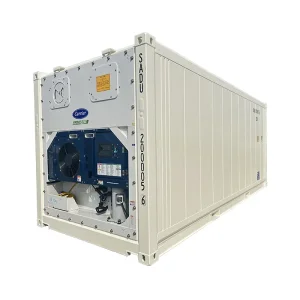
High-Quality New 40ft High Cube Carrier Refrigerator Freezer Cold Room
Carrier Freezing Specs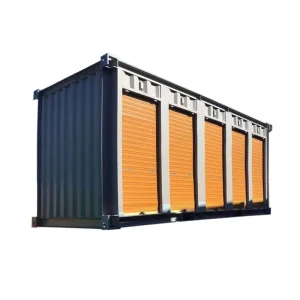
OEM New 20ft Storage Roll-Up Door Dry Cargo Container Pricelist
Roll-Up Door Customization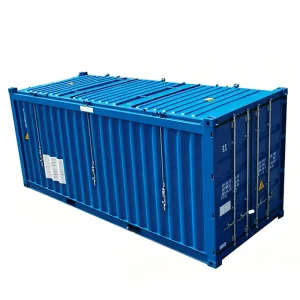
China 20ft New Hard Open Top Shipping Container Manufacturer
Hard Top Loading Data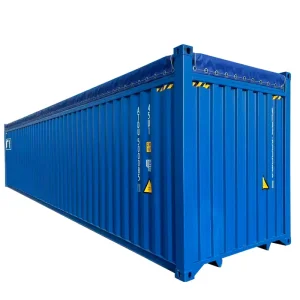
Buy 40ft High-Cube New Soft Open Top Container with Tarpaulin Cover
Soft Open Top Specs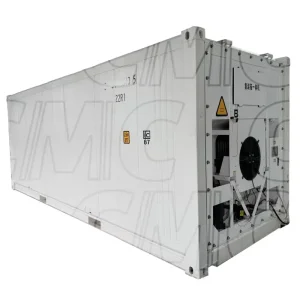
ODM Smart Chain Cold Storage 20ft/40ft Solar Refrigerated Container
Solar Inverter Refrig Info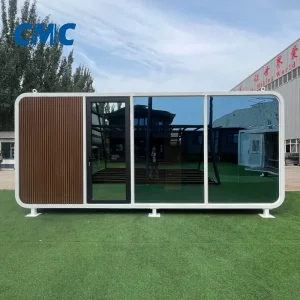
Famous 20ft Prefab Container House Flat Pack Modular Cabin & Office Pod
Modular Pod Architectural Kit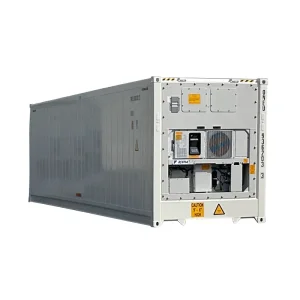
OEM New 40ft High-Cube Daikin Freezer Container Cold Storage Room
Daikin Deep Freeze Pricing
Technical & Commercial FAQ
Frequently Asked Questions: Global Sourcing & Engineering
Authoritative guidance addressing international shipping container standards, custom OEM tooling, marine certifications, and intermodal freight execution.
What structural steel grades are standard in your factory builds?
All load-bearing structures, corrugation sheets, and frames are constructed exclusively from authentic SPA-H (JIS G3125) or Corten-A weathering steel. These alloys feature copper-chromium-nickel additions that form a protective patina against ocean salt spray and inland weathering, delivering service lifespans exceeding 15 to 20 years.
How does your OEM/ODM custom engineering workflow operate?
We work directly from customer-supplied CAD, STEP, or PDF drawings, or collaborate to engineer tailored requirements from scratch. Our structural engineering group performs complete finite element analysis (FEA), validates load-bearing capacities, issues approved manufacturing drawings, and prepares dedicated production jigs within 10 to 14 working days.
Which marine classification society certifications accompany deliveries?
Our standard manufacturing and custom runs are certified by Bureau Veritas (BV), DNV, ABS, or CCS. Every maritime unit is fitted with a valid CSC plate, TIR markings, and ISO classification stamps, ensuring unrestricted acceptance across international ocean liners, rail terminals, and port authorities.
What options are available for specialized doors and cargo access?
In addition to standard end double-doors, we manufacture continuous full-side opening doors, heavy-duty industrial roll-up shutters, single escape man-doors, and removable hard or soft tarpaulin open-top configurations. Every custom opening maintains its structural shear rating via reinforced perimeter lintels and heavy gussets.
What refrigeration machinery brands can be integrated into reefer boxes?
Our reefer builds integrate factory-authorized Carrier Transicold (ThinLINE, PrimeLINE), Daikin (Zestia), or Thermo King (Magnum Plus) units. Systems can be configured with dual-voltage capabilities, integrated solar inverter units for off-grid operations, and telematics-ready modems for remote temperature monitoring down to -40°C.
How do you structure export logistics and One-Way SOC shipments?
Units are dispatched as Shipper Owned Containers (SOC), eliminating carrier demurrage and container rental fees for the consignee. Our export teams coordinate direct roll-on staging out of Tianjin and Shanghai/Suzhou seaports, handling ocean bill-of-lading (B/L) processing, export customs clearance, and third-party pre-shipment inspections seamlessly.