
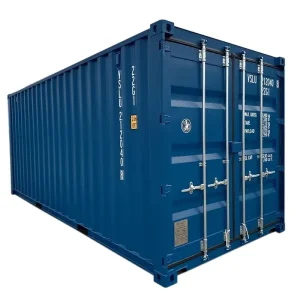
Priority Fleet Allocations
Featured Dry Cargo Solutions for Japanese Shipping Lanes
Standardized Corten-A dry units calibrated for direct integration into trans-Pacific routes and domestic port feeder logistics across Tokyo, Yokohama, and Osaka.
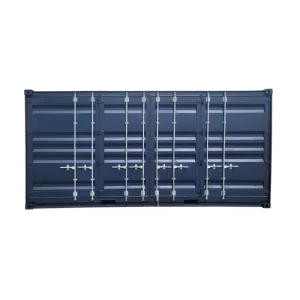
Customized 20ft Side Door Dry Cargo Container (Japan Domestic Hubs)
View Product Specifications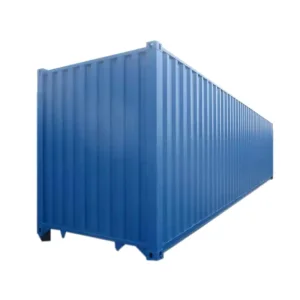
40ft High Cube Certified Dry Cargo Intermodal Container
View Product Specifications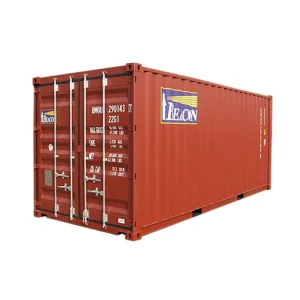
ODM 40ft High-Capacity ISO Dry Cargo Fleet Exporter
View Product Specifications
Industrial Landscape Analysis
Industrial Macro-Trends Shaping Dry Container Demand in Japan
Navigating Japan's stringent Ministry of Land, Infrastructure, Transport and Tourism (MLIT) protocols, domestic intermodal gauge restrictions, and post-seismic structural safety guidelines.
Japan's Port Congestion & Modal Shift
The Japanese domestic logistics sector is executing an aggressive "Modal Shift"—transitioning from long-distance highway trucking to coastal feeder ships and JR Freight (Japan Freight Railway Company) rail lines. This structural change demands ISO dry containers built to withstand rapid loading cycles, lateral g-force shifting, and multi-tier stacking at tight container terminals such as Tokyo Oi Terminal and Hanshin Port (Kobe/Osaka).
JIS Compliant Structural Integrity
While international dry containers primarily adhere to ISO 668 and ISO 1496-1, structural deployment in Japanese architectural, sub-station storage, and inland logistics hubs often overlaps with Article 38 of the Building Standards Act. We source JIS-equivalent Corten SPA-H structural steel panels, ensuring yields of 345 MPa and superior weld resilience for high seismic risk zones.
Maritime Salt Fog & Typhoon Defenses
Operating along the Sea of Japan and the Pacific rim exposes intermodal assets to severe saltwater aerosol corrosion and heavy seasonal typhoon rainfalls. Standard container coatings deteriorate rapidly under this regime. Our factory deploys high-zinc epoxy primers followed by heavy-build polyurethane topcoats with a minimum Dry Film Thickness (DFT) exceeding 120 microns.
1983
Manufacturing Lineage
30,480kg
Max Gross Rating
SPA-H
Anti-Corrosive Corten Alloy
100km
Tianjin Port Proximity
Technical Verification
Engineering Tolerances & Dimension Specifications
Precise mechanical verification aligned with Bureau Veritas (BV), ISO 1496-1, and CSC convention requirements for cross-border Japan maritime operations.
| Dimensional Metric | 20ft GP General Purpose | 40ft GP Standard Dry | 40ft HC High Cube | Compliance Reference |
|---|---|---|---|---|
| External Dimensions (L x W x H) | 6,058 x 2,438 x 2,591 mm | 12,192 x 2,438 x 2,591 mm | 12,192 x 2,438 x 2,896 mm | ISO 668:2020 Series 1 |
| Internal Dimensions (L x W x H) | 5,898 x 2,352 x 2,393 mm | 12,032 x 2,352 x 2,393 mm | 12,032 x 2,352 x 2,698 mm | Usable Clear Volume |
| Door Opening Clear (W x H) | 2,340 x 2,280 mm | 2,340 x 2,280 mm | 2,340 x 2,585 mm | Dual Gasket Lockrod System |
| Tare Weight (Standard Build) | 2,230 kg (±2%) | 3,700 kg (±2%) | 3,980 kg (±2%) | Precision Calibrated Scales |
| Max Gross Weight (Rating) | 30,480 kg | 30,480 kg | 32,500 kg (Heavy Duty Spec) | CSC International Testing |
| Flooring System | 28mm Hardwood Marine Plywood | 28mm Hardwood Marine Plywood | Bamboo Composite / Steel Plating | AQIS & Japan Plant Quarantine |
Procuring Dry Containers for Japanese Ports?
Get direct CIF quotes to Yokohama, Tokyo, Kobe, Nagoya, or Osaka with confirmed CSC certificates and production schedules.
Strategic Roadmap
Global Procurement Roadmap & Sustainable Manufacturing
Bridging high-volume Chinese manufacturing power with Japanese high-precision quality control and next-generation environmental standards.
VOC Emission & Waterborne Coatings
In accordance with both Chinese Environmental Protection laws and Japanese Green Logistics guidelines, our modern production line utilizes waterborne zinc-rich paints. This eliminates harmful volatile organic compounds (VOCs) during dry container production without compromising resistance to maritime humidity and salt crystallization.
Smart IoT Telematics Integration
For high-value precision electronics, machine tools, and automotive parts flowing into Japan, we provide pre-delivery factory embedding of autonomous IoT tracking sensors. These monitor interior humidity variations, sudden seismic-level impacts, door breach occurrences, and real-time geographic locations along Asian sea routes.
Localized Compliance & AQIS Flooring
Japan maintains strict bio-security border checks overseen by MAFF (Ministry of Agriculture, Forestry and Fisheries). All timber flooring utilized across our container units undergoes documented immersion preservation treatment and is certified under international phytosanitary protocols to prevent biological cross-contamination.
Comprehensive Lineup
Full Extended Equipment Range Supporting Japan Trade
From reefer machinery and liquid tank units to hazardous material cargo boxes and specialized offshore baskets, discover our factory direct equipment catalog.
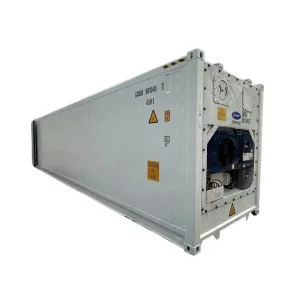
Carrier Transicold 40ft HC Refrigerated Cargo Container
View Product Specifications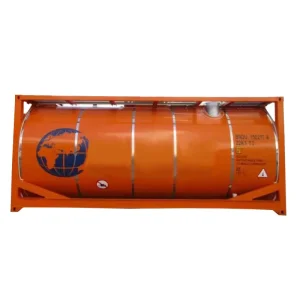
20 Foot ISO Liquid Tank Container (Water & Food Grade)
View Product Specifications
Solar Hybrid Refrigerated Container With Inverter Unit
View Product Specifications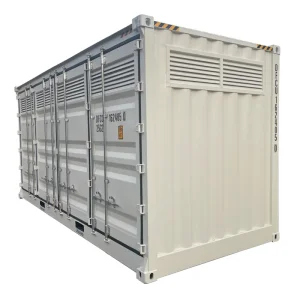
20ft HC Dangerous Goods Container (Side Vent System)
View Product Specifications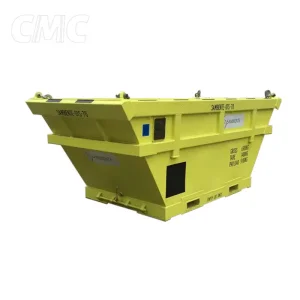
DNV 2.7-1 Certified Silt Basket Offshore Cargo Unit
View Product Specifications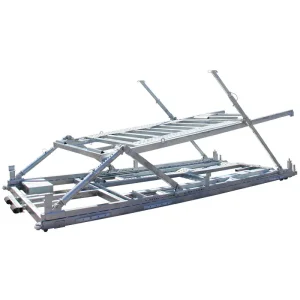
Automotive Vehicle Transport Loading Rack Systems
View Product Specifications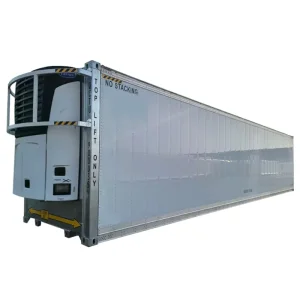
Carrier X4-7300 Refrigeration Integrated Equipment Unit
View Product Specifications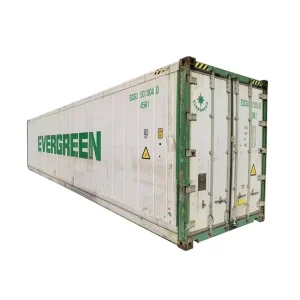
Certified Used 40ft High Cube Cold Chain Reefer
View Product Specifications
Technical Clarifications
Frequently Asked Technical & Procurement Questions
Direct answers addressing import protocols, structural testing criteria, customs clearance, and delivery timelines to Japan.
What specific certifications accompany dry containers delivered to Japanese ports?
Every dry container manufactured for deployment in Japan comes complete with an International Convention for Safe Containers (CSC) safety approval plate. The certification is validated by major classification societies including Bureau Veritas (BV), ABS, or ClassNK (Nippon Kaiji Kyokai). Units strictly conform to ISO 668, ISO 830, ISO 1161 (corner castings), and ISO 1496-1 specifications, ensuring instantaneous clearance across all Japanese marine container yards.
How does the shipping lead time work from your Tianjin and Suzhou manufacturing plants to Japan?
Our production facilities in Tianjin and Suzhou are strategically positioned roughly 100 km from primary deepwater maritime export hubs. Ocean transit duration from Tianjin Port or Shanghai Port to major Japanese gateway ports (Yokohama, Tokyo, Kobe, Osaka, Nagoya) typically requires only 3 to 6 sailing days. Standard batch orders can be manufactured, inspected, loaded, and delivered within 18 to 28 calendar days from approved drawings.
Can dry containers be customized to accommodate Japan Freight Railway (JR Freight) parameters?
Yes. Although international marine lines focus heavily on standard 20ft and 40ft footprints, Japanese domestic intermodal transport often depends on specialized 12ft or customized 20ft high-rigidity models adapted for JR Freight railcars. Our in-house engineering team provides OEM/ODM design alterations, adjusting corner casting spacing, internal lashing rings, and side-aperture doors to match Japanese domestic rolling stock and truck axle constraints.
What corrosion prevention treatments are implemented against extreme coastal environments?
To resist Japan's aggressive oceanic humidity, high precipitation, and winter road-salt atmospheres, all dry units are fabricated from anti-corrosive Corten SPA-H steel alloy. Surface steel is shot-blasted to Swedish standard SA 2.5 cleanliness, immediately followed by a multi-tier coating system: zinc-rich epoxy primer (30μm), epoxy intermediate barrier (40μm), and weather-durable polyurethane exterior finish (40-50μm), yielding a guaranteed resilient coating lifecycle.
Are one-way (SOC - Shipper Owned Container) delivery options available to Japan?
Yes, we routinely support procurement teams through Shipper Owned Container (SOC) arrangements. Instead of repositioning empty containers, we can coordinate with freight forwarders to load your outbound export cargo from China into the new containers, discharging the units directly at Japanese destination ports. This drastically minimizes overall transit expenditure, eliminating empty equipment positioning and container demurrage charges.
Initiate Your Japan Route Fleet Order
Direct factory quotations, certified production schedules, structural blueprints, and export documentation dispatched within 24 operational hours.