
Port of Barcelona Series
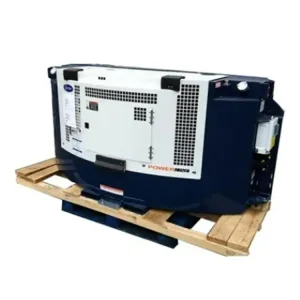
Direct supply of ISO-certified intermodal units, self-sustaining diesel generators, and heavy-duty refrigeration modules engineered for Port of Barcelona throughput.
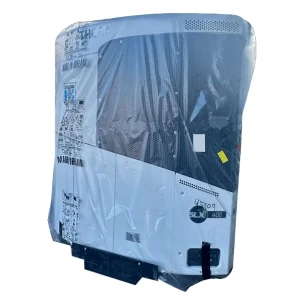
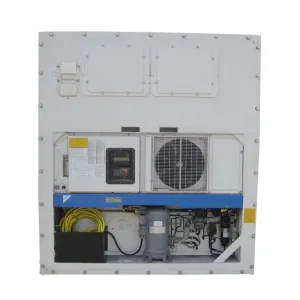
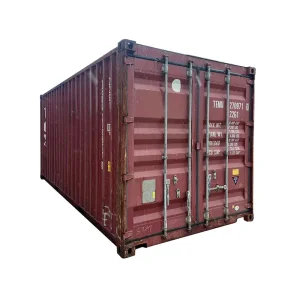
A rigorous evaluation of supply chain pressure points across the ZAL Port, the Mediterranean Rail Corridor, and Catalonia's high-value industrial clusters.
The metropolitan and industrial perimeter of Barcelona represents one of the Mediterranean basin's most critical multimodal freight gateways. Centered around the Port of Barcelona (Port de Barcelona) and bolstered by the extensive logistics infrastructure of the ZAL Port (Zona d'Activitats Logístiques), the region handles over 65 million tonnes of freight and millions of TEUs annually. Positioned at the vanguard of the European Union's Mediterranean Rail Corridor, Barcelona is not merely a regional transshipment terminal; it functions as an integrated continental gateway bridging North Africa, Southern France, Northern Italy, and the Latin American-Iberian trade routes.
Catalonia's economic backbone is uniquely diversified. Advanced industrial activities in the Baix Llobregat and Vallès Occidental belts demand specialized logistical equipment that deviates sharply from commoditized shipping containers. Regional pharmaceutical clusters—hosting global leaders such as Grifols, Almirall, and Esteve—require tightly regulated active cold-chain containers maintaining strict temperature control between -20°C and -70°C, fully compliant with Good Distribution Practice (GDP) protocols. Simultaneously, the Catalan meat and agricultural sector (notably pork processing in Osona and premium wine and cava production in Penedès) relies on high-cube reefer containers equipped with controlled atmospheres (CA) to reach Asian and North American markets without cellular damage.
Strict GDP-compliant temperature stabilization modules engineered for blood plasma, sterile injectables, and biotherapeutic exports originating in Sant Cugat and Mollet del Vallès.
Precision reefer engineering designed for Catalonia's agricultural trade, preventing oxidation in Penedès wines and preserving cellular moisture in fresh pork cuts dispatched through the Port.
Heavy-duty open-top and reinforced platform containers servicing automotive supply chains in Martorell, supporting oversized pressing dies and battery powertrains.
Decarbonization, structural resilience, and digital traceability are redefining modern container fleet specifications worldwide.
The global shipping container market has entered a structural transformation phase. Geopolitical re-routings—most visibly around the Cape of Good Hope avoiding Suez tensions—have lengthened sea voyages by 10 to 14 days. For intermodal equipment, extended maritime exposure accelerates corrosive degradation from marine atmospheric chlorides and places unprecedented demands on refrigerated compressor endurance. Fleet operators can no longer settle for lower-tier standard Corten grades or outdated mechanical cooling hardware.
Concurrently, the European Union's Fit for 55 legislation and the revision of the EU F-gas Regulation (EU 2024/573) are forcing shipping lines, port concessionaires, and chemical plant operators across the Mediterranean to systematically phase out high-GWP refrigerants (such as R-404A). Global procurement directors now mandate thermal equipment engineered around R-452A, R-513A, or natural carbon dioxide (CO2, R-744) refrigerants, demanding advanced dual-inverter hermetic scroll compressors that slash energy consumption by up to 35% compared to legacy architectures.
Deep-tier metallurgical clusters, automated robotics, and third-party BV/DNV certification pipelines that underpin our competitive edge.
Operating out of Tianjin and Suzhou—within 100 kilometers of the world's most capable container berths—our production facilities capitalize on the world's most concentrated industrial supply chains. Direct backward integration with premier metallurgical mills delivers certified SPA-H atmospheric corrosion-resistant Corten steel with trace copper, chromium, and nickel alloys, ensuring extraordinary yield strengths exceeding 345 MPa.
By consolidating plate rolling, automated laser cutting, continuous robotic arc welding, and specialized polyurethane foam injection within single automated production halls, we compress standard OEM/ODM production cycles from months to under 25 business days. This structural efficiency translates directly into capital savings and delivery predictability for European fleet buyers.
Every single container undergoes rigorous validation routines before leaving the yard:
Verified physical and thermal parameters compliant with Bureau Veritas (BV), ISO, CSC, and DNV maritime classifications.
| Equipment Classification | External Dimensions (L×W×H) | Internal Dimensions (L×W×H) | Payload / Tare Weight | Thermal / Mechanical Range | Primary Industrial Use in Barcelona |
|---|---|---|---|---|---|
| 20ft Dry Cargo ISO (20GP) | 6,058 × 2,438 × 2,591 mm | 5,898 × 2,352 × 2,393 mm | 28,230 kg / 2,250 kg | -40°C to +80°C Ambient | Machinery components, ceramics, tile transshipment, chemicals |
| 40ft High Cube Dry (40HC) | 12,192 × 2,438 × 2,896 mm | 12,032 × 2,352 × 2,698 mm | 28,680 kg / 3,800 kg | High volume intermodal | Automotive sub-assemblies, retail consumer goods, textiles |
| 40ft High Cube Reefer (40RH) | 12,192 × 2,438 × 2,896 mm | 11,584 × 2,294 × 2,557 mm | 29,480 kg / 4,520 kg | -35.0°C to +30.0°C | Catalan meat (pork/beef) exports, bio-pharma, Penedès wines |
| 10ft Offshore Tank / Dry (DNV) | 2,991 × 2,438 × 2,591 mm | Customized or Pressure Vessel | 9,850 kg / 1,950 kg | DNV 2.7-1 / EN 12079 | Offshore platform logistics, Port Vell bunkering, marine fuels |
| Reefer Clip-on / Under-mount Genset | Compact Chassis Mount | Direct Engine Integration | Tier 4 / Stage V Compliant | 15 kW – 25 kW Output | Long-haul rail & road transport via the Mediterranean Corridor |
How forward-looking European procurement teams balance capital expenditure against long-term maintenance, energy consumption, and regulatory compliance.
For supply chain directors operating out of Catalonia and across the European Union, container acquisition decisions can no longer be evaluated on upfront purchase price alone. A comprehensive Total Cost of Ownership (TCO) methodology evaluates five core vectors over a 15-to-20 year asset lifespan:
1. Corrosion Resistance & Coating Lifespan: Marine environments along the Mediterranean coast feature accelerated salinity, humidity, and thermal cycling. Sub-standard paints fail within 36 months, requiring expensive sandblasting and re-coating. Our factory protocol utilizes automated shot-blasting to Swedish Standard Sa 2.5, followed immediately by a three-coat paint system (zinc-rich primer, epoxy intermediate, and chlorinated rubber or polyurethane topcoat) totaling a minimum dry film thickness (DFT) of 120 microns on exterior surfaces.
2. Thermal Insulation Integrity: In reefer containers, degradation of polyurethane (PU) foam blowing agents leads to thermal bridging, increasing compressor run-times and electrical draw during cross-border transit. Utilizing high-density, cyclopentane-blown PU insulation (nominal density 42 kg/m³), our units maintain thermal transmission values (< 0.38 W/m²K) over decades of continuous operation.
3. Intermodal Regulatory Certifications: Equipment delivered to Barcelona must be immediately commissionable without customs or safety administrative bottlenecks. We supply all units with unified CSC (International Convention for Safe Containers) safety approval plates, TIR customs seals, UIC (International Union of Railways) markings, and third-party type certificates issued by Bureau Veritas or DNV.
Our engineering team in Tianjin reviews your payload requirements, temperature profiles, and structural specifications within 24 hours.
In-depth responses to critical questions posed by European freight forwarders, depot operators, and project procurement managers.
Explore our full spectrum of offshore tank units, high-cube reefers, modular expandable housing, and heavy-duty dry cargo shipping containers tailored for European buyers.
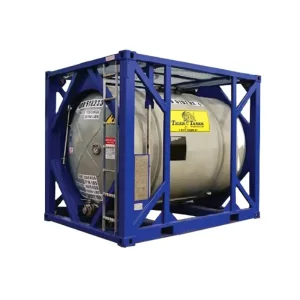
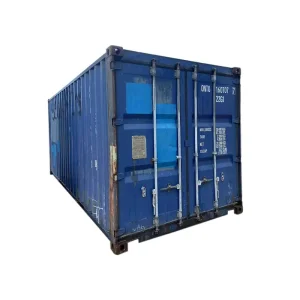
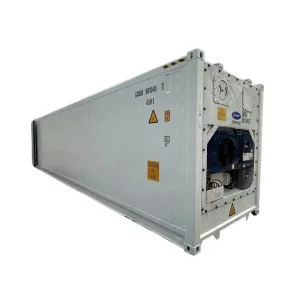
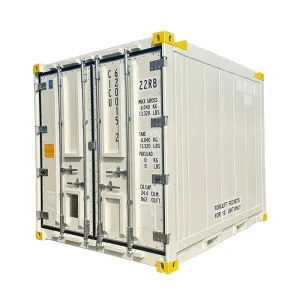
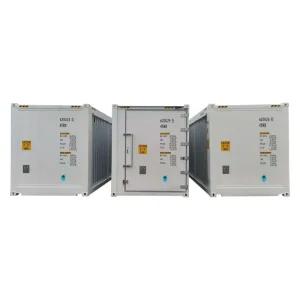
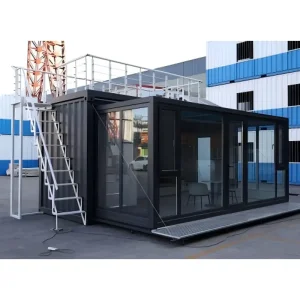
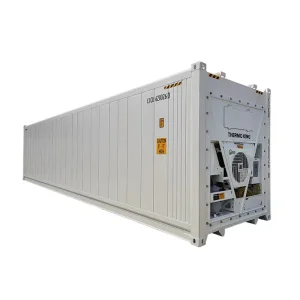
Whether configuring a customized batch of 40ft High Cube reefers for the Catalan agro-export corridor or deploying rugged DNV 2.7-1 tanks for Port of Barcelona offshore engineering, our technical export team ensures zero design ambiguity, rapid automated fabrication, and complete BV-certified export compliance.