
Engineered Intermodal Modules & Precision Logistics Units
Standardized cargo units ready for fast re-deployment across Tokyo Bay terminals (Oi, Shinagawa, Aomi) and Kanto regional distribution corridors.
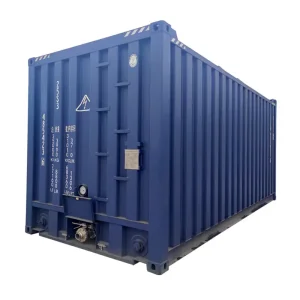
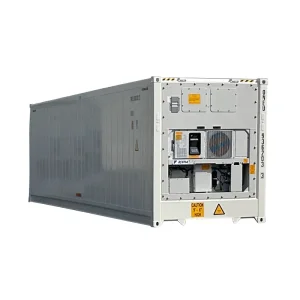
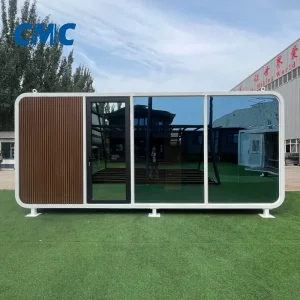
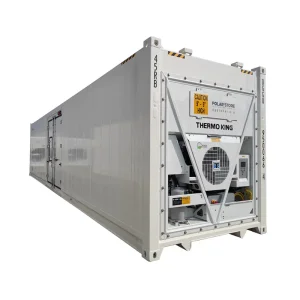
The Tokyo Industrial & Harbor Ecosystem: High-Density Container Utilization
Navigating spatial scarcity, stringent seismic codes, and automated intermodal throughput demands across the Keihin Industrial Zone and Port of Tokyo maritime districts.
Port of Tokyo Terminal Dynamics
The Port of Tokyo, handling upwards of 4.5 million TEUs annually across high-density facilities such as Oi and Aomi container terminals, faces constant yard constraints. Used ISO standard containers play an essential balancing role, functioning not only as seaworthy transshipment assets for secondary trade lanes across Southeast Asia, but as flexible buffer storage on reclaimed harbor land.
- Immediate deployment for empty-return buffer yards
- Custom CSC recertification for maritime re-routing
- Seaworthy Grade-A Corten steel resists marine salt-spray
JIS A 6532 & Building Standards Act
Unlike simple modular temporary units, converted containers utilized within Tokyo's 23 wards must rigorously comply with the Japanese Building Standards Act (Kenchiku Kijun-hō). We collaborate closely with Japanese licensed first-class architects (Ichikyu Kenchikushi) to supply structurally verified containers capable of meeting stringent seismic zone 1 requirements.
- Corten-A structural integrity certification
- Reinforced corner castings compliant with JIS specifications
- Pre-engineered foundation tie-down schematics
Keihin Zone Cold-Chain & Data Hubs
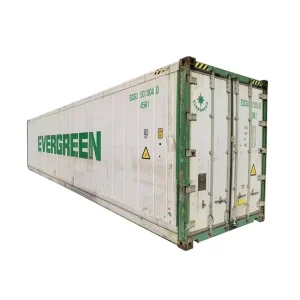
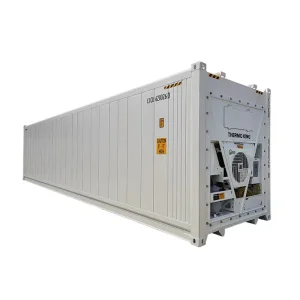
The arterial logistics network connecting Tokyo, Kawasaki, and Yokohama demands decentralized sub-zero hubs. Used high-cube reefer containers retrofitted with low-GWP refrigerants provide temperature stability (-30°C to +30°C) for Tokyo's central wholesale seafood markets, biomedical corridors, and modular battery energy storage systems (BESS).
- Food-grade stainless steel interior (304 grade)
- Compatibility with Daikin and Carrier integrated units
- Energy-optimized polyurethane foam insulation core
China Factory 4.0: Scalable Engineering & Strategic Proximity to Tokyo
Operating direct manufacturing hubs in Tianjin and Suzhou, situated within 100 kilometers of international seaports, ensuring rapid transit times directly to Tokyo Bay.
Automated Refurbishment & Robotic QC Systems
Every used container destined for the Tokyo market undergoes an automated 32-point inspection matrix. From robotic shot-blasting (Sa 2.5 standard) removing oxidation to zinc-rich epoxy multi-coat resurfacing, structural longevity is restored to exceed 12-15 years of continuous commercial service.
- High-precision laser flatness inspection for floor cross-members
- Automated ultrasonic wall-thickness measurement (Corten-B/Corten-A)
- Hydrostatic and air-tightness pressure decay testing
High-Frequency Shipping Corridor: Tianjin/Shanghai to Tokyo
Supply chain resilience requires predictable maritime scheduling. Leveraging dedicated feeder lines and direct liner services connecting North China directly to the Port of Tokyo, transit times are constrained within 3 to 5 business days, dramatically lowering inventory holding costs for Tokyo enterprises.
- Direct Bill of Lading (B/L) to Tokyo Port terminal gates
- Customs pre-clearance documentation (NACS integration-ready)
- Flexible One-Way (SOC) lease solutions for minimal repositioning fees
Engineering Verification: Used vs. Factory Refurbished vs. New Spec
Detailed structural, metallurgical, and certification parameters designed for corporate asset managers and EPC contractors serving Greater Tokyo.
| Evaluation Parameter | Standard Used (Cargo Worthy - CW) | CIMIC Factory Refurbished Grade A | New ISO Build / High Cube |
|---|---|---|---|
| Steel Grade | Weather-resistant SPA-H / Corten-A | Resurfaced Corten-A + Zinc Primer | High-Tensile SPA-H / Corten Steel |
| Flooring Substrate | 28mm Marine-Grade Hardwood Plywood | Refurbished / Sealed Polyurethane Coat | 28mm Bamboo or Apitong Composite |
| Wind & Water Tight (WWT) | Verified via Dark-Room Light Test | 100% Pressure-Sealed & Gasket Replaced | Hermetically Factory Tested |
| CSC Safety Approval Plate | Active Valid Survey (12-24 Months) | Recertified by BV / ClassNK Surveyor | Brand New 5-Year Valid CSC Plate |
| Typical Tokyo Applications | Jobsite Buffer Storage, Low-cost Freight | Urban Micro-Warehousing, Architectural | High-Density Modular Housing, Cold-Chain |
Global Procurement Workflow for Tokyo Enterprise Buyers
A clear, risk-mitigated procurement pipeline ensuring transparent inspection, seamless customs handoff, and frictionless domestic delivery across Japan.
Phase 1: Precision Spec Audit
Initial technical consultation assessing project-specific requirements: dynamic load distribution, tare-to-payload ratios, door configurations, and seismic anchoring prerequisites for Tokyo deployment.
Phase 2: Live Video & NDT QC
Each selected unit undergoes High-Definition optical recording, non-destructive testing (NDT), and dimensional verification reports forwarded directly to your project managers prior to depot release.
Phase 3: Tokyo Bay Stevedoring
Coordination of ocean freight through direct container line sailings into Port of Tokyo. Support for devanning, customs declaration, and delivery chassis operations directly to your final Japanese jobsite.
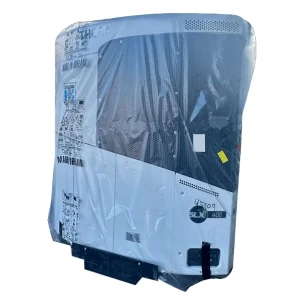
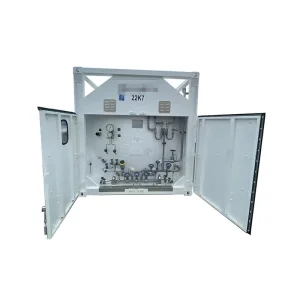
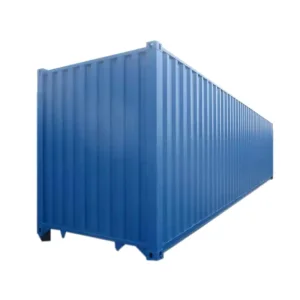
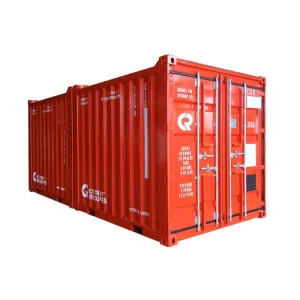
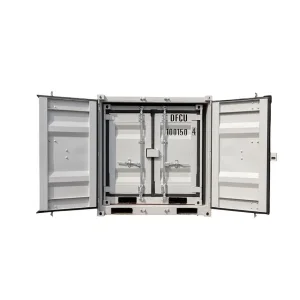
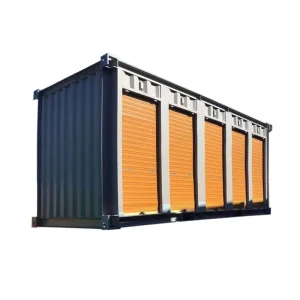
Comprehensive Used, Specialized & High-Cube Container Solutions
Full-line structural catalog engineered to service Tokyo marine freight, modular urban architecture, offshore operations, and cryogenic gas transport.
Technology Roadmap & Circular Economy: Tokyo 2025-2030
Transitioning secondary intermodal assets into sustainable urban infrastructure, low-emission cold-chain networks, and intelligent IoT asset tracking.
Embodied Carbon Reduction
By extending the operational lifecycle of used ISO containers through high-standard structural refurbishment, Tokyo industrial developers save approximately 3.2 metric tons of CO2 emissions per 40ft HC unit compared to casting new structural steel, contributing directly to Tokyo Metropolitan Government's "Zero Emission Tokyo Strategy".
Integrated IoT & Telematics
Modern refurbished units serving Tokyo's critical cold storage and high-value cargo transport can be integrated with dual-network (Satellite/4G LTE) telematic sensors, providing real-time data on internal temperature, humidity levels, geofencing, and structural shock impacts across the Tokyo-Nagoya-Osaka corridor.
Disaster Preparedness Modules
Tokyo's municipal emergency frameworks frequently demand rapidly deployable disaster relief stockrooms. We provide retrofitted insulated containers equipped with plug-and-play solar microgrid connections, hydraulic leveling jacks, and internal divider walls designed to withstand emergency situations.
Frequently Asked Questions for Sourcing Containers Serving Tokyo
Everything you need to know about structural grading, customs documentation, maritime delivery to Tokyo Bay, and structural conversions.
How do you ensure used containers meet Japanese safety and import standards for Tokyo delivery?
What is the typical shipping lead time from your factory to Tokyo Port?
Can containers be modified to comply with the Japanese Building Standards Act (Kenchiku Kijun-hō)?
What is the difference between "Cargo Worthy" (CW) and "As-Is" condition used containers?
Do you offer customized cold-storage containers with Japanese brand cooling units (e.g., Daikin)?
Request Immediate Factory Pricing & Specification Sheets
Connect with our senior logistics engineers today. Receive comprehensive technical drawings, inventory condition photos, and landed freight estimates direct to Tokyo Port within 24 hours.
Send Inquiry Now