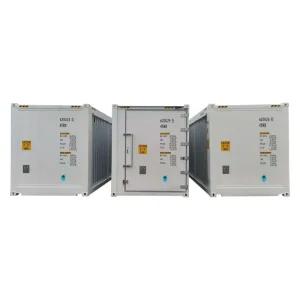
Featured Refrigerated & Industrial Logistics Units
Precision-engineered intermodal containers, ultra-low blast reefers, and specialized atmospheric control hardware manufactured under ISO and international marine classification societies.
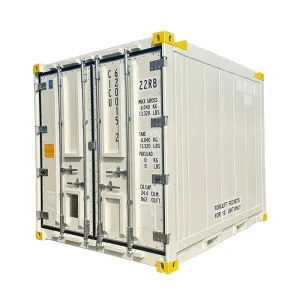
High-Quality New 10ft Certified Thermo King Freezer Container Exporter, Manufacturers
View Specifications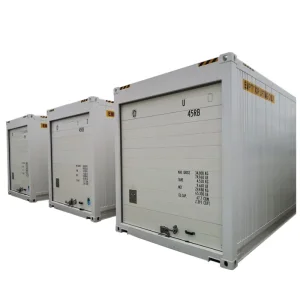
China 40ft High-Cube Roll Up Reefer Container Customized Shipping Containers Factory, Manufacturers
View Specifications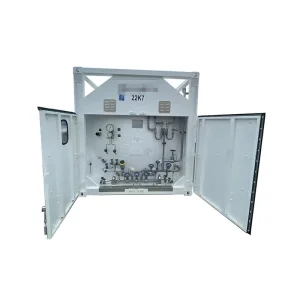
Famous T75 20ft Cryogenic Liquid Tank Container Products, Exporters
View Specifications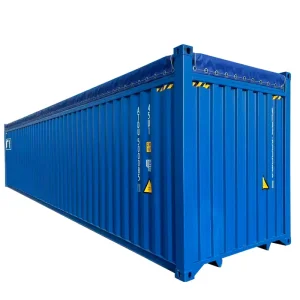
Buy 40ft High-Cube New Soft Open Top Shipping Container with Tarpaulin Cover Manufacturer, Product
View Specifications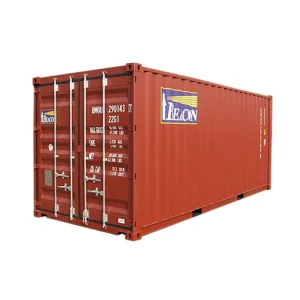
ODM 40ft New Certified Dry Shipping Container Pricelist, Exporters
View Specifications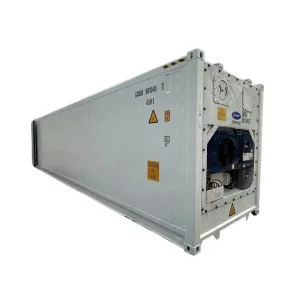
Buy Ninety Percent New Used 40ft HC Carrier Refrigerated Container Product, Quotes
View Specifications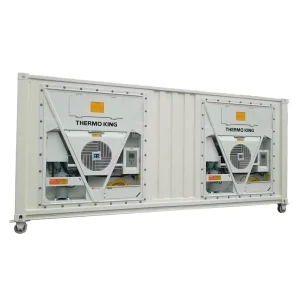
High-Quality The new blast reefer containers are certified by classification societies Manufacturers, Factories
View Specifications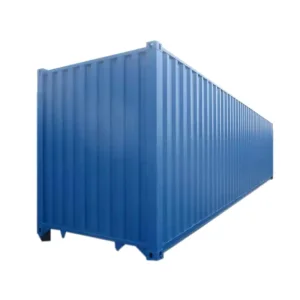
China 40ft High Cube Certified Dry Cargo Shipping Container contaoner Factory, Product
View SpecificationsState of Global Industrial Refrigeration & Decentralized Freezing
Modern food supply chains, pelagic fisheries, and biopharmaceutical corridors are abandoning massive, fixed cold storage warehouses in favor of nimble, decentralized, and modular containerized flash-freezing infrastructures.
Thermodynamic Latent Heat Extraction
Standard refrigerated intermodal reefers maintain temperature stability (typically -20°C to -25°C), but lack the thermodynamic horsepower to traverse the critical moisture crystallization zone (-1°C to -5°C) rapidly. Containerized blast freezers provide massive convective airflow (over 10,000 m³/h static pressure) and sub-zero pulldown reaching core flesh temperatures of -40°C to -60°C within 4 to 8 hours, completely inhibiting cellular wall rupture and enzymatic autolysis.
Harbor & Farm-Gate Decentralization
The traditional post-harvest paradigm involves hauling unrefrigerated or ice-slurry cargo dozens of miles to central cold facilities, resulting in up to 18% moisture loss, biochemical drip degradation, and massive fuel burn. Industrial buyers deploy containerized blast units directly at agricultural collection nodes, landing docks, and slaughter platforms, locking in nutritional integrity and commercial weight yield at source.
Maritime Class & Structural Resiliency
Engineered within ISO 1496-2 and CSC safety guidelines, modern blast containers are constructed using high-yield Corten steel outer skeletons, seamless robotic seam-welding, and interior marine-grade austenitic 304/316L stainless steel linings. This architecture withstands tortuous ocean transit vibrations, dynamic sea-swell stresses, and harsh saline vapor conditions without micro-fissuring of the insulation envelopes.
Thermodynamic Architecture: Blast Reefer vs. Standard Cold Storage
Understanding the mechanical delta between holding refrigerators and rapid blast freezers is fundamental for cold-chain procurement directors, project managers, and logistics fleet operators.
| Performance / Engineering Metric | Containerized Blast Freezer (Industrial Grade) | Standard Intermodal Reefer (40ft High-Cube) | Permanent Stationary Cold Storage |
|---|---|---|---|
| Operating Pulldown Range | -35°C to -65°C Continuous | -25°C to +25°C Holding | -18°C to -28°C Warehouse Buffer |
| Refrigeration Capacity | 35 kW to 75 kW @ -40°C Evaporation | 9 kW to 14 kW @ -20°C | Variable Central Racks (Stationary) |
| Compressor Technology | Dual-Stage Semi-Hermetic Screw / Inverter Scroll | Single-Stage Reciprocating / Scroll | Multi-Compressor Ammonia/CO2 Rack |
| Air Velocity & Circulation | Heavy-Duty High-Static Fans (3.5 - 6.0 m/s over product) | Low-Velocity Buffer Air (1.0 - 1.5 m/s) | Ceiling Evaporators (Ambient Draft) |
| Defrosting Mechanism | Reverse-Cycle Hot Gas + Heated Drain Pans | Electric Resistance Coil Elements | Hot Gas or Water Wash |
| Thermal Core Pull-Down Speed | < 4–8 Hours (Zone of Max Crystallization) | Not Designed for Freezing (> 36 Hours) | 12–24 Hours (Batch dependent) |
| Mobility & Site Readiness | 100% Intermodal (ISO Twistlock, Plug & Freeze) | Fully Intermodal | Zero Mobility (Immovable Real Estate) |
| Regulatory Standards | BV, DNV-GL, ISO 1496-2, CSC, ATP Class FRC | ISO, CSC, TIR, ATP | Local Civil Building Codes & EPA / OSHA |
Cyclopentane PUR Foam
High-pressure injected polyurethane core insulation (density ≥ 45 kg/m³) with high-grade cyclopentane blowing agent ensures lambda thermal conductivity λ ≤ 0.020 W/(m·K), mitigating thermal bridging under extreme ambient solar heat up to +55°C.
Airflow Plenum Aerodynamics
Equipped with extruded aluminum heavy-load T-flooring or ducted false floors delivering uniform air velocity across stainless trollies, ensuring horizontal and vertical thermal equilibrium with no localized heat pockets.
Advanced Eco-Refrigerants
Factory configured for ultra-low GWP refrigerants including R452A, R448A, R449A, and cryogenic natural subcritical CO2 (R744) cascade systems conforming to EU F-Gas Regulations and US EPA SNAP requirements.
Dual Compressors Redundancy
Critical cold chains feature dual independent refrigeration circuits. Should one compressor trip, the second unit maintains safe preservation parameters, eliminating catastrophic multimillion-dollar product batch losses.
Mission-Critical Commercial Applications Worldwide
How major international enterprises deploy containerized blast systems across high-value primary production and precision logistical operations.
Deep-Sea Pelagic Fishing & Tuna Processing
Sashimi-grade tuna, pelagic salmon, and crustacean harvest require instant core solidification to prevent histamine generation and maintain deep muscular pigmentation. DNV-certified blast containers installed on factory vessels and coastal quays achieve -60°C flash freezing within minutes of landing, commanding top market prices at Tokyo and European fish auctions.
Industrial Livestock & Abattoir Processing
Poultry processing lines and bovine abattoirs experience seasonal surge periods. Containerized blast units act as modular batch blast freezers, accepting stainless pallet racks directly from evisceration and portioning lines. Core muscle temperatures drop below -18°C in strict compliance with USDA-FSIS and European Food Safety Authority (EFSA) microbial thresholds.
Biologics, Blood Plasma & Cryo-Pharma
Enzymatic compounds, cell cultures, pharmaceutical viral vectors, and blood plasma fractionation mandate ultra-precise pulldown rates without temperature ramping fluctuations. Equipped with calibrated multi-sensor RTD arrays, PLC automation, and continuous 21 CFR Part 11 compliant digital data loggers, our blast freezers ensure fail-safe pharmaceutical integrity.
Peak Sub-Zero Pulldown Capability
High-Density Injected Cyclopentane PUR
Forced Evaporator Static Airflow
CSC / BV / ISO Compliance Verification
The 2025–2030 Evolution in Cryogenic Engineering
Strategic investments in inverter modulation, IoT satellite telemetry, and solar-diesel microgrid synergy are shaping the future of autonomous containerized thermal processing.
1. Smart Telematics & AI Defrost Cycles
Traditional blast freezers defrost on static timers, wasting kilowatt hours and heating the chamber unnecessarily. Next-generation architectures integrate AI-driven thermal imaging and differential pressure sensors across the evaporator coil to trigger demand-based reverse gas defrosting only when actual frost bridging occurs, reducing system power draw by up to 28%.
2. Hybrid Microgrid & Genset Interoperability
Off-grid agricultural operations require extreme electrical resilience. Modern containerized blast systems are engineered with soft-start variable frequency drive (VFD) compressors that limit inrush current spikes to less than 1.2× normal operating amperage. This enables clean coupling with localized solar PV arrays, battery storage banks, and heavy-duty containerized diesel gensets.
3. Low-GWP Natural Refrigerant Integration
With global crackdowns on fluorinated high-GWP refrigerants under the Kigali Amendment, factory design roadmaps have shifted toward CO2 (R744) subcritical systems and transcritical booster circuits. These provide superior volumetric cooling capacity in ultra-low regimes while ensuring operational compliance across North America, Australasia, and the European Union for decades to come.
Containerized Blast Freezers FAQ: Technical & Commercial
Direct engineering clarifications addressing power consumption, payload ergonomics, structural classification, and international shipping protocols.
What is the typical electrical requirement to operate a 40ft industrial blast freezer?
Industrial containerized blast freezers typically require a 380V–460V 3-phase, 50Hz/60Hz electrical supply. Depending on the refrigeration machinery configuration (single screw, dual reciprocating, or semi-hermetic cascade), running electrical load ranges between 35 kW and 65 kW, with a dedicated 100A to 125A breaker recommended to accommodate system pulldown cycles.
Can a standard 40ft reefer container be converted into an authentic blast freezer?
No. Standard reefers are strictly designed for maintenance of pre-frozen cargo (9 kW to 14 kW cooling capacity with low static fan pressure). Attempting to blast-freeze fresh room-temperature produce inside a standard reefer will lead to compressor burnout, prolonged ice-crystal formation, cellular rupture, and dangerous moisture buildup that suffocates the evaporator coil.
What is the batch freezing capacity per loading cycle?
In a standard 40ft High-Cube containerized blast freezer, payload capacity typically ranges between 5,000 kg and 12,000 kg per batch, depending on initial core temperature, product moisture content, packaging geometry, and rack spacing. Freezing cycles commonly achieve core solidification (-18°C) within 4 to 8 hours.
What international maritime certifications are issued prior to export?
Our container units undergo full structural and safety qualification verified by third-party classification societies including Bureau Veritas (BV), DNV-GL, and ABS. Units ship with a valid CSC (Convention for Safe Containers) safety plate, ISO 1496-2 refrigeration compliance certificate, and TIR / ATP sanitary certifications for global intermodal transport.
How does the internal airflow management prevent dead air zones?
Our chambers utilize false ceilings, high-velocity backward-curved centrifugal fans, and heavy-duty extruded aluminum T-profile flooring (or ducted false decking). This forces high-pressure refrigerated air horizontally and vertically through trollies, ensuring 100% of the cold stream penetrates product pallets rather than bypassing around the container envelope perimeter.
What custom interior configurations can be requested from the factory?
Clients can specify roller-conveyor tracks, overhead meat-hanging rails with stainless gambrels, side access personnel escape doors with internal emergency releases, explosion-proof interior lighting, strip curtain barriers, multi-point RTD core probe systems, and dual redundant independent refrigeration machines.
Specialized Modular Logistics & Transport Hardware
High-performance intermodal equipment, offshore operational baskets, double-door dry cargo containers, and modular refrigeration machinery ready for direct global dispatch.
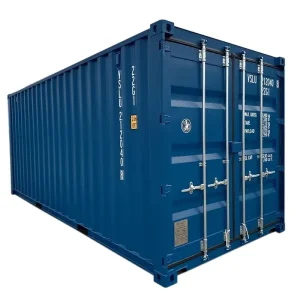
Buy New 20ft Double Door Dry Cargo Shipping Container Products, Manufacturers
View Specifications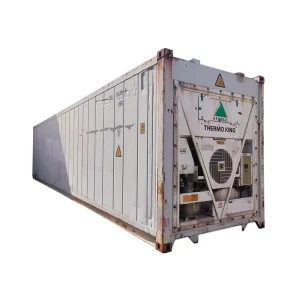
ODM New 40ft Refrigerated Freezer Container for Sale Factory, Exporter
View Specifications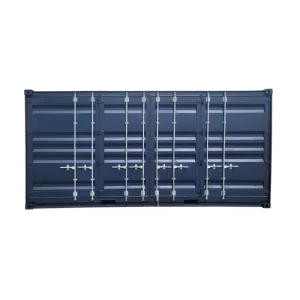
High-Quality New 20ft Customized Side Door Dry Cargo Shipping Container Factory, Product
View Specifications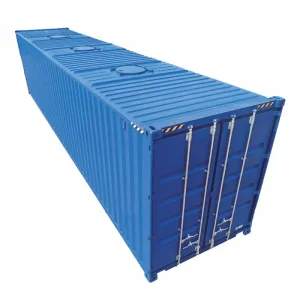
Buy 20 Feet Shipping Bulk Container Manufacturer, Exporters
View Specifications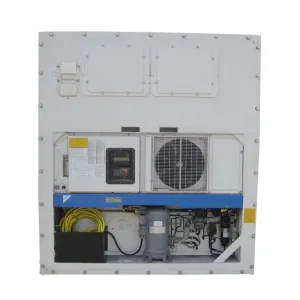
Buy Refrigeration Equipment /Cooling Unit For Refrigerated Containers Products, Exporters
View Specifications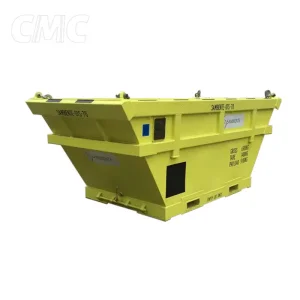
Famous DNV Certification Silt Basket Container Used in Offshore Operations Factories, Exporters
View Specifications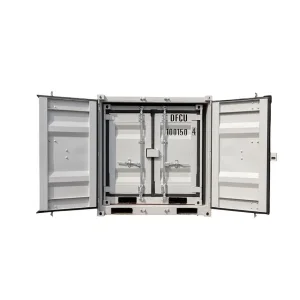
High-Quality Durable Cargo Shipping Container 4Ft/5Ft/6Ft/7Ft/8Ft/9Ft/10Ft/11Ft/12Ft Mini Storage Container Nested Shipping Container Manufacturers, Factories
View Specifications