
📦 Engineered Opening & Specialized Logistics Containers
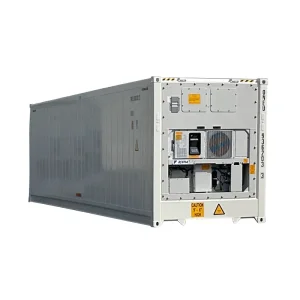
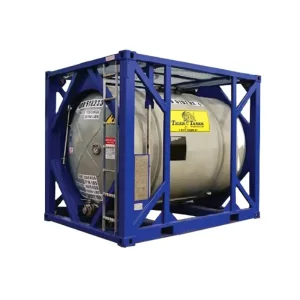
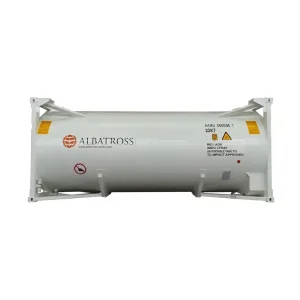
Explore high-cube refrigerated units, ISO offshore gas tanks, and side-access hardware manufactured under strict BV, ISO, and DNV certifications.


📊 The Industrial Landscape of Opening & Specialty Containers
Understanding technical shifts, intermodal velocity, and the strategic pivot toward opening-wall cargo architecture across modern supply networks.
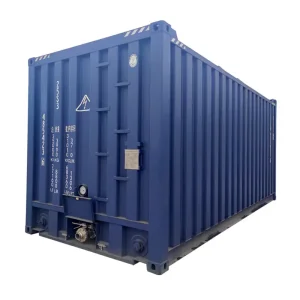
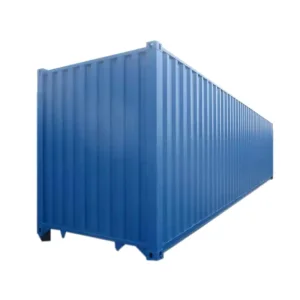
In modern intermodal freight logistics, standardized rear-loading shipping units frequently present severe operational bottlenecks when handling oversized, non-palletized, long-span, or rapid-deployment cargo. The industrial demand for opening containers—incorporating full side-opening bi-fold doors, open-top mechanisms with removable tarpaulins or hard tops, end-to-end roll-up shutters, and double-ended access configurations—has surged globally. Originally viewed as niche units, opening containers have emerged as pivotal assets across heavy equipment manufacturing, offshore oil and gas drilling, temperature-controlled cold chain logistics, and modular industrial installations.
International logistics networks face stringent demands to compress dwell times and maximize turnaround efficiency. Traditional ISO dry vans require cargo to be loaded sequentially from the rear door forward, exposing ground operations to high labor consumption and heightened risk of structural collision damage during forklift maneuvers. In contrast, opening containers provide unobstructed 180-degree or 270-degree lateral access, allowing overhead crane hoists and heavy-duty forklifts to load 12-meter structural steel girders, industrial wind turbine assemblies, and large agricultural machinery in minutes rather than hours.
⚒ Chinese Factory Efficiency & Structural Engineering Integrity
Why tier-one Chinese container exporters deliver superior structural yield strength, cost rationalization, and precision delivery pipelines.
Corten-A Metallurgical Superiority
Modern container fabrication relies exclusively on high-grade SPA-H atmospheric corrosion-resistant Corten steel. Chinese foundries provide seamless raw-material continuity, ensuring side-door header beams and bottom perimeter extrusions resist marine salt mist, extreme thermal expansion, and mechanical torsion during heavy transoceanic transit.
Integrated Industrial Ecosystems
With dual production footprints in Tianjin and Suzhou, our manufacturing hubs are situated approximately 100 kilometers from world-class maritime ports. This geographic proximity mitigates expensive inland drayage, guarantees guaranteed container berth allocations, and accelerates container delivery schedules for international EPC projects and ocean carriers.
Rigorous Automated Welding & NDT
Side-opening configurations inherently demand higher localized load-bearing tolerances. Robotic submerged arc welding, finite element structural stress simulations, and ultrasonic non-destructive testing (NDT) are utilized on all critical load interfaces to eliminate frame deflection under extreme payload conditions.
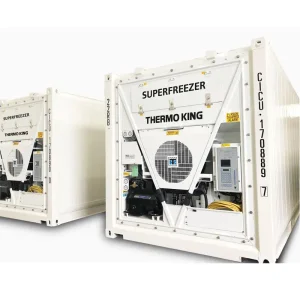
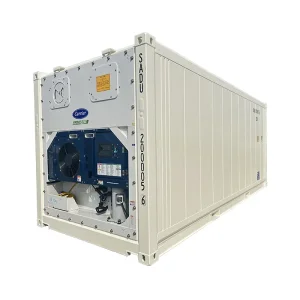
Chinese container manufacturers command over 90% of global container production capability, driven by complete supply-chain integration spanning specialized cold-rolled steel profiling, advanced multi-stage automated shot-blasting, and robotic eco-friendly waterborne zinc-rich primer coating lines. When international engineering procurement managers source opening containers directly from certified Chinese exporters, they eliminate intermediaries, secure factory-gate pricing matrices, and gain precise control over custom structural profiles and refrigeration unit brands (including Carrier, Thermo King, and Daikin).
🏘 Specialized Global Application Scenarios
From harsh offshore platforms to high-tech mobile data centers, discover how opening containers unlock operational versatility.
Heavy Industrial Machinery & EPC Cargo
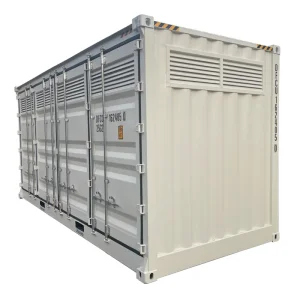
Standard ISO shipping containers restrict the entry of heavy excavators, tracked chassis, and long-shaft pump machinery. Full side-opening containers (open-sided 20ft and 40ft units) allow continuous side access, expediting loading without requiring expensive breakbulk cargo charters on ocean vessels.
Offshore Drilling & DNV Platform Supply
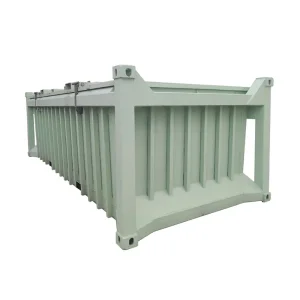
Operating in harsh marine environments like the North Sea and Gulf of Guinea requires containers built to DNV 2.7-1 / EN 12079 standards. Certified offshore units, including half-height ore bins and offshore liquid tank containers, endure dynamic multi-point crane lifting in severe sea conditions.
Cold Chain Fast-Turnaround Distribution
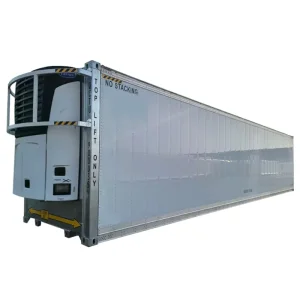
Equipped with Thermo King, Daikin, or Carrier refrigeration machinery, side-opening reefer containers facilitate multi-temperature cross-docking. Logistics operators can unload specific pallets directly from side doors without breaking the thermal integrity of adjacent frozen cargo lots.
Mobile Energy Storage (BESS) & Enclosures
The global green energy transition relies heavily on side-open and customized modular containers to house high-density lithium-ion battery storage systems (BESS), solar inverter stations, and mobile diesel power units requiring immediate technician access and ventilation openings.
🚀 Future Technological Trends in Container Engineering
Examining IoT telematics, low-carbon steel formulations, and smart modularity reshaping the intermodal container sector through 2030.
Integrated IoT Fleet Telematics
Next-generation opening containers are increasingly specified with factory-installed digital monitoring systems. Integrated sensor nodes verify perimeter door seal compression, log door opening timestamps, track satellite GPS geolocation, and transmit interior ambient humidity and temperature in real time.
Green Hydrogen & Solar-Assisted Units
To meet IMO 2030 and 2050 decarbonization mandates, export factories are pioneering self-sustaining refrigerated containers. Rooftop high-efficiency solar photovoltaic arrays and smart DC inverter cooling units drastically reduce shore-power and auxiliary diesel dependency during transit.
Modular Structural Interlocking Architecture
Standard ISO shipping dimensions are converging with modular prefabricated architectural requirements. Opening containers with removable side curtains, collapsible posts, and standardized twist-lock matrices allow multi-unit clustering on project sites for quick-deploy field infrastructure.
💳 Enterprise Sourcing Checklist for Opening Containers
Essential metallurgical, structural, and compliance criteria for global shipping lines, mining operations, and logistics fleets.
Purchasing opening containers requires technical vigilance compared to procuring basic dry freight vans. The structural compromise resulting from removing fixed corrugated steel walls must be counterbalanced by engineered floor transoms, heavy corner gussets, and reinforced roof lintels. Enterprise procurement teams must verify the following core parameters prior to issuing Purchase Orders:
✔ CSC Plate & Classification Society Approvals
Ensure every custom container bears a valid International Convention for Safe Containers (CSC) safety approval plate certified by recognized bodies such as Bureau Veritas (BV), ABS, Lloyd's Register (LR), or DNV. This guarantees universal loading rights across international container terminals.
✔ Gasket Composition & Weatherproof Seals
Opening doors feature multi-point locking rods and extended perimeter seams. Ensure specs mandate EPDM rubber gaskets with dual-lip designs that maintain flexibility between -40°C and +80°C to prevent sea-spray penetration and dust contamination.
✔ Floor Loading & Forklift Axle Capacities
Standard ISO containers specify floor resistance up to a test load of 7,260 kg (per ISO 1496-1). For heavy equipment logistics, verify whether bamboo composite plywood, marine apitong hardwood, or 4.5mm checkered steel plate flooring is required to handle concentrated heavy axle weights.
🔧 Roll-Up Doors, Dangerous Goods, and Specialized ISO Units
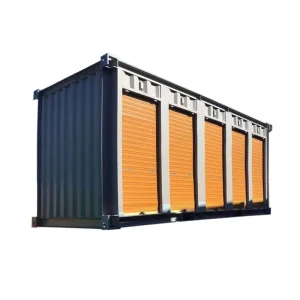
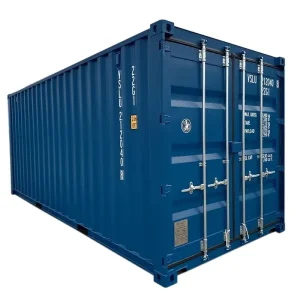
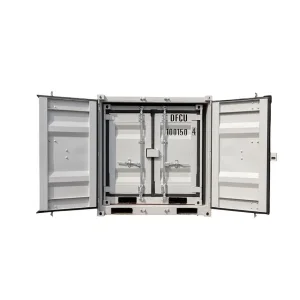
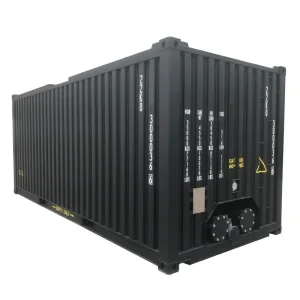
Direct factory access to roll-up door dry containers, hazardous cargo units, asphalt tanks, and multi-door configurations engineered for high-demand routes.
📚 Frequently Asked Questions on Opening Containers
Clear technical insights regarding certification standards, lead times, structural customization, and global deployment.
Unlike standard dry cargo vans that rely on solid corrugated side walls for shear load distribution, side-opening containers incorporate reinforced hollow-structural section (HSS) top headers, reinforced bottom side rails, and high-tensile steel corner post gussets. These reinforcements ensure units pass ISO 1496 racking and stacking tests (up to 216,000 kg stacking limit), retaining full compatibility with 9-high container vessel cellar slots.
Every standard and custom container manufactured is inspected and stamped with a CSC plate approved by major IACS classification societies including Bureau Veritas (BV), DNV, ABS, or CCS. Offshore units comply fully with DNV 2.7-1 / EN 12079 dynamic lifting requirements, while ISO tank containers adhere to ASME, IMDG, RID/ADR, and USDOT regulations.
Standard roll-up doors (extruded aluminum or corrugated galvanized steel shutters) are optimized for storage access and domestic transport. For international ocean carriage, units must either feature an ISO-compliant exterior locking door system over the roll-up mechanism or pass custom CSC dry-cargo barrier testing to ensure water tightness and cargo retention under dynamic vessel motions.
For standard production runs of 20ft and 40ft side-opening containers, lead time typically ranges between 3 to 5 weeks following engineering drawing sign-off. Highly customized equipment, such as dangerous goods containers with automatic explosion-proof louvers, internal fire-suppression conduits, or custom refrigeration mountings, typically requires 5 to 7 weeks from prototype validation to seaport drayage.
Our manufacturing bases in Tianjin and Suzhou sit within 100 kilometers of deepwater maritime hubs (Port of Tianjin and Port of Shanghai/Taicang). This geographic position minimizes overland trucking expenses, avoids inland transit bridge-height permits for High Cube units, and enables fast "One-Way Cargo Free Use" positioning arrangements with major shipping alliances.