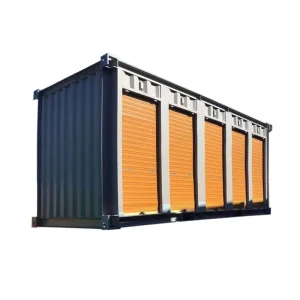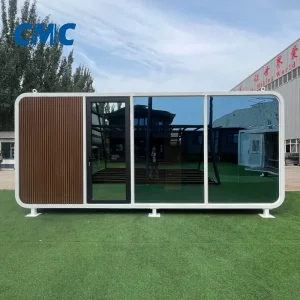
Famous 20ft Prefab Container House Flat Pack Modular House Office Tiny House Outdoor apple Cabin Office Pod Garden Office Pod Manufacturer, Product
View Product & Quote
Explore high-spec cold containers, specialized energy generation modules, and offshore-grade logistics assets available for fast-track maritime allocation and customized quote generation.
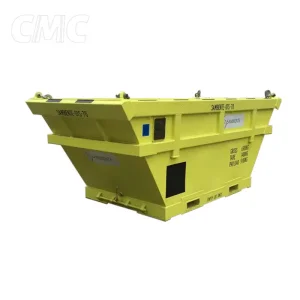
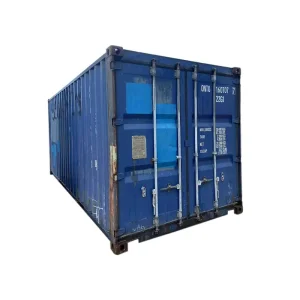
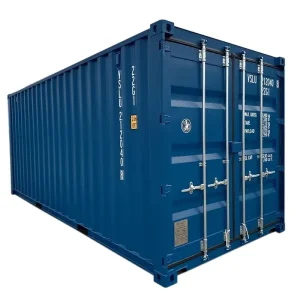
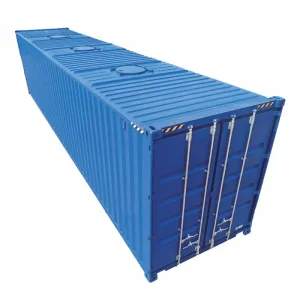
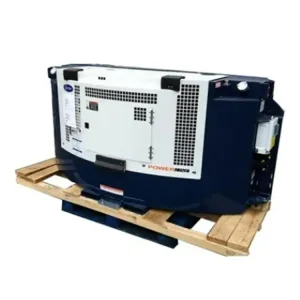
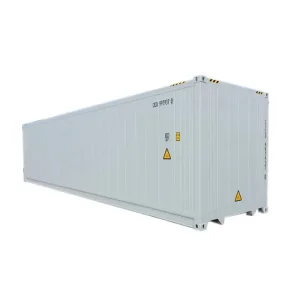
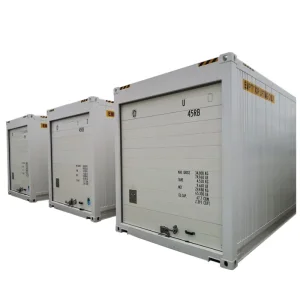
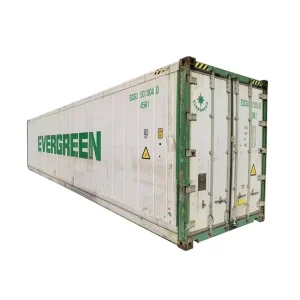
The procurement of refrigerated intermodal units (reefers) requires precise thermal dynamics, structural integrity, and multi-tier energy redundancy. Below is an engineering overview of structural and thermal variables critical to commercial operations.
Thermal bridging accounts for up to 34% of transit energy loss in sub-standard containers. High-density, closed-cell polyurethane foam (blown with eco-compliant HFO/cyclopentane blowing agents) yields structural rigidity and minimal heat transfer.
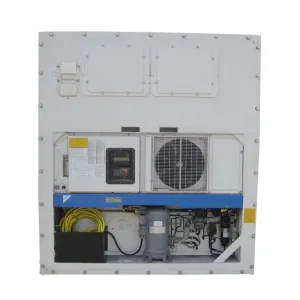
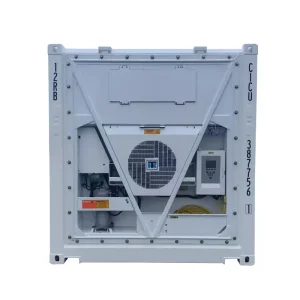
Direct manufacturer integration with industry-standard machinery manufacturers—including Thermo King, Carrier Transicold, and Daikin—ensures parts accessibility across 160+ international sea hubs.
High-respiration cargo (e.g., avocados, bananas, blueberries) requires micro-managed O2 and CO2 levels to stop enzymatic breakdown and extend ocean transit viability beyond 45 days.
Strategic purchasing in 2025 demands navigating material inflation, carbon reduction mandates, and localized port infrastructure deficits. Evaluating manufacturer capabilities requires a complete total cost of ownership (TCO) calculation.
Strict GDP compliance mandates zero cold-chain breaks. The global market has transitioned rapidly toward redundant-sensor reefers with automated recalibration routines.
New IMO 2030/2050 directives compel carriers to integrate R-513A and R-744 (natural CO2) low-GWP refrigerants, cutting life-cycle emissions across deep-sea lanes.
Long wait periods in transshipment zones elevate reliance on high-cube thickened-foam containers that preserve thermal hold for extended hours without auxiliary power.
Tier-1 maritime Corten steel frames retain 45-60% resale valuation after 12 years of deployment, enabling lucrative fleet retirement programs into secondary static cold storage markets.
Compliance is the backbone of safe maritime and offshore hoisting. Every container manufactured under our engineering umbrella complies with rigid classification frameworks.
| Class Standard | Governing Agency | Test Criteria & Metric Limits | Designated Deployment Vector |
|---|---|---|---|
| DNV 2.7-1 / EN 12079 | Det Norske Veritas | Dynamic multi-point 2.5G drop testing, Charpy V-notch impact testing at -20°C | Offshore Rigs, Semi-submersibles & Arctic Marine Ops |
| BV Type Approval | Bureau Veritas | Continuous welding integrity, floor deflection under 7,260 kg axle loads, watertightness | Deep-Sea Intercontinental Containerships & RORO |
| ISO 1496-2 (Thermal) | International ISO Org | K-factor thermal dissipation tests (<0.4 W/m²K), air-leakage rates <5 m³/h | Standard Global Chilled / Deep Freeze Cargo Transits |
| TIR / CSC Convention | Customs Security | Tamper-resistant locking bars, continuous customs seal enclosures, gross mass stacking | Cross-Border Multimodal Rail and Road Corridors |
| ATP Certification | UNECE (Perishable Foods) | Class FRC (Heavily insulated reefer: down to -20°C with 30°C external ambient) | European Trans-Continental Highway & Rail Freight |
From deep-sea protein transport to hazardous offshore chemical extraction, explore how purpose-engineered containers solve complex operational pain points.
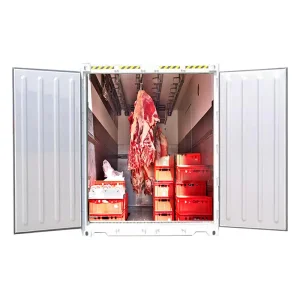
Designed for carcasses, fresh beef, and pork requiring vertical hanging. The roof frame is reinforced with high-yield Corten crossbars and integrated food-grade stainless steel rail runners.
Eliminates box crushing and meat deformation while providing continuous vertical air flow across the entire cargo load.
DNV certified silt baskets, offshore reefers, and open cargo containers deployed to rigs in the North Sea and Gulf of Guinea. Engineered for harsh marine spray environments.
Equipped with certified pad eyes, four-part wire rope lifting slings, and zinc-rich marine-grade epoxy coating packages withstanding 3,000 hours of continuous salt-spray exposure.
Prefab container houses and combination storage modules utilized as pop-up pharmaceutical dispensaries, disaster relief stations, and modular field laboratories.
Combining heavy-insulation sandwich panels with low-draw multi-zone HVAC, ensuring comfortable habitable environments in extreme ambient conditions ranging from -40°C to +55°C.
Sustainable container manufacturing requires long-term alignment with digital automation, smart power storage, and predictive refrigeration diagnostics.
Integration of low-power satellite/5G transceivers reporting vibration, humidity, door events, and refrigerant pressure directly into enterprise ERP systems via standardized APIs.
Thin-film photovoltaic roof sheets coupled with LFP battery packs designed to provide up to 72 hours of uninterrupted cooling during terminal power outages or railway shunting delays.
Next-gen hybrid barrier walls featuring microporous silica cores that achieve ultra-thin footprints, unlocking up to 8% more internal cubic capacity without compromising thermal ratings.
Essential guidance on lead times, certifications, machinery selections, and global export shipping logistics.
Quotes depend on structural size (20ft, 40ft HC), primary steel grades (SPA-H Corten), the cooling unit brand (Thermo King, Carrier, Daikin), specific certifications (BV, CSC, DNV), and volume discounts for fleet orders.
Standard ISO configuration units ship from port stocks within 7-10 business days. Custom OEM/ODM engineering builds (roll-up doors, triple compartments, special generators) require roughly 25 to 40 days for factory assembly and Lloyd's/BV third-party testing.
Yes. For most destinations across Europe, North America, and Australia, we coordinate cargo "one-way lease" loading with tier-1 shipping lines, substantially reducing or fully offsetting the ocean transit cost for brand-new containers.
Standard reefers comply with ISO 1496-2 for calm containership cellular hold transport. Offshore units must comply with DNV 2.7-1 / EN 12079, featuring heavy impact-resistant corner posts, external lifting slings, and low-temperature steel chemistry suited for open-sea crane hoisting.
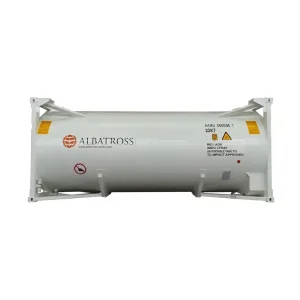
Explore heavy-duty hanging meat transport systems, secondary storage reefers, certified dry cargo units, and ISO tank vessels engineered for international fleet compliance.