
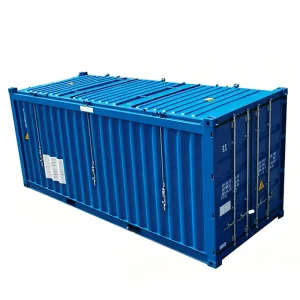
1983
Pioneering Engineering Base
40+
Years Production Expertise
100KM
Direct Seaport Logistics
100%
BV & ISO Quality Validated
Primary Engineering Fleet
Featured Industrial Containers & Modular Structural Solutions
Examine our certified heavy-duty framing units, specialty bulk handlers, and temperature-controlled logistics hardware engineered for rigorous oceanic and inland deployments.
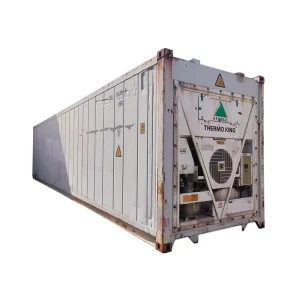
ODM New 40ft Refrigerated Freezer Container for Sale Factory, Exporter
Explore Specifications →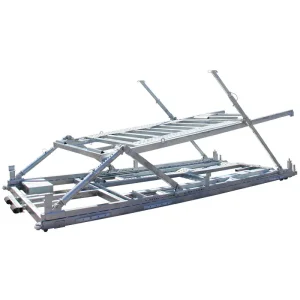
China vehicle transport rack Product, Exporters
Explore Specifications →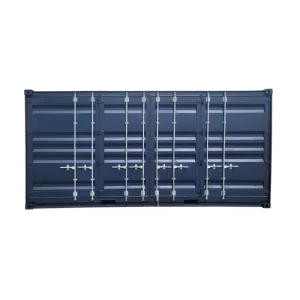
High-Quality New 20ft Customized Side Door Dry Cargo Shipping Container Factory, Product
Explore Specifications →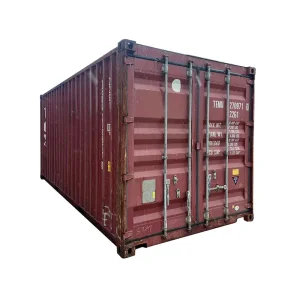
Buy 20ft Used Shipping or Storage Container Manufacturer, Products
Explore Specifications →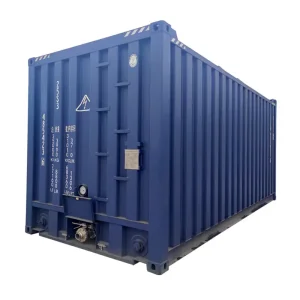
Buy New 20ft Square Liquid Container Factory, Product
Explore Specifications →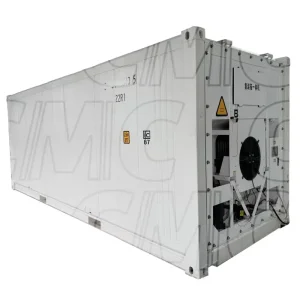
ODM The Smart Chain Cold Storage 20ft/40ft Solar Refrigerated Container 220V With DC Inverter Unit Pricelist, Exporters
Explore Specifications →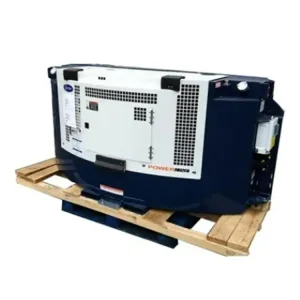
China Refrigerated container diesel generator Exporter, Quotes
Explore Specifications →
Industrial Structural White Paper
Global Macro Solutions in Shipping Container Frame Engineering
An authoritative technical analysis of Corten-A metallurgical integrity, corner casting load-bearing dynamics, and the intermodal structural matrix.
SPA-H Atmospheric Corrosion Corten Steel
Every load-bearing beam, side sill, and header is rolled from high-yield SPA-H Corten steel. This metallurgical formulation produces an oxidized passivation layer upon environmental exposure, reducing rust progression by 85% compared to baseline carbon steels during marine transit.
Standardized ISO 1161 Corner Castings
The primary load path in multi-tier shipping setups flows strictly through the eight corner casting nodes. Machined from SCW480 cast steel, these components undergo non-destructive ultrasonic and magnetic particle testing to endure dynamic stacking forces exceeding 86,400 kg per post.
9-High Racking & Shear Load Resistance
To resist torsional racking during high-sea passages, our container frame sub-assemblies integrate reinforced transverse front and rear sills with robotic submerged arc welding (SAW), ensuring complete penetration and compliance with ISO 1496-1 transverse rigidity criteria.
Structural Certification & Safety Redundancy
Industrial testing dictates that a fully certified 40ft shipping container frame must absorb up to 1.8 times the Maximum Operating Gross Mass during longitudinal acceleration tests. CIMIC frames undergo rigorous hydraulic ram cycle evaluations witnessed by Bureau Veritas classification surveyors before factory sign-off.
| Structural Section | Material Specification | Tensile Strength (MPa) | Yield Strength (MPa) | Dynamic Compliance Standard |
|---|---|---|---|---|
| Corner Post (Front/Rear) | SPA-H / SM50YB Hot Rolled | ≥ 490 MPa | ≥ 365 MPa | ISO 1496-1 / BV Certified |
| Top & Bottom Side Rail | Corten-A Cold Formed Section | ≥ 450 MPa | ≥ 345 MPa | UIC 592 Intermodal Rail |
| ISO Corner Castings | SCW480 Cast Carbon Steel | 480 - 620 MPa | ≥ 275 MPa | ISO 1161 / DNV GL |
| Cross Floor Members | C-Channel Structural Steel (4.0mm) | ≥ 440 MPa | ≥ 325 MPa | 7,260 kg Forklift Axle Test |
| Door Header & Sill | High-Strength Press-Formed Plate | ≥ 490 MPa | ≥ 355 MPa | TIR Approved Anti-Theft Profile |
Supply Chain Landscape
Global Intermodal Status & Industrial Demand Vectors
How macroeconomic supply chain resilience, fleet renewal cycles, and industrial modularization dictate container frame procurement worldwide.
Geopolitical Fleet Hardening
Global ocean alliances prioritize structural longevity over thin-gauge economics. Operating in challenging trade corridors—such as Cape of Good Hope reroutings—exposes equipment to harsher sea conditions, triggering increased demand for reinforced container skeleton chassis.
BESS (Battery Energy Storage) Enclosures
The energy transition has transformed container frames from transit vessels to high-tech enclosure foundations. Lithium battery integration requires specialized fire-rated, floor-reinforced 20ft and 40ft steel skeletons supporting 35+ metric tons of static internal equipment.
Modular Structural Pre-Fabrication
Commercial building projects employ modified container structural frames as rapid building blocks for field clinics, data centers, and multi-story accommodations. Rigid dimensional tolerances (±1.5mm) are critical to ensure uniform structural load transfer when bolted on-site.
Compliance Infrastructure
Localized Engineering Validation & Global Compliance Framework
From port-side staging in Tianjin and Suzhou to international customs clearances, our documentation protocols align with CSC, TIR, DNV, and BV classification mandates.
CSC Safety Approval
Every frame assembly holds a serialized Convention for Safe Containers (CSC) data plate stamped with maximum operating gross weight, allowable stacking load, and transverse racking test ratings.
DNV 2.7-1 Offshore Rules
For high-risk offshore operations, framing sets comply with DNVGL-ST-E271 specifications, featuring Charpy impact-tested materials designed for sub-zero marine environments down to -40°C.
Strategically Positioned Bases
Situated within 100 km of Tianjin Port and regional Suzhou hubs, CIMIC streamlines factory acceptance testing, third-party BV surveying, and rapid maritime container ship berthing with low transport drayage.
ISO 9001 Factory Quality Loop
Every fabrication cycle follows a five-stage verification pipeline: material spectrometry verification, dimensional alignment checks, weld seam non-destructive testing, and paint dry-film thickness profiling.
Sector Engineering
Localized Application Scenarios & Heavy-Duty Implementations
From intermodal cold chains across the Americas to demanding mining corridors in Africa, discover where our container frame assemblies perform.
Active Reefer Logistics Corridors
Integrated frame channels accommodate Thermo King, Carrier, and Daikin condensing machinery. Polyurethane thermal break installations protect internal temperatures down to -35°C for high-value pharmaceuticals and frozen commodities across African and European ports.
ISO Tank & Heated Bitumen Logistics
Heavy-duty perimeter frames hold pressurized cylindrical stainless steel vessels for hazardous chemicals and heated asphalt. Equipped with structural saddles, thermal trace paths, and calibrated tie-downs, our frames distribute liquid surge dynamics safely to the transport chassis.
Automotive Racks & Open-Top Transfers
Specialized hard and soft open-top frames simplify crane loading of high-density machinery, structural lumber, and tiered vehicle systems. Heavy-gauge corner gussets maintain box geometry even when top roof ties are completely removed for oversize crane operations.
Quality Control Pipeline
Precision 5-Stage Frame Manufacturing & QC Roadmap
How raw steel transforms into a certified shipping frame via robotic precision, automated blast cleaning, and strict quality verification.
01
Structural FEA Review
Engineering staff generate 3D stress analyses, confirming dynamic moment distributions, deflection indices, and payload capacity before issuing certified shop drawings.
02
CNC Forming & Lasers
Corten-A sheet coils and rolled structural profiles are laser cut and pressed using multi-axis CNC tooling to achieve tight fabrication tolerances (±1.0mm).
03
Robotic Jig Welding
Assemblies are secured in heavy hydraulic rollover jigs. Multi-axis robotic arms apply shielded gas metal arc welds (GMAW) to eliminate thermal distortion across side rails.
04
SA 2.5 Shot Peening
Framing components pass through an automated centrifugal wheel blast booth to remove all mill scale and rust down to near-white metal (SA 2.5 profile) for paint adhesion.
05
Marine Epoxy Barrier
Zinc-rich primers, intermediate epoxy barriers, and polyurethane topcoats (120μm minimum total DFT) are applied to resist severe offshore salt fog.
Future Outlook
Technology Roadmap & Next-Gen Container Engineering
Tracking the next decade of intermodal frame optimization: smart chassis telematics, ultra-high-strength green steel, and composite modular integration.
High-Yield Composite Metallurgy
Developing ultra-high-yield (550+ MPa) Corten variants that reduce frame tare weight by 14% without compromising 9-high stacking integrity. Lower tare weights directly translate to increased cargo payloads and reduced fuel consumption across intermodal networks.
IoT-Enabled Smart Frame Castings
Integrating piezo-electric strain sensors directly within ISO corner casting cavities. These sensors continuously monitor real-time shear stress, dynamic twisting, and micro-cracking across oceanic voyages, transmitting diagnostics via satellite to fleet managers.
Zero-Carbon Electric Arc Furnace Steel
Partnering with certified mills to source 100% green hydrogen-reduced hot-rolled steel coil for container framing. This initiative targets a 65% reduction in embodied Scope 3 carbon emissions per TEU frame by 2030, supporting environmental goals of international shipping lines.
Specialized Framing Products
Engineered Specialty Vessels & Offshore Modular Units
Discover our offshore-certified rigs, insulated units, bulk liquid tanks, and secondary dry container systems built to international classification standards.
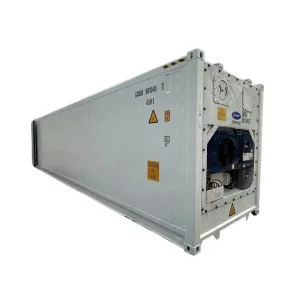
Buy Ninety Percent New Used 40ft HC Carrier Refrigerated Container Product, Quotes
Explore Specifications →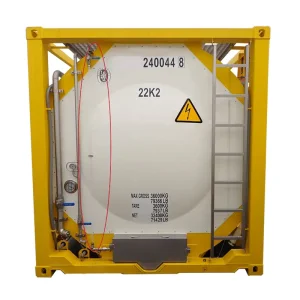
ODM 20ft Tank Container for Alcohol Manufacturer, Quotes
Explore Specifications →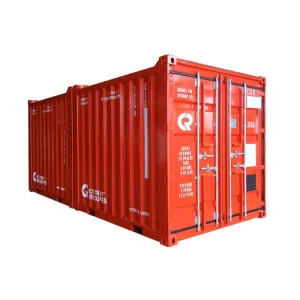
Buy New DNV Certification Offshore Dry Cargo Container Factory, Product
Explore Specifications →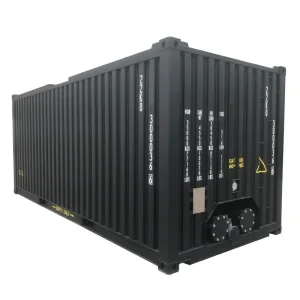
China 20 Feet Heated Shipping Asphalt Container Exporter, Manufacturers
Explore Specifications →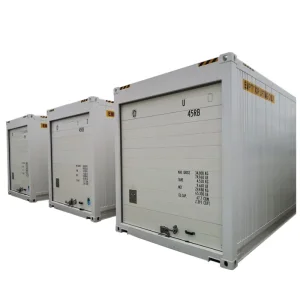
China 40ft High-Cube Roll Up Reefer Container Customized Shipping Containers Factory, Manufacturers
Explore Specifications →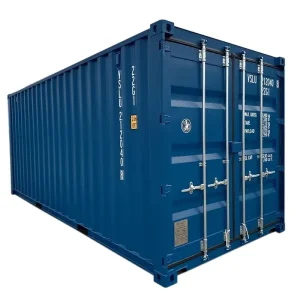
Buy New 20ft Double Door Dry Cargo Shipping Container Products, Manufacturers
Explore Specifications →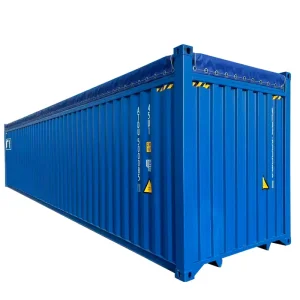
Buy 40ft High-Cube New Soft Open Top Shipping Container with Tarpaulin Cover Manufacturer, Product
Explore Specifications →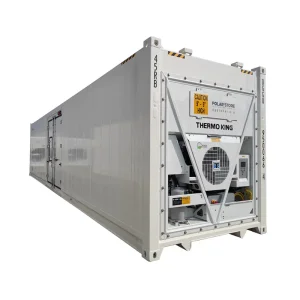
Famous 40ft High-Cube Side Open Door Reefer Container Manufacturer, Factories
Explore Specifications →
Procurement Knowledge Base
Technical & Commercial FAQ for Container Buyers
Direct, transparent engineering answers addressing structural guarantees, bespoke fabrication, customs certifications, and global intermodal logistics.
What metallurgical standards govern your shipping container frames?
Our frames are fabricated using SPA-H (JIS G3125) atmospheric corrosion-resistant Corten steel. Corner posts and primary bottom side rails use heavy-gauge sections with yield points exceeding 365 MPa. Every raw steel batch undergoes chemical spectrometry to guarantee nickel, copper, and chromium concentrations for proper self-passivating anti-rust properties.
Can CIMIC engineer custom container frame dimensions (OEM/ODM)?
Yes. We support end-to-end bespoke OEM/ODM frame development. Our engineering team prepares complete 3D CAD and FEA calculations for custom heights (e.g., 9ft 6in or 10ft high cubes), internal equipment sub-bases for battery energy storage systems (BESS), generator skids, and customized side-opening access doors with reinforced lintels.
What international classification certifications accompany your shipments?
Our manufacturing workflow is certified under ISO 9001 and ISO 14001 management protocols. Standard intermodal equipment comes with Bureau Veritas (BV) classification type approvals and international CSC safety plates. Specialty offshore equipment complies with DNV 2.7-1 (EN 12079) dynamic drop-test and impact standards.
What are the differences between new builds and port-stocked used containers?
New builds feature fresh SPA-H Corten steel, pristine zinc-epoxy paint layers (120μm+), factory-fresh flooring, and 5-year structural warranties. Our used inventory consists of seaworthy, Cargo-Worthy (CW) or IICL-5 certified boxes stored in key Chinese ports, thoroughly checked for frame squareness, intact door gaskets, and sound floors for budget-conscious logistics needs.
How do you verify frame squareness and weld integrity prior to export?
Every frame assembly is measured on calibrated alignment tables to ensure diagonal variance stays below ±3mm across 40ft lengths. Welded structural joints undergo Magnetic Particle Inspection (MPI) and Ultrasonic Testing (UT) to verify penetration along high-stress connections between corner castings and vertical posts.
What is your export geographic footprint and typical lead times?
We regularly supply shipping lines, mining projects, military agencies, and logistics operators across Africa, Europe, North America, Latin America, and Australasia. Standard catalog builds usually leave our port-proximate facilities in Tianjin or Suzhou within 2 to 4 weeks of final drawing sign-off.