
Portfolio Segment A
Precision Reefer & Multimodal Deployment Assets
Direct OEM manufacturing line outputs certified under ISO 1496/1, Bureau Veritas, and DNV marine offshore lift mandates.
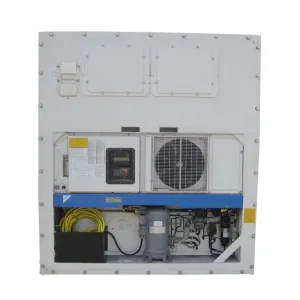
Buy Refrigeration Equipment /Cooling Unit For Refrigerated Containers
Configure Specs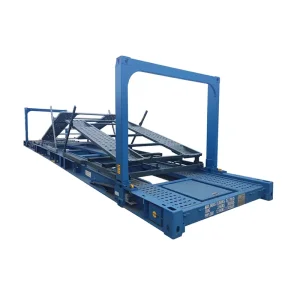
China New 20ft Car Carrier Container Special Container Exporter
Configure Specs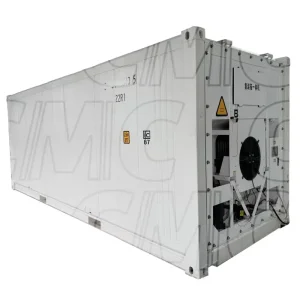
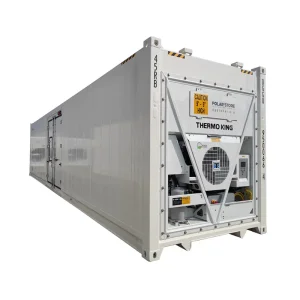
ODM The Smart Chain Cold Storage 20ft/40ft Solar Refrigerated Container
Configure Specs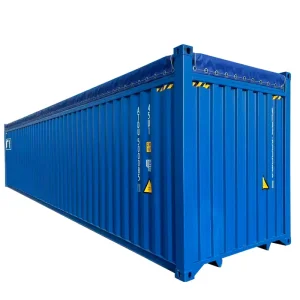
Buy 40ft High-Cube New Soft Open Top Shipping Container Tarpaulin Cover
Configure Specs
China Used 40ft High-Cube Certified Reefer Container Pricelist
Configure Specs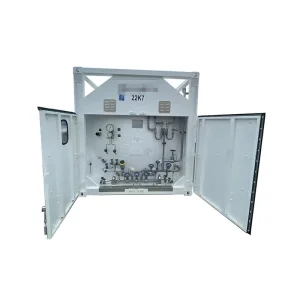
Famous T75 20ft Cryogenic Liquid Tank Container Products
Configure Specs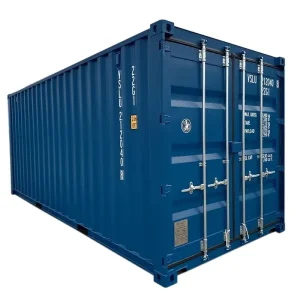
Buy New 20ft Double Door Dry Cargo Shipping Container Products
Configure Specs
Industry Whitepaper Overview
Macroeconomic Paradigms of Container Wide Logistics
How the structural evolution toward pallet-wide, specialized volumetric conversions is reshaping global supply velocity, modal splits, and carbon footprints.
Pallet Optimization Gap
Standard ISO containers feature internal widths (~2,350mm) that leave dead lateral space when packing standard 1,200×800mm Euro-pallets. Container Wide and Pallet-Wide solutions expand internal widths up to 2,420mm–2,440mm, increasing floor footprint from 24/25 pallets up to 30 or 33 pallets, instantly curtailing shipping overhead by 15–22% per unit volume.
Energy Transition Demands
The acceleration of grid battery energy storage systems (BESS) and mobile hydrogen fuel logistics requires structural container enclosures capable of handling 45,000+ kg static floor loads. Custom OEM fabrication transforms the static shipping box into thermal-regulated, explosion-vented micro-utility hubs designed for deep industrial decarbonization.
Multimodal Interoperability
Modern international trade requires frictionless handover between marine cellular vessels, North American double-stack rail systems, and Eurasian inland logistics corridors. High-tolerance corner castings and stress-engineered side rails enable seamless handling across gantry cranes without structural deflection.
Mission Critical Integration
Localized Engineering Use Cases & Custom Deployments
From deep-sea subsea asset mobilization to extreme arctic cold storage infrastructure, see how custom dimensional engineering excels.
BESS Modular Power Stations
Integrated with non-conductive floor substrates, certified clean-agent gas suppression (NOVEC 1230), and localized thermal run-away liquid chill loops engineered for lithium chemistry reliability.
Pharma-Grade Reefer Enclaves
Equipped with dual-redundant Carrier/Thermo King machinery, GDP (Good Distribution Practice) dataloggers, and precision internal airflow baffles ensuring <0.5°C gradients for biologic serums.
Offshore Dynamic Lifting
Built to DNVGL-ST-E271 and EN 12079 structural tolerances. Heavy-duty pad-eyes, specialized marine coatings (C5-M standard), and extreme Charpy impact testing at -20°C for North Sea exploration.
Eurasian Land-Bridge Freight
High-cube wide conversions calibrated specifically for trans-continental rail routes, incorporating specialized side-ventilation, load-blocking recesses, and shock-resistant corner posts.
Manufacturing Dominance & Port Proximity
China Supply Chain Agility: Tianjin & Suzhou Hubs
Combining raw Corten steel blast-processing with automated submerged-arc welding and immediate deepwater berth access.
Upstream Corten Metallurgy
Direct pipeline partnerships with domestic Tier-1 mills for SPA-H weathering steel ensure rapid batch testing, consistent yield strengths (≥345 MPa), and immediate plate delivery regardless of global steel market squeezes.
Automated Assembly & QA
Multi-axis robotic GMAW welding stations guarantee dimensional deviations under ±1.5mm, paired with 100% helium refrigeration leak detection and hydraulic pressure-test jigs for total atmospheric seal integrity.
Ultra-Low Port Dwell Logistics
Positioned ~100 km from Tianjin Port and key maritime gates allows direct berth transfer, avoiding expensive inter-provincial haulage, bypassing chassis bottlenecks, and enabling fast multimodal vessel transfers.
1983
Engineering Lineage
40+
Years Technical Mastery
<100km
Port Terminal Proximity
100%
Pre-Delivery Seal Tested
Technical Engineering Dossier
Comprehensive Structural Specifications
Comparative structural matrix detailing standardized vs. engineered wide chassis dimensions for procurement directors.
| Chassis Designation | External Dimensions (L×W×H mm) | Internal Dimensions (L×W×H mm) | Pallet Capacity (1200×800) | Max Gross Mass (kg) | Core Application |
|---|---|---|---|---|---|
| 20ft Pallet Wide | 6,058 × 2,462 × 2,591 | 5,898 × 2,420 × 2,390 | 14 Pallets (vs 11 std) | 30,480 kg | Dense short-sea intra-European intermodal freight |
| 40ft HC Pallet Wide | 12,192 × 2,462 × 2,896 | 12,032 × 2,420 × 2,698 | 30 Pallets (vs 25 std) | 34,000 kg | FMCG, automotive components, cross-border retail |
| 45ft HC Continental Wide | 13,716 × 2,500 × 2,896 | 13,556 × 2,440 × 2,698 | 33 Pallets | 34,000 kg | Direct road trailer replacement (curtainsider parity) |
| 40ft HC Deep-Freeze Reefer | 12,192 × 2,438 × 2,896 | 11,583 × 2,290 × 2,550 | 23 Pallets | 34,000 kg | Pharmaceuticals, deep-sea tuna (-35°C to +30°C) |
| Offshore DNV Lift Basket | 6,058 × 2,438 × 1,300 | 5,880 × 2,260 × 1,020 | Bulk/Drill String | 15,000 kg | Hostile sea drilling rigs & floating platforms |
Future Technological Roadmap
Next-Generation Equipment Milestones
PHASE I: TELEMATICS
IoT Edge Monitoring
Integration of solar-harvested BLE sensors providing real-time door breach detection, internal atmosphere composition, and multi-axis shock recording.
PHASE II: AEROGEL
Advanced Nanocomposites
Replacing traditional PU foam with vacuum insulated panels (VIP) and aerogel blankets to enhance thermal R-values while saving 30mm internal cargo space.
PHASE III: LIGHTWEIGHTING
Hybrid High-Tensile Alloys
Deploying ultra-light 700MC high-strength structural steels to reduce unladen tare weight by 14%, increasing payload per shipment under standard road axle caps.
PHASE IV: AUTONOMOUS
Smart Port Automation
Passive RFID-imbedded corner brackets and QR optical guides designed for AI-driven automated guided vehicle (AGV) handling and robotic stack management.
Global Compliance Assurance
Regulatory Certification & Worldwide Engineering Support
Engineered for global customs clearance, absolute seaworthiness, and uncompromising crew safety across international waters.
Classification Society Approvals
Every design variation undergoes finite element analysis (FEA) and physical prototype testing witnessed by Bureau Veritas (BV), ABS, and DNV GL surveyors to issue the International Convention for Safe Containers (CSC) safety plate.
Customs & Quarantine Standards
Fabricated with strict compliance to Australian Timber Quarantine Requirements (TCT), treated floorboard standards, and low-VOC environmental coatings meeting North American air quality regulations.
Global Field Engineering
We provide localized engineering support dossiers, digital twins, structural drawings, and regional replacement parts availability via partner networks spanning Rotterdam, Houston, Durban, and Singapore.
Frequently Answered Queries
Technical & Procurement FAQ for Sourcing Teams
Direct architectural clarity regarding custom container modifications, testing standards, and trade economics.
What distinguishes an OEM Container Wide from a standardized ISO shipping container?
A standard ISO shipping container features an exterior width of 8ft (2,438mm) and an interior clearance width around 2,350mm, which creates lateral dead space when loading standard European pallets (1,200×800mm). An OEM "Container Wide" (often termed Pallet-Wide) is engineered with thinner yet higher-tensile corrugated Corten steel wall systems and customized corner post geometry. This expands interior widths to between 2,420mm and 2,440mm, allowing two 1,200mm pallets to fit side-by-side cleanly without wedging, thereby increasing dry cargo payload density by up to 20% while retaining ISO-compatible corner casting dimensions for handling on container ships.
How do you verify structural integrity when modifying containers with roll-up doors or open side panels?
Standard corrugated wall panels act as shear webs that resist diagonal deformation and racking forces. When we cut out large sections for side-opening doors, tarpaulin tops, or architectural roll-up shutters, our structural engineering team reinforces the top and bottom side rails with heavy-wall structural hollow sections (HSS), thick gusset plates, and heavy-duty tubular header frames. The modified designs undergo Finite Element Analysis (FEA) followed by real-world load testing (such as ISO 1496/1 transverse/longitudinal racking, roof strength, and floor deflection tests) witnessed by classification bodies like Bureau Veritas (BV) or DNV.
What refrigeration machinery options can be specified on your custom reefers?
Our Tianjin manufacturing plants engineer and install market-leading maritime refrigeration units, including Carrier Transicold (ThinLINE, PrimeLINE), Daikin (Zestia), and Thermo King (Magnum Plus). For stationary or specialty off-grid operations, we configure solar DC-inverter units, dual-fuel diesel generator sets, and dual-system backup configurations to ensure zero cold-chain disruption for temperature-sensitive cargo ranging from -35°C to +30°C.
What is the typical production timeline and MOQ for customized OEM container configurations?
For bespoke OEM conversions (such as battery energy storage structures, custom side-door configurations, or unique length/width variations), initial CAD layout and structural calculations require approximately 7–10 days. Once shop drawings are confirmed, prototype sample units are generally completed within 3 to 4 weeks. Minimum Order Quantities (MOQ) depend on customization depth: highly complex industrial enclosures can be handled from 1–2 prototype units, while custom-tooled roll-forming projects typically start at a 10-unit production batch.
How does factory location near Tianjin port reduce total landed procurement cost?
Inland transportation in container manufacturing can represent a noticeable percentage of the pre-shipment cost, especially for out-of-gauge (OOG) or specialized heavy containers that require low-boy flatbed trailers and special road transit permits. Located roughly 100 km from Tianjin seaport, our facilities minimize drayage transit time and road freight overhead. Furthermore, we coordinate "one-way empty container loading" (cabotage) programs with major shipping alliances, loading your purchased containers with commercial export freight so the container arrives at your home port with zero ocean repositioning freight costs.
Portfolio Segment B
Industrial, Offshore & Specialty Logistics Equipment
Turnkey engineered intermodal configurations built to withstand harsh marine and demanding industrial working cycles.
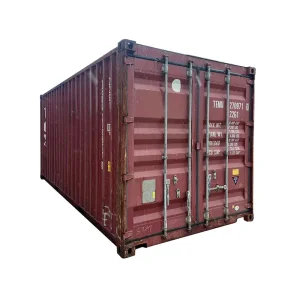
Buy 20ft Used Shipping or Storage Container Manufacturer Products
Configure Specs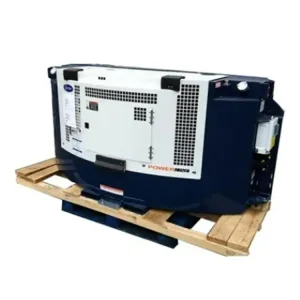
China Refrigerated container diesel generator Exporter, Quotes
Configure Specs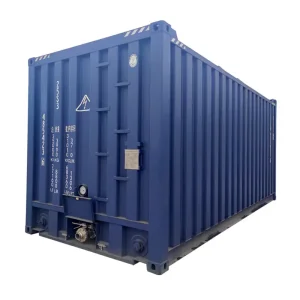
Buy New 20ft Square Liquid Container Factory, Product
Configure Specs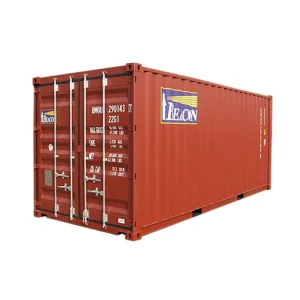
ODM 40ft New Certified Dry Shipping Container Pricelist, Exporters
Configure Specs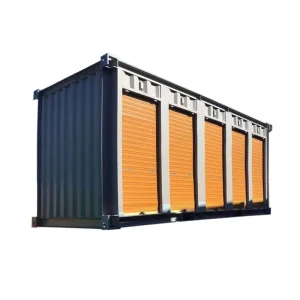
OEM New 20ft Storage Roll-Up Door Dry Cargo Container Pricelist
Configure Specs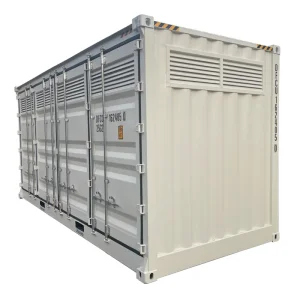
Famous 20FT High-cube Dangerous Goods Container Side Open Door
Configure Specs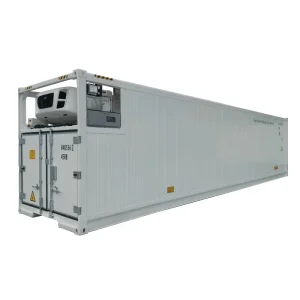
Famous New 40ft HC & 45ft "Belt and Road" Railway Reefer Container
Configure Specs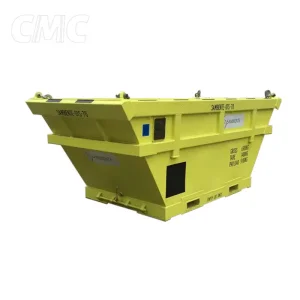
Famous DNV Certification Silt Basket Container Offshore Operations
Configure Specs
Collaborative Engineering
Initiate Your Custom OEM Container Fleet Program
Speak directly with our chief marine and container structural engineering group in Tianjin. We calculate structural FEA simulations, produce detailed 2D/3D fabrication models, and coordinate factory production runs aligned with your regional intermodal constraints.