
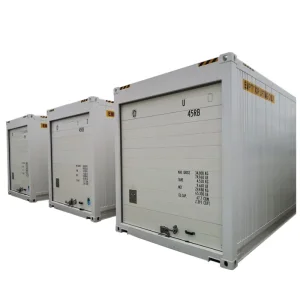
Engineered Fleet Solutions
Featured Product Showcase: Core Fleet Configurations
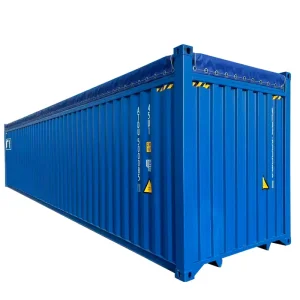
Explore heavy-duty intermodal equipment certified under Bureau Veritas (BV), ISO 1496, and DNV 2.7-1 benchmarks for mission-critical cargo routes.
Market Dynamics & Intelligence
Industry Trends & Next-Gen Intermodal Engineering
A macroeconomic and structural breakdown of global shipping equipment demand, thermal precision, and regulatory shifts impacting intermodal fleet procurement.
IoT-Enabled Autonomous Telematics
The modern logistics paradigm requires uncompromised visibility. Standard ISO units are rapidly transitioning toward edge-computing integrated hardware, enabling live temperature monitoring, real-time CO2 balance calculation, and shock-impact sensing.
- Remote satellite telemetry updates at 15-minute intervals
- Predictive pre-trip inspection (PTI) failure detection
- Cold chain compliance adhering directly to GDP standards
Corrosion Science & Corten-A Metallurgy
Aggressive maritime environments with high sodium concentrations demand steel formulation with increased copper, chromium, and nickel content. Corten-A weathering steel creates an impervious patina barrier preventing structural fatigue.
- Enhanced zinc-rich epoxy primer coatings with >80μm thickness
- Multi-pass automated robotic seam welding minimizing inclusions
- Extended 15+ year operational lifespan without structural repainting
Thermal Boundary Optimization
Global pharmaceutical, fresh produce, and fine chemical distribution networks necessitate minimum thermal dissipation. Polyurethane cyclopentane foaming processes yield core densities of 42-45 kg/m³, achieving exceptionally low thermal conductivity.
- K-factor ratings maintained under 0.38 W/(m²·K) across temperature swings
- Dual micro-groove extruded aluminum T-floor air diffusion
- Multi-lip EPDM continuous vacuum gaskets for cryogenic seal
Manufacturing 4.0 Architecture
China Factory 4.0: Supply Chain Resilience & Production Integrity
How state-of-the-art automation lines in Tianjin and Suzhou deliver structural consistency, minimize lead-time volatility, and guarantee export-ready cargo modules.
Automated Laser Profiling & Forming
Structural integrity originates in precision profile cutting. Heavy-gage corrugation presses handle high-tensile Corten panels with sub-millimeter tolerances, ensuring standardized interlocking frames and modular stacking capability up to 9-high tiers under full gross weight.
Eco-Friendly Robotic Coating Lines
Transitioning beyond traditional solvent coatings, our production facilities utilize waterborne paint systems combined with electrostatic robotic spray chambers. This yields zero pinhole voids, optimal salt-fog resistance (ASTM B117 >1000h), and lowered environmental VOC impact.
Strict Bureau Veritas (BV) NDT Testing
Every structural weld undergoes stringent Non-Destructive Testing (NDT), including ultrasonic cross-section validation and vacuum leak assessments on tank and container enclosures. Real-time factory reporting gives overseas buyers certified confidence prior to port transfer.
Standardized Engineering Parameters
Fleet Specification & Structural Engineering Matrix
Critical mechanical benchmarks and dimensional tolerances for containerized freight, offshore lifting, and chemical tank applications.
| Equipment Classification | Dimensions (Ext. L×W×H) | Max Gross Mass (MGM) | Payload Capacity | Primary Certification | Target Industrial Domain |
|---|---|---|---|---|---|
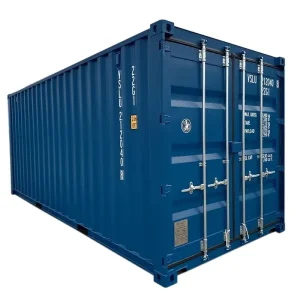
| 20ft General Purpose (Dry) | 6,058 × 2,438 × 2,591 mm | 30,480 kg (67,200 lbs) | 28,230 kg (62,230 lbs) | ISO 1496-1, BV, CSC | Dense mineral cargo, machinery, dry bulk commodities |
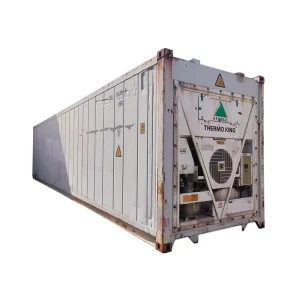
| 40ft High Cube Reefer | 12,192 × 2,438 × 2,896 mm | 34,000 kg (74,950 lbs) | 29,420 kg (64,860 lbs) | ISO 1496-2, ATP, BV | Fresh fruits, pharmaceutical vaccines, seafood preservation |
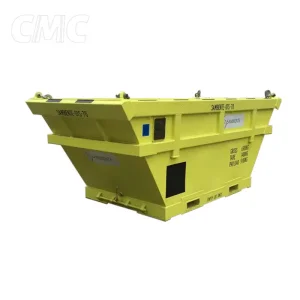
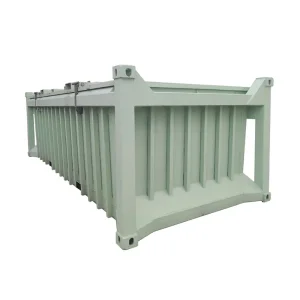
| DNV 2.7-1 Offshore Silt Basket | Customized profiles (e.g. 10ft/20ft) | Up to 15,000 kg | 11,500 kg | DNV GL-ST-E271, EN 12079 | Subsea drilling tools, heavy subsea hardware handling |
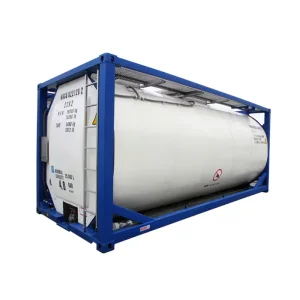
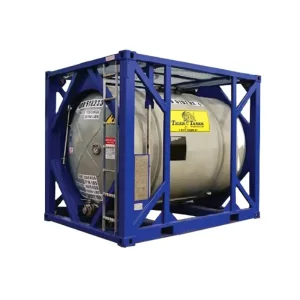
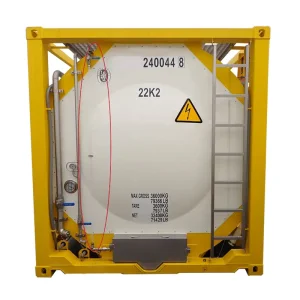
| ISO Chemical Tank Container (T11) | 6,058 × 2,438 × 2,591 mm | 36,000 kg | 32,300 kg (24,000 - 26,000 L) | ASME VIII, IMDG, RID/ADR | Hazardous liquids, alcohols, industrial solvents, food additives |
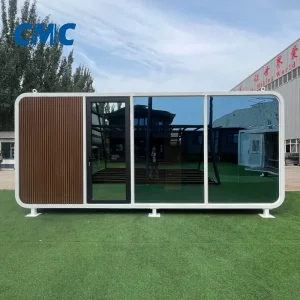
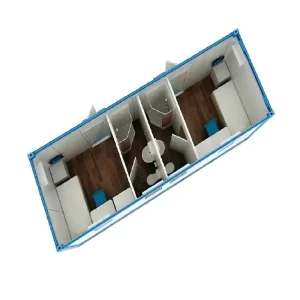
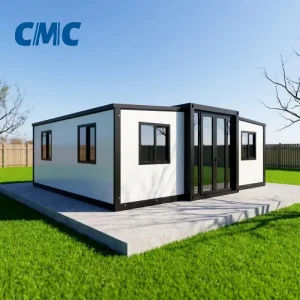
| Modular Accommodation Pod | 20ft / 40ft expandable | Variable structural load | Living/Office Payload | CE, ISO 9001, Flame-Retardant B1 | Mining base camps, off-grid command posts, luxury eco-cabins |
Real-World Deployment
Localized Application Scenarios Across Global Terrains
Engineered flexibility designed to endure severe temperature differentials, remote mining pressures, and deep-water logistical challenges.
Intercontinental Rail Corridors (Eurasia)
Railway vibration patterns require high-torsion corner posts and reinforced bottom rail members. Our containers operate through Kazakhstan and Central Europe under severe thermal shocks spanning from -40°C Siberian frost to +45°C arid summers.
Sub-Saharan Infrastructure & Mining Camps
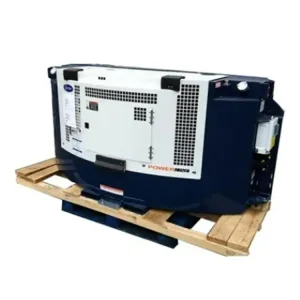
In regions with limited local construction capacity, modular accommodation and flat-pack containerized offices provide plug-and-play field shelter, sanitary units, and secure power-generation stations with double insulated rock-wool cores.
North Sea & Gulf of Mexico Offshore Rigs
Designed to DNV 2.7-1 / EN 12079 criteria, silt baskets and offshore certified containers withstand severe dynamic g-forces during open-ocean crane transfers under high wave actions, preventing structural cleavage and drop failures.
Specialized & Intermodal Fleet
Featured Product Showcase: Specialized & Custom Equipment
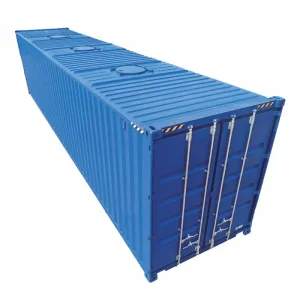
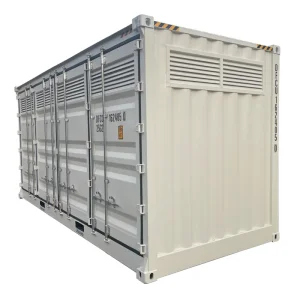
Purpose-engineered tank, bulk handling, dangerous goods storage, and double-door containers for specialized cross-border logistics.
Procurement & Engineering Clarifications
Frequently Asked Questions for Container Importers & Fleet Managers
In-depth responses covering custom OEM/ODM procedures, marine classification, structural testing, and international export logistics.
What metallurgical grades and anti-corrosion methods are applied to CIMIC containers?
Our dry cargo and modular container units are fabricated exclusively from authentic SPA-H / Corten-A weathering steel, characterized by high resistance against atmospheric exposure. Every unit undergoes grit blasting to ISO standard Sa 2.5, followed immediately by a two-component zinc-rich primer, an epoxy intermediate barrier, and a polyurethane topcoat to guarantee longevity under aggressive high-salinity marine environments.
How does the factory verify refrigeration performance and temperature stability in reefer units?
Every refrigerated container fitted with Carrier Transicold, Thermo King, or Daikin machinery undergoes an automated 6-hour Pre-Trip Inspection (PTI) cycle inside calibrated testing facilities. This includes checking heat exchange stability from -30°C to +30°C, verifying micro-gasket vacuum retention, and assessing electrical current draws under alternating load conditions.
What third-party certification documentation is supplied with offshore units?
Offshore containers, including silt baskets and offshore workshop modules, are manufactured strictly conforming to DNV GL-ST-E271 (DNV 2.7-1) and EN 12079 standards. Buyers receive complete Data Books consisting of Mill Test Certificates (MTC 3.1), Non-Destructive Testing (NDT) reports (MPI and ultrasonic), weld procedure qualification records (WPQR), and authentic third-party Lloyd's Register or Bureau Veritas stamped certificates.
Can customized container dimensions, side openings, and roll-up configurations be engineered?
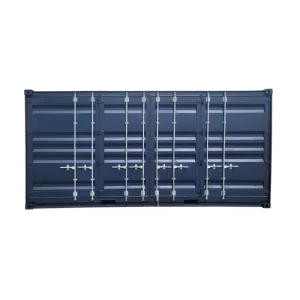
Yes. Our specialized engineering department designs bespoke layouts. When adding full-length side-opening doors, roller shutters, or reinforced cable ports, finite element analysis (FEA) is conducted to verify that top/bottom side rails and corner castings maintain their ISO 1496 racking and stacking strength ratings.
What is the logistical advantage of CIMIC's Tianjin and Suzhou production locations?
Our facilities sit within approximately 100 kilometers of deep-water commercial terminals at Tianjin Port and Shanghai/Taicang ports. This direct proximity minimizes inland drayage expenses, mitigates highway transport bottleneck risks, and ensures rapid vessel booking turnaround for urgent SOC (Shipper Owned Container) sea voyages worldwide.
What are the minimum order quantities (MOQ) and production turnaround cycles for OEM projects?
For standard ISO dry cargo containers, production lines efficiently handle batch runs with flexible baseline volumes. For specialized reefer units, offshore baskets, or custom modular pods, engineering prototypes can be produced with minimum thresholds as low as 1 to 2 units, with typical fabrication schedules completed within 20 to 35 business days following technical drawing sign-off.