
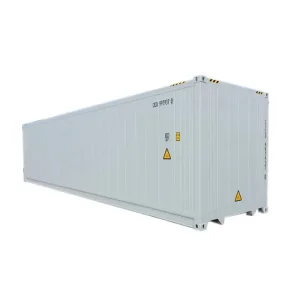
Thermal Intermodal Lineup
Featured Insulated & Specialized Logistics Containers for Uzbekistan
Heavy-duty, thermal-certified enclosures engineered to withstand Central Asian continental temperature extremes (-25°C to +48°C) along the Silk Road corridors.
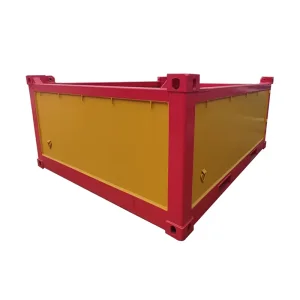
High-Quality New Heavy-Duty Basket Container for Uzbekistan Heavy Mining & Logistics Exporters
Explore Specifications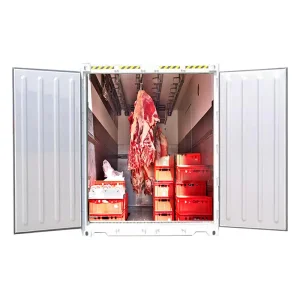
High-Quality Brand New Hanging Meat Container for Uzbekistan Fresh Agribusiness Transportation
Explore Specifications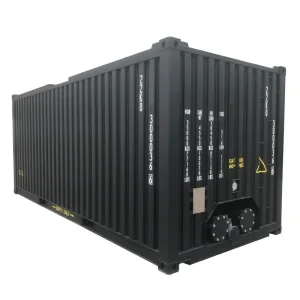
20 Feet Thermal Heated Bitumen & Asphalt Shipping Container for Uzbekistan Highway Expansion
Explore Specifications
Macro-Industrial Landscape
The Strategic Imperative of Insulated Logistics in Uzbekistan
Analyzing structural demand shifts across Central Asia's fastest-growing double-landlocked economy and trade crossroads.
Industrial Transformation Context: As Uzbekistan aggressively advances its "Uzbekistan 2030" industrialization strategy, the nation is undergoing an infrastructure renaissance. Positioned at the geographical heart of Central Asia, Uzbekistan serves as the linchpin for both the Trans-Caspian International Transport Route (Middle Corridor) and North-South logistics transit lanes. However, being a double-landlocked state characterized by an extreme arid-continental climate, the movement of sensitive cargo—such as fresh horticultural produce, biological pharmaceuticals, and specialized chemical resins—confronts an acute hurdle: thermal breach during transcontinental rail-and-road dwell cycles.
68.4%
Annual Agro-Export Surge via Modernized Cold Corridors
-25° to +48°C
Operational Ambient Temperature Tolerance Envelope
< 0.35 W/m²K
Thermal K-Value of Heavy Cyclopentane Polyurethane Insulation
15,000+ km
Intermodal Silk Road Continuous Thermal Integrity Rating
Agro-Industrial Value Chain
The Fergana Valley, Surxondaryo, and Samarkand generate millions of metric tons of cherries, apricots, pomegranates, and table grapes destined for Russia, China, the EU, and the Gulf. Passive insulated containers and thickened-wall foam enclosures drastically reduce post-harvest losses from farm-gate to international border consolidation centers.
Pharmaceutical & Vaccine Cold Security
Uzbekistan's domestic healthcare development mandates strict compliance with Good Distribution Practice (GDP). Insulated containers act as non-powered thermal fortresses, preserving strict 2°C to 8°C and 15°C to 25°C windows for sensitive vaccines and critical reagents during regional multi-modal transfers without dependency on grid connectivity.
Chemical & Construction Commodities
From Navoi's chemical clusters to the massive civil engineering expansion in New Tashkent, specialized temperature-regulated containers ensure hot-mix bitumen, liquid asphalt, specialized polymers, and epoxies do not solidify, separate, or undergo molecular degradation during lengthy multi-leg railway shunting.
Engineering & Material Science
Macro Architectural Solutions: Thermal Enclosure Metallurgy
How our heavy-gauge engineering overcomes extreme desert thermal radiation and permafrost sub-zero conditions across Eurasian rail networks.
| Engineering Dimension | Standard Shipping Container | CIMIC Thickened Foam Insulated Container | Operational Benefit in Uzbekistan |
|---|---|---|---|
| Insulation Matrix | Uninsulated Corrugated Corten (0 mm) | 75mm - 120mm High-Pressure Injected Cyclopentane PUR/PIR | Eliminates internal thermal bridging across the Kyzylkum desert |
| Heat Transfer Coefficient (K-Value) | > 5.5 W/(m²·K) (Uncontrolled) | ≤ 0.32 W/(m²·K) (Meets strict ATP Class FRC benchmarks) | Maintains stable cargo core temperature for 72+ hours without power |
| Structural Core Steel | Standard Mild Steel (Q235) | Weather-Resistant Corten-A (SPA-H) Anti-Corrosive Alloy | Resists intense saline dust storms and alkaline soil corrosion in Karakalpakstan |
| Interior Cladding | Marine Plywood / Bare Steel | Food-Grade SUS304 Stainless Steel or High-Impact HG FRP | Steam-washable, pathogen-resistant, fully compliant with Halal & ISO 22000 |
| Door Gasket Seal Architecture | Single-lip EPDM Rubber | Multi-Chambered 5-Fold EPDM with Internal Thermal Barrier Strip | Guarantees hermetic sealing against hot sand particulate and air infiltration |
Regional Compliance & Support
Uzbekistan Localization, GOST Alignment & Intermodal Certification
Seamless customs clearance, rail compatibility, and operational support engineered for Central Asian supply systems.
GOST-R & O'zstandart Compatibility
Every insulated container manufactured for the Uzbek market is built to fully satisfy regional GOST technical regulations, sanitary-epidemiological standards, and the customs requirements of the State Customs Committee of the Republic of Uzbekistan.
UTY (Uzbekistan Temir Yollari) Railway Ready
All units feature reinforced corner castings, bottom side rails, and structural crossmembers designed to absorb longitudinal dynamic shock loads encountered during 1520 mm broad-gauge rail shunting across the Central Asian rail grid.
Direct Delivery to Free Economic Zones (FEZ)
Our strategic staging points in Tianjin and Suzhou enable direct multimodal rail transit through the Khorgos / Alashankou gateways straight into Navoi FEZ, Angren FEZ, and Tashkent logistics hubs with comprehensive DDP/DAP options.
Innovation Trajectory
Technology Roadmap: Next-Generation Cold-Chain Engineering
Bridging mechanical thermal retention with satellite intelligence and low-carbon insulation science for Silk Road operators.
Phase 1: Present Deployment
Ultra-High Density VIP (Vacuum Insulation Panels) Hybridization
Integrating aerogel and VIP layers within structural wall cavities to achieve up to 30% higher volumetric cargo capacity while reducing thermal wall thickness to 65mm without compromising ATP FRC thermal certifications.
Phase 2: Near-Term Expansion
Autonomous Telematics & Dual-Satellite Tracking
Deploying solar-powered, intrinsically safe GPS/GLONASS/BeiDou transponders with multi-point interior wireless thermal and humidity sensors, giving freight forwarders real-time visibility through the Karakum and Kyzylkum rail blind zones.
Phase 3: Future Outlook
Phase Change Material (PCM) Passive Cooling Integration
Engineering latent-heat storage PCM ceiling cassettes capable of absorbing peak midday ambient heat loads (+45°C) and releasing stored thermal energy overnight, enabling zero-fuel, 10-day cross-Eurasian transport of perishables.
Technical Clarifications
Frequently Asked Questions on Sourcing Insulated Containers for Uzbekistan
Detailed engineering, operational, and commercial insights for supply chain managers, agro-exporters, and project contractors.
What is the fundamental difference between an insulated container and a refrigerated (reefer) container?
An insulated container (often termed a passive thermal container) relies on dense, thermal-retentive wall panels—such as high-pressure injected polyurethane (PUR/PIR) foam—to prevent heat exchange between inside and outside environments without a mechanical compressor unit. A refrigerated (reefer) container, on the other hand, includes an active, powered refrigeration unit (such as Thermo King, Carrier, or Daikin) requiring diesel generators or 380V/440V electrical plug-in infrastructure. For rail routes through Central Asia where continuous power supply can be unreliable or cost-prohibitive, heavily insulated containers loaded with pre-cooled cargo or dry ice provide dependable, maintenance-free temperature protection.
Can your insulated containers withstand prolonged exposure to Uzbekistan's severe desert heat and winter frost?
Yes. Our containers are purpose-built for the extreme continental thermal swings common in regions like Bukhara, Navoi, and Nukus. The exterior shell is constructed from anti-corrosive SPA-H Corten steel coated with heavy zinc-rich epoxy primers and aliphatic polyurethane topcoats that reflect solar UV radiation. Internally, our closed-cell cyclopentane-blown polyurethane foam retains its dimensional stability and thermal resistance across an operating envelope of -40°C to +70°C without panel delamination or degradation.
How do you handle shipping and delivery to Tashkent, Samarkand, or other Uzbek transit nodes?
Located just 100 km from major shipping hubs in Tianjin and operating advanced facilities in Suzhou, we coordinate rail shipments along the China-Central Asia intermodal express lines (via Khorgos / Dostyk gateways directly into Chukursay, Tashkent, and other major UTY rail freight stations). We provide flexible incoterms including FOB Chinese ports, DAP Uzbek border stations, or DDP directly to your designated industrial park or inland logistics warehouse.
What certifications are provided for international maritime and rail operations?
Every container leaves our manufacturing floor accompanied by an internationally recognized Bureau Veritas (BV), ABS, or CCS classification society safety certificate, an ISO 9001 quality certificate, and a validated CSC (Convention for Safe Containers) safety approval plate. If required for perishable goods transport, thermal verification certificates under the ATP agreement can also be supplied.
Can you customize interior fittings, hanging rails, and flooring for specific cargo profiles?
Absolutely. Through our full-scope OEM/ODM engineering division, we regularly tailor internal layouts. For example, for fresh meat and poultry transport in Uzbekistan, we integrate food-grade SUS304 stainless steel hanging rail structures, overhead meat hooks, automated blood drainage troughs, and airflow-optimized extruded aluminum T-bar flooring to maximize structural hygiene and cleanability.
Complete Equipment Catalog
Specialized Shipping & Industrial Storage Containers Serving the Uzbekistan Market
Explore our full manufacturing portfolio, from modular prefabricated structures to hazardous material storage and heavy intermodal platforms.
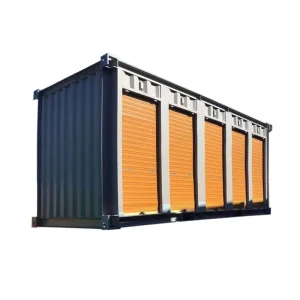
OEM New 20ft Storage Roll-Up Door Dry Cargo Container for Uzbekistan Urban Distribution
Explore Specifications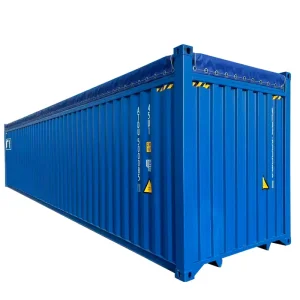
40ft High-Cube New Soft Open Top Shipping Container with Tarpaulin for Uzbekistan Heavy Machinery
Explore Specifications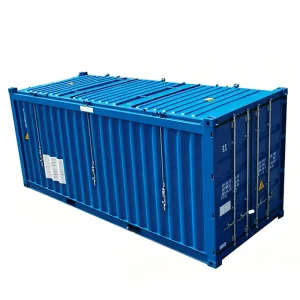
20ft New Hard Open Top Heavy Bulk Mineral Shipping Container for Uzbekistan Industrial Mines
Explore Specifications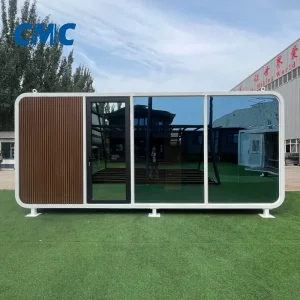
Famous 20ft Prefab Insulated Container House & Modular Office Pod for Uzbekistan Field Camps
Explore Specifications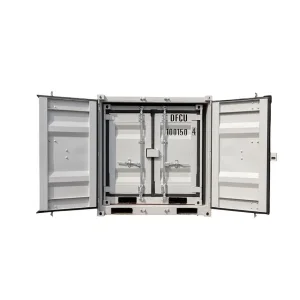
High-Quality Mini Storage Nested Shipping Containers (4ft to 12ft) for Central Asian Regional Warehouses
Explore Specifications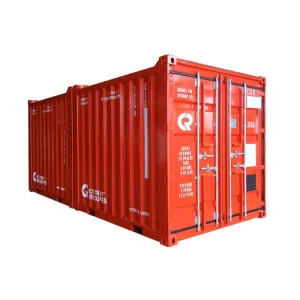
Heavy DNV Certification Certified Dry Cargo Container for Severe Industrial & Rig Operations
Explore Specifications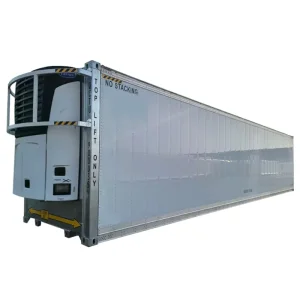
Carrier X4-7300 Integrated Power Refrigeration Container for Cross-Uzbekistan Cold Corridors
Explore Specifications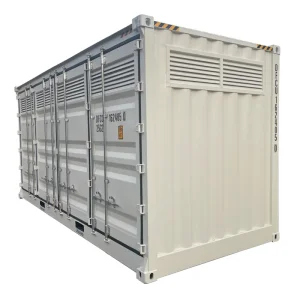
20FT High-Cube Dangerous Goods Side Open Container with Ventilation for Uzbekistan Chemical Sites
Explore SpecificationsScale Your Central Asian Cold Chain & Logistics Infrastructure
Consult with our container engineering specialists today to receive full manufacturing blueprints, thermal performance calculations, and direct factory pricing delivered to Tashkent, Samarkand, Navoi, and beyond.