
Buy Used Dry Container Product & Factories in Portugal
Comprehensive B2B Procurement Intelligence: Integrating Chinese Intermodal Manufacturing Capacities with Sines, Leixões, and Lisbon Port Distribution Networks.
Primary Intermodal Dry & Special Units Ready for Delivery
Direct factory supply chain inventory and certified pre-owned intermodal dry shipping assets certified under ISO 1496-1 and Cargo Worthy (CW) criteria.
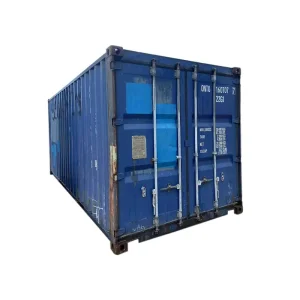
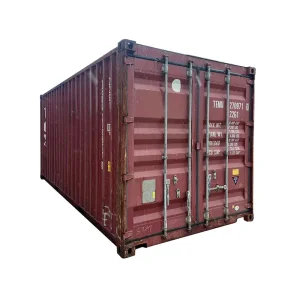
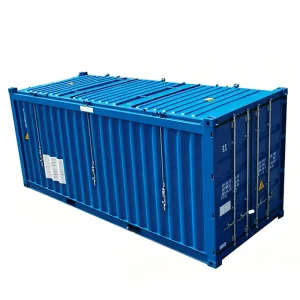
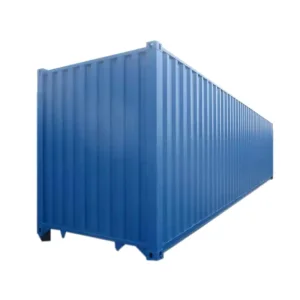
Used Dry Containers in Portugal: Market Dynamic & Port Realities
Portugal's geographic position makes it the premier Atlantic gateway into the European Union. However, structural container imbalances between imports and exports create unique challenges and procurement advantages for industrial buyers across the Iberian peninsula.
Port of Sines Deepwater Hub
As the primary deepwater transshipment terminal in Portugal capable of receiving Ultra Large Container Ships (ULCS), Sines generates a vast circulating volume of pre-owned 20ft and 40ft dry boxes.
- Continuous influx of post-lease intermodal equipment
- Direct rail corridors linking Sines to Madrid and interior Spain
- High demand for Cargo Worthy (CW) and Wind and Water Tight (WWT) grades
Northern Industrial Corridor (Leixões & Porto)
Leixões serves Portugal’s industrial heartland, where manufacturers of textiles, cork, ceramics, and machinery require secondary storage and multi-trip shipping assets to optimize overhead.
- High requirement for dense loading 20GP containers
- Shortage of certified wind-and-watertight storage units locally
- Demand for one-way direct repositions from Chinese origins
Lisbon Hinterland Logistics
The Lisbon metropolitan region suffers from terminal yard congestion and rising land costs, driving demand for flexible, secure, on-site storage solutions based on standardized Corten steel modules.
- Construction site office and tool locker deployments
- Renewable energy battery storage housing conversions
- Agribusiness temporary staging during harvest cycles
Global Supply Chains & China Manufacturing Synergies
Procuring shipping containers directly from Chinese industrial manufacturers—like CIMIC—solves critical procurement bottlenecks in local markets like Portugal by leveraging manufacturing density, strict metalworking standards, and integrated empty-box positioning.
Global Equipment Arbitrage
Pre-owned container prices fluctuate drastically depending on global shipping alliance carrier routing. In Portugal, secondary market brokers often add markups between 35% and 60% on used stock. By directly integrating with Chinese factory hubs:
- Factory Repositioning: We load one-way commercial freight directly from China to Lisbon/Leixões, effectively zeroing maritime repositioning freight.
- Grading Integrity: Inspection protocols comply directly with IICL-5 (Institute of International Container Lessors) criteria rather than ambiguous local descriptions.
- Structural Warranties: Full traceability on Corten-A weather-resistant steel and flooring load-bearing tolerances.
The Chinese Manufacturing Efficiency Advantage
Tianjin and Suzhou manufacturing corridors represent over 90% of global container capacity. The vertical integration from raw blast furnace coil to finished marine container offers unparalleled engineering reliability:
- Automated Shot Blasting: High-grade SA 2.5 robotic steel surface cleaning and zinc-rich primer coating.
- Continuous Quality Verification: BV (Bureau Veritas), DNV, and ISO certified production line audits.
- Modular Customization: Ability to deliver customized door locations, rollup assemblies, and side-opening panels directly from the production facility.
Technical Grading Criteria: Used Dry Containers
Ensure your technical procurement team accurately assesses container integrity before dispatch to Portuguese job sites or intermodal freight corridors.
| Inspection Parameter | IICL-6 / Factory Grade (New) | Cargo Worthy (CW) | Wind & Water Tight (WWT) | As-Is / Scrap |
|---|---|---|---|---|
| Corten-A Steel Integrity | Zero corrosion; original zinc-primer | Surface rust only; structural crossmembers intact | Localized oxidation; non-structural panel patch | Deep delamination & structural thinning |
| Door Gaskets & Hardware | EPDM dual-lip hermetic seal; 100% true | Seals weather-tight; locking bars straight | Operational seals; minor deformation | Perished rubber; seized locking handles |
| Flooring System | 28mm apitong hardwood; zero oil stains | Minor gouges (<5mm); load capacity rated | Patched plywood or steel plate reinforcement | Rotten plywood; unsupported floor joists |
| CSC Safety Plate | Valid 5 Years | Recertified (12-24 Mo) | Expired (Storage Only) | Void / Plate Removed |
| Best Portuguese Deployment | Intermodal sea-rail export fleets | Atlantic freight & secure machinery storage | On-site construction & agricultural depots | Not recommended for structural utilization |
Engineering Application Scenarios Across Portugal
How Portuguese enterprises across construction, wine production, renewable energy, and coastal infrastructure leverage used dry cargo containers.
Alentejo & Douro Agribusiness Storage
Portugal’s extensive wine and olive oil operations require modular, temperature-buffering field storage during high-volume harvest seasons. Standard 20ft and 40ft dry containers are insulated or adapted for secure pesticide, barrel, and equipment housing.
Solar & Green Hydrogen Enclosures
Portugal is a pioneer in solar utility installations in the southern regions. Retired dry shipping containers provide cost-effective, durable housings for utility-scale battery energy storage systems (BESS), inverters, and switchgear gear modules.
Urban Regeneration & Modular Housing
Faced with urban housing pressures in Lisbon and Porto, Portuguese developers turn to structurally sound used 40HC dry containers as the primary structural frame for student modular housing, creative hubs, and pop-up retail pods.
Frequently Asked Technical & Logistics Questions
Key facts regarding maritime classification, import customs clearance, and container longevity in Portugal's coastal environment.
What is the difference between Cargo Worthy (CW) and Wind & Water Tight (WWT) in Portugal?
How can Portuguese companies import containers directly from Chinese factories efficiently?
How does Portugal's Atlantic marine climate affect used container lifespan?
What customs tariffs and EU VAT rules apply when importing containers into Portugal?
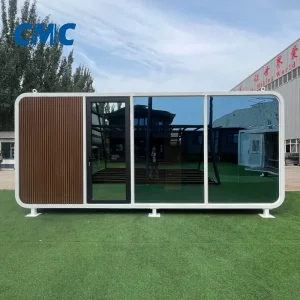
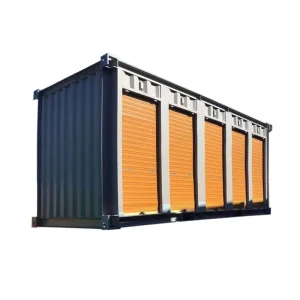
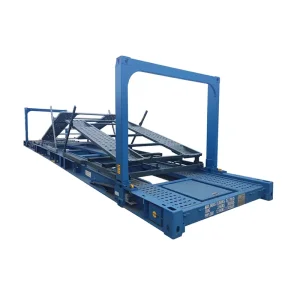
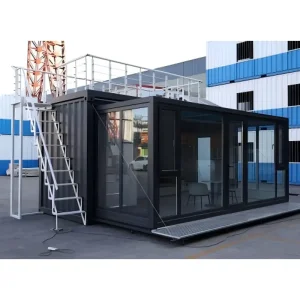
Specialized Modular, Tank & Custom Intermodal Configurations
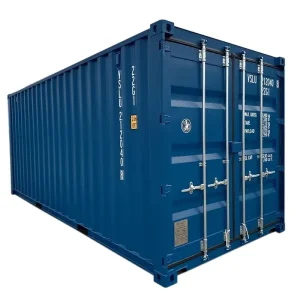
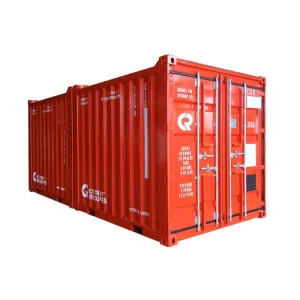
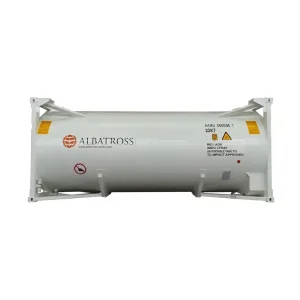
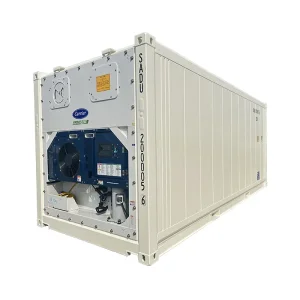
Explore our full line of specialized containers, DNV-certified offshore solutions, ISO tanks, and pre-engineered modular structures ready for Portuguese deployment.
Secure Reliable Container Assets for Portuguese Operations
Direct factory-to-port logistics scheduling, BV/ISO certified standard inspections, and guaranteed transparent condition grading for enterprise fleet operators and local contractors.