
Offshore / DNV
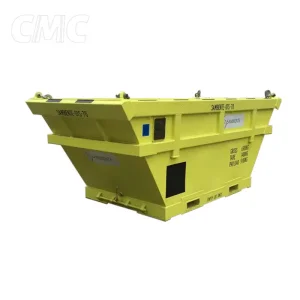
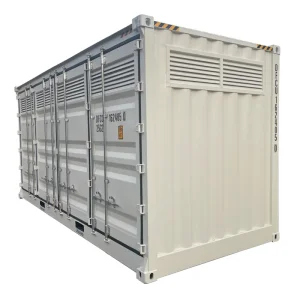
Offshore Marine DNV Silt Basket Container (Ravenna / Adriatic Spec)
- Certification: DNV 2.7-1 / EN 12079
- Service: Offshore Logistics
- Coating: C5-M Marine Anti-Corrosion
Engineered cold chain infrastructure compliant with EU F-Gas regulations, ATP (FRC) certifications, and GDP protocols for Mediterranean agricultural, chemical, and biopharmaceutical export corridors.
Precision-machined, thermally decoupled marine reefers engineered for intense multimodal transit via Italian seaports (Genoa, Trieste, Gioia Tauro) and trans-Alpine rail corridors.
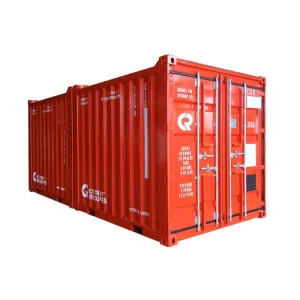
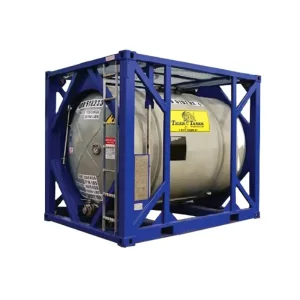
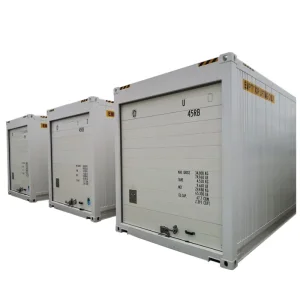
Italy represents one of Europe's most intricate and demanding temperature-controlled logistics theaters. With over 7,500 kilometers of coastline, strategic Mediterranean transshipment hubs, and high-density industrial corridors in Lombardy, Emilia-Romagna, and Veneto, procurement managers require reefer equipment built for high thermal stress, rapid turnover, and regulatory rigor.
Key maritime gateways including Genoa, La Spezia, Livorno, Trieste, and Gioia Tauro face seasonal bottlenecks where containers transition between deep-sea vessels and inland rail ramps. High ambient summer temperatures (>38°C) in Southern Italy mandate reefer insulation coefficients (K-factor below 0.35 W/m²K) to prevent cargo spoil and compressor burnout during yard storage.
Italian food exports exceed €64 billion annually, headlined by Prosciutto di Parma, Grana Padano, mozzarella di bufala, and Mediterranean fresh produce. These items require pinpoint moisture balance, ultra-clean stainless steel / food-grade interior liners, and micro-aerated T-bar decking to avoid condensation rot or surface dehydration during transit to the US, Middle East, and Asia.
Centering in Lombardy and Lazio, Italy stands as one of the European Union's premier pharmaceutical producers. High-value biologic therapeutics, oncology drugs, and active pharmaceutical ingredients (APIs) require strict Good Distribution Practice (GDP) validation with redundant cooling circuits, thermal mapping certifications, and uninterruptible IoT tracking across Brenner rail passes.
Modern enterprise logistics directors are moving away from treating refrigerated containers as basic steel boxes. Today, a reefer is an integrated thermodynamic computing terminal designed for decarbonized intermodal networks, predictive servicing, and total lifecycle optimization.
Under EU Regulation (EU) 2024/573 on fluorinated greenhouse gases, shipping lines and Italian fleet operators face strict quotas on high-GWP hydrofluorocarbons (HFCs). Enterprise procurement mandates transition to alternative refrigerants such as R-452A, R-513A, and natural CO2 (R-744). Equipment must feature high-efficiency variable-speed scroll compressors and brushless DC fans capable of cutting energy consumption by up to 35% on transatlantic voyages.
Cold chain visibility without manual intervention has become standard. Global buyers targeting Italian ports require units outfitted with factory-integrated IoT modems (supporting 4G/5G, BLE, and satellite fallback). Parameters tracked every 15 minutes include return and supply air temperature, humidity, CO2/O2 levels, power anomalies, defrost cycles, and exact GPS coordinates with automated geofencing at border terminals.
Moving cargo from Italian manufacturing centers across Switzerland or Austria into Germany (via the Gotthard or Brenner bases) exposes reefers to repeated g-forces, tunnel aerodynamic pressure shocks, and multi-modal crane lifts. Procured reefers must carry reinforced corner castings (ISO 1161), high-yield Corten steel base frames (SPA-H), and anti-racking structural reinforcement exceeding standard ISO 1496-2 tests.
European logistics operators look far beyond initial purchase quotes. Over a 15-year lifecycle, electricity consumption accounts for over 60% of total reefer expenditures. Enterprise buyers scrutinize thermal leakage ratings, vacuum insulation panel (VIP) integration, foaming density (over 45 kg/m³ cyclopenthane PU), and compressor warranty coverage backed by nationwide technical support.
Compare standardized parameters across our core container variants deployed across Italian Mediterranean maritime, inland dry port (Interporti), and intermodal rail operations.
| Container Model & Type | Dimensions (Ext. L×W×H) | Volume / Floor Area | Thermal & Power Rating | Key Certifications | Target Italian Industry |
|---|---|---|---|---|---|
|
20ft ISO Standard Reefer Dense cargo / Regional distribution |
6,058 × 2,438 × 2,591 mm | 28.3 m³ / 13.9 m² |
-30°C to +30°C Carrier ThinLINE / Daikin LXE |
ATP (FRC) ISO 1496-2 | Seafood, Parma charcuterie, small batch biological APIs |
|
40ft High-Cube Marine Reefer Volumetric intercontinental trade |
12,192 × 2,438 × 2,896 mm | 67.6 m³ / 28.3 m² |
-35°C to +30°C Thermo King Magnum Plus |
ATP (FRC) CE / Bureau Veritas | Fresh citrus (Sicily), Kiwi/Stone Fruit, Wine, Dairy |
|
40ft Ultra-Deep Freezer (-60°C) Cryogenic / Biological tier |
12,192 × 2,438 × 2,896 mm | 61.2 m³ / 26.5 m² |
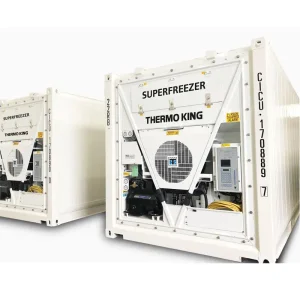
-60°C Superfreeze Dual Compressor Cascade R-404A/R-23 |
EU GDP DNV / BV | Sashimi grade Bluefin tuna, blood plasma, clinical mRNA |
|
Controlled Atmosphere (CA) Reefer Gas composition regulation |
12,192 × 2,438 × 2,896 mm | 66.8 m³ / 28.0 m² |
O2: 1-10% | CO2: 0-25% Active Gas Flush System |
HACCP ATP Class FRC | Long-transit apple exports (Trentino-Alto Adige), Pears |
|
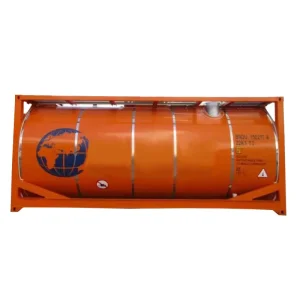
DNV 2.7-1 Offshore Silt/Tank Heavy offshore & petrochemical |
Customized (10ft / 20ft / Baskets) | Varies by mechanical design |
Severe Marine C5-M Explosion-proof ATEX option |
DNV 2.7-1 EN 12079 | Adriatic / Sicilian offshore energy & rig engineering |
Our technical engineering division customizes door configurations (dual-swing, roll-up shutter, pallet-wide profiles), floor ducting depths, and internal partitioning for multi-temperature logistics.
Entering Italian and pan-European markets without rigorous certification exposes operators to administrative impoundment, voided cargo insurance policies, and catastrophic cold chain losses. Our factory production follows a strictly audited quality governance regime.
Under the United Nations Agreement on the International Carriage of Perishable Foodstuffs (ATP), units intended for perishable cross-border movement across Italy, France, and Switzerland must hold FRC verification (Heavily Insulated Mechanically Refrigerated Container, maintaining -20°C in +30°C ambient temperatures). We conduct full calorimetric tunnel tests prior to dispatch.
Our container structures and pressure vessels undergo comprehensive verification by leading international survey bodies, including Bureau Veritas (BV), RINA (Registro Italiano Navale), Lloyd’s Register (LR), and Det Norske Veritas (DNV). Every container carries an authentic CSC (Convention for Safe Containers) safety plate and customs sealing validation.
Interior walls are crafted from continuous seamless grade 304 food-grade stainless steel or thermoplastic composite sheeting compliant with EU Regulation (EC) No 1935/2004 on materials intended to come into contact with food. Resistant to acidic citrus juices and rigorous chemical steam cleaning protocols between cargo turns.
CIMIC's research and manufacturing facilities continue to pioneer thermodynamic and materials innovations tailored to Europe’s ambitious "Fit for 55" climate legislation and green transport corridors.
Replacing standard polyurethane foam with composite panels embedded with micro-porous silica aerogel and vacuum insulation panels (VIP). This innovation reduces sidewall thickness by 22% while increasing internal volumetric loading space without losing insulating thermal resistance.
Ultra-thin, high-impact flexible monocrystalline solar arrays mounted onto the container roof corrugations. These solar collectors power internal telemetry, micro-ventilation fans, and keep refrigeration backup batteries charged indefinitely while awaiting rail shunting at Italian dry ports.
Onboard machine-learning controllers that dynamically modulate defrost frequency and compressor cycling according to ambient weather forecasts along Mediterranean shipping routes. This minimizes thermal cycling spikes and prolongs delicate crop shelf life by up to 5 days.
Direct engineering and commercial answers addressing procurement, customs clearance, electrical compatibility, and warranties for Italian and European intermodal operations.
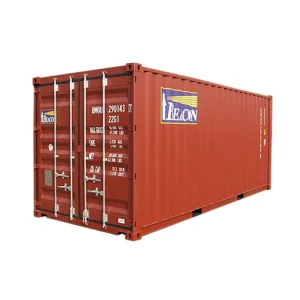
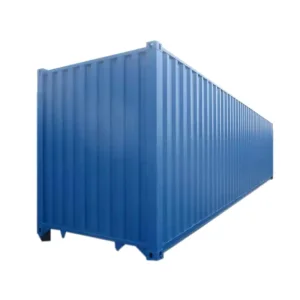
In addition to thermal reefer assets, explore our full portfolio of high-strength intermodal units designed for industrial freight across Italian rail corridors, maritime lanes, and overland logistics terminals.
Direct factory pricing, custom technical drafting within 24 hours, and guaranteed shipping slots to Genoa, Trieste, Naples, or Venice. Let us power your intermodal cold chain with proven durability.