
High-Priority Intermodal & Refrigerated Units for New York
Pre-engineered configurations ready for port deployment at Port Newark / Elizabeth Marine Terminal and cross-docking operations in Brooklyn and Queens.
-
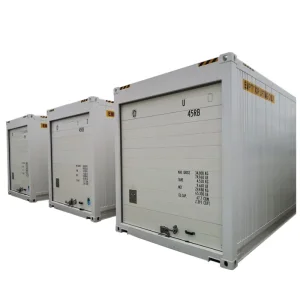
New York Ready 40ft High-Cube Roll Up Reefer Container
View Technical Specifications -
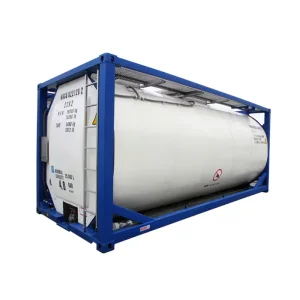
New York Metro ISO Standard 20ft Chemical & Fluid Tank Container
View Technical Specifications -
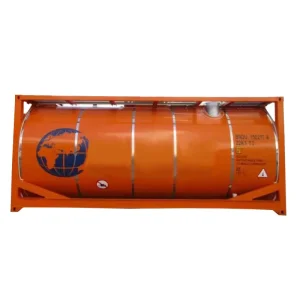
New York Regional 20 Foot ISO Liquid Tank Container
View Technical Specifications -
New York Tri-State Custom 40ft High-Cube Roll Up Reefer Container
View Technical Specifications
Commercial & Industrial Realities in New York's Cold Chain Logistics
The Greater New York Metropolitan Area, encompassing over 20 million consumers across New York City, Long Island, Northern New Jersey, and Westchester County, represents one of the densest and most logistically demanding temperature-controlled distribution ecosystems globally. At the heart of this urban distribution network is the Hunt's Point Food Distribution Center in the Bronx—which handles more than 60% of NYC's produce and vast quantities of meats and seafood. Traditional dual-swing container doors, while ideal for ocean passage, present substantial logistical bottlenecks in New York's congested urban micro-hubs, off-street loading docks, and limited-clearance staging facilities.
Why Roll-up Doors are Crucial in New York: Standard ISO refrigerated containers require a clearance radius of 8 to 9 feet behind the chassis to fully swing and secure cargo doors. In high-density loading zones like Brooklyn Navy Yard, Long Island City cross-docks, and Manhattan hotel commissary basements, this clearance simply does not exist. Roll-up doors (overhead sectional or rolling aluminum/insulated shutter systems) eliminate the footprint penalty entirely, allowing direct back-in to sealed dock bumpers without requiring drivers to exit the cab prematurely to swing open doors onto congested public streets.
Zero Clearance Docking
Roll-up overhead architectural engineering allows trucks to back up directly against New York warehouse seals without opening doors on city streets.
Thermal Cycle Retention
Multi-rib extruded polyurethane thermal barriers limit BTUs lost during frequent multi-drop cycle unloading common in Manhattan retail delivery.
NYC Fire & Safety Compliance
Engineered to align with FDNY and regional Port Authority fire safety mandates, integrated with non-combustible insulation and pressure valves.
Technical Metric Breakdown: Traditional Swing vs. Insulated Roll-Up Reefer
| Engineering Attribute | Traditional Swing Door Reefer (40ft HC) | Roll-Up Door Reefer Container (CIMIC Custom) | New York Market Operational Advantage |
|---|---|---|---|
| Dock Clearance Footprint | 2.6 – 2.9 meters rear swing radius | 0.0 meters (Vertical Retraction) | Maximizes limited bay space in Long Island City & NJ docks |
| Multi-Drop Air Infiltration | High (Full aperture opening required) | Controlled (Adjustable aperture heights) | Maintains strict FDA Food Safety Modernization Act (FSMA) temp rules |
| Dock Cycle Speed | ~4.5 min per positioning routine | < 45 seconds to direct dock | Reduces terminal dwell times and avoid NYC idling penalties |
| Insulation Thermal Break | Continuous silicone perimeter gasket | EPDM bulb seals + insulated inter-panel hinges | Engineered thermal envelope preventing condensation in summer humidity |
| Refrigeration Compatibility | Carrier / Thermo King / Daikin standard | Integrated with Carrier Transicold / Thermo King | Readily serviced by regional certified diesel/electric technicians |
Global Industry Trends & Chinese Factory Efficiency Synergy
How state-of-the-art manufacturing automation in China bridges the price-performance gap for US fleet operators and cold storage developers.
Global cold chains are experiencing structural expansion propelled by bio-pharmaceutical cold chains, fresh grocery eCommerce, and localized strategic reserve storage. However, procurement officers in New York face substantial supply-side inflation, extended lead times from domestic bodybuilders, and inconsistent structural durability. This is where advanced Chinese manufacturing infrastructures deliver unmatched information gain and tangible procurement advantages.
By combining automated continuous laser welding lines, robotic polyurethane high-pressure foaming chambers, and strict automated thermal dissipation tests, Chinese facilities produce specialized roll-up reefer boxes with tighter tolerances, higher structural rigidity, and significantly lower lifecycle maintenance requirements. Because our operating plants in Tianjin and Suzhou are within 100 km of primary export harbors, freight staging to New York's ports (Red Hook Container Terminal, Port Newark) is seamless, cost-effective, and backed by full BV (Bureau Veritas) certification and ISO 9001:2015 tracking.
Localized Applications Across the New York Regional Grid
Engineered flexibility designed to resolve extreme urban density challenges and regional regulatory constraints.
Hunts Point Wholesale Distribution Hubs
Continuous loading and offloading of produce and seafood without blocking critical fire lanes and tight yard pathways in Bronx facilities.
Manhattan & Brooklyn Ghost Kitchens
Modularized cold storage footprints installed in tight urban alleyways, subterranean docking bays, or outdoor parking stalls with zero swing-radius footprint.
Tri-State Bio-Pharma Cold Storage (NJ/NY Corridor)
Strict +/- 0.5°C temperature management for active pharmaceutical ingredients (APIs) and biologic materials needing reliable micro-environment hold rooms.
Frequently Asked Questions: Purchasing & Deploying in New York
Addressing engineering specifications, port logistics, custom configurations, and cost structures.
Why are roll-up door reefers preferred over dual swing doors in New York City?
Roll-up doors roll upward into the ceiling cavity, requiring zero exterior swing radius. In urban centers like NYC, loading bays in areas such as Manhattan, Brooklyn, and Queens are exceptionally compact. Conventional swing doors require 8–9 feet of clearance and necessitate drivers exiting vehicles in high-traffic roadways. Roll-up doors enable direct dock-sealing, improve urban safety, accelerate loading, and reduce heat ingress.
How does the insulation performance of a roll-up reefer compare to standard reefers?
While traditional continuous sandwich panels offer slightly higher baseline static R-values, our custom roll-up doors use patented interlocking insulated slats with dual thermal breaks and heavy-duty triple EPDM automotive-grade edge seals. This maintains an internal temperature differential capable of deep-freeze operations down to -25°C (-13°F) even in peak New York summer humidity.
Which refrigeration units are compatible with your roll-up containers?
Our structural shells are pre-machined to mount all major Tier-1 refrigeration units, specifically Carrier Transicold (ThinLINE, PrimeLINE), Thermo King (Magnum Plus), and Daikin LXE series. We also offer dual-power integrated diesel generator setups for auxiliary off-grid cold staging.
What are the lead times and shipping routes to the Port of New York & New Jersey?
Standard OEM production lead times range between 20 to 35 business days depending on order size and customization level. Sea transit from our Tianjin or Shanghai terminals to Port Newark / Elizabeth Marine Terminal averages 28 to 35 days via all-water routes through the Panama Canal, with expedited direct discharge options available.
Can these containers be certified for both domestic intermodal rail and ocean shipping?
Yes. Every container comes with valid CSC (International Convention for Safe Containers) safety approval plates, ISO certification, and classification Society paperwork (Bureau Veritas or equivalent), ensuring full compliance across maritime, CSX/Norfolk Southern rail lines, and road chassis hauling.
Comprehensive Shipping & Specialized Temperature Solutions
Review additional engineering models, specialized generator reefers, modular shelters, and industrial cargo units.
-
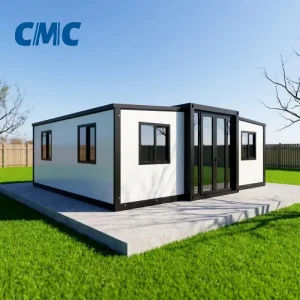
New York Modular 20ft Expandable Insulated Container Structure
View Technical Specifications -
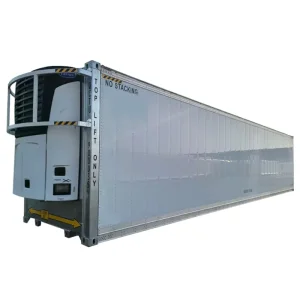
New York Ready Carrier X4-7300 Refrigeration Integrated Container
View Technical Specifications -
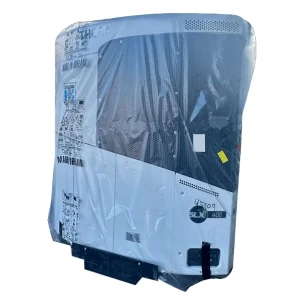
Thermo King SLXi Mobile Reefer Cooling Trailer Unit
View Technical Specifications -
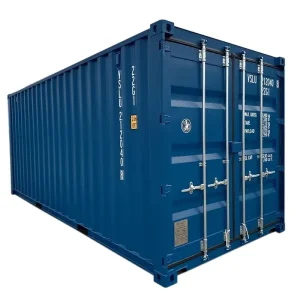
New York Dual-Access 20ft Double Door Dry Cargo Container
View Technical Specifications -
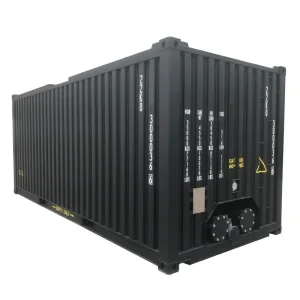
Heavy Duty 20ft Heated Industrial Asphalt Shipping Container
View Technical Specifications -
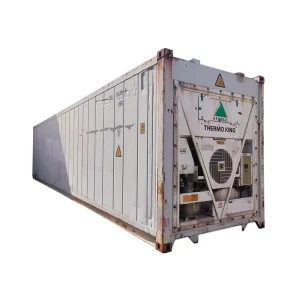
New York Cold Logistics ODM 40ft Refrigerated Deep Freezer Container
View Technical Specifications -
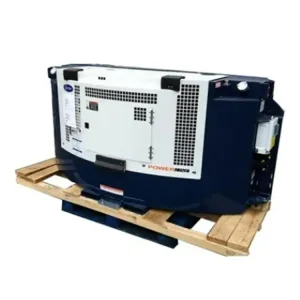
Reefer Container Heavy-Duty Undermount Diesel Generator (Genset)
View Technical Specifications -
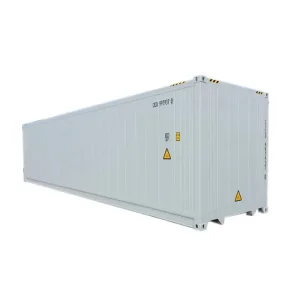
New York High Cube Thickened Foam Ultra-Insulated 40ft Container
View Technical Specifications
Need Custom Roll-Up Reefer Units for the New York Metro Area?
Our engineering group prepares CAD drawings, thermal barrier calculations, and complete port-delivered (CIF Newark / New York) cost quotes within 24 hours.