
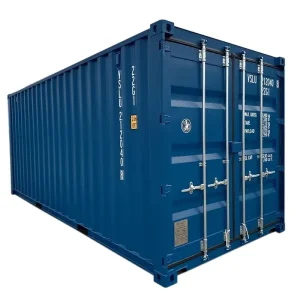
Multi-Modal Logistics
Heavy-duty shipping and storage containers fully surveyed to CSC and ISO specifications, calibrated for intermodal transit between Chinese manufacturing centers and Indian terminal nodes.
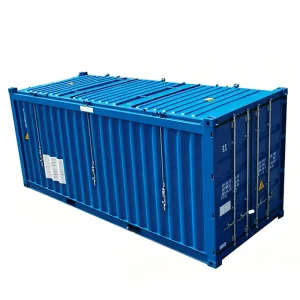
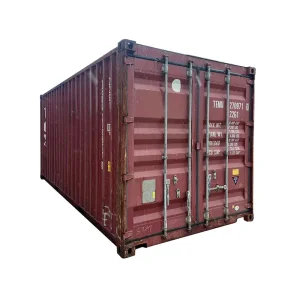
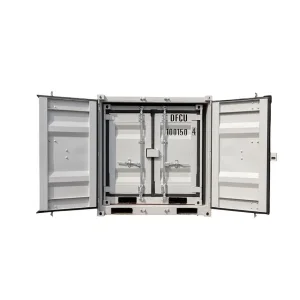
An economic imperative driven by chemical manufacturing growth, petrochemical corridors, and intermodal modernization across Gujarat, Maharashtra, and Andhra Pradesh.
India is experiencing an unprecedented expansion in specialty chemicals, active pharmaceutical ingredients (APIs), agrochemicals, and refined petrochemical downstream products. With the national initiative to position the subcontinent as an alternative global manufacturing hub, the domestic and export transit of hazardous and non-hazardous bulk liquids has created massive friction against legacy transport modes such as traditional 200-liter MS drums and non-standard road tankers (bowsers).
The transition toward used ISO tank containers (UN Portable Tanks meeting ISO 1496-3 standards) offers Indian chemical aggregators, third-party logistics providers (3PLs), and industrial plants a strategic equilibrium: immediate asset availability, drastically reduced capital expenditure (CapEx), and guaranteed structural compliance with international maritime (IMDG), railway (RID), and domestic road (ADR) conventions. Procuring certified second-hand T11 and T14 tank containers allows fleet operators to bypass 16 to 24-week factory backlogs while securing high-grade 316L stainless steel pressure vessels capable of another 15 to 20 years of continuous service.
How certified used tank containers solve distinct operational bottlenecks across major Indian industrial ecosystems.
The Dahej PCPIR, Ankleshwar, Vapi, and Taloja chemical belts generate constant demand for Class 3, 6.1, and 8 corrosive cargo. Used T11 tank containers equipped with steam heating jackets and 316L shells allow secure, temperature-monitored distribution of phenols, acrylates, and solvents without risking drum disposal contamination.
The Hyderabad (Genome Valley) and Visakhapatnam pharma hubs require sanitary handling of high-value intermediates and pure solvents. Reconditioned tanks subjected to electro-polishing and clean-in-place (CIP) protocols eliminate cross-batch residues, meeting stringent US FDA and Indian CDSCO audit criteria.
Kandla and Krishnapatnam handle millions of metric tons of imported palm oil, degummed soybean oil, and domestic castor oil. Dedicated food-grade used ISO tanks offer a sealed, nitrogen-blanketed environment preventing oxidation and acid build-up during long-distance multimodal haulage.
Detailed engineering breakdown of portable tank classes, metallurgy, discharge configurations, and pressure tolerances.
| ISO Tank Type | UN Portable Tank Code | Shell Metallurgy | Design Pressure | Discharge Type | Primary Industrial Utility |
|---|---|---|---|---|---|
| Standard Chemical Tank | T11 UN Portable | SANS 50028-7 / 1.4402 (316L) | 4.00 bar (58.0 psi) | Bottom Discharge (3-Closure) | Solvents, light corrosives, refined hydrocarbons, non-hazardous liquids |
| Hazardous Acid Tank | T14 UN Portable | Carbon Steel + PTFE / PFA Lining | 4.00 - 6.00 bar | Top Discharge Only | Hydrochloric acid, sulfuric acid, chlorinated organo-compounds |
| Pressurized Gas Tank | T50 Gas Container | High-Strength Quenched Steel | 10.0 - 34.0 bar | Liquid / Gas Phase Valves | LPG, ammonia, propane, refrigerant compounds |
| Cryogenic Liquid Tank | T75 Cryogenic | Austenitic SS Inner / CS Outer | 3.00 - 22.0 bar | Vacuum Insulated Cryo-Valves | Liquid Argon (LAR), Nitrogen (LIN), Oxygen (LOX), LNG distribution |
When selecting a used tank container for long-term fleet deployment in India, physical integrity is verified through five primary structural check-gates:
How CIMIC leverages port-proximate manufacturing facilities, automated refurbishing lines, and streamlined maritime routes to minimize lead times.
Our Tianjin and Suzhou manufacturing and refurbishing hubs sit precisely 100 km from major container terminals. This eliminates multi-leg inland transit costs in China, streamlining loading directly onto direct weekly sailings bound for Mundra, Pipavav, Nhava Sheva, and Chennai.
Every used tank container processed through our lines is inspected by international classification societies (Bureau Veritas, Lloyd’s Register, or DNV). Units ship with validated 2.5-year intermediate or 5-year periodic hydrotest certificates recognized immediately by Indian port authorities.
To drastically compress freight costs for Indian buyers, CIMIC leverages global container leasing networks to organize 'one-way revenue cargo' from China to India. Tanks travel carrying compatible, approved non-hazardous cargo, saving up to $1,800 USD per box in deadhead freight costs.
Navigating statutory requirements, customs clearance protocols, and domestic intermodal standards across Indian ports.
Operating tank containers in India demands rigorous compliance with the Petroleum and Explosives Safety Organization (PESO) under the Static and Mobile Pressure Vessels (Unfired) Rules (SMPV Rules) and Petroleum Act guidelines. When importing used ISO tank containers into maritime gateways like Nhava Sheva (JNPT) or Hazira, fleet owners must ensure that data plates accurately reflect initial hydraulic proof pressure test dates, manufacturer serial designations, and approved third-party classification marks.
Customs valuation and clearance of used containers under the Indian Customs Tariff code (typically Chapter 8609) require authenticated documentation confirming that the equipment does not represent decommissioned hazardous waste. CIMIC ensures full export documentation packages are furnished, including:
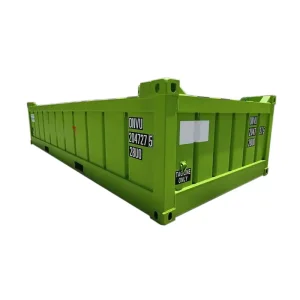
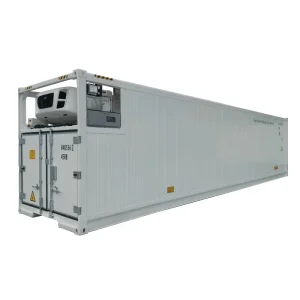
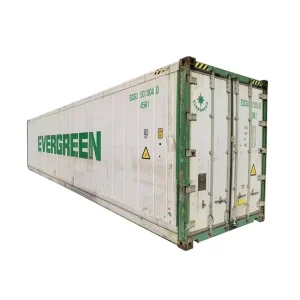
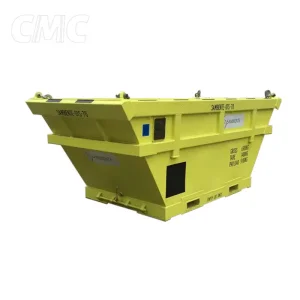
Explore our specialized fleet portfolio, supporting cold chain infrastructure, offshore energy developments, and bulk modular installations across South Asia.
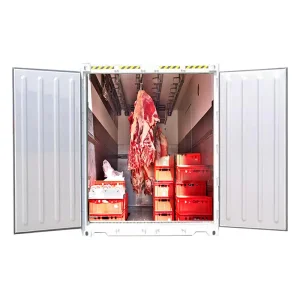
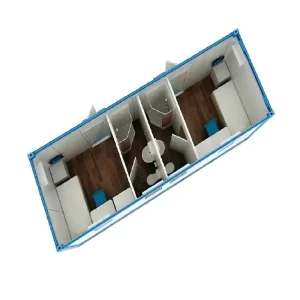
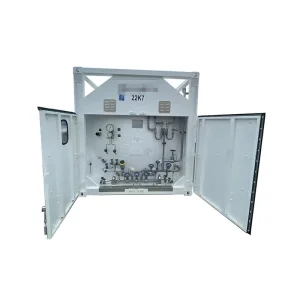
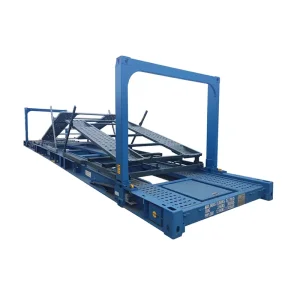
Contact CIMIC's intermodal engineering desk to access real-time depot inspection reports, hydrostatic test records, and CIF rate schedules for Nhava Sheva, Mundra, and major ICD terminals.