Specialized Heavy Equipment & Container Solutions
Precision-engineered ISO intermodal units, open tops, multi-car vehicle transport racks, and certified offshore handling equipment built for harsh terrestrial and maritime duty cycles.
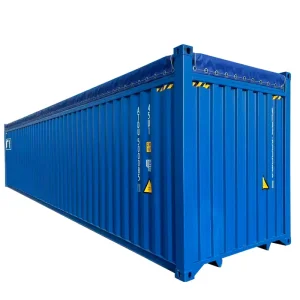
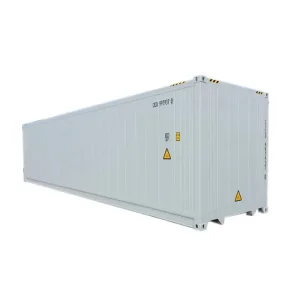
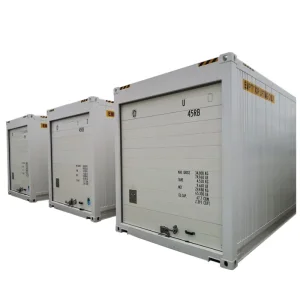
Intermodal Synergy: Cargo Containers & Semi-Trailer Integration
Why premier logistics operators procuring containers must harmonize box architecture with specialized skeletal container chassis trailers to optimize payload limits and minimize Total Cost of Ownership (TCO).
In global trade corridors, an intermodal shipping container is only as efficient as the rolling chassis running beneath it. Sourcing cargo container trailers alongside standardized ISO boxes directly from Tier-1 Chinese manufacturing ecosystems provides an undeniable technological and financial edge. Industrial freight operators in the European Union, North America, Sub-Saharan Africa, and Latin America frequently encounter operational friction caused by mismatched kingpin loadings, non-compliant twist-lock spacing, tare-weight inefficiencies, and sub-optimal brake sync dynamics between international tractor-trailers and marine ISO containers.
By coordinating factory-level engineering between the ISO container (dry cargo, reefer, tank, or offshore DNV units) and the semi-trailer chassis (gooseneck skeletal, drop-frame, flatbed, or extendable multi-axle trailers), enterprise procurement leaders achieve unified structural balance. This approach optimizes axle load distributions across varying legal boundaries—such as the US Federal Bridge Gross Weight Formula, European Directive 96/53/EC, and South African Road Traffic Acts—while dramatically reducing premature tire wear, frame stress fractures, and excessive fuel burn.
China Factory 4.0: Metallurgical Precision & Robotic Assembly
Automated structural manufacturing ensures dimensional accuracy within 1.0mm tolerances across continuous container trailer chassis runs.
Automated Submerged Arc Welding
Chassis longitudinal beams are fabricated using high-yield strength Q345B/Q355 or equivalent S700 high-tensile steel. High-frequency robotic submerged-arc welding machines deliver continuous, zero-porosity penetration along both upper and lower flanges, eliminating stress concentration zones.
Cathodic Electrophoretic Deposition (E-Coat)
Prior to topcoat enamel or polyurethane spray, all bare chassis structures and container corner castings undergo complete immersion in cathodic electrophoretic tanks. This provides uniform nano-meter barrier protection across hollow sections, delivering 1,200+ hours of ASTM B117 salt-fog resistance.
Fully Clustered Supply Resiliency
Centrally stationed in coastal manufacturing hubs like Tianjin and Jiangsu (Suzhou), our factories draw raw steel coils, BPW/FUWA axle systems, JOST landing legs, and WABCO braking modules from dedicated component clusters within a 50-kilometer radius, drastically reducing manufacturing cycle lead-times.
Macro-Sector Cargo Transport Solutions
Engineered configurations addressing the severe requirements of cold-chain perishables, hazardous chemical bulk distribution, and offshore energy exploration.
Intermodal Deep Cold-Chain Corridor
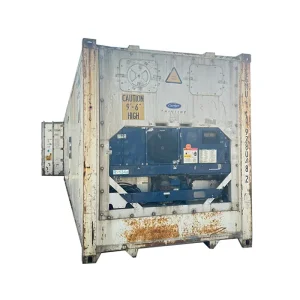
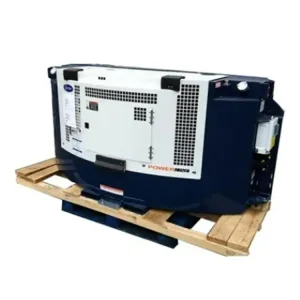
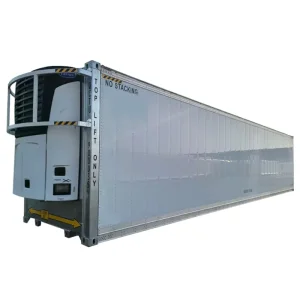
Pairing 40ft High-Cube Reefer Containers (featuring Thermo King, Daikin, or Carrier Transicold units) with dedicated underslung generator set (genset) chassis trailers ensures seamless cold-chain integrity across 3,000+ kilometer intermodal rail and road links without battery or dry-ice replenishment.
Harsh Energy & Offshore Modules
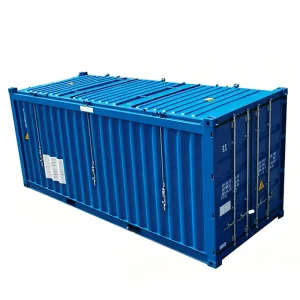
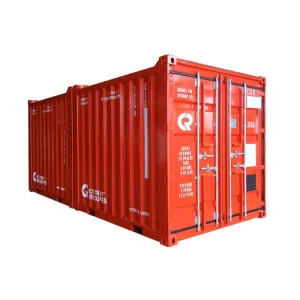
For subsea development and North Sea oil fields, containers manufactured according to DNV 2.7-1 / EN 12079 dynamic drop-test criteria ensure certified top-lifting capability, extreme impact absorption, and deep metallurgical integrity down to -40°C operating conditions.
Bulk Chemical Liquid & Gas Transport
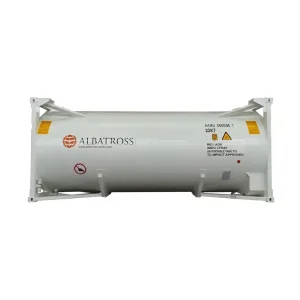
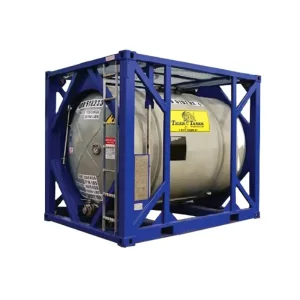
20ft ISO Tank Containers (T11 to T50 UN portable tanks) combined with lightweight, high-stability drop-deck container chassis guarantee low center-of-gravity haulage, rollover prevention systems (RSS), and ADR-compliant transport protocols for high-purity chemicals and liquified gases.
Container & Trailer Chassis Technical Specifications
Baseline structural parameters comparing primary intermodal shipping configurations.
| Equipment Category | Main Material / Grade | Tare Weight (kg) | Payload / Max Gross | Twistlock / Locking Config | Regulatory Standard |
|---|---|---|---|---|---|
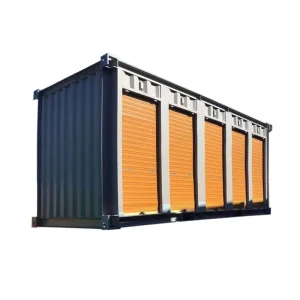
| 20ft ISO Dry Cargo (20GP) | Corten-A Weathering Steel | 2,200 ± 3% | 30,480 kg (Max Gross) | Standard ISO Corner Castings | ISO 1496-1 / CSC / BV |
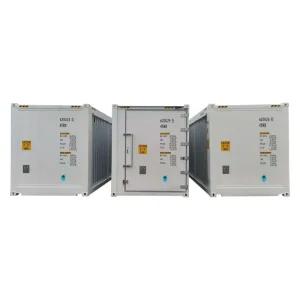
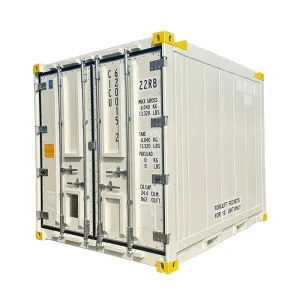
| 40ft High Cube Reefer (40RH) | MGSS / Stainless Inner / PU Foam | 4,600 ± 3% | 34,000 kg (Max Gross) | Standard ISO Corner Castings | ISO 1496-2 / ATP / TIR |
| DNV Offshore Dry Cargo (10ft/20ft) | Low-Alloy Yield Steel (Charpy -40°C) | 3,100 ± 5% | 10,000 - 15,000 kg | Integrated Pad Eyes for Sling Sets | DNV 2.7-1 / EN 12079 |
| 40ft Gooseneck Skeletal Chassis | High Tensile T700 / Q355 Steel | 4,800 - 5,600 | 35,000 - 45,000 kg (Payload) | 4 to 12 Retractable Twistlocks | DOT / FMVSS / ADR / GCC |
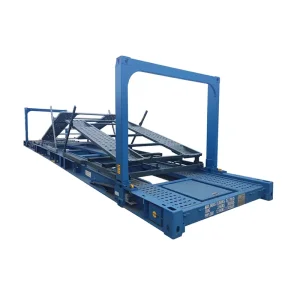
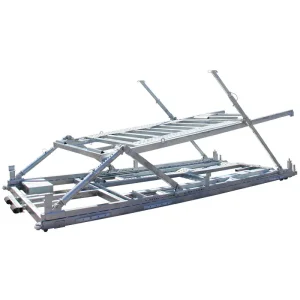
| Multi-Car Transport Rack / Frame | Q345 Structural Tubular Steel | 3,800 ± 4% | Accommodates 3-4 SUVs/Sedans | Secured Inside Standard 40HC | ISO 668 Modular Spec |
Total Cost of Ownership (TCO) Procurement Strategy
How tier-1 fleets balance CAPEX savings against multi-year operational reliability, tare-weight fuel multipliers, and residual salvage value.
1. Tare Weight Optimization
Every 500 kg trimmed from the trailer chassis or container roof framing through high-strength S700 steel engineering translates to equivalent payload expansion, saving up to $3,200 per chassis annually in heavy freight lanes.
2. Universal Component Sourcing
Specifying internationally established running gear (FUWA/BPW axles, WABCO ABS/EBS valves, Triangle or Michelin tires) guarantees fleet mechanics quick access to spare parts across 150+ ports worldwide.
3. Anti-Corrosion Longevity
Hot-dip galvanizing on lock rods, zinc-rich epoxy primers, and marine polyurethane paint ensure boxes and chassis withstand severe marine salt spray, preserving asset salvage value even after 15 years in service.
4. Full Regulatory Certification
Every batch shipped from our Tianjin and Suzhou production centers is backed by Bureau Veritas (BV), CSC safety approval plates, and documented non-destructive weld testing (NDT) to prevent port clearance delays.
Technology Roadmap & Next-Gen Logistics Outlook
How electrification, IoT telematics, and autonomous yard operations are redefining the future of container chassis and intermodal equipment.
Regenerative E-Axle Energy Systems
Next-generation reefer chassis trailers feature regenerative electric axles that capture kinetic braking energy to recharge onboard high-capacity lithium battery banks. This reduces reefer diesel generator reliance by up to 85%, helping logistics providers meet net-zero carbon targets in European and North American ports.
Integrated IoT Smart Sensor Telematics
Modern intermodal chassis and containers come fitted with solar-harvesting 5G satellite telematics modules. Sensors continuously report real-time tire pressure monitoring (TPMS), dynamic load weights, kingpin locking verification, brake lining wear, and thermal variance directly into enterprise logistics platforms.
Ultra-Lightweight Composite & Carbon Frames
Research and development into composite thermoplastic side walls for reefer boxes and structural carbon-fiber reinforced steel web-beams for skeletal trailers will trim another 15-20% off tare weight by 2028, unlocking higher legal payload capacities without sacrificing rollover torsional stiffness.
Worldwide Compliance & Localized Engineering Support
How our manufacturing designs ensure smooth entry, titling, and road homologation across diverse jurisdictions.
North American DOT & FMVSS Compliance
Trailers built for the United States and Canada comply fully with FMVSS-121 air brake system requirements, ABS anti-lock regulations, DOT lighting patterns, and Federal bridge formula kingpin-to-rear axle dimensions, facilitating easy Department of Motor Vehicles registration.
European Union E-Mark & ADR Homologation
For European buyers, trailer chassis meet Whole Vehicle Type-Approval (WVTA) standards, incorporating electronic braking systems (EBS), underrun rear protection (UN ECE R58), lateral side guards, and full ADR certification for dangerous goods transport.
On-Site Commissioning & Technical Teams
We provide localized technical assistance through authorized repair hubs and roving field service engineers across major ports in West Africa, Western Europe, and South America, ensuring immediate replacement parts access and swift warranty support.
Frequently Asked Questions: Container & Trailer Sourcing
Clear, authoritative technical insights answering the practical questions enterprise procurement officers face daily.
What structural variations exist between regular ISO containers and heavy-duty chassis trailers?
Can container trailers be shipped fully assembled from Chinese factories?
What are the key differences between DNV 2.7-1 and standard ISO containers?
Which refrigeration systems are supported in your custom reefer containers?
How do factory locations in Tianjin and Suzhou streamline international shipping?
What third-party certifications accompany every factory-direct container purchase?
Specialized Tank, Reefer & Generation Equipment
Explore ready-to-ship ISO gas tank units, heavy-duty deep freeze reefers, integrated diesel gensets, and vehicle carrier platforms.