
Featured Industrial Container Solutions
Engineered to strict ISO and DNV structural thresholds. Explore our primary certified cubic capacity units designed for extreme oceanic, mining, and inland intermodal operations.
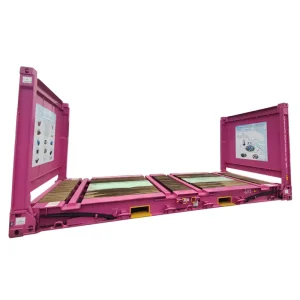
ODM New 20ft Platform Frame Container Pricelist, Exporters
View Specifications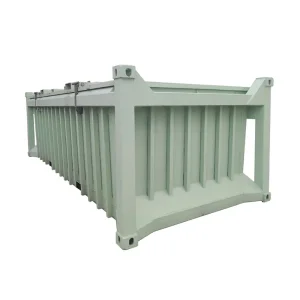
Buy New Half Height Ore Carrier Container Offshore Container Manufacturers, Quotes
View Specifications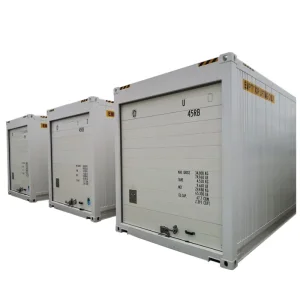
China 40ft High-Cube Roll Up Reefer Container Customized Shipping Containers Factory, Manufacturers
View Specifications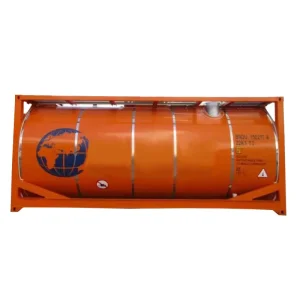
China 20 Foot ISO Liquid Tank Container for Water Manufacturer, Product
View Specifications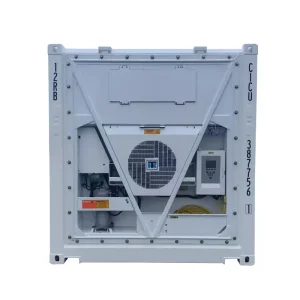
OEM 20ft Offshore Refrigerated Container DNV Certification Is More Durable Exporter, Exporters
View Specifications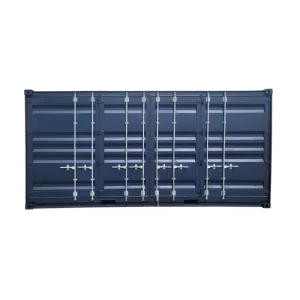
High-Quality New 20ft Customized Side Door Dry Cargo Shipping Container Factory, Product
View Specifications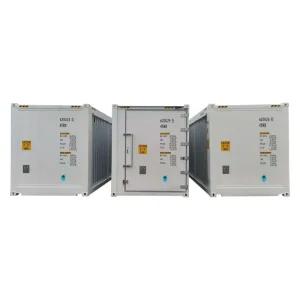
China OEM 40ft High-Cube Customized Three-in-One Combination Reefer Storage Container Manufacturer, Quotes
View Specifications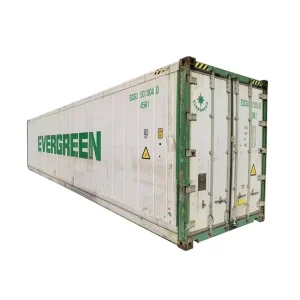
Buy Used 40ft HC Shipping Reefer Container Manufacturers, Exporters
View SpecificationsCubic Foot Container Engineering & Global Market Trends
In modern supply chain architecture, structural containerization is evaluated primarily on its functional internal volume—measured meticulously in cubic feet (cu ft) or cubic meters (m³)—balanced against tare weight and structural longevity.
Volumetric Optimization & High-Cube Dominance
Logistics economics have undergone a transformative pivot toward maximizing usable volumetric capacity. Standard 20ft intermodal boxes yield approximately 1,172 cu ft (33.2 m³), while 40ft High-Cube (HC) configurations exceed 2,694 cu ft (76.3 m³). This extra 305 cu ft compared to standard 40ft dry units translates directly into an 11.8% elevation in cargo density per voyage for e-commerce, consumer appliances, and palletized FMCG shipments.
High-Yield Corten Steel (SPA-H) Formulation
Modern factory production centers on atmospheric corrosion-resistant SPA-H Corten alloy. Through advanced metallurgy, side wall corrugations have been trimmed to 1.6mm or 2.0mm while sustaining a maximum gross weight threshold of 30,480 kg (67,200 lbs) to 34,000 kg. This provides heightened anti-puncture durability while minimizing dead weight, expanding net payload yield across harsh oceanic and railway corridors.
Thermal Conductivity & Cold-Chain Envelopes
Reefer cubic capacity engineering demands precision insulation balance. Utilizing high-pressure injection polyurethane (PU) foam with cyclopentane blowing agents, modern 40ft HC reefers yield 2,387 cu ft (67.6 m³) of cargo volume while retaining an overall heat transfer coefficient (K-value) below 0.38 W/(m²•K). This structural integrity prevents hot spots for deep-freeze (-35°C to -65°C) biopharma and perishables.
Global Procurement Demand & Buyer Decision Vectors
Procurement directors, fleet operators, and industrial EPC contractors navigate complex trade-offs between capital deployment, lifecycle durability, and certification strictures. Understanding these structural levers ensures maximum return on intermodal assets.
Total Cost of Ownership (TCO) vs. Initial CAPEX
Procuring low-grade containers frequently incurs rapid structural failure through corner-casting fatigue, marine salt galvanic corrosion, and floor rot. Premium zinc-rich epoxy primers (minimum 30μm dry film thickness) paired with chlorinated rubber or polyurethane topcoats extend container operational life past 15-20 years, dramatically flattening amortized TCO for global leasing syndicates.
OEM/ODM Customization Capabilities
Global enterprise fleets increasingly deviate from standard end-door profiles. Buyers demand specialized side-access openings for broad machinery deployment, hydraulic roll-up doors for distribution speed, bundled power manifolds for reefer arrays, and reinforced floor substructures utilizing 28mm Apitong hardwood or anti-skid steel checkered plates capable of supporting 7,260 kg forklift axle test loads.
Factory Scalability & Coastal Staging
Lead time reliability relies upon geographical factory positioning. Operating automated welding, robotic assembly, and eco-friendly waterborne blasting plants in Tianjin and Suzhou—situated approximately 100 km from major oceanic loading docks—guarantees swift container roll-off, staging, Bureau Veritas pre-shipment inspections, and vessel loading without heavy inland drayage expenses.
Cubic Foot Capacities & Dimensional Specifications
Accurate internal dimensional verification ensures full compliance with international shipping envelope guidelines while maximizing cargo density per cubic unit across intermodal networks.
| Container Classification | External Dims (L × W × H) | Internal Dims (L × W × H) | Cubic Capacity (Cu Ft / M³) | Max Gross Payload | Primary Industrial Sector |
|---|---|---|---|---|---|
| 20ft Standard Dry (20GP) | 20' × 8' × 8'6" (6.058 × 2.438 × 2.591m) | 19'4" × 7'8" × 7'10" (5.898 × 2.352 × 2.393m) | 1,172 cu ft (33.2 m³) | 28,230 kg (62,236 lbs) | Dense industrial freight, machinery, mineral concentrates |
| 40ft Standard Dry (40GP) | 40' × 8' × 8'6" (12.192 × 2.438 × 2.591m) | 39'5" × 7'8" × 7'10" (12.032 × 2.352 × 2.393m) | 2,389 cu ft (67.7 m³) | 26,700 kg (58,863 lbs) | General palletized merchandise, consumer goods, textiles |
| 40ft High-Cube Dry (40HC) | 40' × 8' × 9'6" (12.192 × 2.438 × 2.896m) | 39'5" × 7'8" × 8'10" (12.032 × 2.352 × 2.698m) | 2,694 cu ft (76.3 m³) | 26,580 kg (58,600 lbs) | Voluminous cargo, automotive components, modular conversions |
| 20ft Marine Reefer (20RF) | 20' × 8' × 8'6" (6.058 × 2.438 × 2.591m) | 17'10" × 7'6" × 7'5" (5.444 × 2.290 × 2.265m) | 999 cu ft (28.3 m³) | 27,400 kg (60,406 lbs) | Chilled produce, seafood, pharmaceuticals, dairy |
| 40ft High-Cube Reefer (40RH) | 40' × 8' × 9'6" (12.192 × 2.438 × 2.896m) | 37'11" × 7'6" × 8'4" (11.583 × 2.290 × 2.553m) | 2,387 cu ft (67.6 m³) | 29,520 kg (65,080 lbs) | Intercontinental cold chain, biologicals, frozen poultry |
| 20ft DNV Offshore Half-Height | 20' × 8' × 4'3" (6.058 × 2.438 × 1.295m) | 19'2" × 7'4" × 3'4" (5.842 × 2.235 × 1.016m) | 466 cu ft (13.2 m³) | 21,800 kg (48,060 lbs) | Subsea drill collars, pipes, dense mining ores, tools |
Multimodal Intermodal Infrastructure
Engineered for seamless transition across ISO container ships, double-stack railway flatcars, and tri-axle highway container chassis. Corner castings cast from high-grade SCW480 steel withstand stacking tests surpassing 86,400 kg (equivalent to an 8-high fully loaded stack under heavy sea swell dynamics).
Hazardous Chemical & High-Density Liquid Transit
From specialized 20ft heated asphalt containers to UN Portable T11/T14 ISO tank containers, vessels are manufactured in 316L stainless steel wrapped in thermal rockwool jackets. Compliant with IMDG Code, RID/ADR, and US DOT 51 requirements for dangerous goods classes 3 through 9.
Offshore Extraction & Marine Operations
Severe dynamic offshore crane handling demands compliance exceeding baseline ISO requirements. Half-height open tops and dry containers are built under DNVGL-ST-E271 (DNV 2.7-1) and EN 12079, featuring integrated padeyes, non-destructive testing (NDT), charpy impact-resistant steel, and certified lifting slings.
Global Compliance & Factory Verification Framework
Our manufacturing lines operate under comprehensive auditing oversight. Every container delivered carries uncompromised traceability, accredited by leading international classification societies.
CSC Safety Approval Plate
Issued under the International Convention for Safe Containers (CSC). Certified units feature stainless steel data plates validating approved maximum gross weight, transverse racking test forces (150 kN), wall strength compliance, and stacking capacity (192,000 kg), ensuring unrestricted interchange across international ports.
Bureau Veritas (BV) & ISO 9001:2015
Production facilities are independently verified by Bureau Veritas. Each fabrication phase—plate decoiling, roll forming, automatic submerged arc welding, blast cleaning to Sa 2.5 profile, and 4-tier coating application—is documented with individual Mill Test Certificates (MTC 3.1) and non-destructive weld X-ray records.
TIR & Customs Seal Tightness
All dry and refrigerated units comply with the Customs Convention on the International Transport of Goods (TIR). Hinge pins and door locking hardware are enclosed with tamper-evident welding and security brackets, preventing unauthorized compartment entry while cargo moves under international customs seals.
Technology Roadmap: Intelligent & Net-Zero Containerization
The shipping container manufacturing industry is converging with high-fidelity IoT telematics, low-carbon materials, and autonomous fleet orchestration.
Solar-Augmented IoT Telematics & Smart Reefer Control
Factory installation of low-profile crystalline silicon solar panels integrated into roof corrugations. These supply trickle power to internal temperature loggers, cellular/satellite GPS transceivers, and door microswitches. Real-time cubic volume fill sensors and Daikin/Carrier/Thermo King CAN-bus controllers stream continuous diagnostic telemetry straight to fleet management systems.
Bio-Composites & Ultra-Lightweight Hybrid Alloys
Transitioning flooring systems from tropical hardwoods to sustainable bamboo composites, structural thermoplasts, and recycled PET foam sandwiches. Structural engineers are optimizing high-strength lightweight steel formulations that shave tare weight by 12% without sacrificing CSC compressive strength thresholds, expanding usable payload weight limits.
CO2 (R744) Natural Refrigerants & Digital Twin Traceability
Replacing high-GWP synthetic HFC/HFO refrigerants with eco-engineered closed-loop R744 (transcritical carbon dioxide) reefer cooling units. Concurrently, factory laser serializations interface with decentralized asset registries, assigning each cubic foot container an inviolable digital twin storing manufacturing metallurgy, weld inspections, and voyage telemetry.
Frequently Asked Questions: Purchasing & Manufacturing
Precise answers to critical technical, certification, and commercial inquiries routinely posed by supply chain directors, ocean carriers, and fleet procurers.
How do I accurately calculate whether to purchase a standard 40ft or 40ft High Cube container based on cubic foot capacity?
What are the fundamental differences between ISO standard reefers and DNV 2.7-1 certified offshore containers?
Which refrigeration machinery brands do you integrate into your customized reefer container boxes?
How does factory proximity to the Port of Tianjin and Suzhou lower total landing costs for international buyers?
Can your factory execute custom OEM/ODM container designs tailored to unique engineering drawings?
What is the typical lifespan and maintenance requirement for second-hand/used containers compared to new builds?
Explore Specialized Manufacturing Configurations
High-performance side-open reefers, heated chemical carriers, hard open-top boxes, and modular expandable living containers built to exacting international criteria.
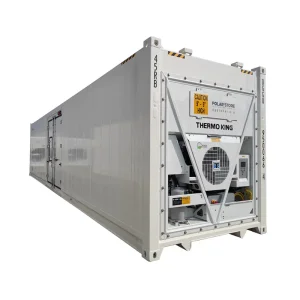
Famous 40ft High-Cube Side Open Door Reefer Container Manufacturer, Factories
View Specifications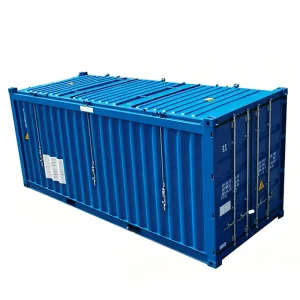
China 20ft New Hard Open Top Shipping Container Manufacturer, Factories
View Specifications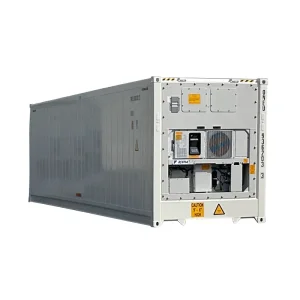
OEM New 40ft High-Cube Daikin Freezer Container Cold Storage Room Manufacturer, Products
View Specifications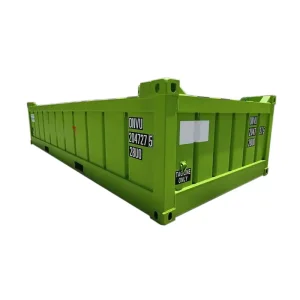
ODM New DNV Certification Offshore Half-Height Open Top Container Products, Exporters
View Specifications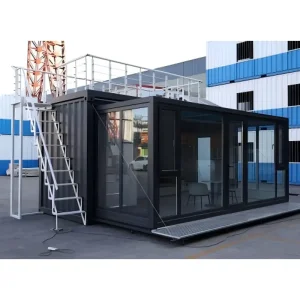
Famous 20ft Foldable Prefab Modular Homes Mobile Expandable Container House Prefabricated House with Bathroom Manufacturer, Exporters
View Specifications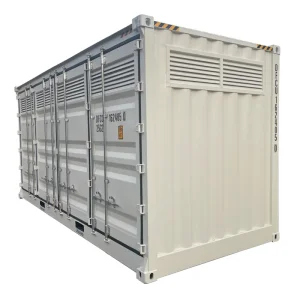
Famous 20FT High-cube Dangerous Goods Container Side Open Door with Ventilation Opening Manufacturer, Exporter
View Specifications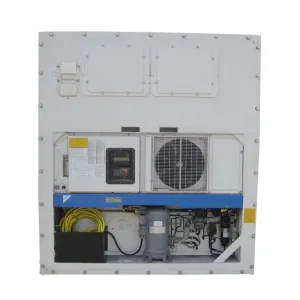
Buy Refrigeration Equipment /Cooling Unit For Refrigerated Containers Products, Exporters
View Specifications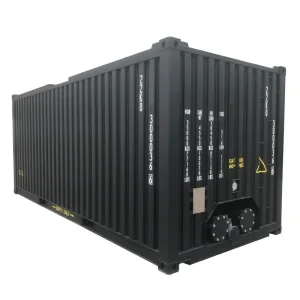
China 20 Feet Heated Shipping Asphalt Container Exporter, Manufacturers
View SpecificationsFive-Stage Precision Order-to-Delivery Pipeline
Our structured manufacturing execution system minimizes production variance, guarantees dimensional adherence to your cubic foot target, and ensures clean customs clearance worldwide.
Requirement Parameterization
Analysis of target freight profile, dynamic handling stresses, climate conditions, and internal cubic foot requirements. Our engineering team selects appropriate metallurgy, door styles, and floor ratings.
3D CAD Modeling & FEA Approval
Preparation of comprehensive general arrangement (GA) drawings, load distribution schemes, and finite element stress analysis. Steel fabrication begins only following strict signed client authorization.
Automated Line Fabrication
High-precision laser profile cutting, automated corrugated panel rolling, jig-clamped submerged arc welding, and full structural squaring within certified dimensional tolerances.
Surface Treatment & Coating
Centrifugal wheel blasting to Sa 2.5 standard profile, followed by immediate application of zinc-rich primer and dual protective exterior topcoats baked under controlled convection tunnels.
BV Inspection & Direct Port Drayage
Third-party surveyor witnessing of weather-tightness, corner-casting dimensional fidelity, and floor deflection tests. Rapid 100 km transit to Tianjin/Suzhou marine berths for international departure.